


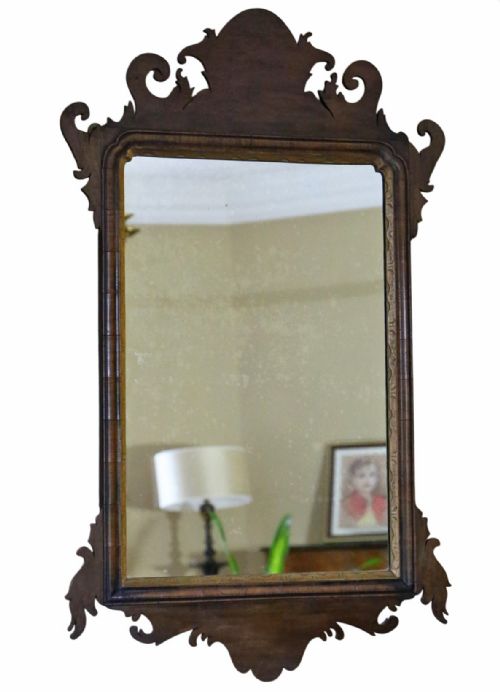


Georgian Gilt Slip Mirror
A georgian gilt slip mirror brings depth and warmth to a room through traditional gilded frames and inner slips.
Georgian Gilt Slip Mirror
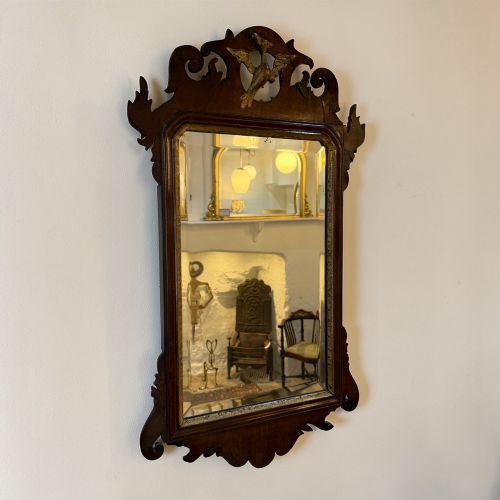
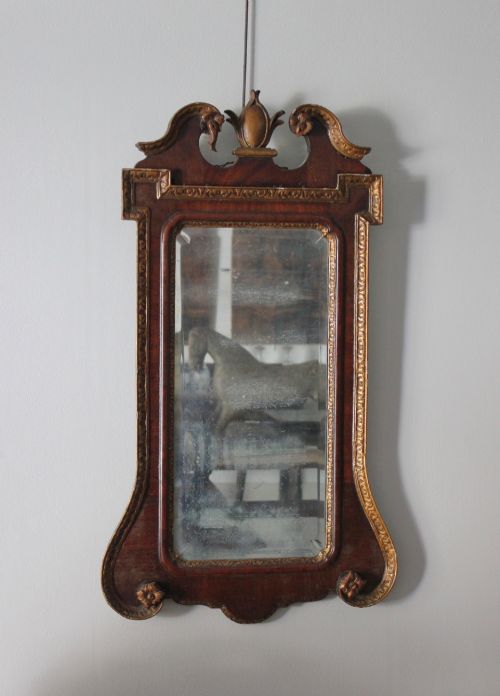
When searching for a georgian gilt slip mirror, buyers encounter wall-hanging looking glasses characterised by their distinct inner moulding and period proportions. These pieces range from authentic 18th-century examples to later revivals spanning the Victorian era and the early twentieth century.
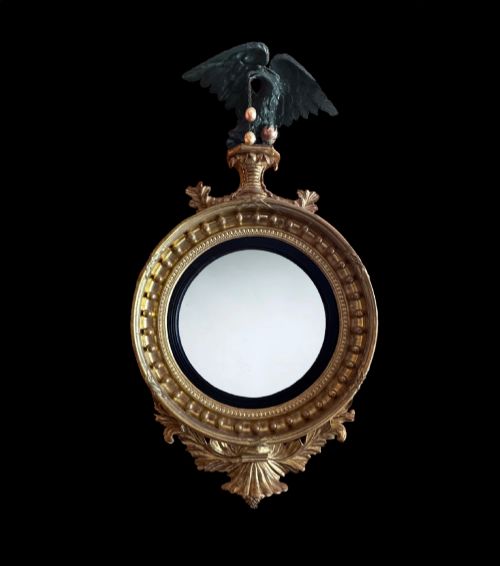
Many of these mirrors serve as focal points above mantelpieces or within hallways, reflecting light and expanding small spaces. The variety on offer covers everything from simple fret-cut designs to elaborate convex mirrors surmounted by carved eagles.
How they were made
Craftsmen built the underlying structures of these frames using timbers such as mahogany, walnut, sycamore and ebonised wood. They often applied gesso over carved wood details to prepare the surface for gilding.
Gilding involved applying thin sheets of metal leaf onto the prepared ground, creating the characteristic reflective metallic finish seen on the slips and frames. Makers also utilised brass elements for decorative sconces and fixings on specific convex and girandole models.
Listings feature frames constructed from mahogany, walnut, ycamore and ebonised wood alongside traditional gesso and giltwood finishes.
What varies in quality
The crispness of the carved detail distinguishes finer frames from simpler production pieces, particularly around acanthus leaves, fretwork edges and eagle crests. Superior examples display sharp contours in the gesso and woodwork before gilding takes place.
The condition and clarity of the mirror plate itself play a significant role in the overall integrity of the piece. Original glass with appropriate ageing or Vauxhall bevels elevates a mirror, whereas poorly executed later replacements alter the character.
The Georgian Gilt Slip Mirror Glossary
- Gilt slip
- A narrow inner frame or moulding finished in gold leaf that sits directly against the mirror glass. This element creates a distinct border between the main outer frame and the reflective plate.
- Convex mirror
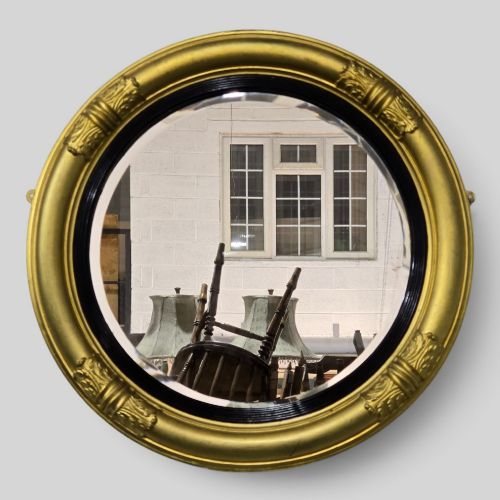
- A circular looking glass with a curved plate that provides a wide-angle reflection of the interior. These pieces frequently feature gilded frames and sometimes include candle arms.
- Fretwork mirror
- A wall mirror featuring an intricately sawn wooden silhouette, often in mahogany or walnut. These styles became popular during the Georgian period.
- Vauxhall mirror
- A historic term for a high-quality English mirror plate featuring a characteristic bevelled edge. These plates date back to the historic Vauxhall glassworks.
- Girandole
- A decorative wall mirror fitted with attached candle sconces that reflect candlelight into the room. They often appear in Regency convex formats.
Georgian Gilt Slip Mirror: Frequently Asked Questions
What is a gilt slip?
A gilt slip is the thin inner border finished in gold leaf that separates the outer frame from the mirror glass.
It adds a layer of refinement and helps draw the eye toward the reflective centre of the mirror.
Are these mirrors original Georgian pieces?
The selection includes authentic 18th-century Georgian items alongside later Regency, Victorian, and 20th-century revival pieces.
Checking the timber construction, backing boards, and glass characteristics helps determine the exact period of manufacture.
Where should I place an overmantel mirror?
Overmantel mirrors traditionally hang directly above a fireplace mantel to reflect light and anchor the room's proportions.
Ensure the width of the mirror complements the mantelpiece below it for a balanced visual arrangement.