
Georgian Gilt Frame Art
Georgian gilt frame art brings together period portraits and ornate gilded borders, offering a glimpse into eighteenth- and nineteenth-century interiors.
Georgian Gilt Frame Art
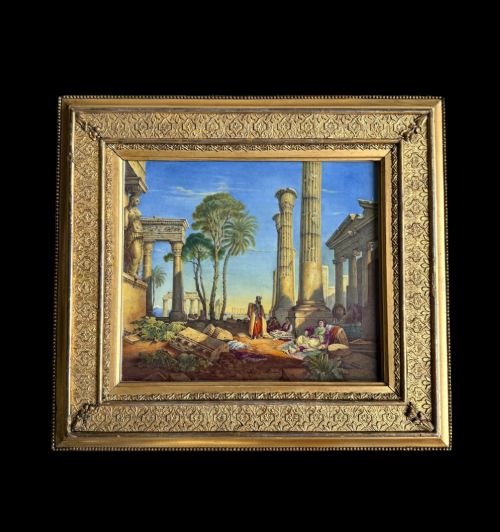
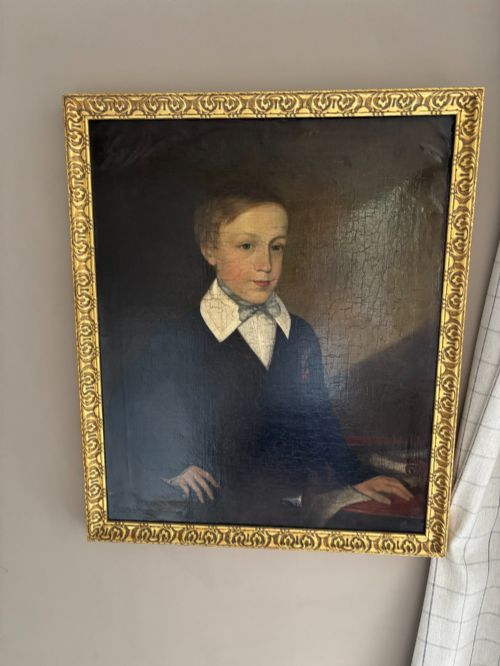
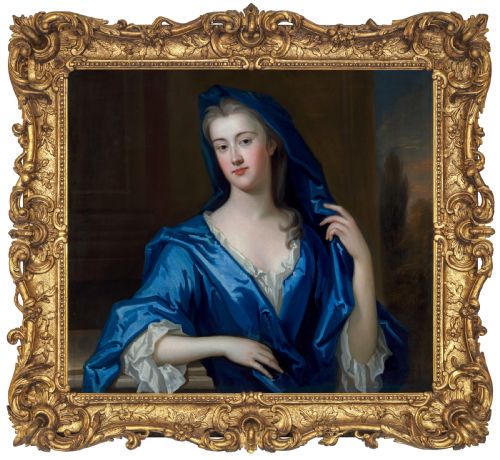
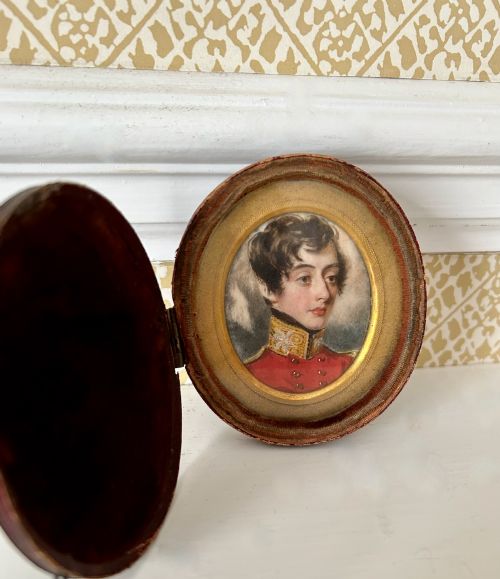
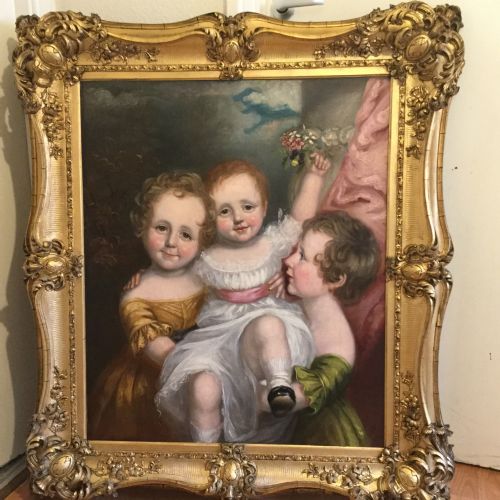
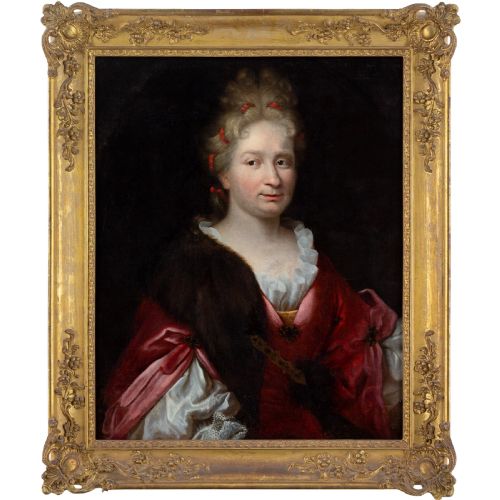
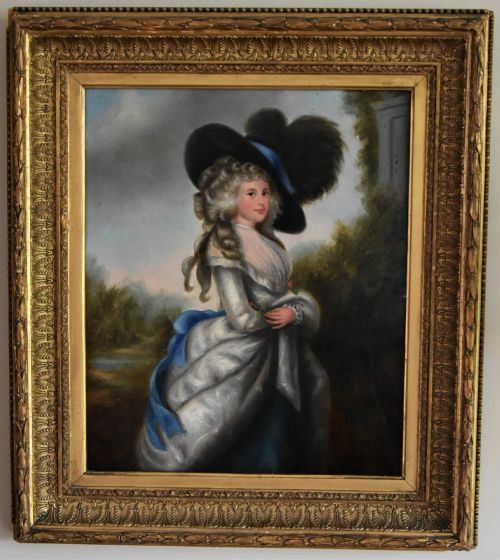
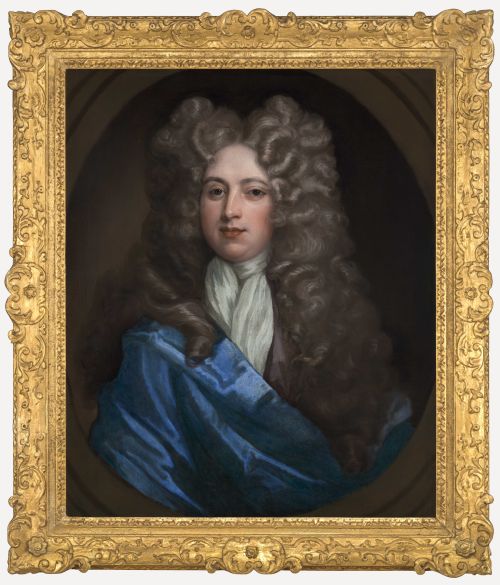
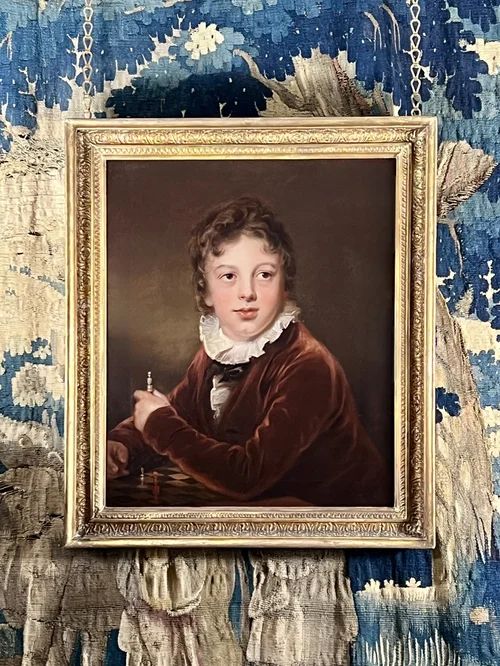
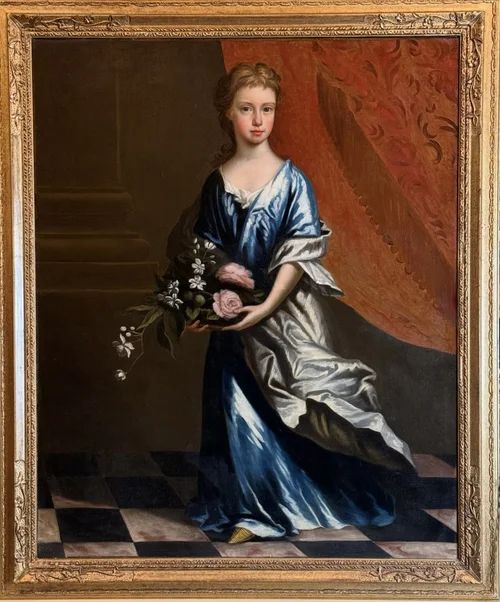
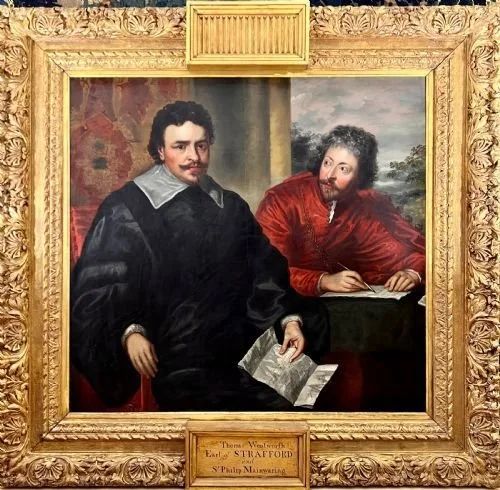
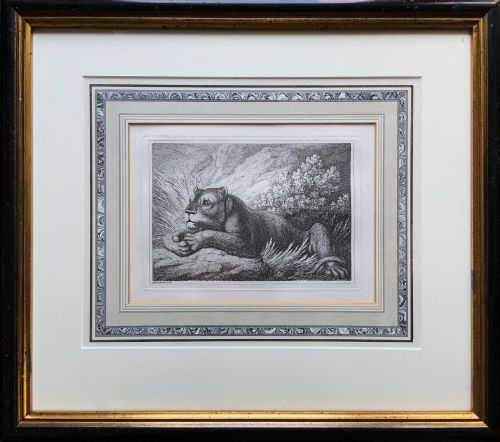
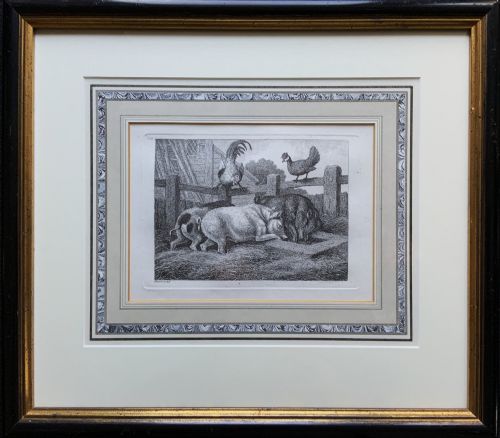
Georgian gilt frame art encompasses oil paintings, portraits, engravings, watercolours, and silhouettes housed within period surrounds. These works frequently depict notable figures, officers, and gentlefolk from the seventeenth century through to the nineteenth century.
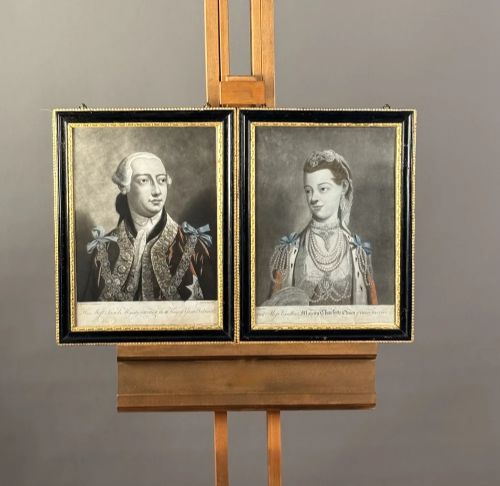
Buyers encountering this category will find oil on canvas paintings and mezzotint prints most commonly. These pieces reflect styles such as British Baroque, Neoclassical, and Regency, capturing historical likenesses with traditional craftsmanship.
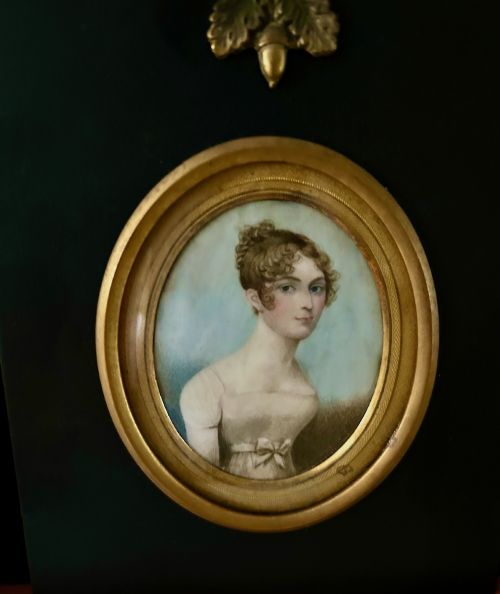
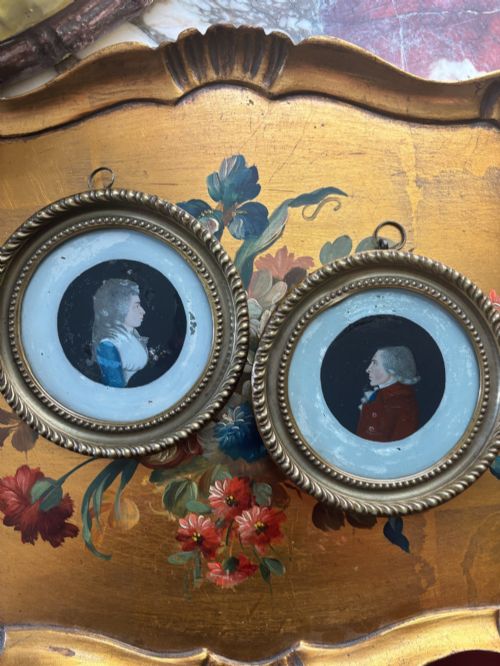
The selection ranges from intimate portrait miniatures and cut paper silhouettes to large oil paintings on panel and canvas. Such works demonstrate the portraiture traditions favoured by society during the Georgian and Regency eras.
How they were made
Makers applied thin sheets of gold leaf to wooden subframes, creating reflective surfaces that complemented painted portraits and printed works. Giltwood and gesso techniques formed intricate moulded borders around the central artwork.
Artisans produced portraits using oil on canvas, oil on panel, and watercolour, alongside graphic techniques like stipple engraving and mezzotint. Paper, ink, and glass also appear in silhouette miniatures and framed prints.
Listings feature works spanning the seventeenth, eighteenth, and nineteenth centuries, created in oil, watercolour, and ink.
What varies in quality
The depth and intricacy of the carving on the frame separate standard mouldings from superior hand-carved examples. Gilding quality depends on the application of gold leaf and the preservation of the underlying gesso layers.
Sir Joshua Reynolds·James Watson·Valentine Green·Francesco Bartolozzi·William James Hubard
The Georgian Gilt Frame Art Glossary
- Giltwood
- Wood that has been coated with gold leaf or a gold-coloured metallic preparation. This material forms the ornate borders characteristic of period frames.
- Mezzotint
- A printmaking process of the intaglio family where the plate is roughened to achieve tonal graduation. It became popular for reproducing oil paintings during the eighteenth century.
- Stipple engraving
- A method of producing prints by creating patterns of dots rather than continuous lines. Francesco Bartolozzi utilised this technique for portrait works.
- Silhouette
- A solid dark image of a person's profile, typically cut from paper or painted onto glass. Examples in this category include reverse painted and gilded variants.
- Regency
- A period in British history spanning the early nineteenth century, marked by distinct architectural and artistic styles. Pieces from this era often display Neoclassical influences.
Georgian Gilt Frame Art: Frequently Asked Questions
What subjects appear in these frames?
Portraits of military officers, nobility, and children dominate the selection, alongside classical scenes and topographical views.
Artists frequently recorded the likenesses of notable historical figures, merchants, and society members of the period.
How do I identify a period frame?
Period frames display traditional timber construction methods, often utilising hand-carved gesso and genuine gold leaf rather than modern synthetic finishes.
Signs of age include craquelure in the surface preparation and natural wear to the gilded edges.
Where should I hang these artworks?
These pieces suit traditional reception rooms, studies, and hallways where period lighting enhances the reflective qualities of the gilt frame.
Placing works away from direct sunlight protects both the painted canvas and the delicate gold leaf surface.
What is a reverse painted silhouette?
This technique involves painting the portrait directly onto the reverse side of a glass panel, creating a glossy finish when viewed from the front.
Such works were often paired with fine paper backgrounds and housed within small, protective frames.