

Georgian Furniture Set
A georgian furniture set brings architectural balance and honest proportion to a room, offering matched seating or tables designed to function in concert.
Georgian Furniture Set
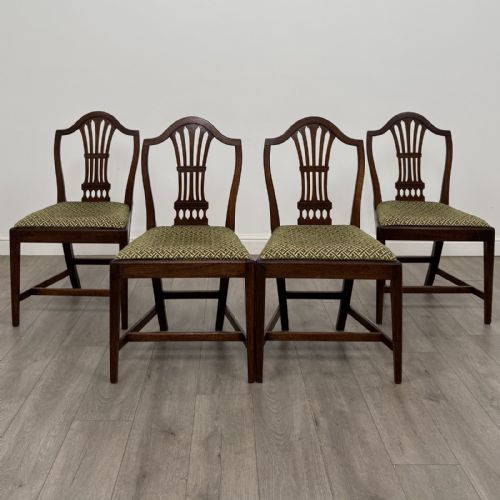
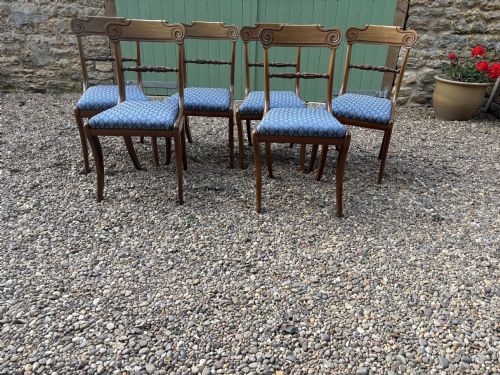
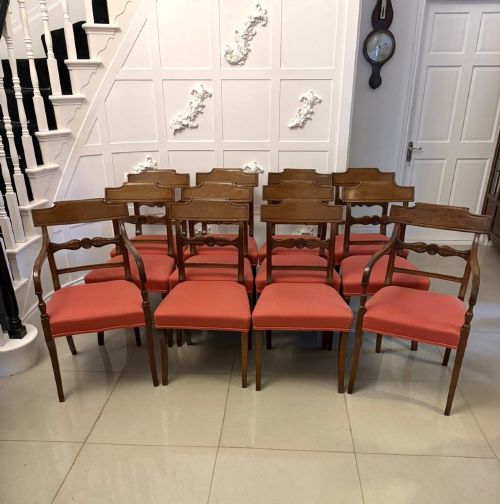
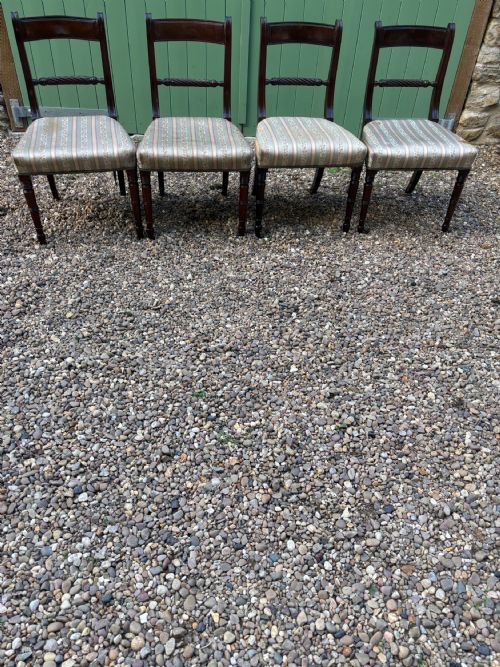
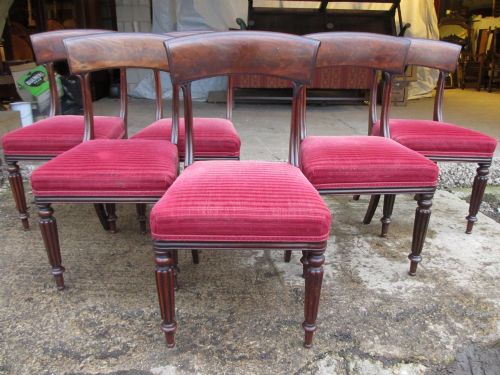
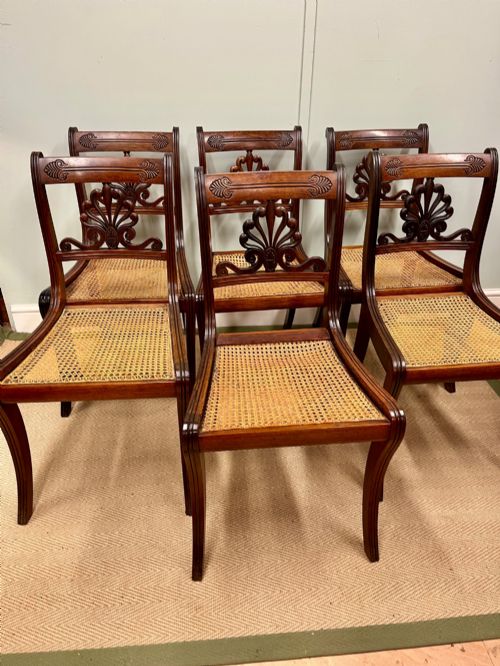
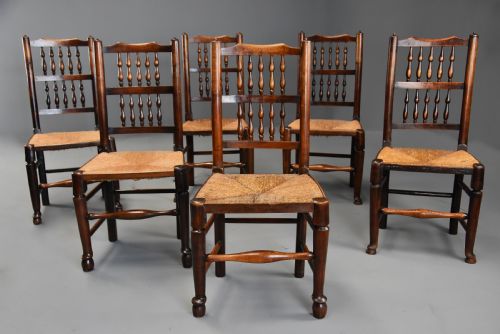
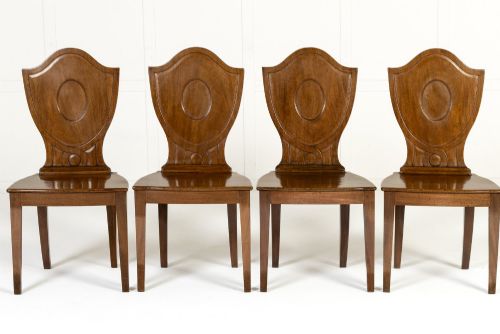
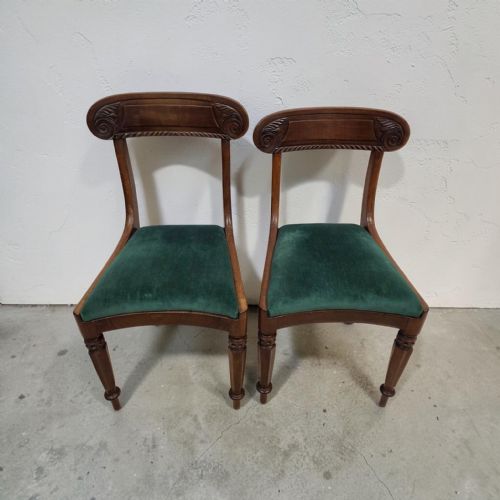
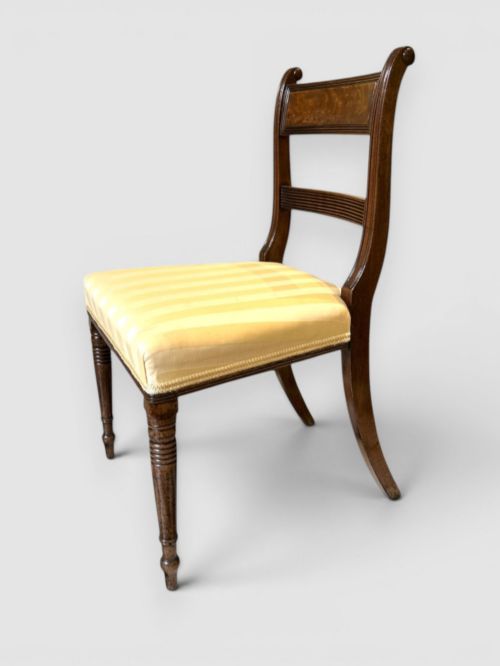
A georgian furniture set most commonly appears here as a matching assembly of dining chairs, ranging from quartetto nests of tables to sets of twelve mahogany chairs. The pieces span the eighteenth century through the Regency period and into later revivals, reflecting the domestic needs of their original commissioners.
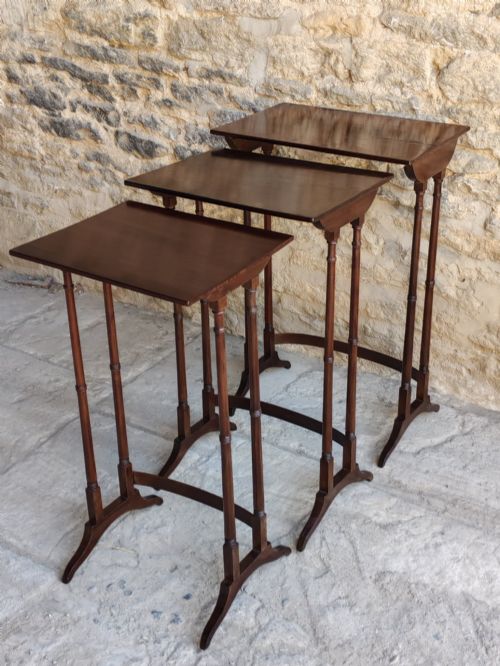
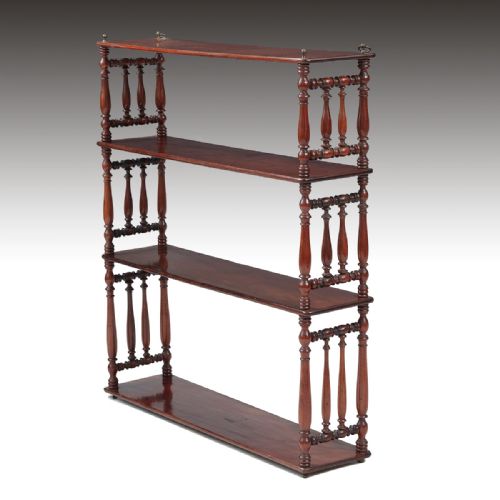
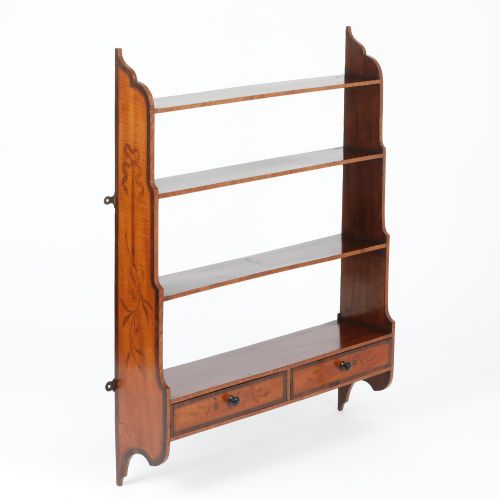
Beyond seating, grouped items include hanging shelves, wall shelves, and nests of tables in mahogany, rosewood, and oak. These coordinated groupings provide a unified aesthetic that single sporadic antique items cannot achieve in a modern interior.
Materials and Technique
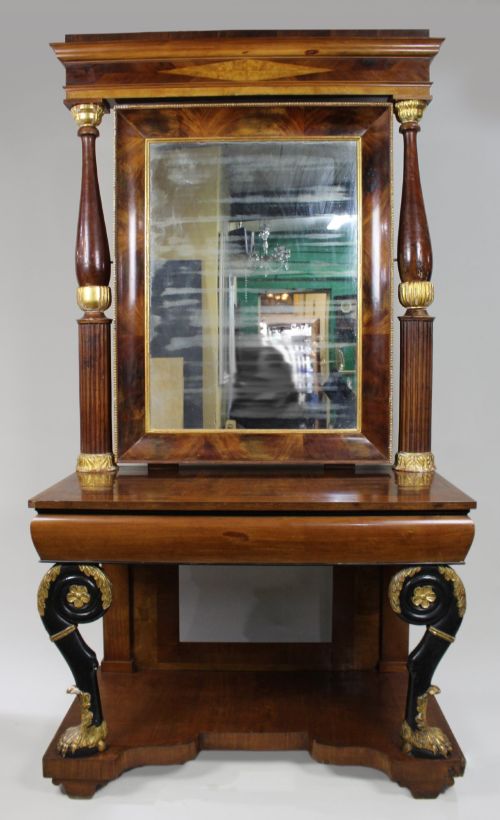
Cabinetmakers relied heavily on solid and veneered mahogany, alongside rosewood, oak, elm, and satinwood, often combining structural timbers with finely grained decorative surfaces. Brass inlay, parcel gilt, and upholstery fabrics complete the finish of finer examples.
Joinery techniques prioritised durability, utilising traditional mortise and tenon joints for chairs and frames while turning, carving, and brass work defined the decorative vocabulary of the period.
Listings feature mahogany, rosewood, oak, elm, and satinwood across eighteenth and nineteenth-century forms.
Distinction in Craft
The division between ordinary and exceptional sets rests upon the crispness of the hand-carved detail, the integrity of the timber, and whether the group remains entirely together with uniform colour and wear. Subtle variations in stretcher turning or back splat proportion separate workshop standard from master production.
Coherence across the entire grouping dictates value, ensuring that individual chairs or tables share identical patination, timber selection, and structural lineage rather than being assembled from disparate sources.
The Georgian Furniture Set Glossary
- Carver
- An armchair, typically wider and with arms, designed for the head of a dining table and traditionally accompanying a set of side chairs.
- Quartetto
- A nested set of four graduated tables, popular during the Regency period and executed in rosewood or mahogany.
- Splat
- The vertical central strip of wood in the back of a chair, often shaped or pierced in Chippendale and Hepplewhite designs.
- Parcel gilt
- A surface decoration technique where specific carved details or mouldings are partially gilded with gold leaf over a prepared base.
- Patina
- The surface sheen and mellowing of colour developed by wood through age, handling, and light exposure over generations.
Georgian Furniture Set: Frequently Asked Questions
How do I care for a mahogany dining set?
Keep wooden surfaces away from direct heat sources and strong sunlight to prevent the mahogany and its polish from drying out or fading. Dust regularly with a soft, dry cloth and apply occasional high-grade beeswax to nourish the timber.
Avoid commercial liquid polishes containing silicone, which can build up and dull the historic finish. For upholstered seats, vacuum gently using a low-suction brush attachment.
Can I use antique dining chairs daily?
Most eighteenth and nineteenth-century dining chairs were built for active domestic use from dense timbers like mahogany and oak. Routine sitting causes no harm provided the joints remain tight and stable.
Inspect the underframe periodically for any movement in the blocks or stretcher joints. Professional regluing prevents minor looseness from developing into structural damage.
How do I distinguish Regency from George III style?
George III pieces generally display classical Palladian proportions, straight or slightly cabriole legs, and carved details rooted in Gothic, Chinese, or classical motifs. Mahogany remains the dominant timber.
Regency design, emerging around the turn of the nineteenth century, draws heavier inspiration from Greco-Roman archaeology. Expect sabre legs, brass inlay, rosewood veneers, and a leaner, more austere silhouette.
What is a nest of tables used for?
A nest of tables provides flexible surface space that can be expanded or tucked away as required in a principal reception room. They served historically for holding small tea wares, books, or lighting.
Today, they function effectively beside sofas or reading chairs where permanent large tables would crowd the floor plan.