


Georgian Furniture Pieces
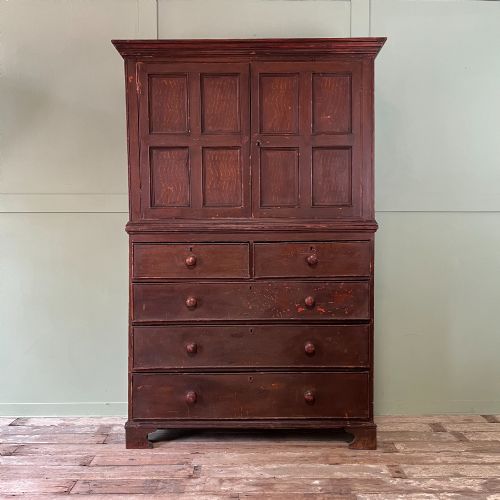
Georgian furniture pieces comprise miniature chests of drawers, bookcases, and tables that bring historical cabinet-making into domestic spaces on a small scale.
Georgian Furniture Pieces
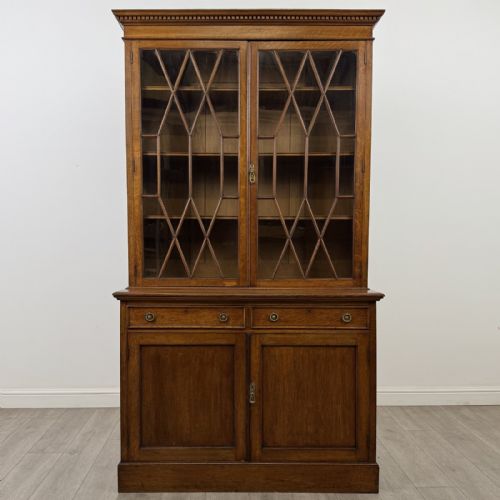
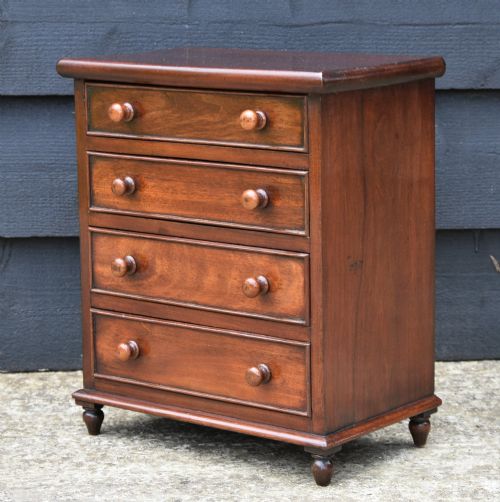
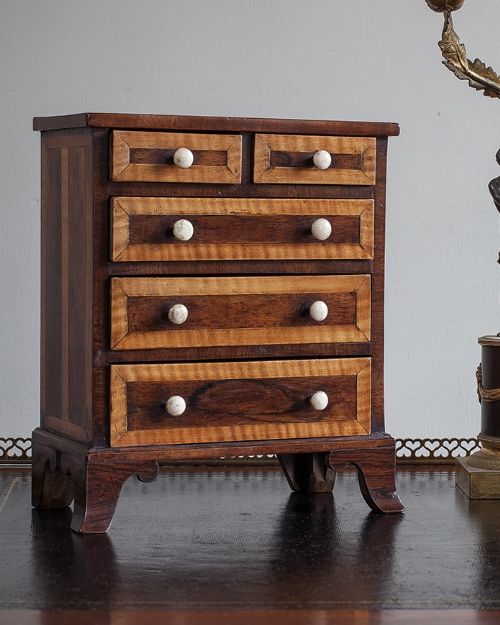
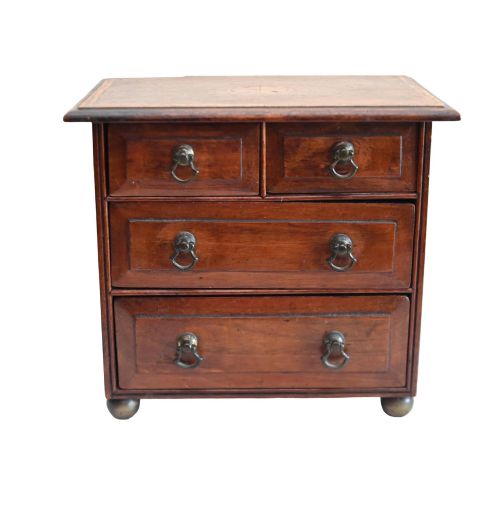
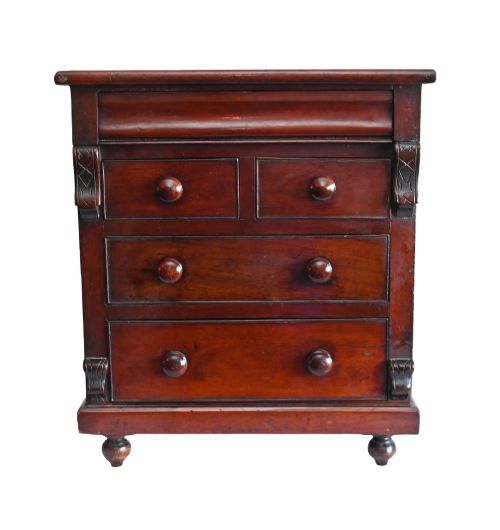
When searching for georgian furniture pieces, buyers encounter a prevalence of miniature chests of drawers, apprentice pieces, and small-scale bookcases originating from the eighteenth and nineteenth centuries. These items represent cabinet-makers' display samples or scaled-down domestic forms produced across various regional workshops.
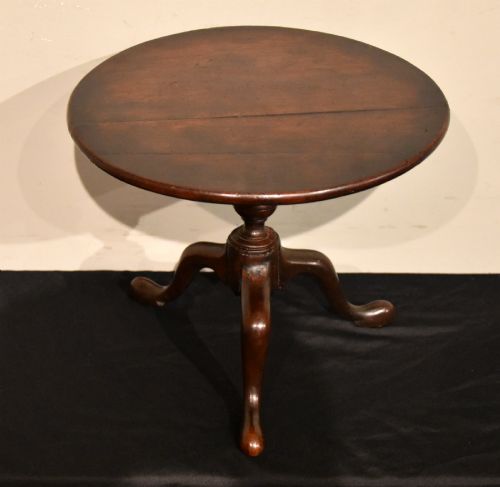
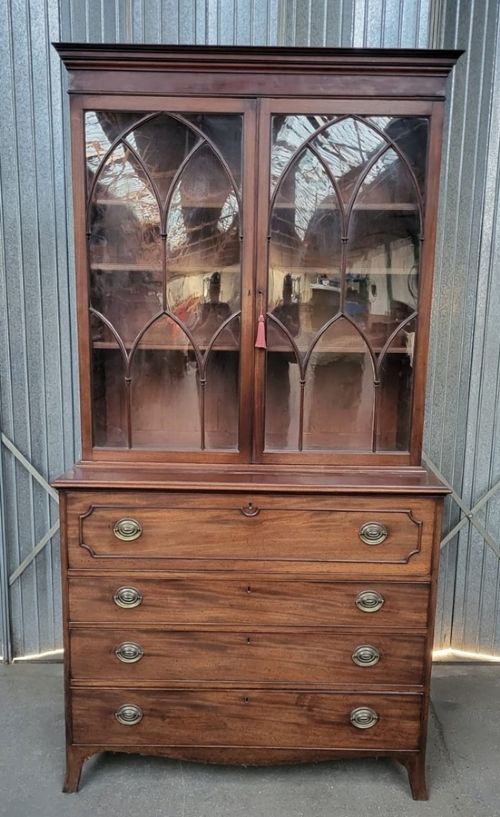
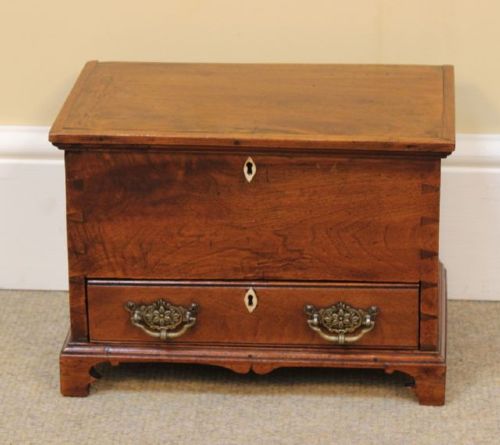
The selection frequently spans forms such as tripod tables, mule chests, and bureau bookcases constructed in styles ranging from vernacular regional designs to refined revival interpretations. Mahogany remains the dominant timber, alongside oak, pine, and exotic veneers.
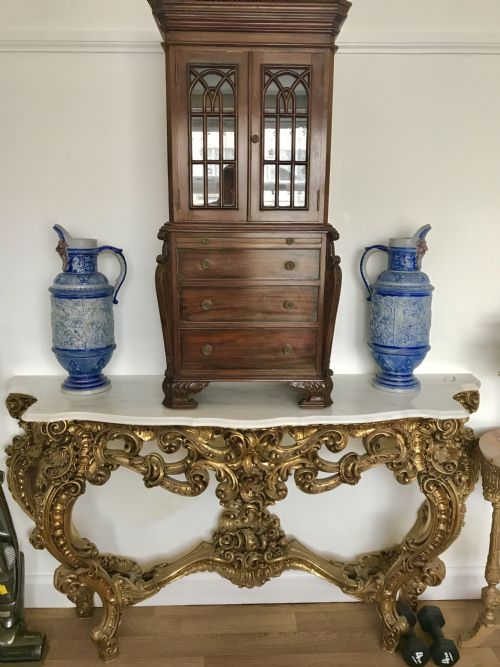
Objects on this page bridge full-sized architectural furniture and decorative tabletop items, offering functional storage or display utility within compact footprints.
Materials and construction methods
Construction relies heavily on dense hardwoods like mahogany, oak, and rosewood, joined with traditional techniques suited to miniature scales. Cabinet-makers utilised secondary softwoods for internal drawer linings and backboards.
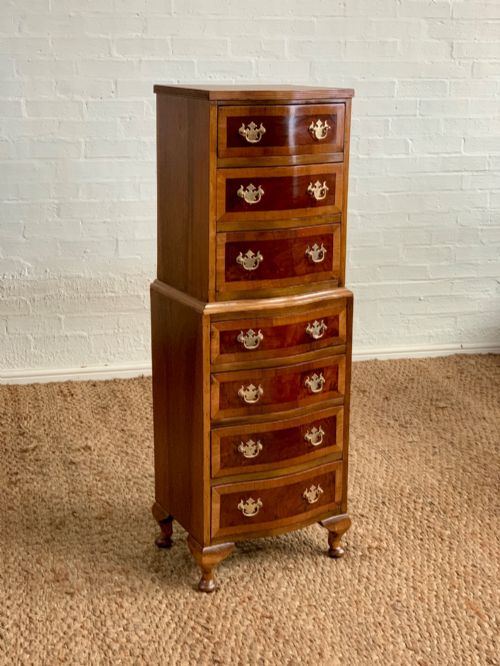
Surfaces receive hand-applied finishes, including French polish, which enhances the grain patterns of figured timbers such as burr yew, satinwood, and amboyna. Brass hardware, escutcheons, and hinges appear as functional and decorative accents across drawers and cabinet doors.
Some miniature chests feature secret compartments originally designed for hiding small heirlooms or very private notes.
Distinctions in craftsmanship
Quality rests upon the fidelity of proportion and the precision of miniature joinery, where dovetail joints and drawer tolerances demand the same skill as full-scale furniture. Pieces demonstrating superior execution maintain crisp mouldings and carefully selected timber veneers without excessive filler.
The integrity of original brass handles, locks, and internal surfaces distinguishes well-preserved examples from those subject to later alterations or heavy restoration.
The Georgian Furniture Pieces Glossary
- Apprentice piece
- A miniature item created by a trainee cabinet-maker to demonstrate proficiency in advanced woodworking techniques before joining a trade guild.
- Tallboy
- A case piece consisting of one chest of drawers stacked atop another, creating a tall storage unit.
- Mule chest
- A storage chest featuring one or more drawers built into the base beneath the primary compartment.
- Dentil cornice
- An architectural moulding comprising a series of small, rectangular blocks projecting sequentially along the top edge of a bookcase or tall cabinet.
- Kneehole desk
- A compact desk or dressing table featuring a central recess for the user's knees, flanked by banks of small drawers.
Georgian Furniture Pieces: Frequently Asked Questions
What are apprentice pieces?
Apprentice pieces are scaled-down furniture items constructed by young craftsmen to prove their mastery of complex joinery to master artisans. They replicate the exact construction methods of full-sized furniture.
These items served as portable portfolios for travelling journeymen or as display items in workshops, allowing clients to inspect the maker's technical capability.
How do I identify a Georgian miniature?
Authentic Georgian miniatures exhibit period-appropriate timber selections, such as solid mahogany or oak, combined with hand-cut dovetailing and period secondary woods. Construction details match the full-scale cabinet-making standards of the eighteenth century.
Checking internal drawer linings, backboards, and fastener types helps differentiate genuine period pieces from later nineteenth-century revivals or twentieth-century reproductions.
Where were these small pieces used?
These small-scale items functioned on tabletops, desks, or within parlours and bedrooms where full-sized furniture would exceed available space. Wealthy households often utilised them for specialised storage.
Today, collectors place miniature chests and bookcases on sideboards, desks, or dedicated shelving units to display them safely within modern interiors.
What woods were commonly used?
Makers predominantly employed mahogany for its stability and fine grain, alongside regional hardwoods like oak in Welsh and English provincial workshops. Walnut and rosewood appear on finer cabinet pieces.
Decorative veneers such as burr yew, amboyna, and satinwood were selected to add visual contrast and rich colour to drawer fronts and decorative panels.