
Georgian Furniture Chest Drawers
Georgian furniture chest drawers bring enduring proportions and craftsmanship into a room, offering practical storage through centuries-old timber forms.
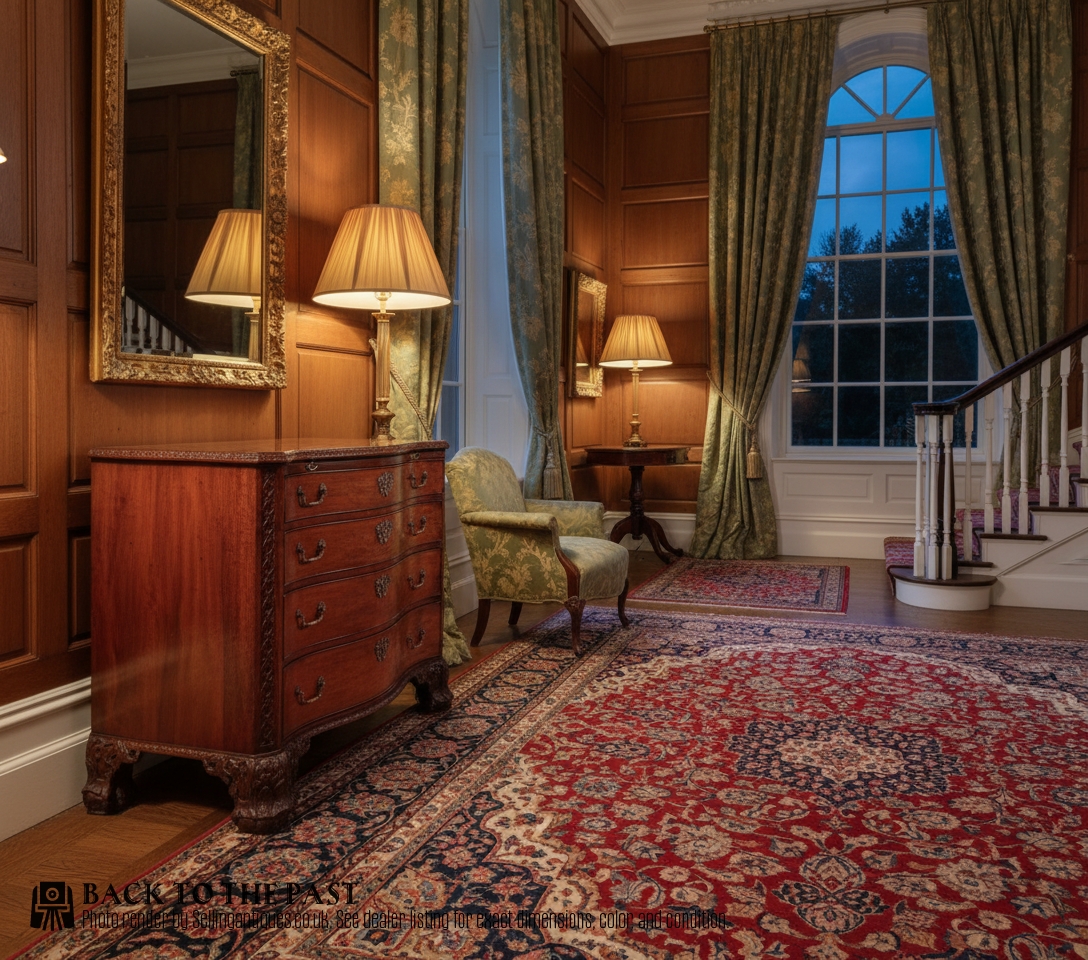
Georgian Furniture Chest Drawers
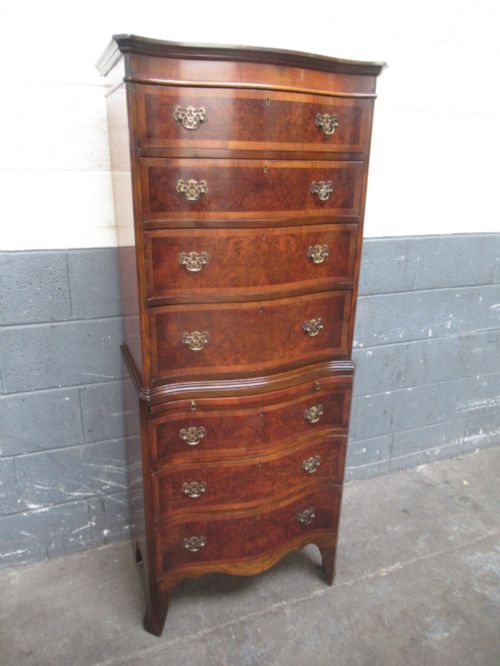
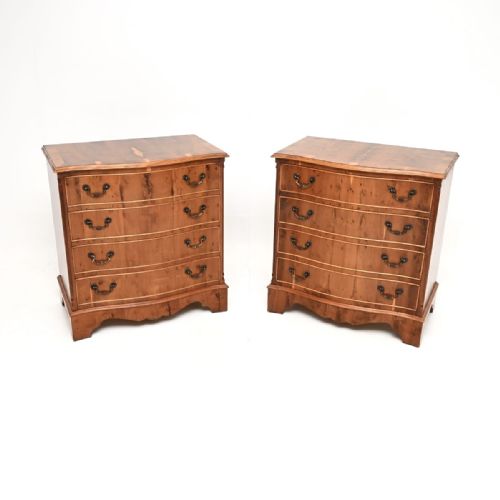
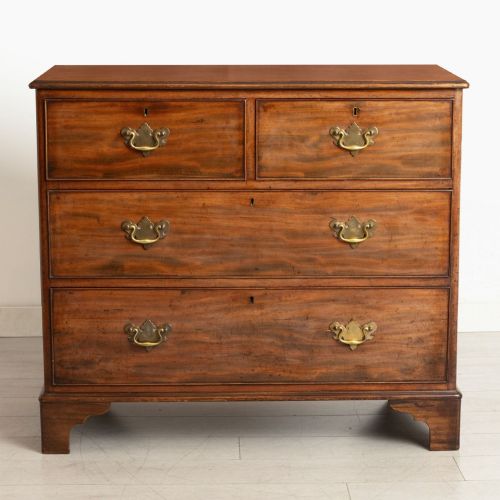
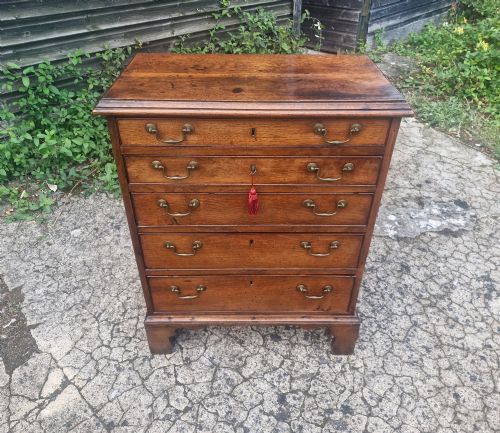
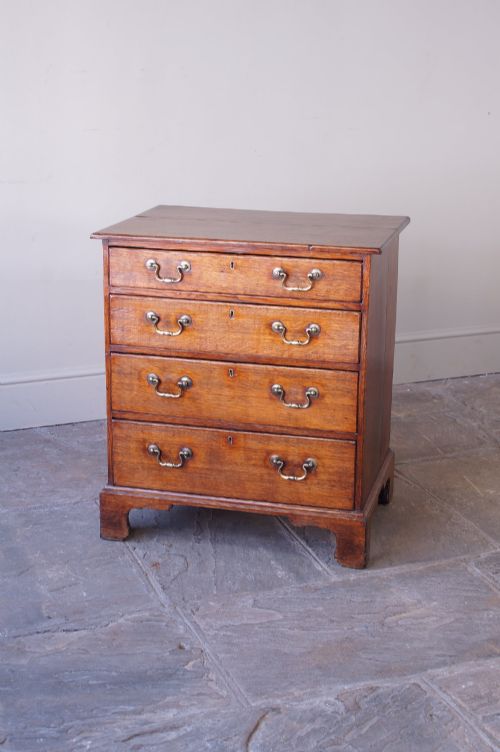
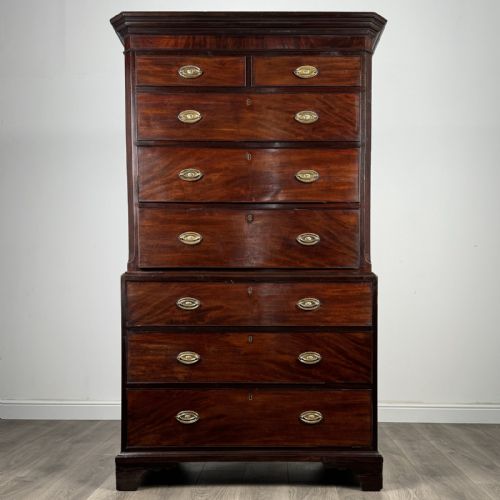
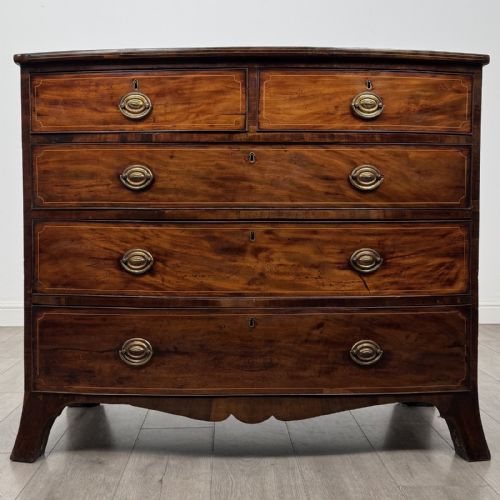
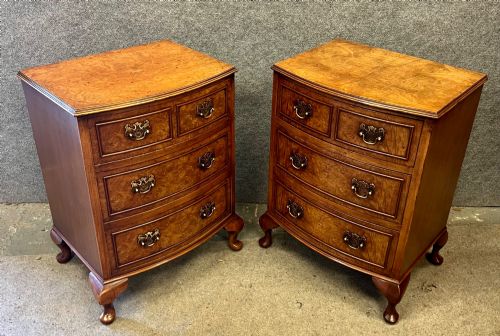
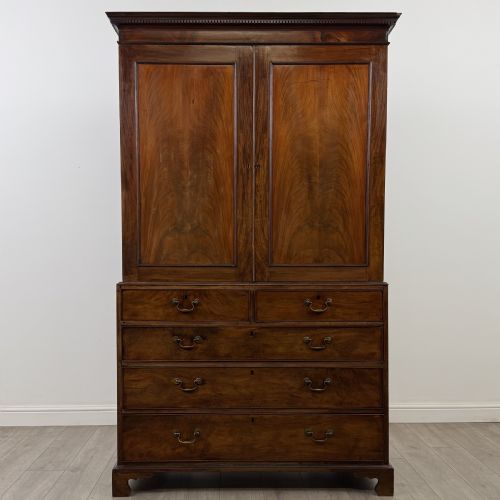
A georgian furniture chest drawers is a storage unit built primarily during the eighteenth and nineteenth centuries, taking forms such as standard drawer stacks, tallboys, chests on stands, and bow-fronted designs. You will frequently encounter mahogany and oak examples produced across the Georgian, Regency, and Queen Anne periods, alongside later revival interpretations from the twentieth century.
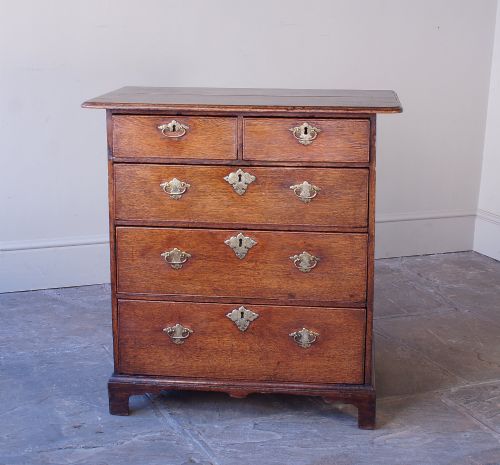
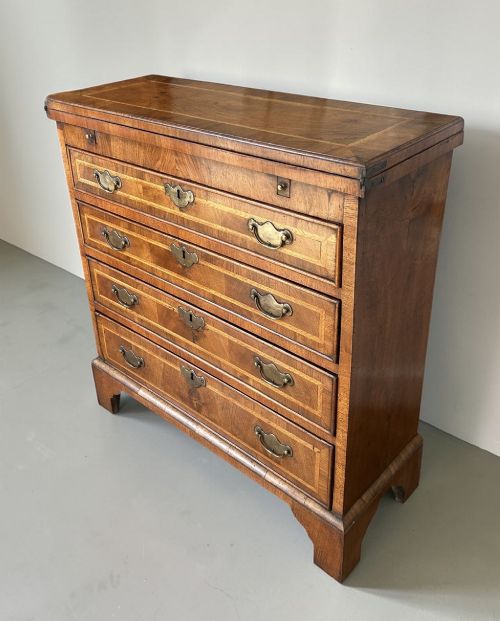
The typical piece provides multiple horizontal drawers arranged in tiers, sometimes featuring a pull-out brushing slide or a split-drawer configuration at the top. Formats range from low bedside proportions to tall, narrow tallboys and compact miniature apprentice pieces designed to showcase a joiner's skill.
Origins span English workshops, Scottish makers, and Dutch cabinet-makers, utilising local and imported timbers to create functional bedroom and parlour storage. Pieces appear in both straightforward utilitarian formats and heavily figured decorative treatments intended to display status and wealth.
How they were made
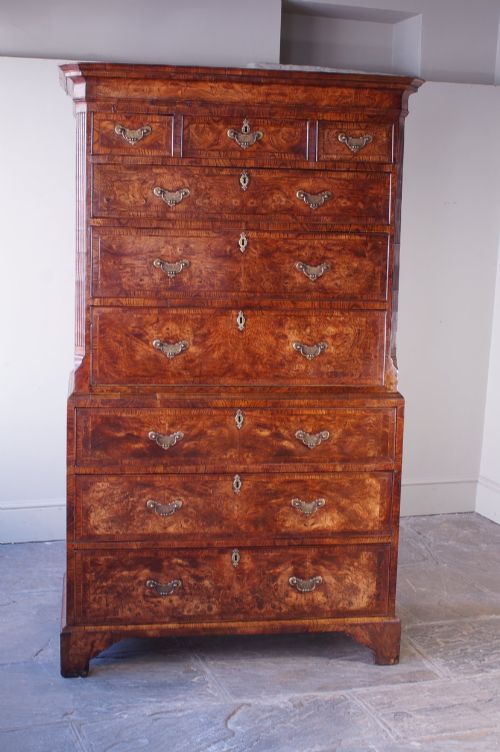
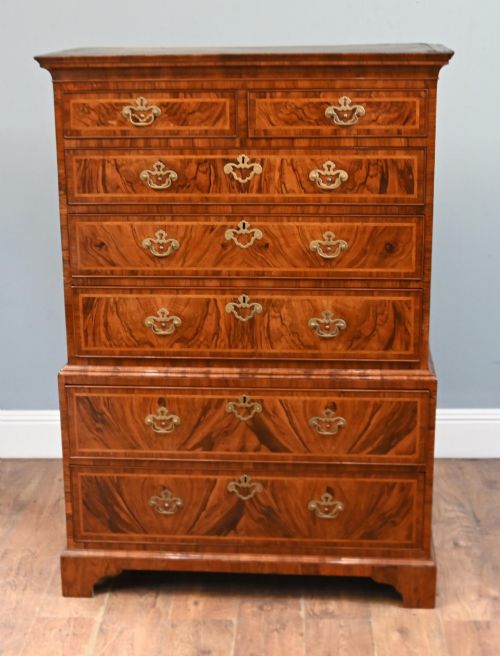
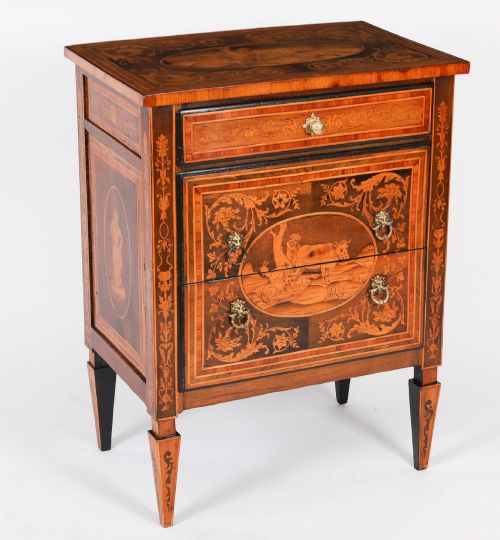
Cabinet-makers constructed these carcasses predominantly using solid oak, walnut, and mahogany, often applying burr walnut or flame mahogany veneers to primary visible surfaces. Crossbanding and stringing lines provide contrasting borders, while secondary woods like pine or oak form the internal drawer linings.
Joinery relied on tight dovetail joints for drawer construction and sturdy mortise and tenon frames for the main body. Surfaces received hand-polished finishes that enhanced the natural grain patterns of the figured timbers without modern synthetic lacquers.
Hardware typically consists of cast brass handles and escutcheons secured through the drawer fronts, paired with iron or brass locks. Backboards and drawer bottoms generally comprise solid timber planks fitted to allow for natural wood movement over time.
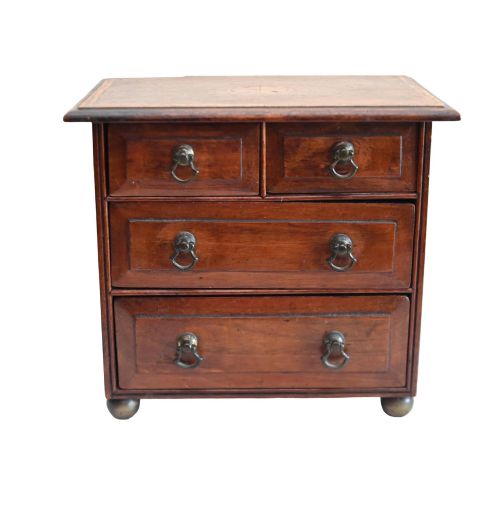
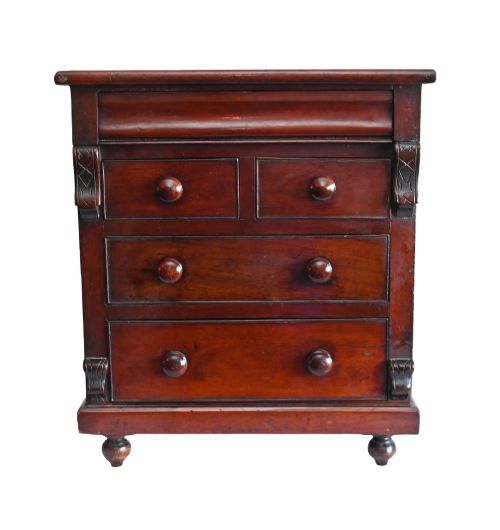
Apprentice pieces allowed young woodworkers to demonstrate mastery by scaling down a full-size chest into a miniature cabinet.
What varies in quality
The selection of timber grain dictates much of the visual hierarchy, with highly figured burr walnut and matched flame mahogany commanding greater attention than plain oak or standard mahogany. Skill in cutting and laying veneers so that patterns mirror across drawer fronts separates standard production from exceptional cabinet-work.
Surviving surfaces bearing genuine patination and minimal timber replacement hold distinct character compared to heavily restored or aggressively stripped examples. The structural integrity of the internal framing and smooth running of the drawers further define the standard of preservation.
Whytock And Reid
The Georgian Furniture Chest Drawers Glossary
- Bow Front
- A convex curved cabinet front popular during the Regency and late Georgian periods. This shape softens the profile of a room while adding visual depth to the timber grain.
- Chest on Chest
- A tall storage unit formed by stacking a smaller chest directly on top of a larger base chest. This configuration provides substantial vertical storage capacity.
- Brushing Slide
- A pull-out shelf integrated above the top drawers, historically used for folding clothes or writing notes. It slides flush into the cabinet frame when not in use.
- Crossbanding
- A decorative border technique where thin strips of veneer are laid perpendicular to the grain of the main panel. This frames the drawer fronts with a contrasting border.
- Tallboy
- A tall chest of drawers, often constructed as a chest on chest or an eight-drawer upright unit. It maximises storage floor space by building vertically.
- Figured Walnut
- Timber harvested from walnut trees that displays swirling, mottled grain patterns due to irregular growth. Cabinet-makers prized this for high-status furniture fronts.
Georgian Furniture Chest Drawers: Frequently Asked Questions
How do I spot a genuine Georgian chest?
Examine the timber construction inside the drawers, looking for hand-cut dovetails and solid secondary woods like oak or pine rather than modern plywood.
Check for original backboards and timber shrinkage lines that indicate age, alongside period-appropriate brass handles and lock mechanisms.
What is a brushing slide used for?
A brushing slide is a pull-out wooden shelf positioned just beneath the top surface or upper drawers. Historically, valets used this surface to fold garments or brush dust from clothes before dressing.
In modern living, it functions well as a temporary resting spot or a compact writing surface.
How do I care for antique walnut and mahogany?
Keep wooden furniture away from direct sunlight and heat sources to prevent the timbers and veneers from drying out and splitting. Maintain a stable room temperature and apply natural beeswax polish sparingly.
Avoid silicone-based sprays, which can penetrate porous old finishes and damage the patination.