



Georgian Fretwork Console Table
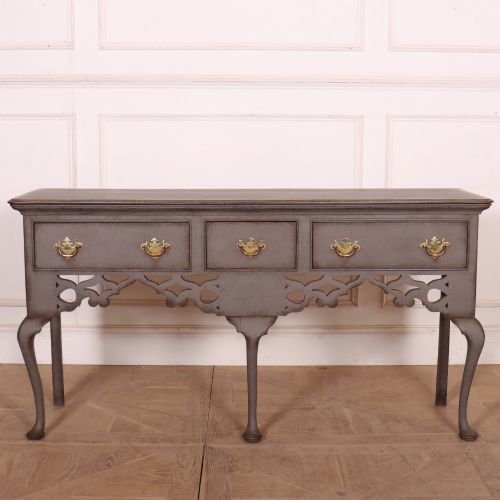
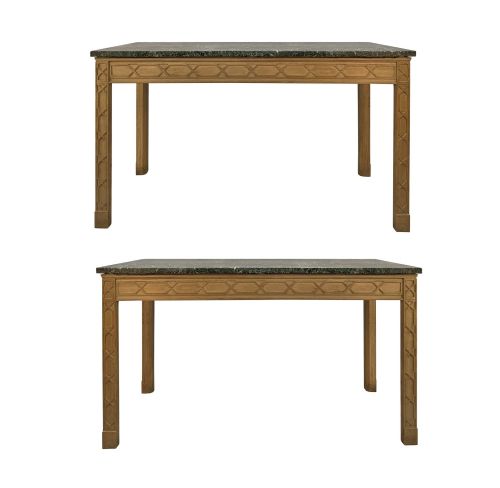
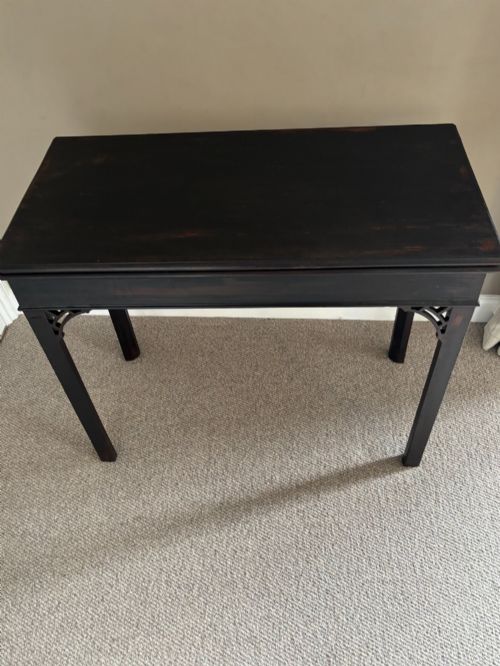
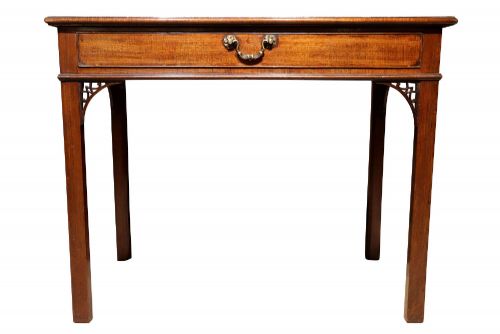
These georgian fretwork console table pieces combine classical proportion with intricate pierced carving, offering a commanding focal point for any hallway or reception room.
Georgian Fretwork Console Table
When searching for a georgian fretwork console table, buyers encounter furniture spanning the eighteenth century through to later revival periods. The selections available encompass forms designated as console tables, side tables, serving tables, and lowboys, alongside card and centre tables.
The prevailing examples originate from the Georgian and Victorian eras, with Edwardian and early twentieth-century interpretations also appearing. These pieces frequently incorporate styles such as Chippendale, George III, Chinese Chippendale, Adam, and Neoclassical designs.
Makers and periods recorded in the current evidence range from the eighteenth century to nineteen-ten, demonstrating both original period manufacture and later revival craftsmanship. Buyers will locate variations from formal George III mahogany formats to pine tables fitted with marble tops.
Assessing quality and craftsmanship
Distinction across the range lies in the crispness of the carved fretwork and the selection of timber figure. Pieces exhibiting well-defined Gothic pierced brackets or finely figured flame mahogany display a higher tier of workmanship.
Proportional harmony and the integration of stylistic motifs, such as Chinese Chippendale or Adam details, further differentiate standard production from finer examples. The handling of secondary timbers like oak and pine within the construction also marks the standard of the piece.
Georgian Fretwork Console Table Retail Price Guide 2026
Typical asking prices for georgian fretwork console table among the pieces listed under this phrase on Sellingantiques today, from the lower quarter to the upper quarter. They describe what is for sale here now, not the wider market.
Tables occasionally double as serving stations or card surfaces, proving past households enjoyed multi-talented furniture.
Butler
The Georgian Fretwork Console Table Glossary
- Console table
- A table designed to stand against a wall, frequently secured to it or supported by front legs. These items served decorative and functional roles in formal interiors.
- Fretwork
- Openwork ornamentation carved or pierced from a flat panel of wood. This technique creates geometric or patterned designs particularly visible on table brackets and friezes.
- Lowboy
- A small low table with drawers, typically produced in the eighteenth century. They frequently function as side or dressing tables.
- Flame mahogany veneer
- A thin slice of mahogany timber cut from the fork of the tree where branches meet the trunk. This produces a distinctive flame-like grain pattern used on prominent surfaces.
- Serpentine
- A furniture front or edge shaped with a central convex curve flanked by concave curves. This contour adds movement and visual complexity to the piece.
Georgian Fretwork Console Table: Frequently Asked Questions
Where should I place a console table?
Console tables traditionally anchor entrance halls, drawing rooms, or reception spaces against a wall. Their narrow depth allows them to occupy circulation areas without obstructing movement.
Pairing them with a mirror or placing them beneath artwork creates a balanced decorative arrangement within a room.
How do I distinguish revival periods from original pieces?
Distinguishing original eighteenth-century pieces from Victorian or Edwardian revivals requires examining timber ageing, construction joints, and tool marks. Revival makers often adopted specific stylistic labels like Chippendale Revival.
Comparing the secondary woods, such as pine or oak framing, helps clarify the probable period of manufacture alongside the primary mahogany surfaces.
What maintenance do these wooden tables require?
Maintenance involves keeping mahogany and veneer surfaces away from direct heat sources and strong sunlight to prevent timber movement. Regular dusting with a dry, soft cloth preserves the finish.
Application of appropriate furniture wax maintains the lustre of the wood without building up heavy residues over time.