
Georgian Framed Watercolour Painting
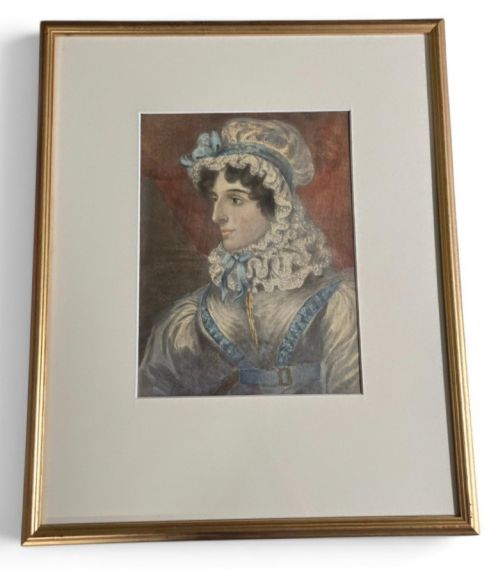
These pieces of georgian framed watercolour painting capture faces and scenes in pigment on paper, preserved behind glass in period frames.
Georgian Framed Watercolour Painting
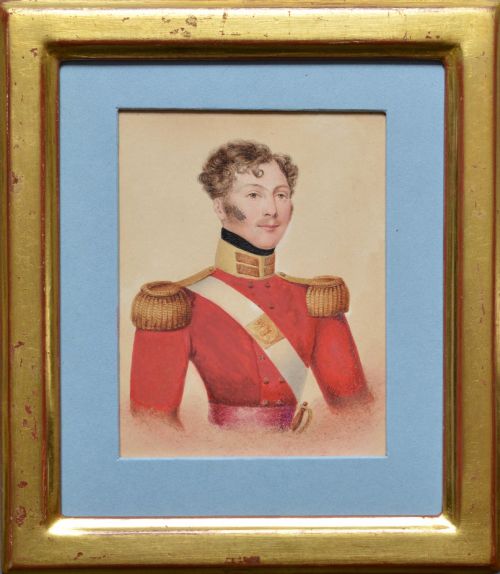
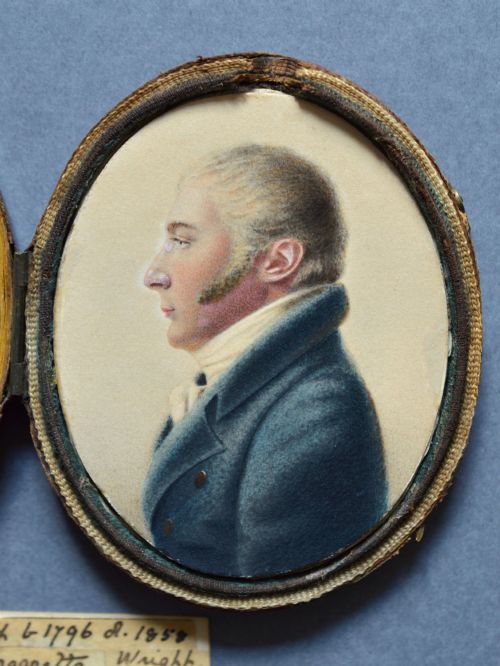
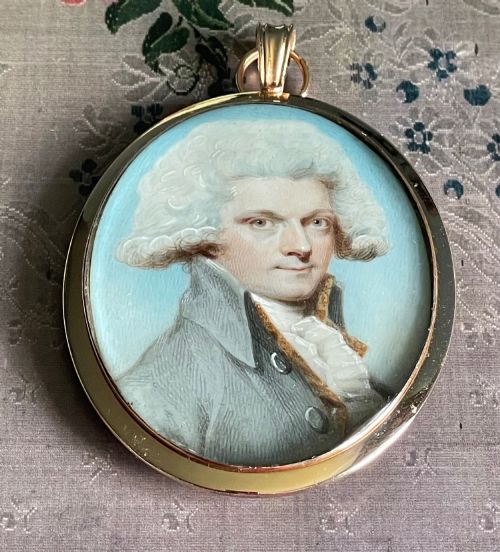
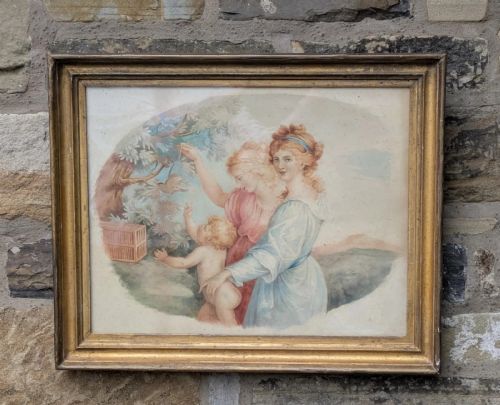
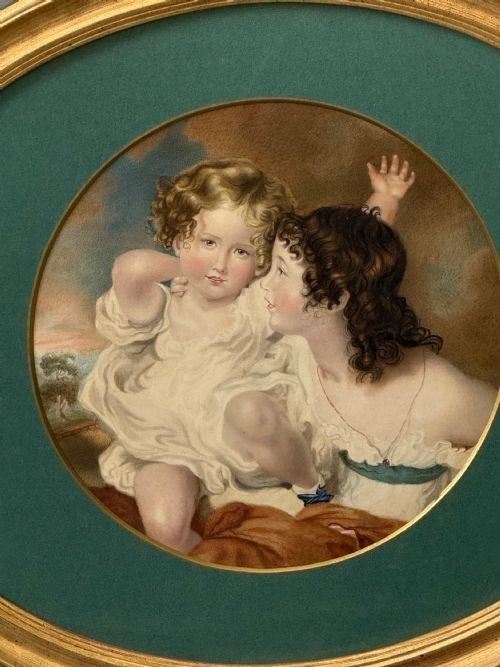
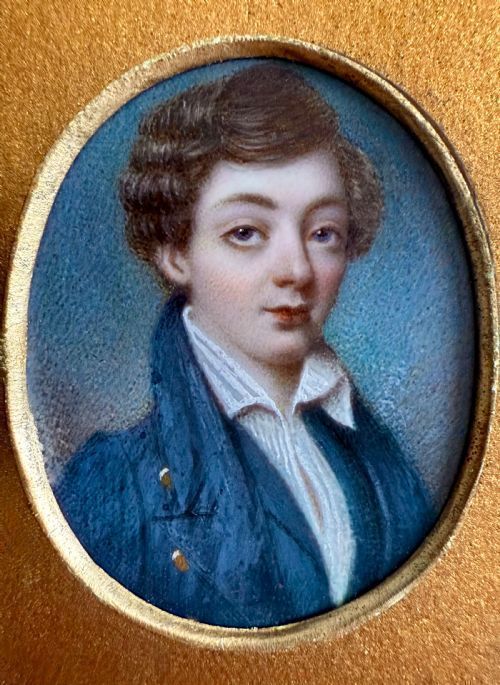
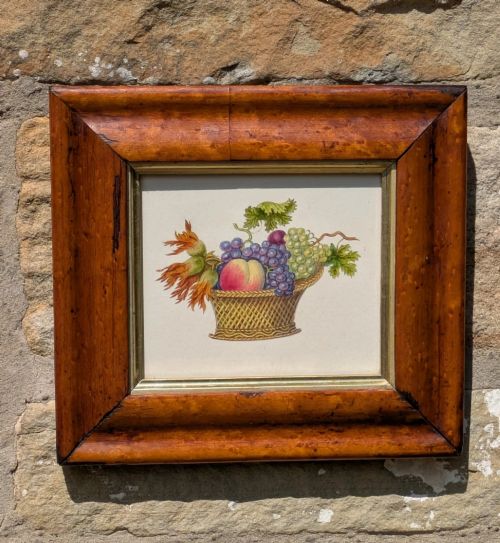
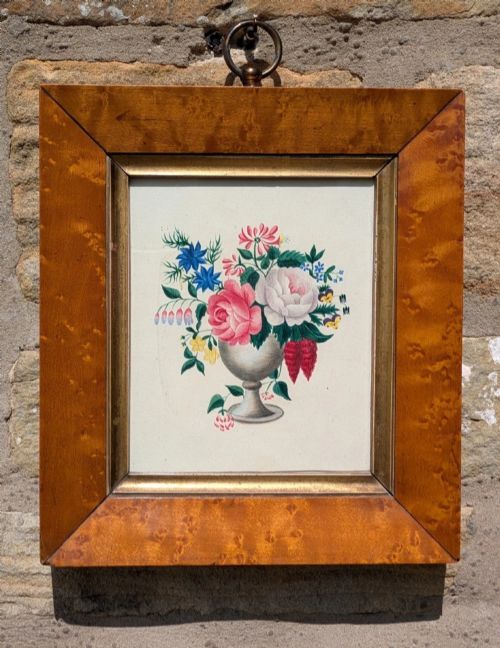
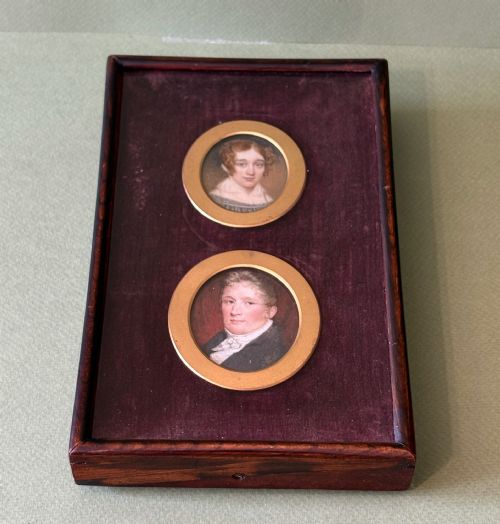
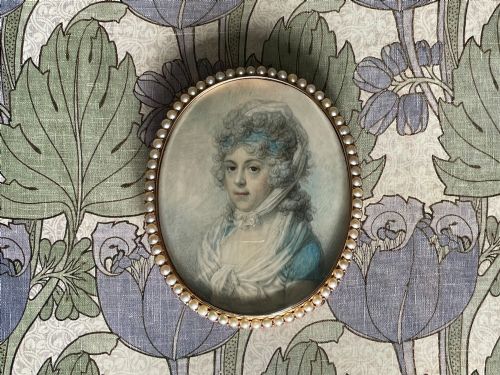
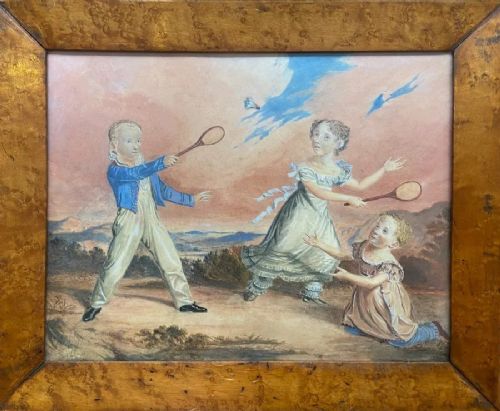
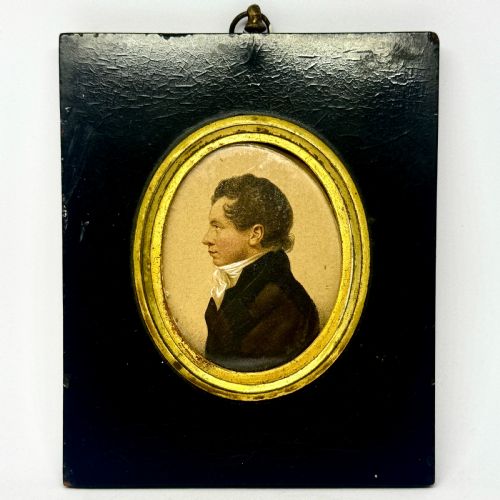
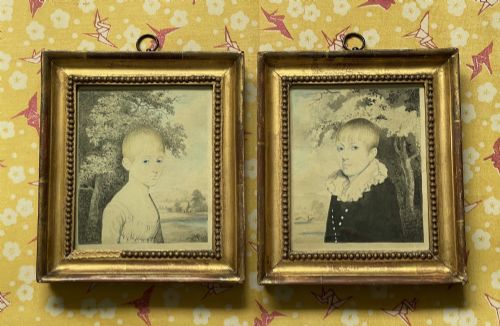
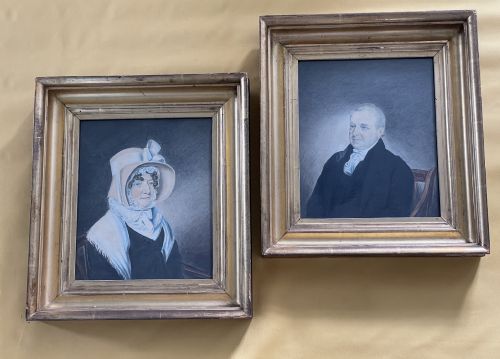
A georgian framed watercolour painting typically takes the form of a portrait miniature, depicting officers, ladies, children, and gentlemen from the eighteenth and nineteenth centuries. Buyers frequently encounter small-scale works on paper housed in original or period surrounds, ranging from solitary sitters to pairs and botanical studies.
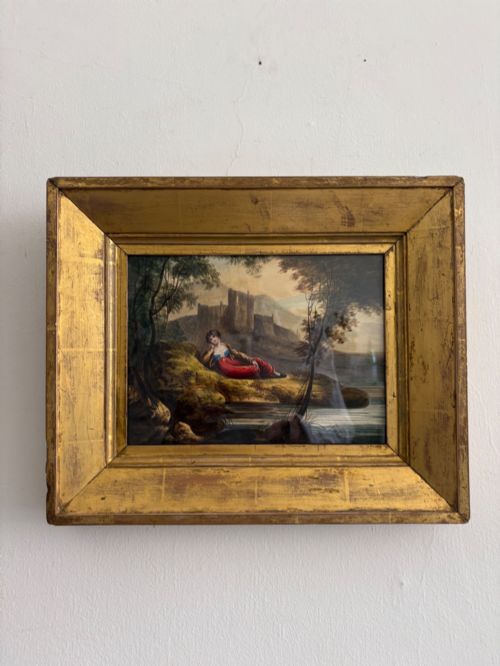
The objects span periods from the mid-eighteenth century through the Regency era and into the nineteenth century. Common subjects include military officers, young girls in white dresses, and classical scenes rendered by named artists and anonymous British or continental schools.
How They Were Made
Framing utilised materials like wood, ebonised timber, gilt metal, and giltwood to protect the paper, frequently accompanied by protective glass panels and occasionally brass stands or seed pearl ornamentation.
Framing materials recorded in current inventory include glass, gilt metal, ebonised wood, and brass.
What Varies in Quality
The finesse of the brushwork and the psychological depth of the portraiture distinguish finer works from simpler commercial output. Subtle handling of flesh tones, fabric folds, and facial expression marks the distinction.
The originality and condition of the surrounding frame also influence the character of the piece, with period giltwood, ebonised surrounds, and intact glass retaining the historical context of the painting.
Edward Bradford·Thomas John Horsley·Charles Shirreff·Richard Cosway·Henry Travis·Frederick Buck·George Kilburne·Charles Hayter·William Naish·George Engleheart·Albin R Burt·J F Marie Huet Villiers
The Georgian Framed Watercolour Painting Glossary
- Miniature painting
- A small-scale portrait or scene executed with meticulous detail, usually on ivory, vellum, or paper. These works required high magnification and steady hands.
- Watercolour
- A paint consisting of colour suspended in a water-soluble binder, used on paper to achieve translucent washes and fine linear details. It became the dominant medium for portable portraiture.
- Regency
- A stylistic period spanning the early nineteenth century, characterised by neoclassical influence, clean lines, and distinct costume details in portraiture. It follows the Georgian period directly.
- Ebonised frame
- A wooden frame stained or painted black to imitate ebony wood. Such frames provided a sharp, dark border that made miniature watercolours stand out.
- Gilt metal
- Metal treated with a thin layer of gold or gold leaf. It appeared frequently in the mountings and frames of small portrait paintings.
Georgian Framed Watercolour Painting: Frequently Asked Questions
How should I display them?
Keep these watercolours away from direct sunlight to prevent the pigments from fading over time. Position them on interior walls where light levels remain stable and moderate.
Group smaller miniatures together on a panel or place them on appropriate surfaces using fitted stands. Ensure the room humidity stays balanced to protect both the paper and the wooden frames.
Were they painted from life?
Most portrait miniatures and studies were painted directly from live sitters in the artist's studio. Portable formats allowed artists to capture likenesses for family members to carry or keep privately.
Some later or derivative pieces were copied from existing oil paintings or prints after the sitter had passed. Attributions often note if a work follows another artist's composition.
How do I identify a period frame?
Period frames feature construction methods and materials typical of the eighteenth and nineteenth centuries, such as pegged timber joints and hand-applied gilding. Ebonised finishes and heavy brass hangers often accompany Regency pieces.
Examine the reverse for old backing papers, wax seals, or handwritten inscriptions naming the sitter. Replacement modern backs or mouldings usually indicate later reframing.
What subjects are most common?
Portraits of individuals dominate the selection, including military officers, children, country gentlemen, and ladies in period dress. Botanical studies and classical narrative scenes also appear among the works on paper.
Artists frequently recorded specific regiments, family pairings, or theatrical subjects. Each piece reflects the visual tastes of its original patron.