
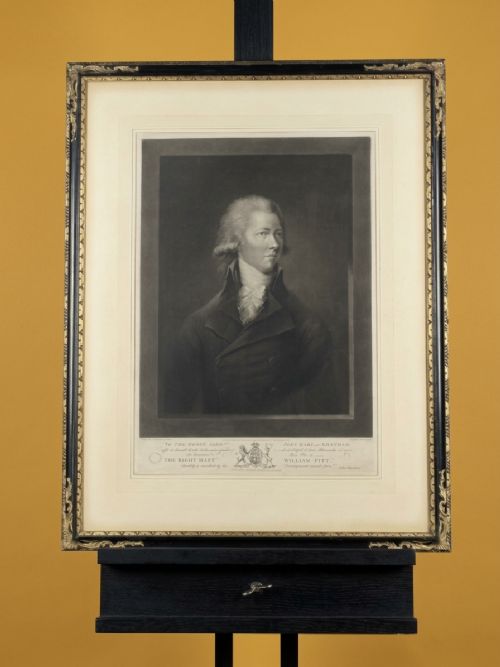

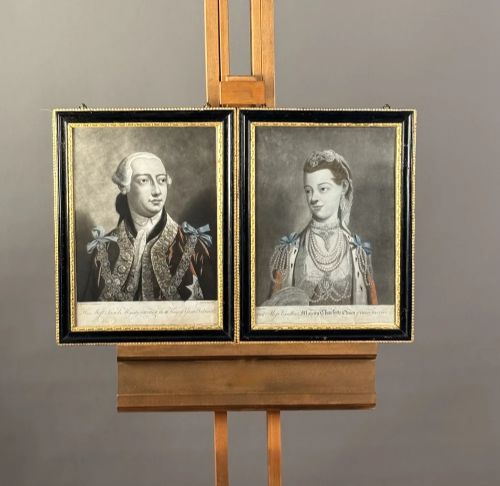
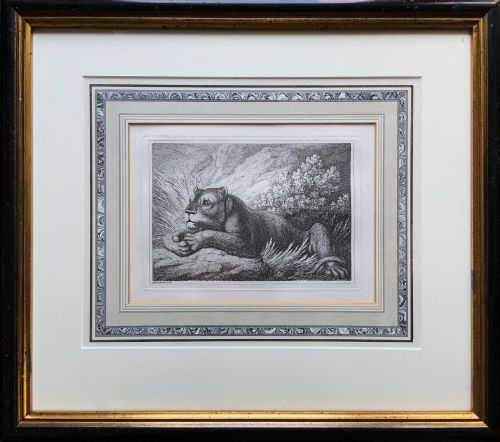
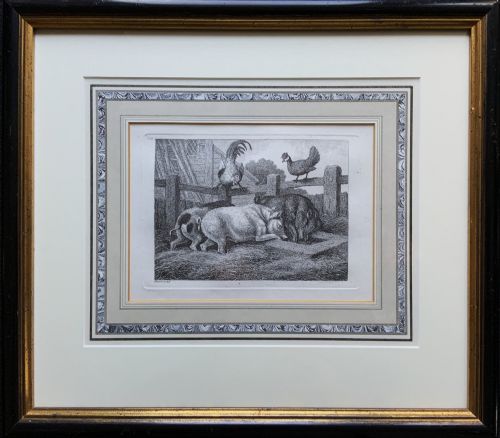
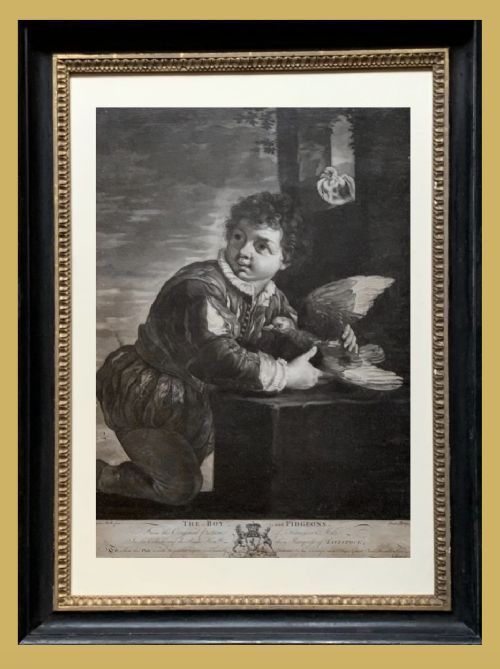
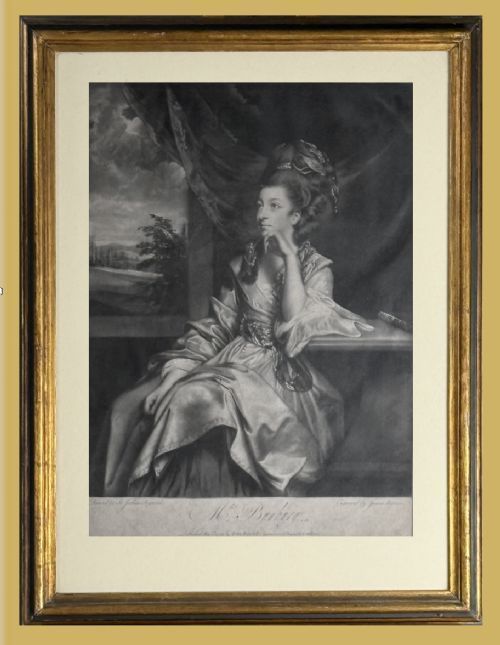
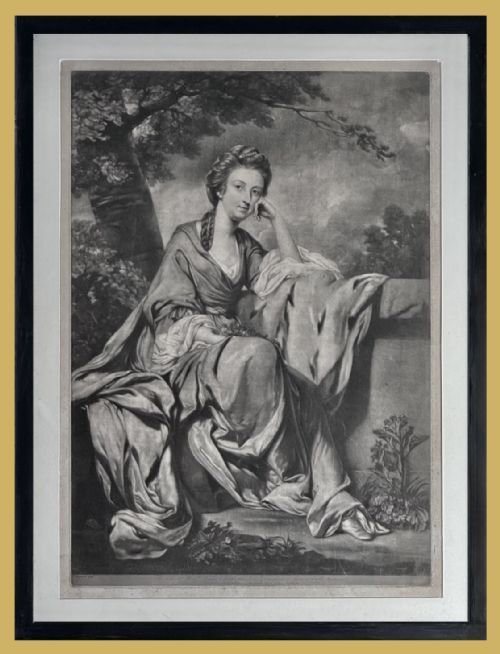
Georgian Framed Art Print
A georgian framed art print brings interior walls the tonal depth of period mezzotints, stipple engravings, and reverse glass painting.
Georgian Framed Art Print
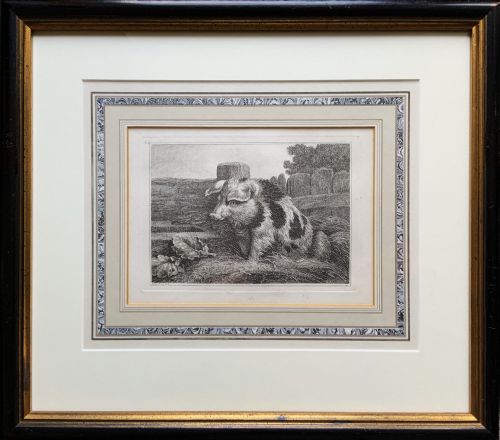
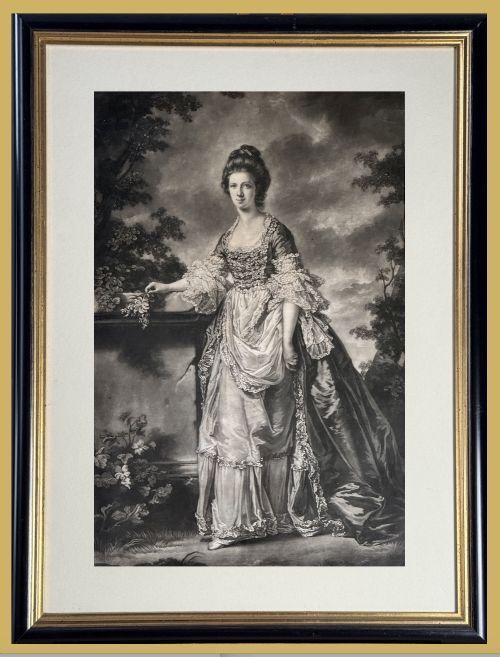
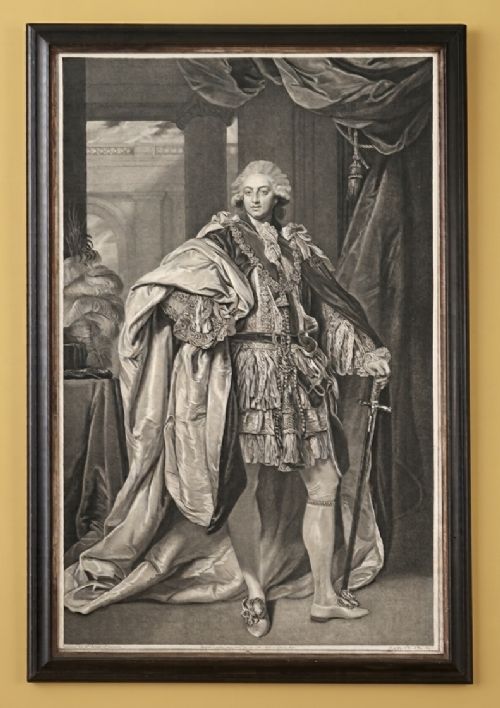
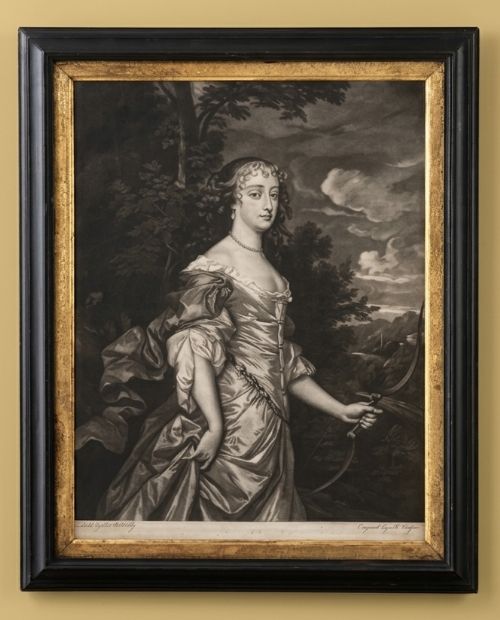
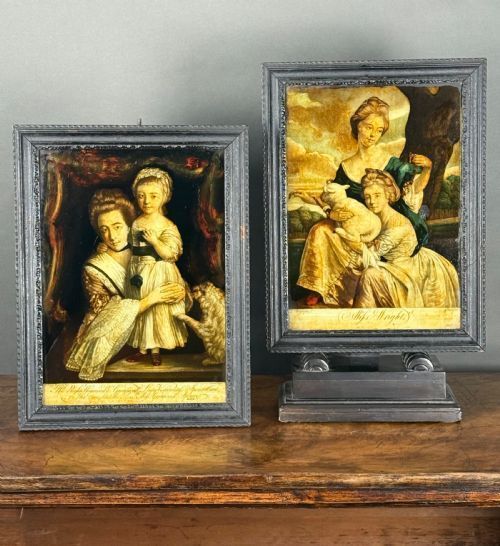
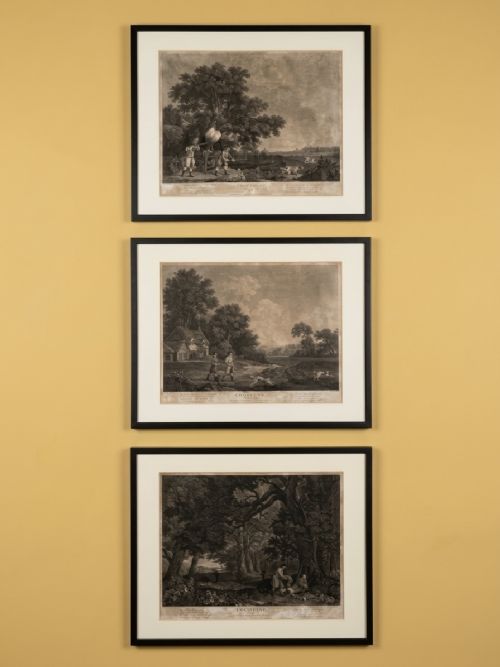
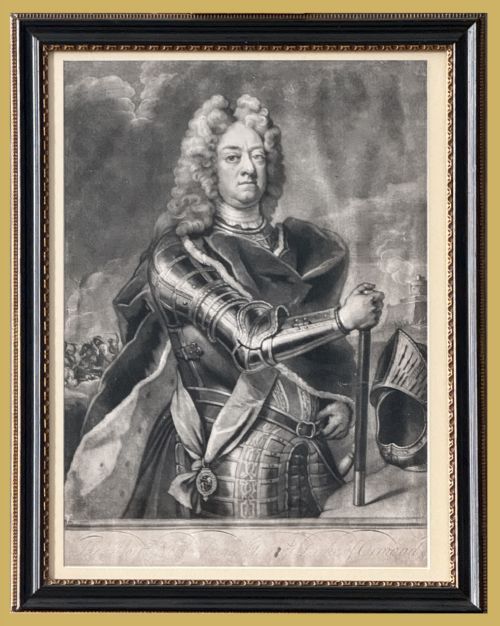
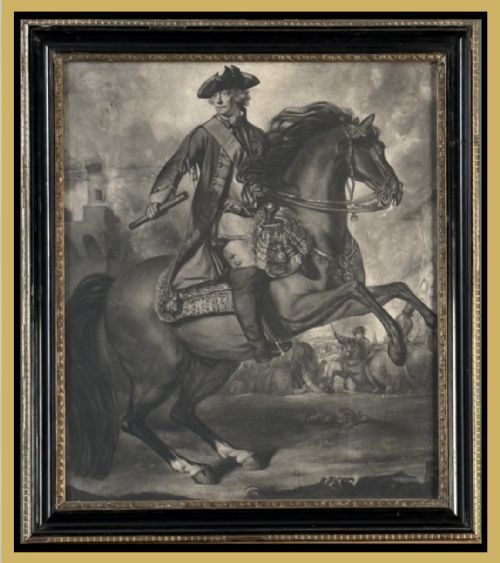
The search for a georgian framed art print centres on works on paper executed during the eighteenth century and the Regency period, encompassing aristocratic portraiture, allegorical scenes, and architectural views. Most examples found here are mezzotints and engravings published by printmakers working after major painters such as Sir Joshua Reynolds and Sir Godfrey Kneller.
The subjects range from royal figures and nobility to classical mythologies, theatrical performers, and botanical studies. These prints are typically housed within timber mouldings finished in gold leaf, giltwood, or plain wood matching the period of the image.
How They Were Made
Printmakers utilised copper plates to produce mezzotints and stipple engravings, working ink into roughened surfaces or stippled dots to create subtle tonal gradations. Selected pieces received hand colouring directly upon the paper or were executed as reverse glass paintings where pigments and ink met the glass surface before framing.
Makers encased these sheets behind glass within timber frames, applying layers of gold leaf or giltwood to the mouldings. The construction relies on traditional joinery methods appropriate to the eighteenth and nineteenth centuries.
Listings feature paper, glass, wood, ink, and gold leaf combined across eighteenth-century and Regency periods.
What Varies in Quality
Framing integrity alters the overall balance, distinguishing original or period matching giltwood surrounds from later replacements. The preservation of the paper surface, minimal staining, and the survival of early hand colouring contribute to the distinction between standard examples and superior survivals.
Francesco Bartolozzi·John Boydell·Edward Fisher·Valentine Green·James Watson
The Georgian Framed Art Print Glossary
- Mezzotint
- A printmaking process where the copper plate is roughened with a rocker to hold ink and produce dark tones with smooth gradations. This technique was favoured for reproducing oil paintings with deep shadows.
- Stipple engraving
- A method using dots of varying density applied to a copper plate to form images without continuous lines. It creates soft flesh tones particularly suited to portraits.
- Reverse glass painting
- An artwork created by applying pigment and ink to the back of a glass sheet and viewing it from the front. This delicate technique protected the colours from fading and dust.
- Giltwood
- Timber carved and coated with a thin layer of gold leaf or metallic powder. It provided reflective frames for eighteenth-century portraiture.
- Plate mark
- The indentation left on paper by the edge of the copper plate during the printing press operation. Its presence confirms an authentic antique print impression.
Georgian Framed Art Print: Frequently Asked Questions
What is a mezzotint?
A mezzotint is an intaglio printmaking method where the copper plate is pitted evenly to hold ink, producing rich dark backgrounds and smooth tonal shifts. This process allowed printmakers to replicate the painterly qualities of oil portraits.
Printers smoothed specific areas of the plate to create highlights, giving the finished print its characteristic atmospheric depth.
How do I identify a period frame?
Period frames often display hand-carved wooden construction joined at the corners with traditional pegs or mitres beneath the gilded layers. Close inspection reveals gesso shrinkage and wear patterns consistent with age.
Later replacements usually show modern fixings, machine-cut mouldings, or synthetic gilding materials that lack historical patina.
Are these prints hand coloured?
Selected prints feature original hand colouring applied with watercolour or pigment directly onto the paper after printing. Botanical studies and topographical views frequently received this treatment to mimic natural hues.
Monochrome portraits generally relied entirely on the ink tones of the plate rather than added pigments.
How should I care for framed paper?
Framed paper works require placement away from direct sunlight and damp environments to prevent fading of ink and foxing spots. Stable indoor temperatures protect both the fragile paper fibres and the wooden frame construction.
Glazing shields the surface from dust, while backing boards should allow proper ventilation without trapping moisture.