



Georgian Floral Ceramic Pitcher
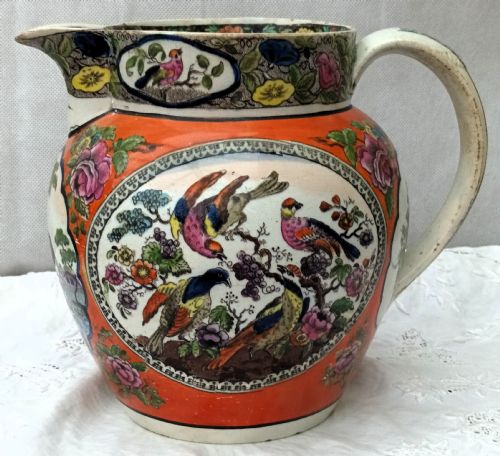
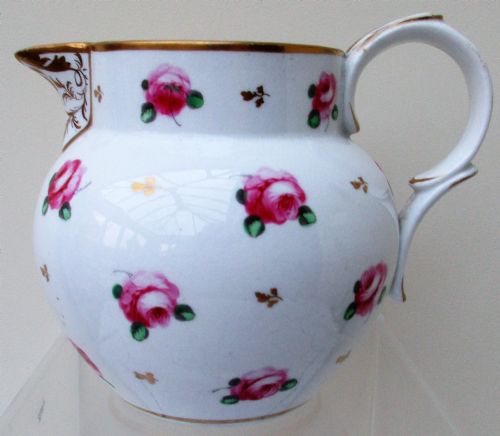
A georgian floral ceramic pitcher brings painted botanical motifs and classic earthenware or porcelain forms straight from the late eighteenth and early nineteenth centuries to your table.
Georgian Floral Ceramic Pitcher
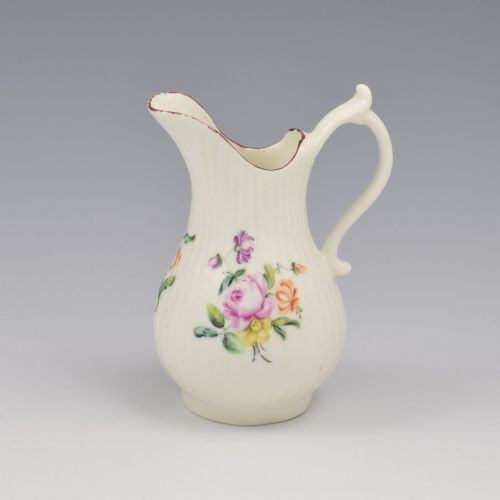
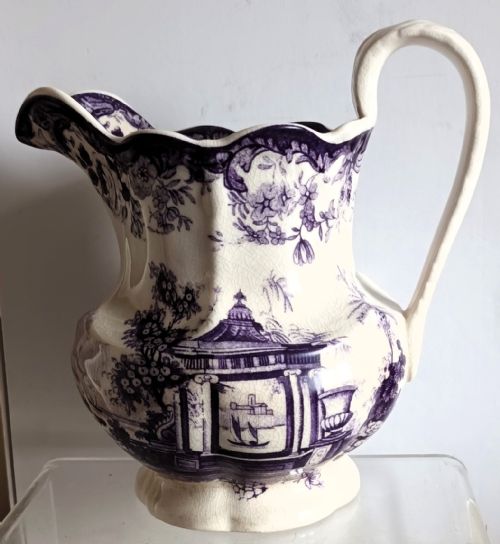
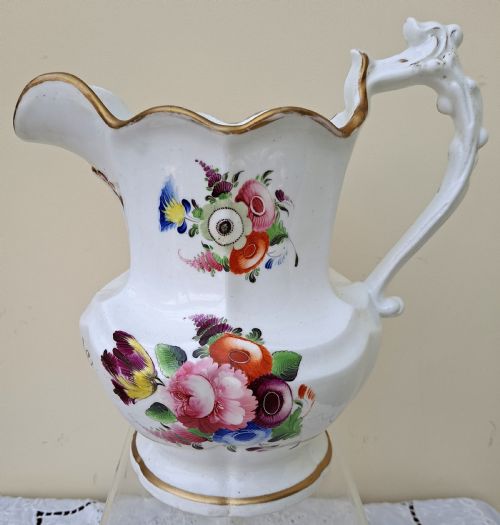
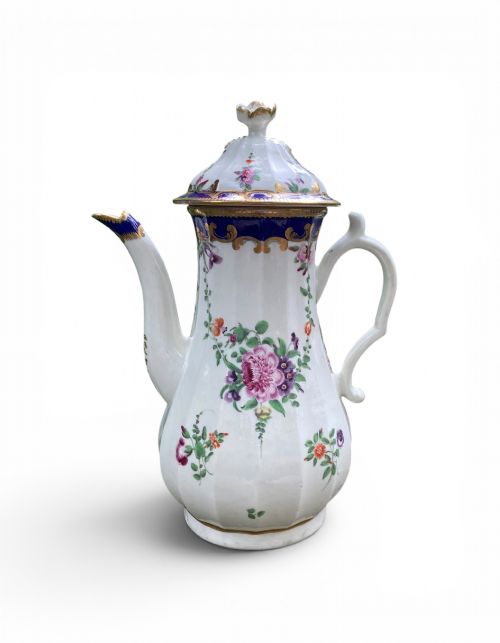
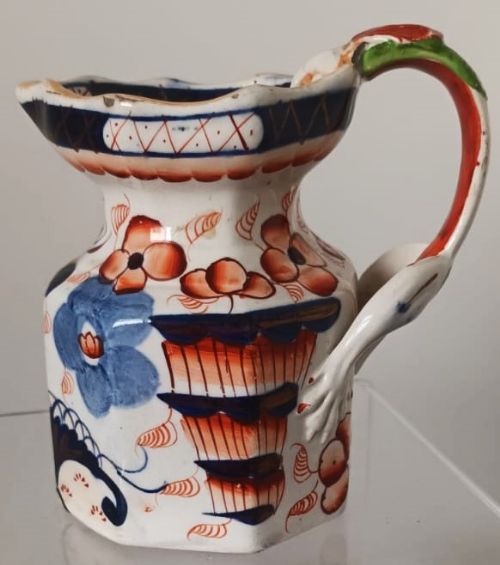
When you search for a georgian floral ceramic pitcher, you encounter earthenware, pearlware, and porcelain vessels created during the Georgian and early Victorian eras. These range from small cream jugs and low Chelsea ewers to large one-gallon pottery jugs and coffee pots.
The most likely versions to meet on this page are cream jugs and transfer-printed or hand-painted pitchers featuring floral patterns from Staffordshire, New Hall, or Coalport. Many examples display transitional designs from the late eighteenth century alongside robust ironstone and delftware pieces.
Materials and manufacture
Potters shaped these vessels using earthenware, pearlware, soft-paste porcelain, and ironstone, often applying cabbage leaf moulding or mask head details to the body. Hand-applied handles, such as clip handles, were attached before firing the clay.
Decoration relied on underglaze blue and white transfer printing, enamel paints, and occasional gold leaf highlights. Glazes varied from fresh tin glazes on delftware to bright lead glazes on pearlware and earthenware.
Georgian Floral Ceramic Pitcher Retail Price Guide 2026
Typical asking prices for georgian floral ceramic pitcher among the pieces listed under this phrase on Sellingantiques today, from the lower quarter to the upper quarter. They describe what is for sale here now, not the wider market.
Listings feature eighteenth and nineteenth-century periods, utilising materials such as soft-paste porcelain, pearlware, ironstone, and enamel.
Assessing quality and execution
Quality rests in the crispness of the moulding, such as the depth of cabbage leaf reliefs or mask heads, and the precision of the hand-painting or transfer printing. Early porcelain bodies and fine pearlware demonstrate superior refinement compared to heavier utility earthenwares.
The sophistication of the floral decoration and the clarity of the glaze also separate standard utility pieces from fine cabinet specimens. Makers such as Derby and New Hall achieved notable delicacy in their potting and enamel work.
John Baley·John Rose Coalport·New Hall·Crown Derby·Mason's Ironstone
The Georgian Floral Ceramic Pitcher Glossary
- Pearlware
- A refined earthenware developed in the late eighteenth century featuring a thin glaze with a faint bluish tinge that pooled in crevices. It successfully imitated Chinese export porcelain.
- Soft-paste porcelain
- A ceramic body composed of clay and glass frit, fired at lower temperatures than hard-paste porcelain. It yields a warm, creamy translucency common in eighteenth-century tea wares.
- Ironstone
- A heavy, durable type of earthenware patented in the early nineteenth century to resist chipping. It provided a sturdy surface for vibrant transfer-printed floral patterns.
- Transfer printing
- A decoration technique where an engraved copper plate transfers a design onto tissue paper, which is then stamped onto the ceramic body before glazing. This allowed complex botanical and floral scenes to be reproduced rapidly.
Georgian Floral Ceramic Pitcher: Frequently Asked Questions
How do I date a georgian floral ceramic pitcher?
Dating relies on identifying the ceramic body, such as soft-paste porcelain versus ironstone, and recognising period stylistic traits like cabbage leaf moulding. Hand-painted patterns and transfer print styles also point to specific decades between the mid-eighteenth and early nineteenth centuries.
Markings, where present, help confirm the factory of origin, though many early pieces relied purely on distinctive potting techniques and glaze characteristics for identification.
Were these pitchers used for daily dining?
Smaller vessels functioned primarily as cream jugs or milk jugs for tea service, while larger examples held water, beer, or cider for the table. Coffee pots were designed to brew and serve hot beverages directly.
Sturdier earthenware and ironstone versions handled everyday household tasks, whereas delicate porcelain cream jugs served formal tea tables and drawing rooms.
What is the difference between pearlware and earthenware?
Pearlware is a refined, whiter variant of earthenware developed to mimic Chinese porcelain. Its distinct glaze formula causes a characteristic bluish pooling around handles and mouldings.
Standard earthenware uses a more porous, darker clay body and often carries heavier tin or lead glazes, particularly in older delftware pieces.
Can I use an antique pitcher for serving liquids?
Many antique ceramic pitchers remain structurally sound for holding liquids, though historic glazes and hairline cracks require careful handling. Hand washing in warm water preserves the fragile enamels and gold leaf.
Most collectors prefer to display these pieces as decorative objects or dry flower vases to protect the historical surface from staining.