


Georgian Floral Bone China
Georgian floral bone china brings botanical handpainted artistry and gilded elegance directly to your tea table.
Georgian Floral Bone China
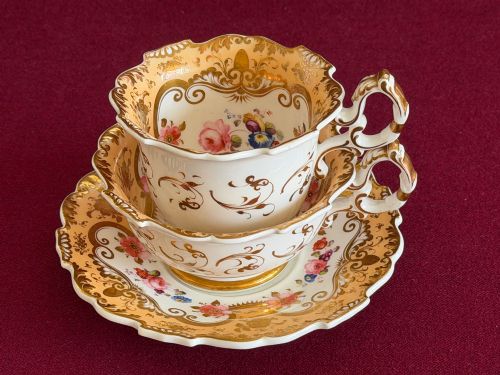
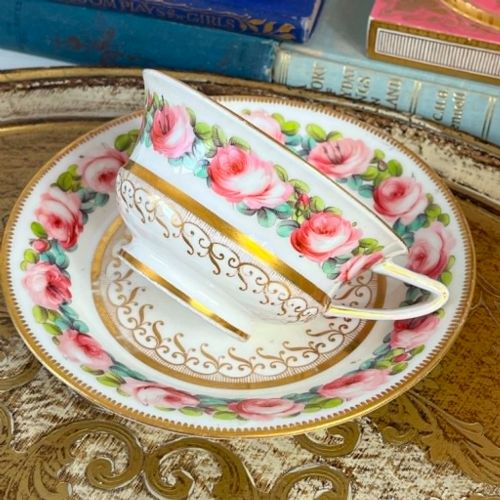
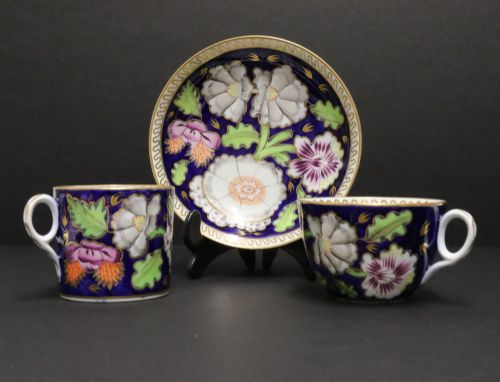
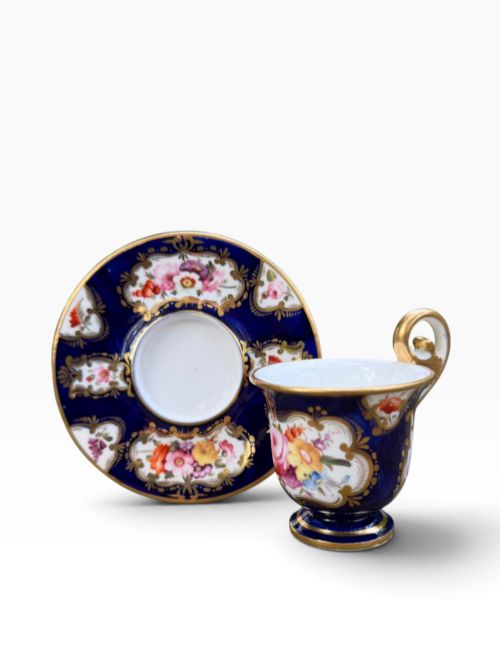
When searching for georgian floral bone china, collectors encounter a refined selection of early nineteenth-century ceramics including teacups and saucers, cabinet trios, botanical serving dishes, and decorative baskets. These domestic and display pieces span the Georgian, Regency, and early nineteenth-century periods, capturing a distinct era of British ceramic achievement.
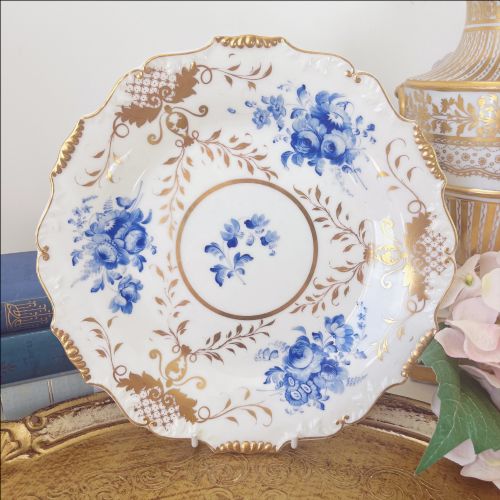
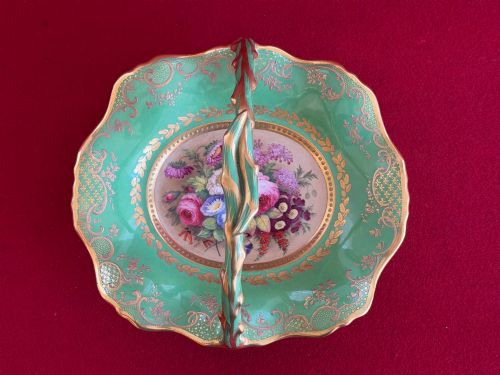
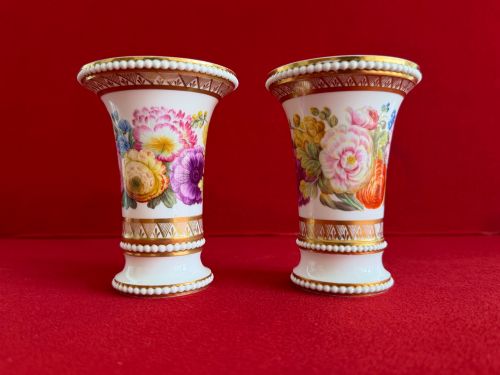
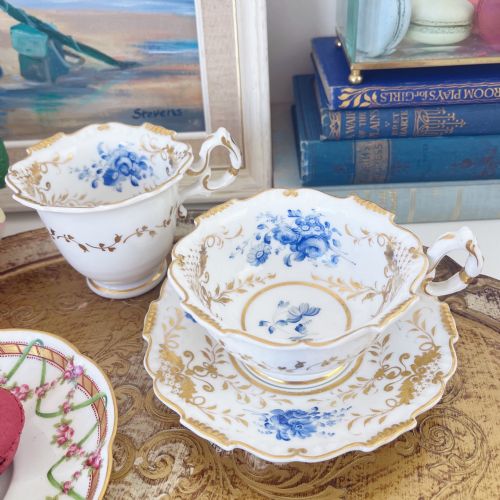
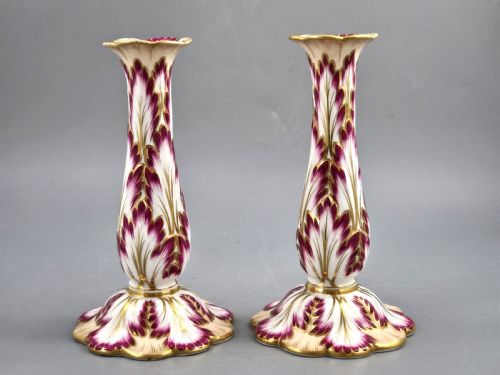
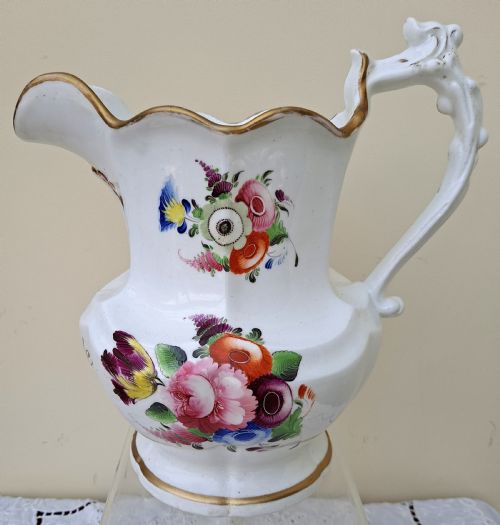
The objects most frequently met on this page are teacups and saucers alongside cabinet cups, plates, and spill vases. They showcase botanical motifs, handpainted floral arrangements, and cabbage roses, often enriched with gold leaf and enamel glazes across various Regency and Georgian forms.
Materials and methods of manufacture
Potters utilised bone china and porcelain as the primary body for these items, shaping them into tableware, spill vases, and decorative baskets. This ceramic base allowed for delicate wall thickness while maintaining structural integrity during high-temperature kiln firings.
Craftsmen applied enamel glazes and handpainted botanical designs, subsequently embellishing the surfaces with gold leaf, gilding, and gold gilt accents. These decorative layers required multiple firings to bond the metallic highlights and vibrant colours securely to the porcelain body.
Evaluating quality in early ceramics
The finesse of the handpainted botanical decoration distinguishes standard production from exceptional works. Precise brushwork in floral motifs and detailed handling of enamel colours reveal the skill of the painter.
The application and preservation of the gilding and gold leaf also separate pieces. Rich, burnished gold accents that remain intact without excessive rubbing elevate the visual harmony of the porcelain form.
H and R Daniel·Samuel Alcock·Spode·Davenport·Newhall·Coalport·Ridgway·John Baley·Minton·Chamberlain Worcester·Yates·Flight Barr and Barr·Thomas Steel·Bloor Derby
The Georgian Floral Bone China Glossary
- Bone china
- A type of porcelain incorporating bone ash, which yields a strong, translucent body suitable for delicate tea wares.
- Cabinet trio
- A matched set comprising a teacup, coffee cup, and saucer, typically intended for display in a cabinet rather than daily use.
- Enamel glaze
- A fused glass mixture applied to ceramics to provide colour, shine, and a protective barrier over handpainted decoration.
- Gold gilt
- A thin layer of gold applied to the surface of porcelain to highlight rims, handles, and painted borders.
- Spill vase
- A small, cylindrical container designed to hold wooden spills used for lighting candles or fires.
Georgian Floral Bone China: Frequently Asked Questions
Were these items used daily?
Many teacups, trios, and plates saw regular use in fashionable Georgian and Regency households for taking tea or serving desserts. Wealthy families often reserved more ornate cabinet cups and decorative baskets exclusively for display.
Over time, utilitarian pieces frequently transitioned from dining rooms to drawing-room cabinets as domestic habits evolved.
How do I distinguish Regency from Georgian pieces?
The Georgian period spans a broad era, whereas the Regency style specifically reflects the distinct architectural and decorative tastes of the early nineteenth century. Regency ceramics often feature bolder enamel colours, crisp gilding, and classical revival forms.
Examining pattern numbers and factory marks helps narrow down the production window alongside stylistic indicators.
What is a coffee can?
A coffee can is a straight-sided, cylindrical cup manufactured without a traditional handle, popular during the late eighteenth and early nineteenth centuries. They were designed for drinking strong black coffee after meals.
Potters often paired them with matching saucers as part of a breakfast or dessert service.