

Georgian Female Fine Art
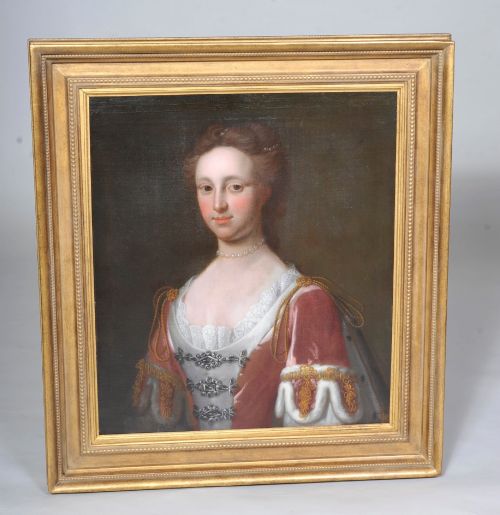
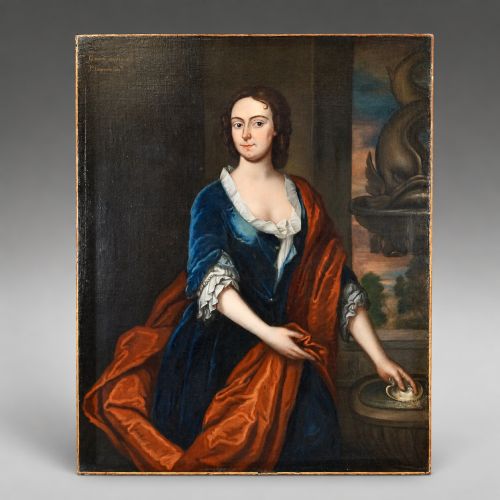
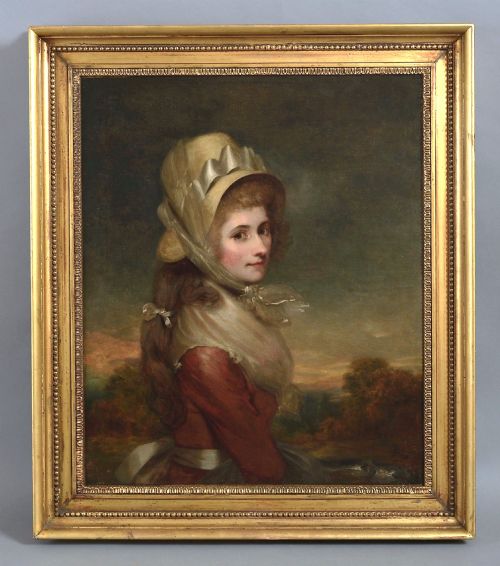
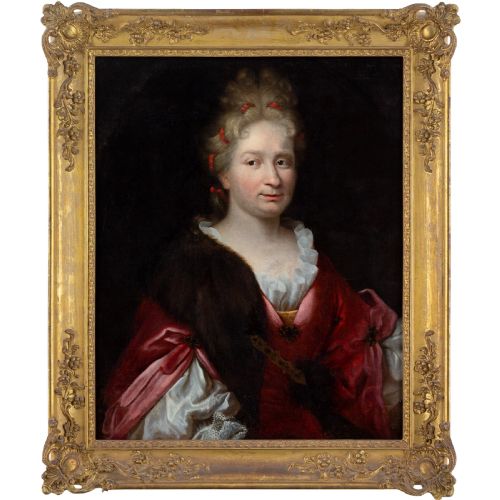
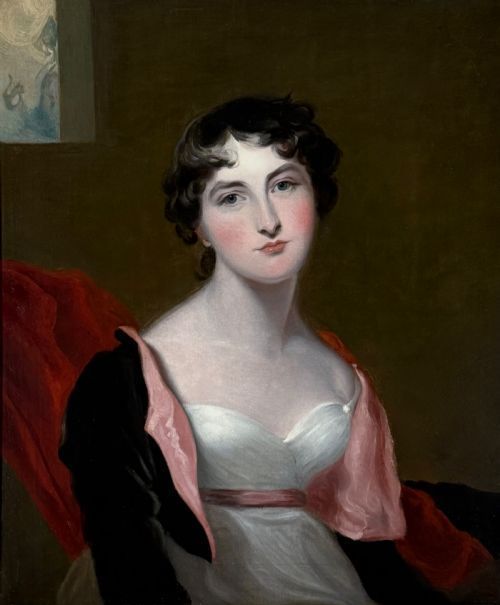
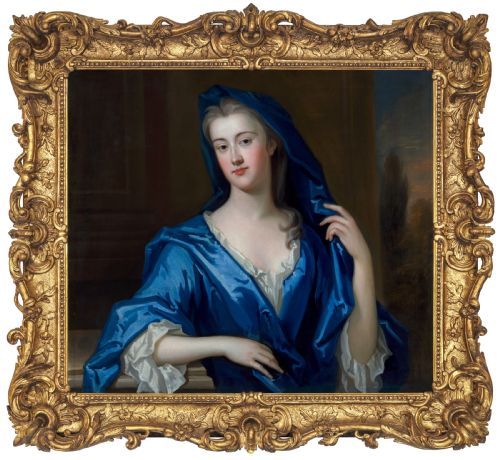
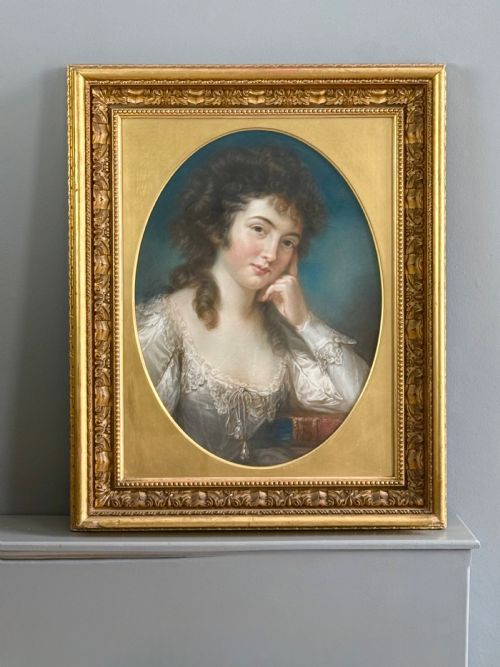
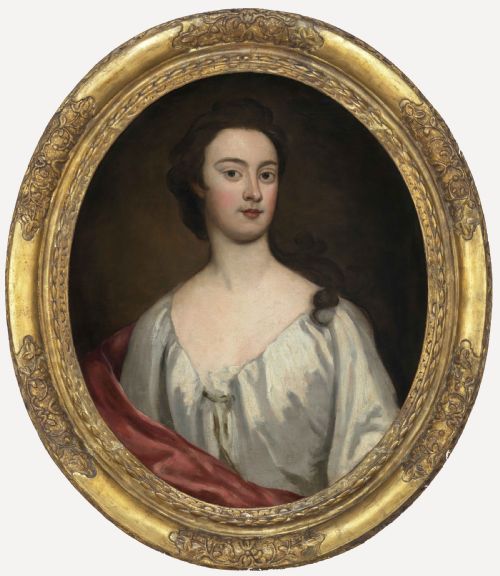
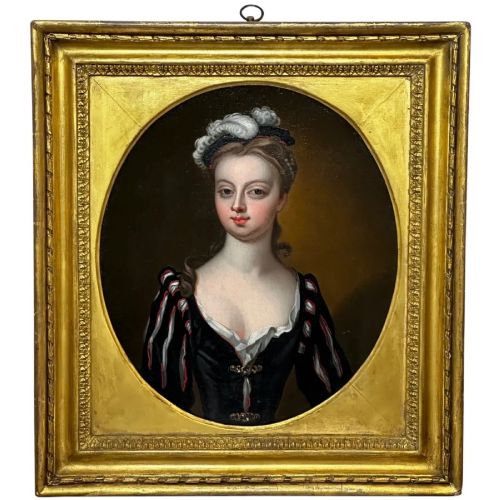
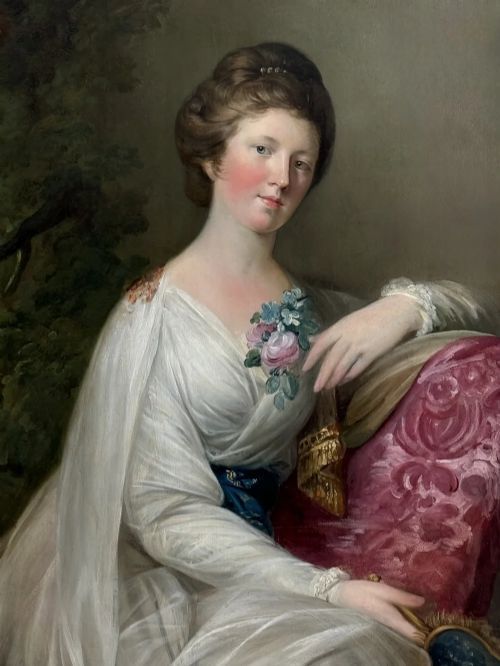
Georgian female fine art captures the elegance of eighteenth and nineteenth-century society through striking portraits of women rendered in oil, pastel, and watercolour.
Georgian Female Fine Art
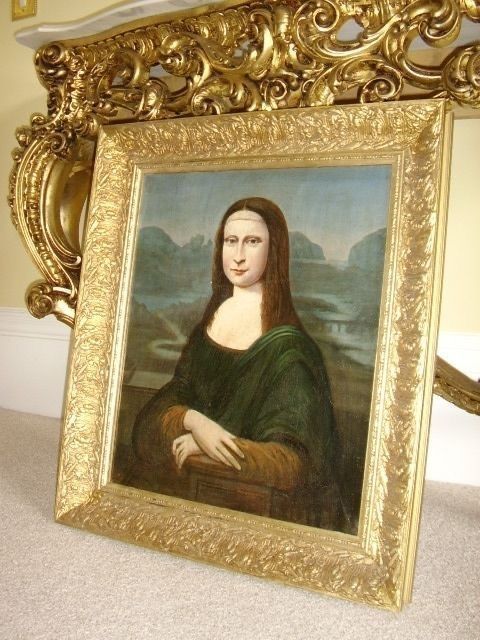
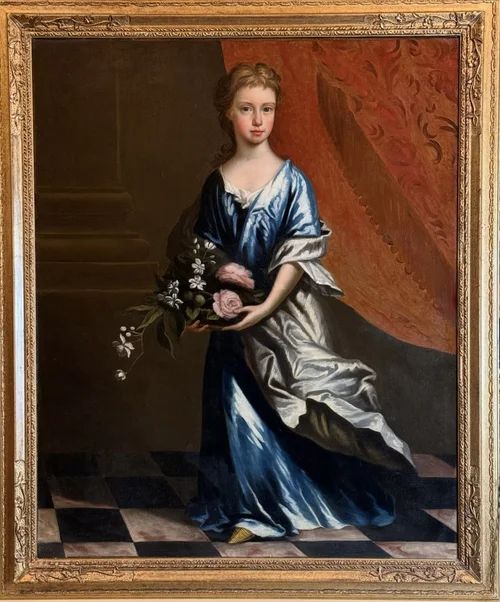
When you search for georgian female fine art, you encounter oil on canvas paintings, delicate pastels, and detailed portrait miniatures depicting ladies, countesses, and country girls. These works span the eighteenth century, the Regency era, and the Victorian period, reflecting evolving tastes in portraiture.
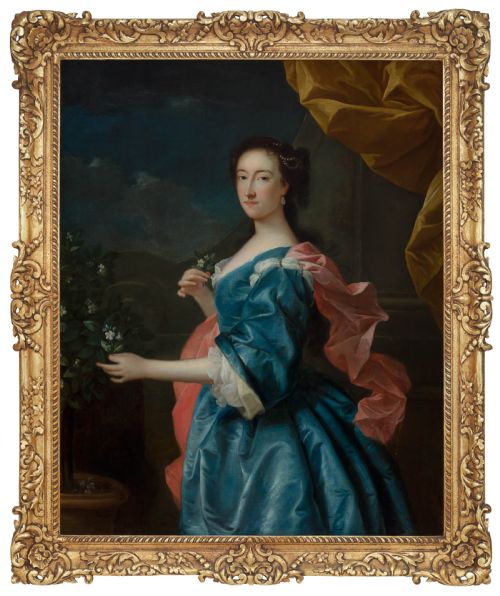
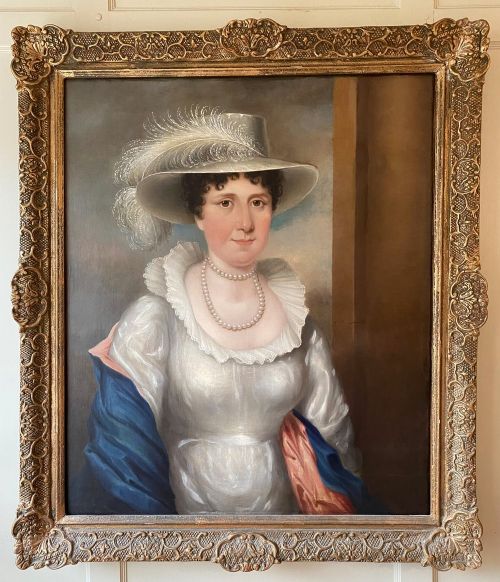
The subjects appear seated in landscapes, wearing silk dresses, lace caps, or bonnets, often accompanied by symbolic elements such as orange trees or ribbons. You are most likely to meet unsigned oils and attributed works originating from British and European schools.
Compositions range from intimate cabinet pieces to large canvases framed in giltwood or ebony. Each piece preserves the likeness and social standing of female subjects through the skilled hand of period artists and their studios.
Materials and techniques
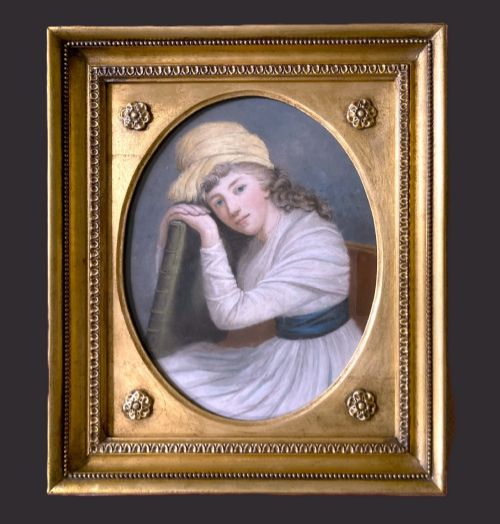
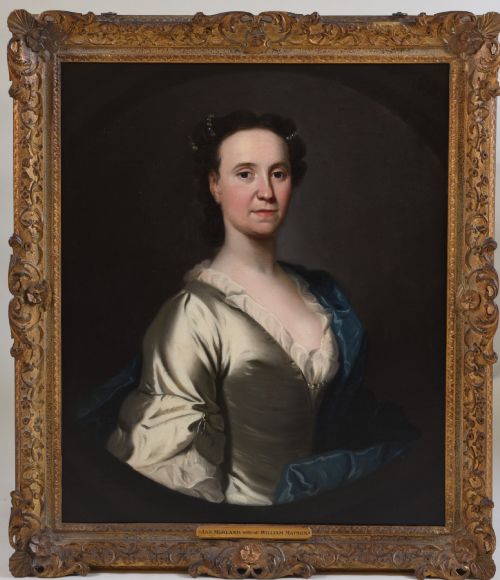
Artists applied oil paint to stretched canvas or wood panels, building rich textures for silk garments and powdered hair. Pastels and gouache on paper offered a softer medium, capturing delicate facial tones and the fine grain of skin.
Mezzotint engravings and plumbago drawings utilised meticulous lines and tonal shading to replicate painted portraits for broader appreciation. Original frames of gilded wood or carved ebony complemented the visual weight of the art.
Georgian Female Fine Art Retail Price Guide 2026
Typical asking prices for georgian female fine art among the pieces listed under this phrase on Sellingantiques today, from the lower quarter to the upper quarter. They describe what is for sale here now, not the wider market.
Several ladies gaze outward holding orange blossoms, a subtle eighteenth-century visual code for fertility and virtue.
Factors that distinguish quality
The fidelity of facial expression and the convincing fall of light across fabric separate masterworks from routine studio output. Hand placement, the rendering of lace, and anatomical proportion reveal the competence of the painter or the follower who executed the work.
Condition plays a vital role, preserving the integrity of the original paint layer or pastel dust without excessive overpainting. The originality of the period frame often indicates the historical care given to the portrait.
Sir Martin Archer Shee·George Willison·Jeremiah Davison·Thomas Beach·Sir Thomas Lawrence·Sir Allan Ramsay·Valentine Green·Sir Joshua Reynolds·Adriana Verelst·Henry Pickering·Nicolas Freese·Albin R Burt·Louis William Desanges·John Raphael Smith
The Georgian Female Fine Art Glossary
- Plumbago
- A drawing executed in graphite, taking its name from the Latin word for lead ore. These works offer remarkable linear precision in monochrome.
- Mezzotint
- A printmaking method where the copper plate is roughened to achieve rich dark tones and subtle gradations of light. It gained popularity for reproducing oil paintings.
- Giltwood
- Wood carved and coated with a thin layer of gold leaf or powder. It provides a reflective, ornate border for formal portraits.
- Attributed to
- A designation used when a work shows the style and technique of a known master but lacks definitive documentation or signature.
- Pastel
- A medium consisting of powdered pigment and a binder, shaped into sticks. It permits vibrant, velvety colour application on paper support.
Georgian Female Fine Art: Frequently Asked Questions
What is georgian female fine art?
These works comprise period paintings and drawings focusing on women from the eighteenth and nineteenth centuries. They record the fashions, status, and artistic styles of the era.
Subjects range from aristocrats to country girls, captured by portraitists working in oils, pastels, and watercolours.
How were these portraits displayed?
Period homes hung these paintings in reception rooms, galleries, and private chambers to display lineage and taste. Heavy giltwood or dark wooden frames gave the canvases architectural presence.
Smaller works like miniatures were kept in personal spaces or carried as tokens of affection.
How do I care for antique portraits?
Protect oil paintings and pastels from direct sunlight to prevent the fading of pigments and degradation of canvas or paper. Maintain stable indoor humidity to avoid cracking in the paint layers.
Keep glass-fronted frames clean and avoid hanging pieces near heat sources.
How can I tell the period?
Costume details, hairstyles, and framing styles provide the clearest clues to a painting's era. High powdered wigs and sack-back gowns point to the early eighteenth century, while bonnets and simpler silks suggest the Regency or Victorian periods.
Canvas preparation and stretcher construction also help date the physical object.