


Georgian Era Painting
A georgian era painting captures the likenesses, landscapes, and classical scenes recorded across the eighteenth and nineteenth centuries.
Georgian Era Painting
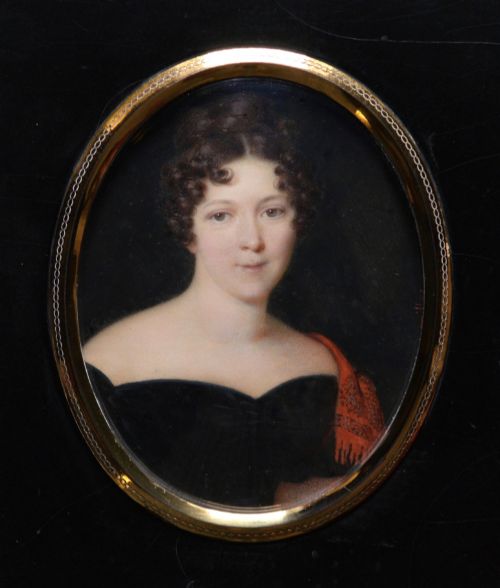
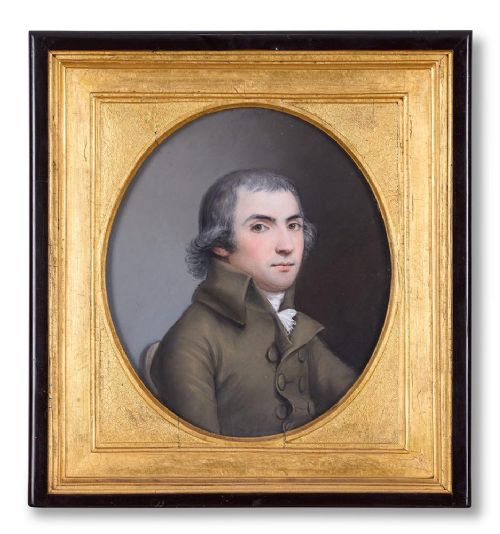
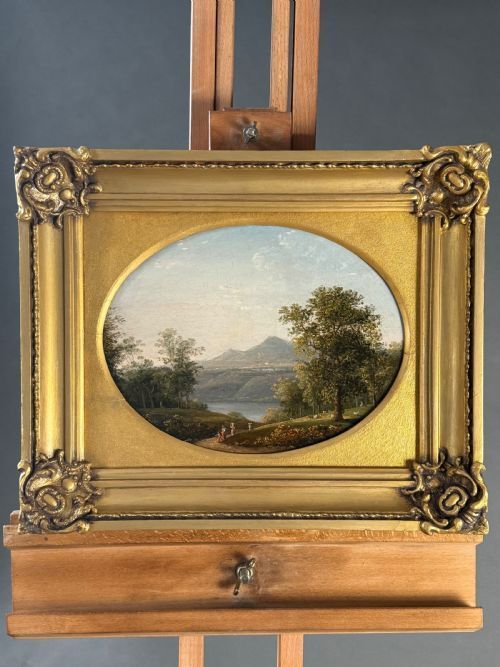
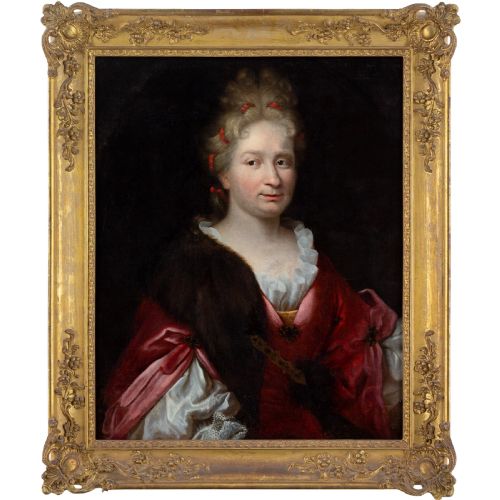
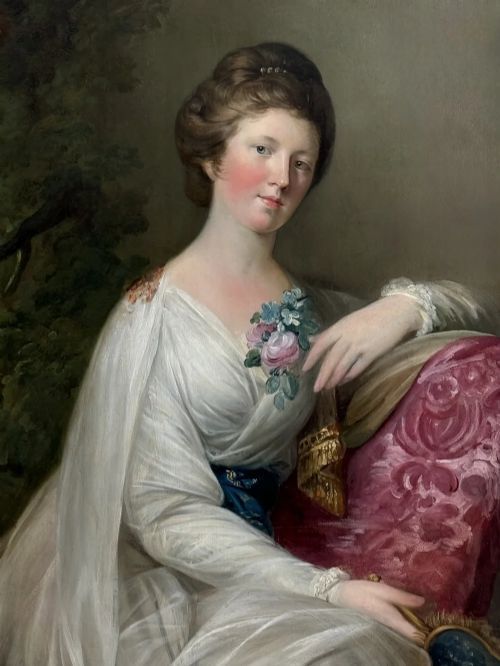
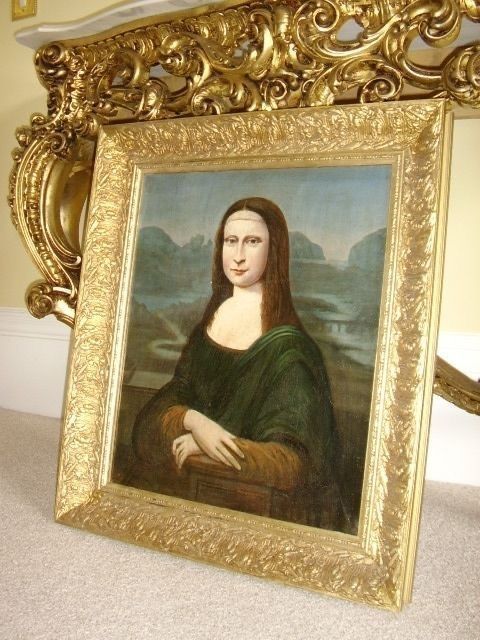
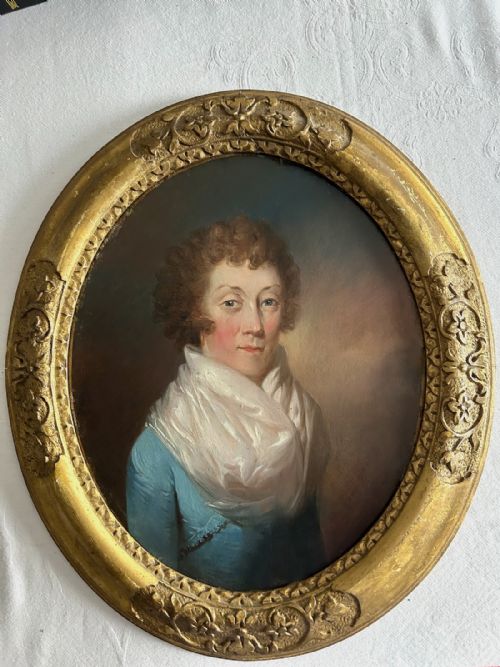
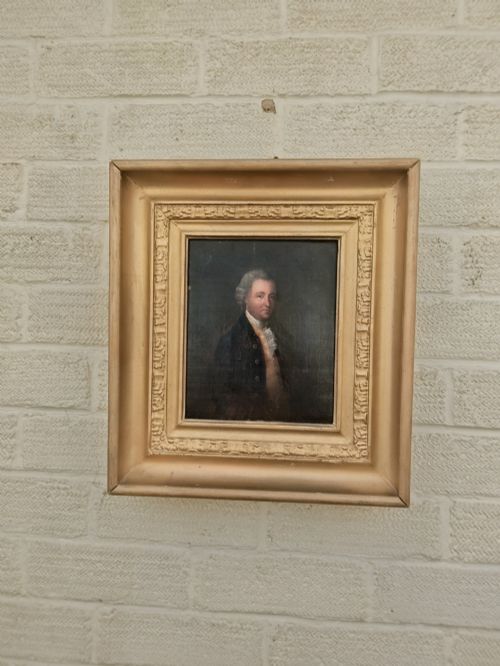
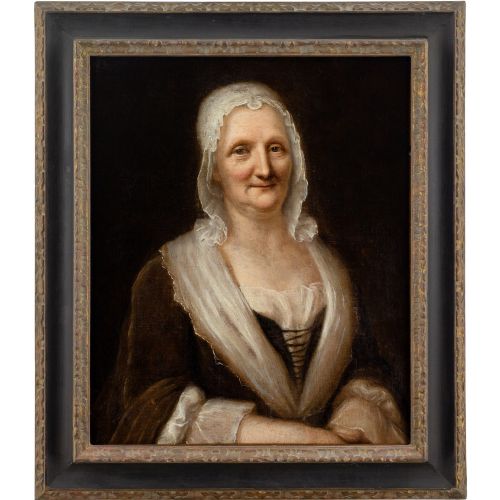
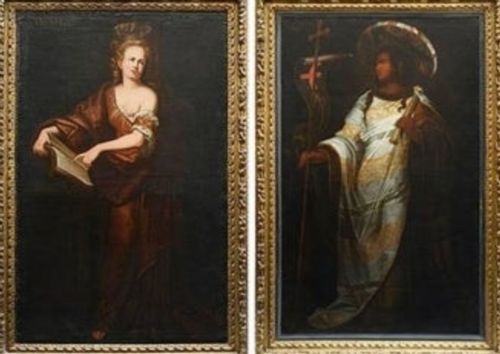
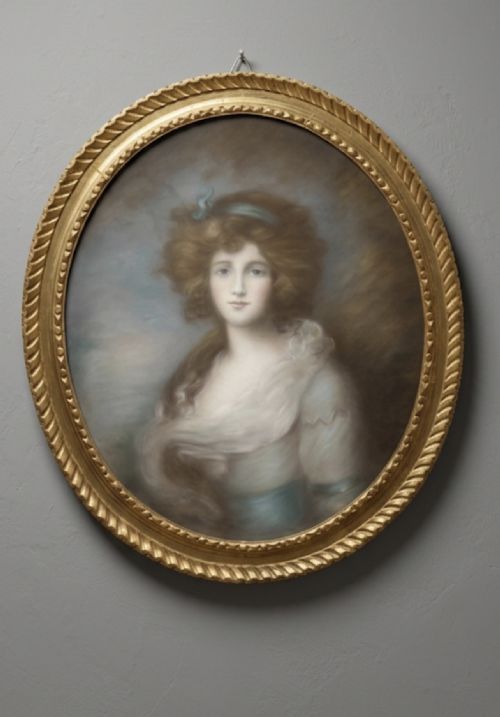
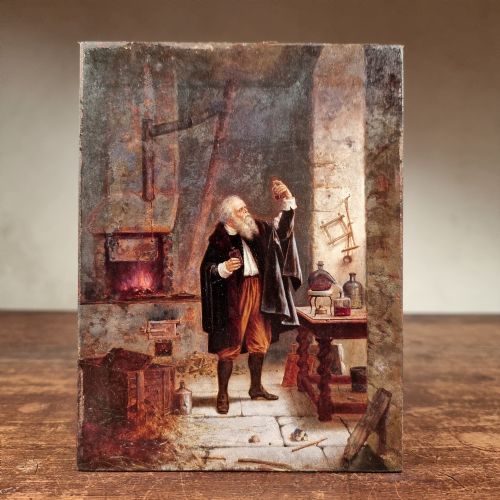
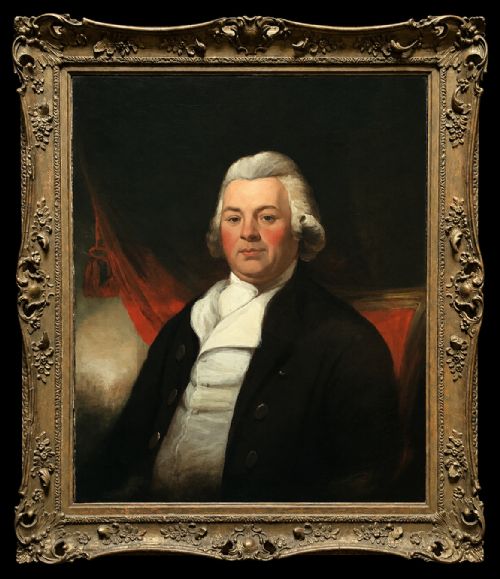
A georgian era painting encompasses works produced during the eighteenth and nineteenth centuries, spanning portraiture, grand tour landscapes, and classical interpretations. Buyers frequently encounter oil portraits on canvas and panel, alongside delicate watercolour and pastel miniatures.
The selections range from intimate depictions of individuals and domestic animals to expansive views of foreign cities and mythological figures. French and English schools feature strongly among the portraits, often rendered in Regency or Neoclassical styles.
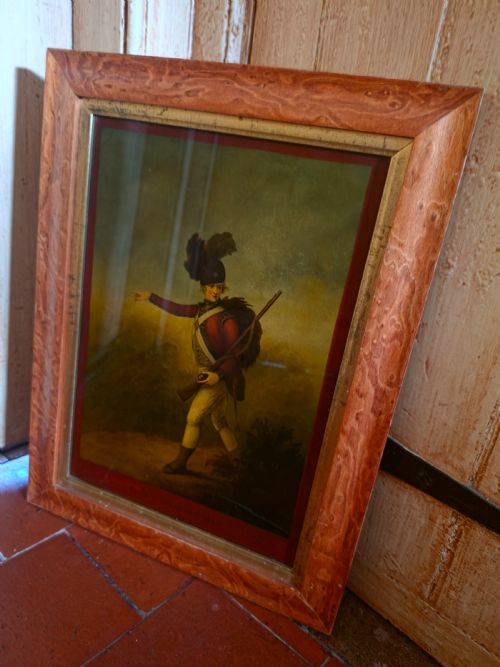
Works on this page extend beyond standard canvas to include reverse glass pictures, copper supports, and works on paper framed in original giltwood or gold leaf mouldings. These objects reflect the visual culture and artistic tastes of the period.
Materials and construction
Artists of the period utilised oil paint on stretched canvas, wooden panels, and copper sheets, layering pigments to achieve depth and luminosity in portraits and landscapes. Watercolours, pastels, and gouache were applied to paper for smaller, portable portrait miniatures.
Frames play an integral role in the physical structure of these works, frequently constructed from carved wood embellished with giltwood or gold leaf. Reverse glass painting required meticulous pigment application directly onto the rear surface of the glass pane to create finished pictures.
Georgian Era Painting Retail Price Guide 2026
Typical asking prices for georgian era painting among the pieces listed under this phrase on Sellingantiques today, from the lower quarter to the upper quarter. They describe what is for sale here now, not the wider market.
Several portraits preserve the likenesses of beloved canine companions, including a hound dog named Lady and her entire litter.
Assessing quality
The preservation of the original paint surface and the intact nature of associated giltwood frames contribute significantly to the standing of a piece. Original materials and historical attribution to recorded artists add weight to individual works.
Anna Tonelli·Jacob Philipp Hackert·George Willison·Flight Barr And Barr·George Watson·Thomas Gainsborough·George Morland·Sir Joshua Reynolds·Arthur William Devis·Samuel Raven·Sir Thomas Lawrence
The Georgian Era Painting Glossary
- Oil on Canvas
- A painting medium where pigments suspended in drying oils are applied to a woven fabric support. This combination allowed artists to blend colours smoothly and rework areas during the painting process.
- Portrait Miniature
- A small, highly detailed painting designed for intimate viewing or personal carriage. These works frequently employed watercolour on paper or ivory.
- Giltwood
- Wood that has been coated with a thin layer of gold leaf or powder. It is commonly found on the decorative frames surrounding period paintings.
- Reverse Glass Painting
- An artistic technique where the image is painted directly onto the back of a glass panel. When viewed from the front, the glossy surface protects the pigment and imparts a distinct sheen.
- Neoclassical
- A style originating in the mid-eighteenth century inspired by the art and culture of classical antiquity. It prioritises restraint, symmetry, and classical motifs.
Georgian Era Painting: Frequently Asked Questions
What subjects appear in these paintings?
Portraits of gentlemen, ladies, children, and military officers form the majority of the subjects on view. Landscapes, naval scenes, and copies after classical masters also appear frequently.
Animals, including dogs and horses, occasionally share the canvas with their owners, reflecting personal and domestic interests of the period.
How do I care for antique paintings?
Keep works away from direct sunlight and fluctuating humidity to prevent canvas tension issues, paint cracking, and paper degradation. Gentle dusting with a soft, dry brush is sufficient for maintenance.
Avoid using liquid cleaners or chemical sprays on both the painted surfaces and the original giltwood frames.
Were these works always framed?
Most oil paintings and watercolours were housed in frames appropriate to their period of creation, often featuring carved giltwood or gold leaf. Frames helped protect the edges of canvases and panels from physical damage.
Some miniature works were designed to be carried or kept in specialised cases rather than hung on walls.
How are periods distinguished?
Stylistic markers, costume details, and framing conventions help date works to the Georgian, Regency, or Victorian eras. Regency portraits often feature specific clothing cuts and softer pastel palettes.
Brushwork techniques and the choice of canvas or panel supports also provide clues regarding the century of production.