



Georgian Era Fine Art
Georgian era fine art brings together oil paintings, portraits and landscapes capturing the aesthetic currents of the eighteenth and nineteenth centuries.
Georgian Era Fine Art
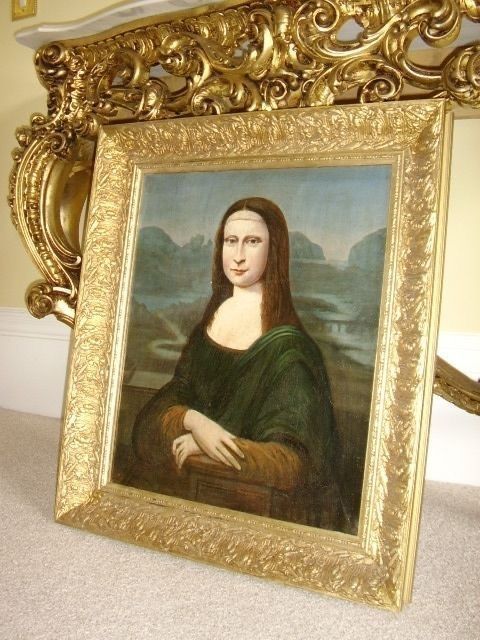
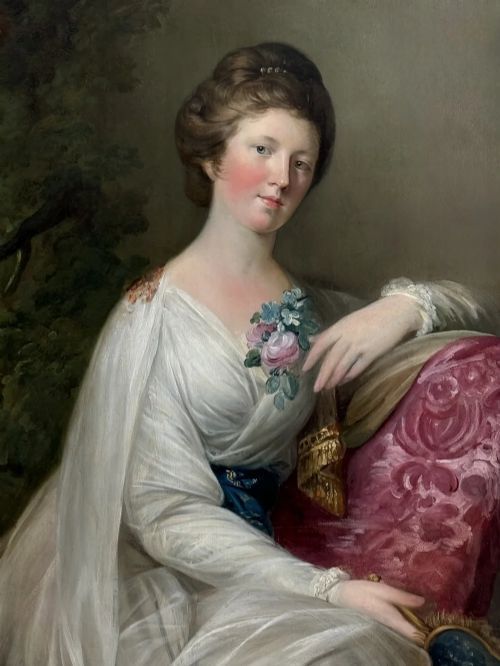
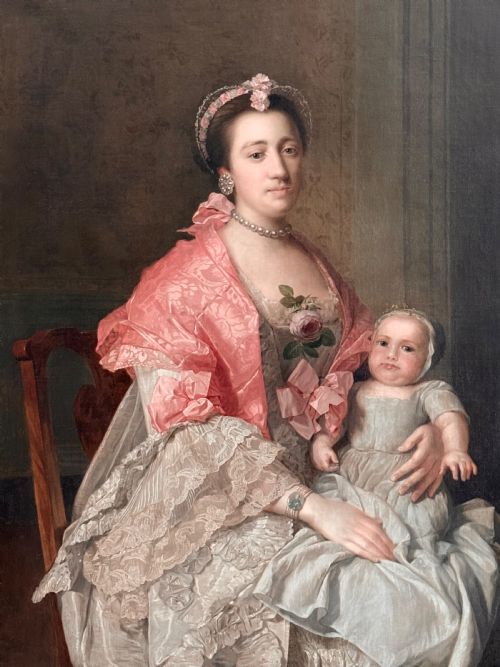
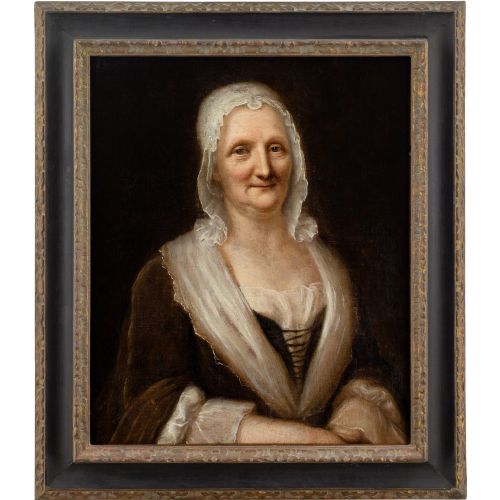
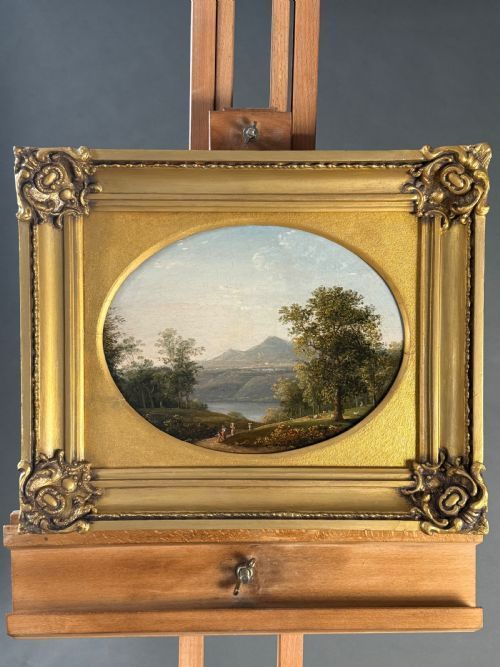
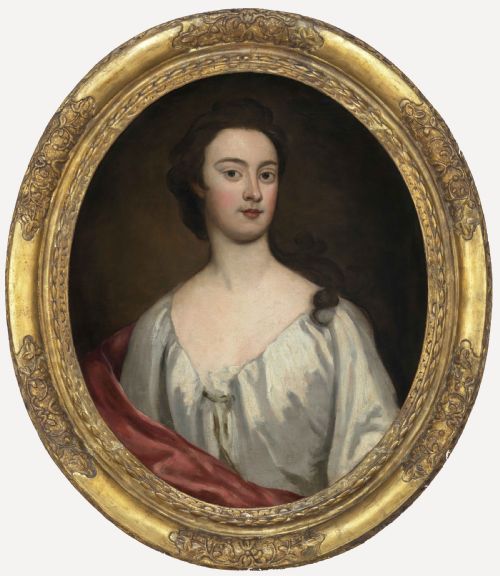
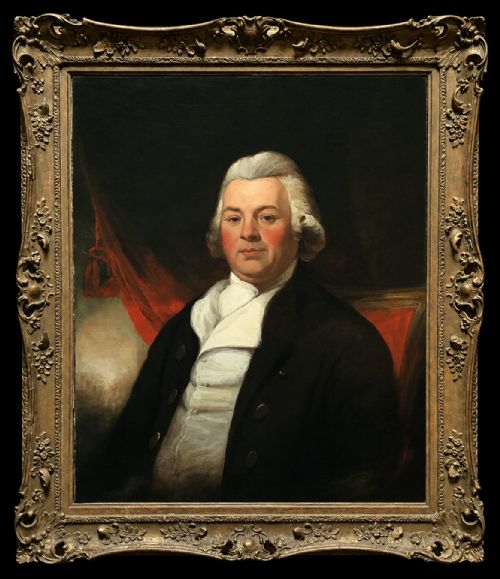
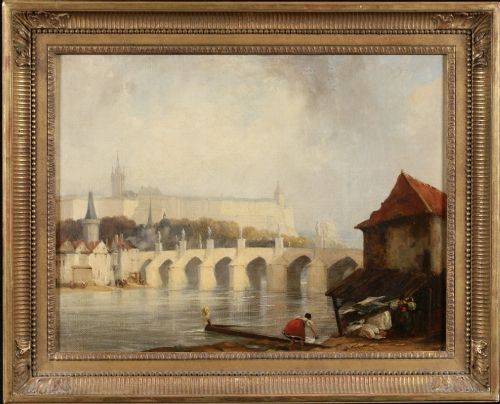
Georgian era fine art encompasses oil paintings, portraits and landscape works produced across the eighteenth and nineteenth centuries. Buyers searching for georgian era fine art typically encounter framed oil on canvas compositions depicting aristocratic sitters, military officers, children and scenic views.
The selection ranges from intimate cabinet portraits attributed to regional British schools to grand narrative landscapes executed during continental travels. Works span the Georgian and Regency periods, reflecting shifting tastes from classical restraint towards romanticism.
How they were made
Artists of this period primarily utilised oil paint applied to stretched canvas panels, building depth through successive glazes and opaque highlights. Ground pigments were mixed with drying oils by hand in studio workshops before application with bristle brushes.
Frames accompanying these works are constructed from wood and finished with carved giltwood or gilded surfaces, providing structural support and ornamental definition suited to domestic interiors.
Several portraits preserve the likenesses of cherished household pets, including a dedicated depiction of a dog named Mr Quiz.
What varies in quality
The standard of execution in portraiture rests upon the handling of facial anatomy, skin tones and the characterisation of the sitter. Superior examples demonstrate confident draftsmanship in hands and drapery, whereas lesser works display stiff proportions and formulaic background rendering.
Landscape compositions differ in spatial perspective, atmospheric subtlety and the integration of figures within the topographical setting. Masterful brushwork captures natural light and texture, distinguishing accomplished studio output from provincial decorative painting.
Sir William Beechey·George Willison·Sir Allan Ramsay·Jacob Philipp Hackert·George Watson·Arthur William Devis·James Ward·William Robinson·John Opie·Henry Hoppner Meyer·John Russell·Lemuel Francis Abbott
The Georgian Era Fine Art Glossary
- Oil on canvas
- A painting medium where pigments suspended in drying oil are applied to a woven fabric support. This combination allows for rich colour blending and longevity.
- Giltwood
- Timber carved and coated with gold leaf or metallic powder. It provides reflective ornamental framing for paintings of this era.
- Neoclassical
- An artistic style drawing inspiration from the classical art and culture of ancient Greece and Rome. It emphasises austere linear design and heroic subject matter.
- Romanticism
- An artistic movement focusing on emotion, individualism and the awe-inspiring power of nature. Landscapes of this type often feature dramatic weather and ruins.
Georgian Era Fine Art: Frequently Asked Questions
How do I identify a Georgian portrait?
Georgian portraits typically feature sitters dressed in period attire ranging from high-waisted Regency gowns to elaborate eighteenth-century coats and lace cravats. Stylistic cues include formal postures and muted lighting characteristic of studio portraiture.
Signatures or attribution notes on the reverse of the canvas often provide further context regarding the artist and the sitter's identity.
How should I care for an antique oil painting?
Protect the canvas from direct sunlight and extreme fluctuations in temperature and humidity to prevent cracking of the oil paint and warping of the wooden stretcher. Dust the surface gently with a soft, dry brush without applying pressure.
Avoid using water or chemical solvents on the paint layer or the gilded wood frame.
What is the difference between Georgian and Regency art?
Georgian art encompasses the broader stylistic developments of the eighteenth century, leaning towards classical balance and formal portraiture. Regency art, dating from the early nineteenth century, introduces romantic elements and looser brushwork influenced by landscape travel.
Both periods share a foundation in oil on canvas techniques and traditional portrait formats.