



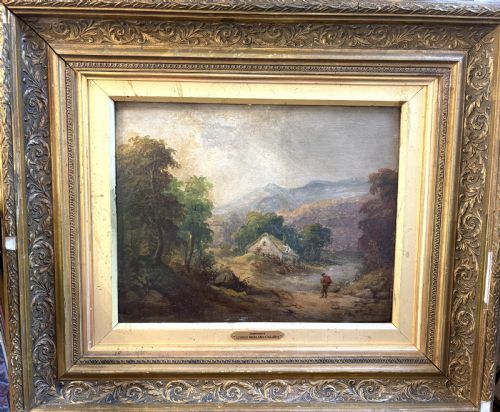
Georgian Era Artwork
Georgian era artwork encompasses oil paintings, watercolours, and engravings capturing portraiture, landscapes, and social satire from the eighteenth and early nineteenth centuries.
Georgian Era Artwork
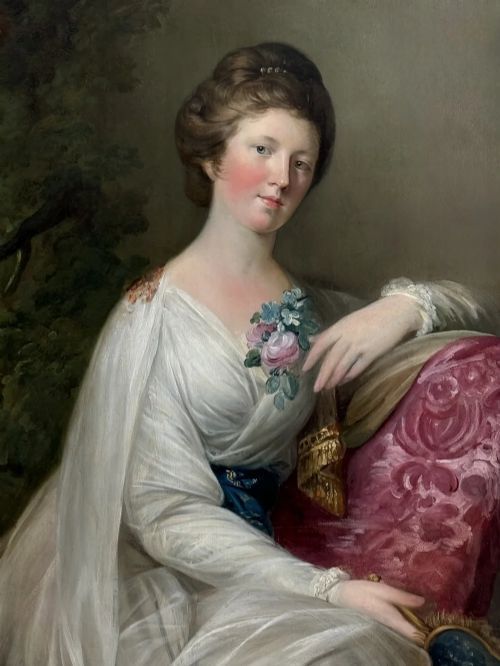
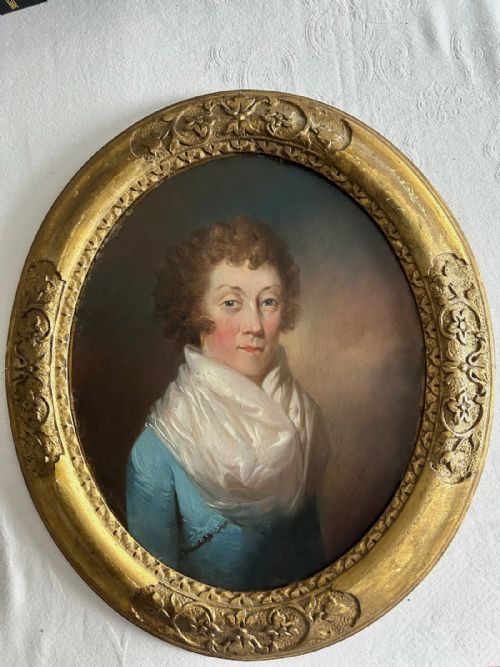
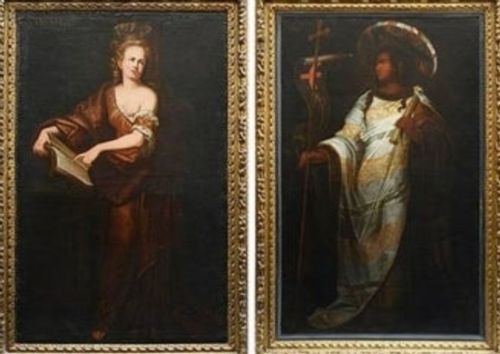
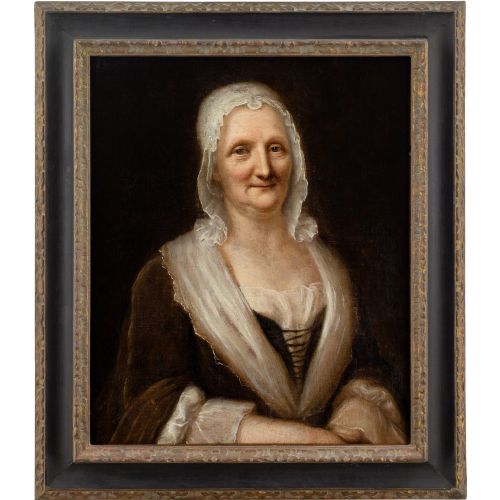
When you examine georgian era artwork, you encounter visual culture spanning portraiture, landscape studies, and satirical prints produced across the eighteenth and early nineteenth centuries. The majority of pieces met on this page comprise oil paintings on canvas or panel, alongside works on paper executed in graphite, watercolour, and pastel.
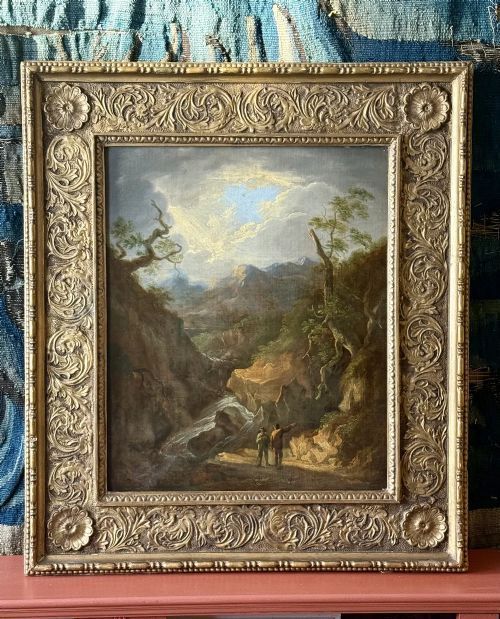
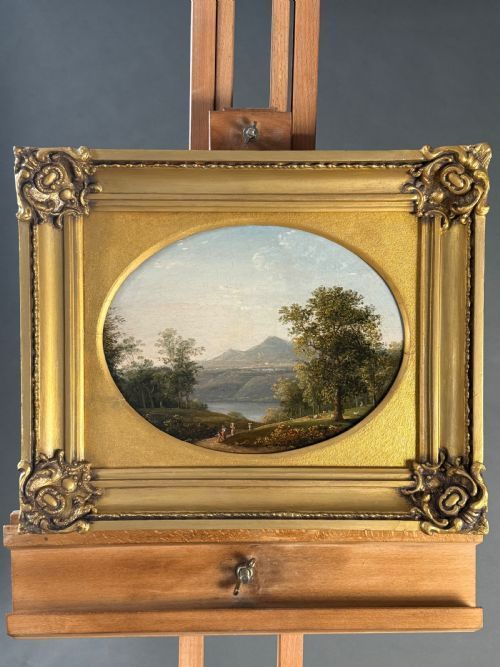
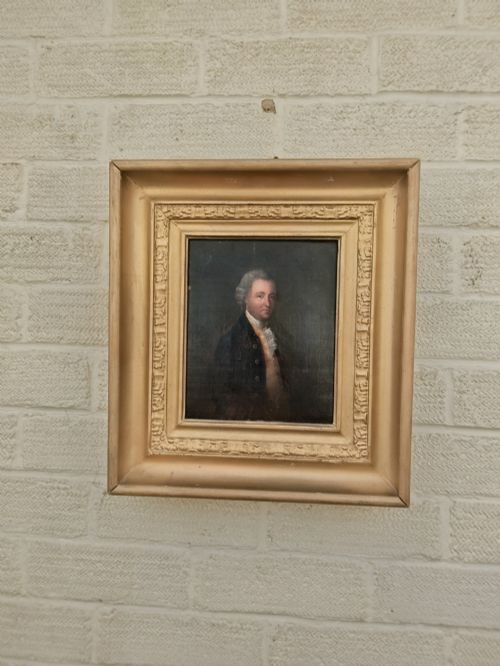
The selection reflects both British and continental European schools, capturing subjects from aristocratic sitters to rural vistas and architectural capriccios. Domestic portraiture and topographical scenes dominate the surviving output, often preserved in period frames of giltwood or carved wood.
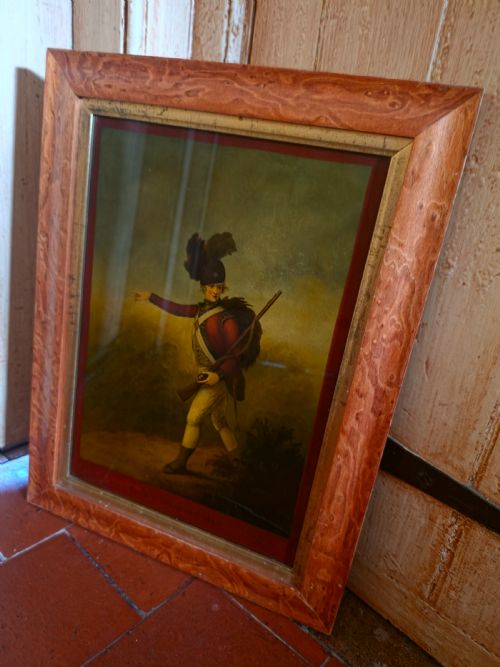
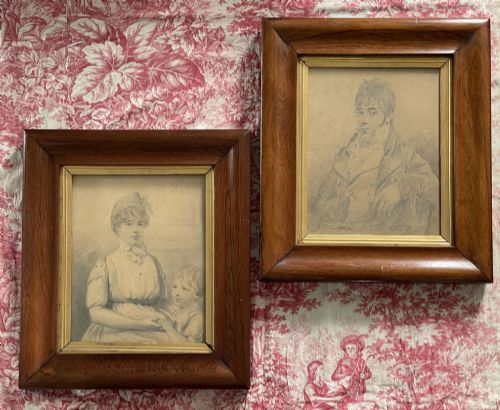
Works range from intimate graphite sketches of children to grand martial and naval portraits commissioned by officers and nobility. These pieces document the prevailing aesthetic tastes of the Georgian and Regency periods through diverse media including reverse glass painting and copperplate engraving.
How these pieces were made
Artists of this era built oil paintings using traditional layered techniques, applying oil paint and pigment onto prepared canvas, wooden panels, or occasionally copper sheets. Ground layers provided tone before fine glazes established depth in drapery and skin tones.
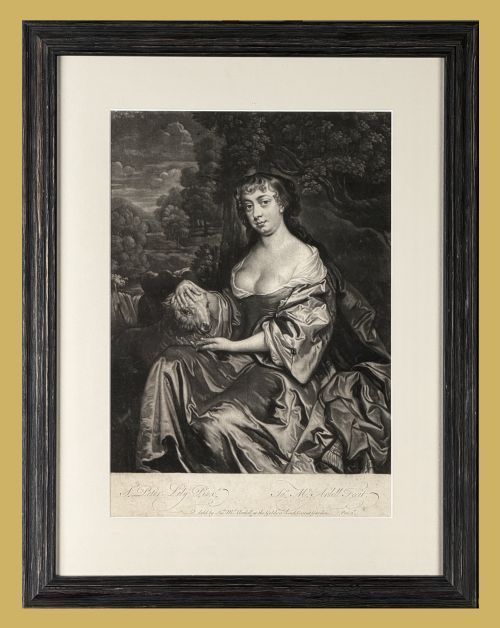
Works on paper utilised graphite, charcoal, watercolour, and gouache, often combined on tinted sheets to capture rapid likenesses or finished miniatures. Printmakers employed copperplate engraving and mezzotint methods, pressing inked metal plates onto damp paper to multiply fine pictorial images.
Framing formed an integral part of the finished presentation, utilising carved and gilded wood or moulded giltwood to complement the domestic interiors of the period.
Portraits of sitters with their domestic pets appear alongside military commissions and Grand Tour landscapes.
Variations in quality
The distinction between ordinary and superior pieces rests upon anatomical assurance, handling of light, and the expressiveness achieved in portraiture. Master painters command proportion and subsurface warmth in flesh tones, whereas lesser hands produce stiff figures with flat rendering.
In landscapes and architectural views, the sophistication of perspective and atmospheric integration dictate the standing of a work. Atmospheric depth and confident brushwork separate ambitious salon pieces from rudimentary topographical records.
Condition and originality also govern value, particularly the preservation of untouched paint surfaces and appropriate period frames rather than later restorations.
George Willison·Benjamin Barker of Bath·Margaret Sarah Carpenter·Jacob Philipp Hackert·James Macardell·Jeremiah Davison·George Watson·Arthur William Devis·Samuel Raven·James Ward
The Georgian Era Artwork Glossary
- Mezzotint
- A printmaking process where the copper plate is roughened to produce dark backgrounds and subtle tonal gradations when scraped. This technique allowed printmakers to reproduce oil paintings with remarkable fidelity.
- Giltwood
- Timber carved and coated with a thin layer of gold leaf or gilt powder. It was widely used for ornate picture frames during the eighteenth and nineteenth centuries.
- Norwich School
- The first provincial art movement in Britain, flourishing in the early nineteenth century and focusing on local landscapes. Artists painted rural scenes and windmills with distinct atmospheric light.
- Capriccio
- An architectural fantasy placing together classical ruins, buildings, and other architectural elements in a fictional composition. Such scenes were popular souvenirs for travellers on the Grand Tour.
- Reverse glass painting
- An artwork created by painting or drawing on the back of a piece of glass, then viewed from the front. This delicate method produced bright, reflective surfaces prized in the Georgian period.
Georgian Era Artwork: Frequently Asked Questions
What subjects appear most often in these paintings?
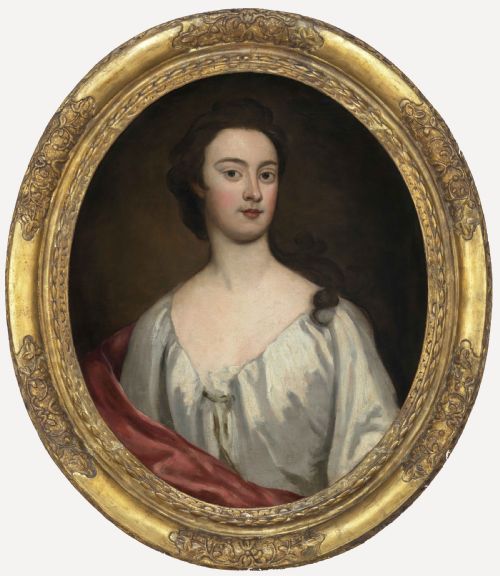
Portraiture dominates the surviving output, ranging from formal likenesses of military officers and nobility to intimate sketches of children. Landscapes, pastoral scenes, and architectural views also feature prominently among these historical works.
Commissioned family portraits and depictions of pets reflect the domestic priorities of eighteenth-century patrons. Narrative scenes and social satires complete the typical subject matter encountered by collectors.
How do I care for antique oil paintings?
Keep paintings away from direct sunlight and steady domestic humidity to prevent canvas slackening and paint cracking. Avoid harsh chemical cleaners when dusting the surface or the surrounding frame.
Professional conservators should handle any cleaning of discoloured varnish or structural repairs to the canvas and stretcher. Gentle dusting with a soft, dry brush is sufficient for routine maintenance.
What is the difference between an oil painting and a mezzotint?
Oil paintings are unique original artworks created by applying pigmented oil paint directly to canvas, panel, or copper by hand. Each stroke represents the direct physical touch of the artist.
Mezzotints are printed multiples created from an engraved copper plate, designed to reproduce popular painted images for wider distribution. While printed mechanically, fine historical mezzotints remain collected as works of art in their own right.
How can I tell a Regency portrait from an eighteenth-century one?
Regency portraiture typically reflects the neoclassical revival of the early nineteenth century, featuring simpler dress, softer lighting, and lighter colour palettes. Hairstyles and costume details changed noticeably around the turn of the century.
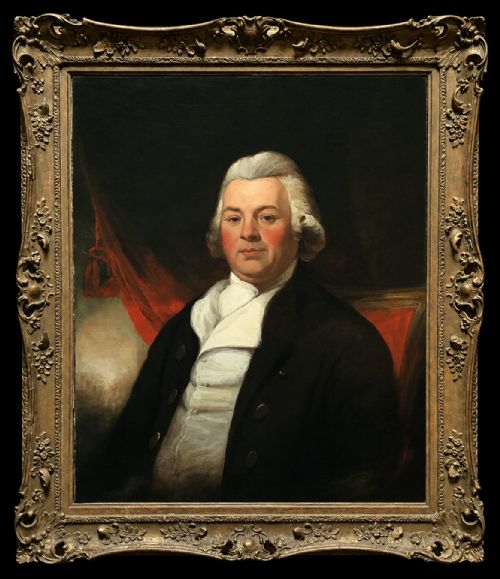
Earlier eighteenth-century portraits often display more elaborate powdered wigs, stiffer formal posture, and heavier drapery arrangements. Comparing costume and framing styles provides reliable clues to the decade of creation.