


Georgian Engraved Artwork
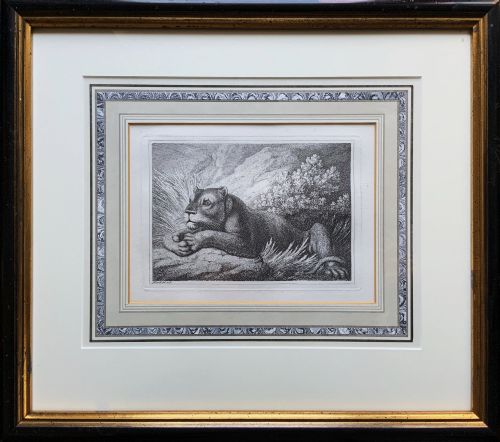
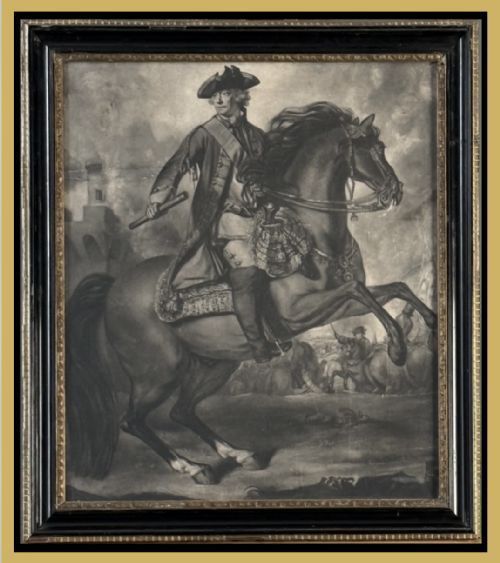
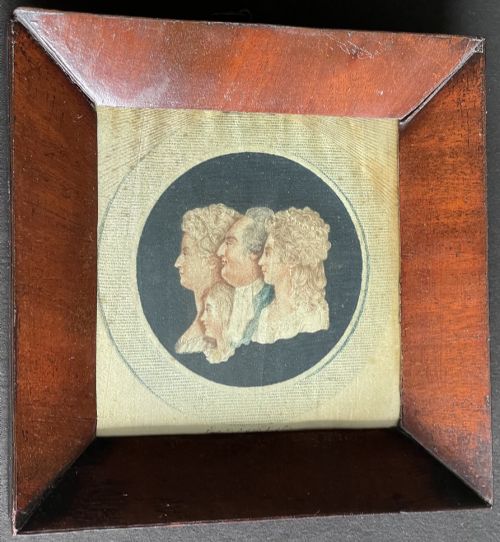
Georgian engraved artwork brings together period prints, mezzotints and etchings framed in wood, gilt and glass.
Georgian Engraved Artwork
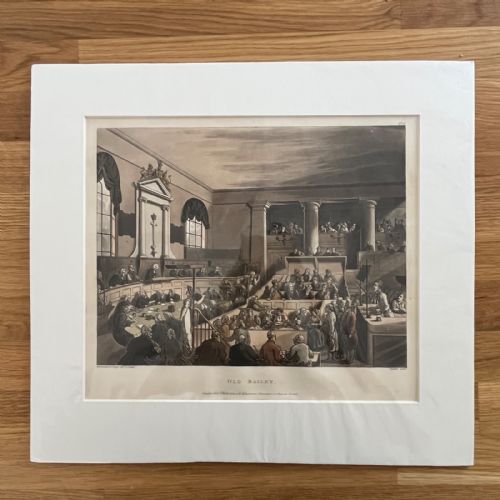
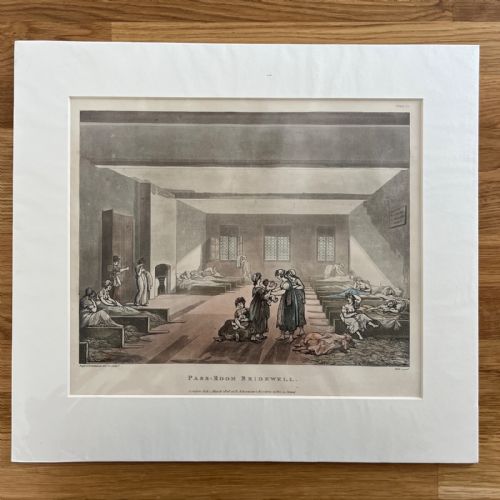
When searching for Georgian engraved artwork, buyers encounter printed plates produced during the eighteenth and early nineteenth centuries, spanning Georgian, Regency and Victorian periods. These pieces include royal portraits, mythological scenes, political satires and anatomical studies.
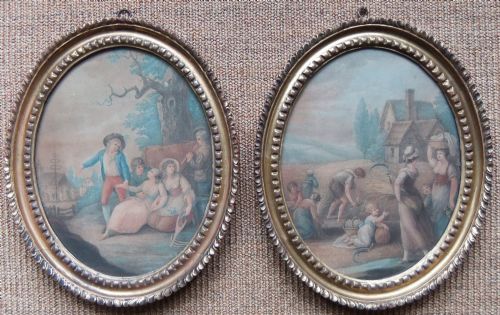
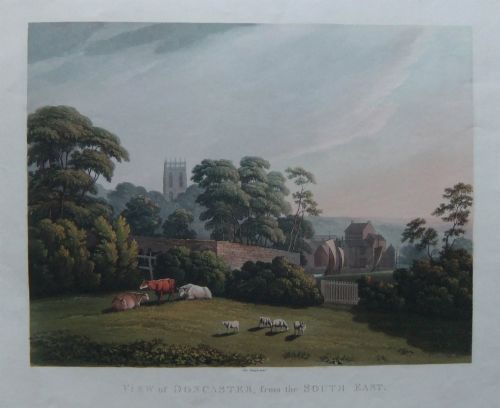
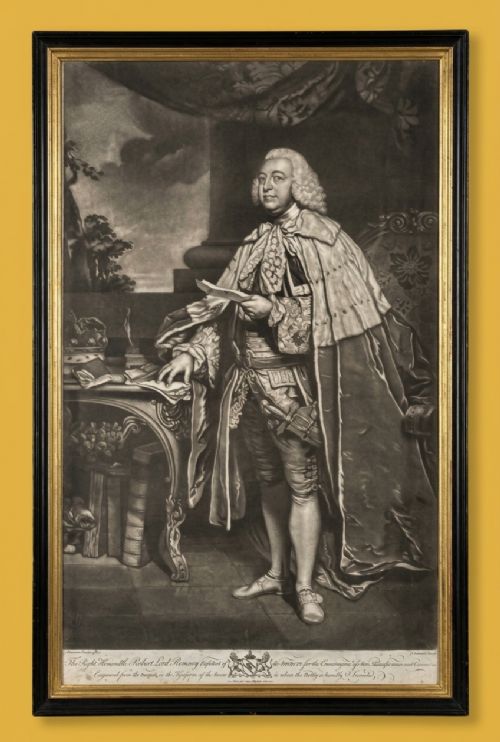
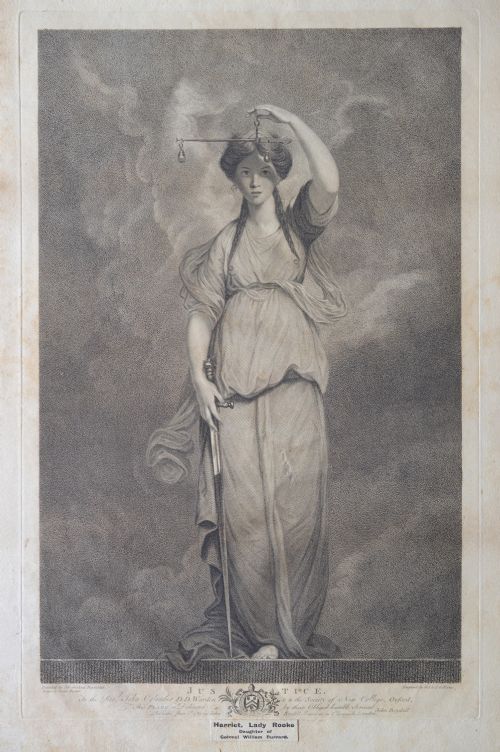
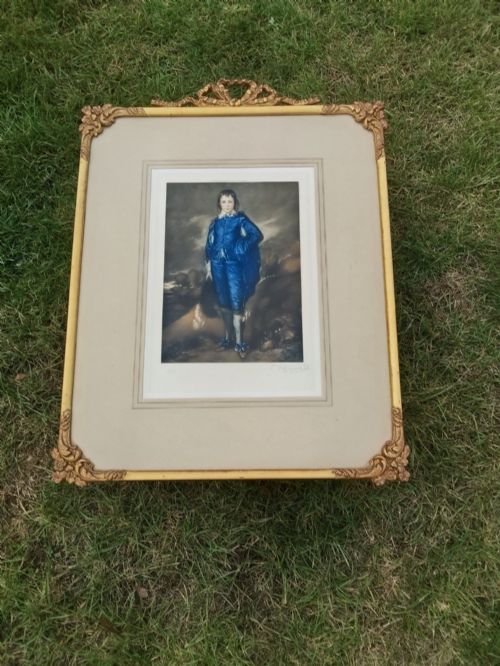
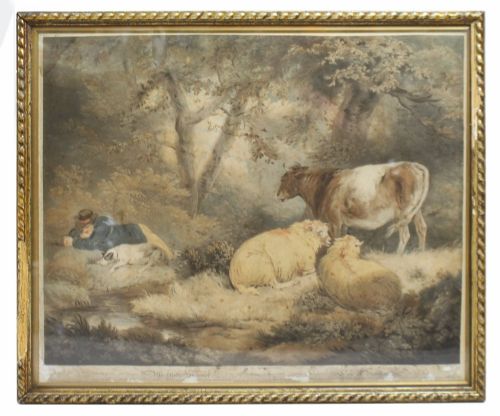
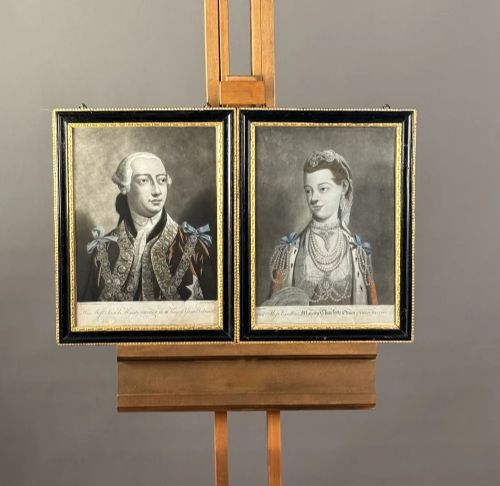
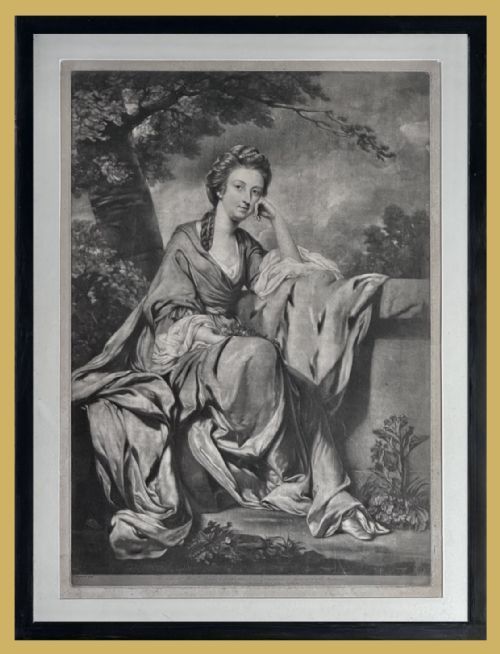
The objects take the form of framed prints, wall art and engravings. Subjects range from aristocratic portraits after Sir Joshua Reynolds to detailed depictions of historical events and natural history subjects.
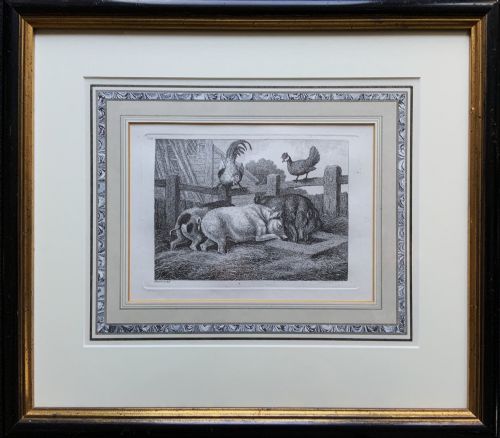
Most items on this page reflect the aesthetic of eighteenth-century printmaking, often preserved within period frames of wood, giltwood or gold leaf. The selection demonstrates the breadth of print technology and portraiture valued in domestic interiors of the era.
Materials and print techniques
The physical basis of these works relies upon paper, ink and copper or steel plates. Printmakers utilised techniques such as mezzotint, stipple engraving, line engraving and etching to transfer detailed images onto paper sheets.
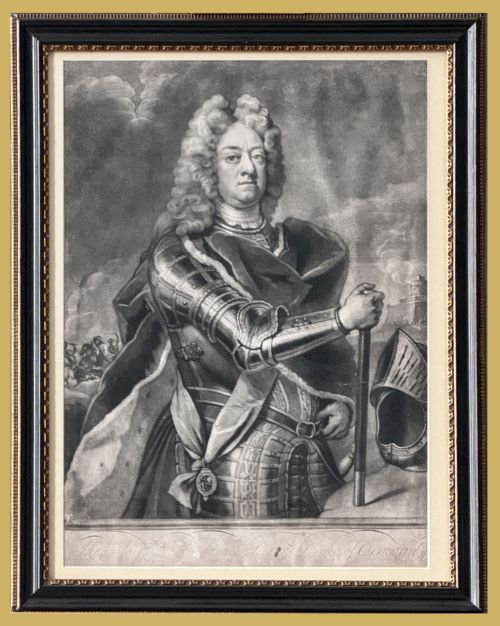
Many examples incorporate hand-colouring applied directly over the printed ink lines. Tonal variations in mezzotints were achieved by roughening the metal plate with a rocker to hold ink, producing soft shadows and gradients.
Surviving pieces are typically housed behind glass within wooden frames finished with gold leaf, gilt or giltwood. The combination of laid paper, impression ink and period framing defines the physical structure of the medium.
Georgian Engraved Artwork Retail Price Guide 2026
Typical asking prices for georgian engraved artwork among the pieces listed under this phrase on Sellingantiques today, from the lower quarter to the upper quarter. They describe what is for sale here now, not the wider market.
Listings feature works created across the 18th Century, Regency and Victorian periods, using paper, ink, gold leaf and giltwood.
Distinctions in quality
The distinction between tiers rests upon the clarity of the impression pulled from the metal plate. Early impressions show crisp lines and deep tonal contrasts, whereas plates printed later in their lifecycle yield softer, fainter details.
The reputation of the printmaker and the painter whose work was copied also determines the standing of a piece. Works engraved by skilled hands after prominent artists command greater attention than anonymous or later copyist productions.
The condition of the paper and the originality of the framing contribute to the integrity of the object. Intact margins, stable paper without heavy foxing, and original period mounts or giltwood frames elevate the status of an engraving.
William Barnard·Thomas Frye·Richard Purcell·Samuel Howitt·John Simon·Edward Fisher·John Smith·James Watson·Andrew Bell·James Heath·Thomas Watson·John Faber Jr·Valentine Green·James Macardell·Jacobus Houbraken·Adam Buck·James Ward·Luke Sullivan·Sydney Wilson
The Georgian Engraved Artwork Glossary
- Mezzotint
- A printmaking process where the copper plate is roughened uniformly to hold ink, then scraped and burnished to create light and shade. This technique produces rich, velvety dark areas and smooth tonal transitions.
- Etching
- A method where lines are bitten into a metal plate with acid through a protective wax ground. The exposed metal receives the acid before ink is applied for printing.
- Stipple engraving
- A technique using dots of varying density to create tonal effects and flesh contours. It was widely popular for reproducing portraits and sentimental subjects.
- Engraving
- The process of cutting lines directly into a metal plate using a sharp tool called a burin. It yields sharp, precise lines that define the subject.
- Aquatint
- A variant of etching that produces areas of tone rather than lines by using powdered resin on the plate. It resembles watercolours when printed and coloured.
Georgian Engraved Artwork: Frequently Asked Questions
What is a mezzotint?
A mezzotint is an intaglio printmaking process where the artist works from dark to light by roughening a copper plate. This creates rich, velvety tones and subtle gradients rather than relying solely on line work.
In eighteenth-century Britain, this method proved especially popular for translating oil paintings of royalty and aristocracy into collectible prints.
How do I care for antique prints?
Antique engravings require protection from direct sunlight to prevent the paper from yellowing and the ink or hand-colouring from fading. Keeping them away from excessive moisture safeguards the paper fibres and prevents mould.
Displaying them in stable indoor environments ensures both the paper and the original wooden or giltwood frames remain preserved for years to come.
Are these prints original to the eighteenth century?
The listings include original period engravings and etchings produced during the eighteenth and early nineteenth centuries. Each piece reflects the printmaking standards and artistic conventions of its respective era.
Detailed attribution in the titles helps identify the original printmaker, the artist of the source painting, and the approximate date of production.
What subjects are common in these artworks?
Common subjects include royal and aristocratic portraiture, mythological allegories, and theatrical scenes after prominent painters like Sir Joshua Reynolds and William Hogarth. Other examples feature natural history studies, political satires, and anatomical diagrams.
These themes reflect the visual culture, education, and entertainment of Georgian and Regency society.