





Georgian Enamel Trinket
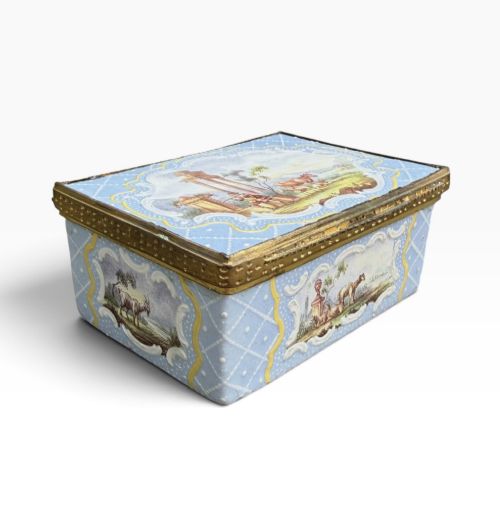
A georgian enamel trinket box brings the brilliant palette and delicate hand of eighteenth-century Staffordshire workshops straight to the palm of your hand.
Georgian Enamel Trinket
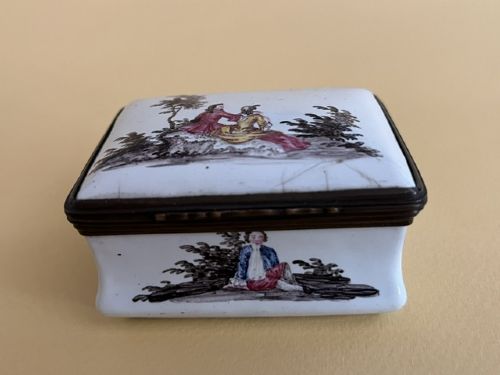
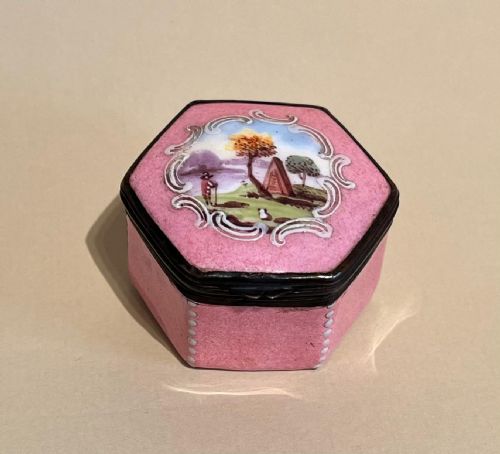
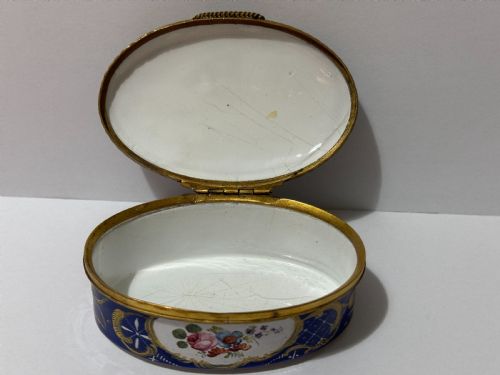
A georgian enamel trinket selection on this page centres primarily on pocket-sized containers such as snuff boxes, patch boxes, and small bonbonnieres. These diminutive objects date predominantly from the eighteenth century, spanning the reigns of George III and associated periods.
The most common formats you will encounter are oval and rectangular patch boxes originating from Bilston and South Staffordshire. Many of these survive with topographical inscriptions, pictorial scenes like musicians in parkland, or sentimental mottos upon the lid.
While the vast majority belong to the Georgian era, related examples stretch from the eighteenth century into nineteenth-century revivals and Edwardian waistcoat pocket pieces. Buyers seeking this phrase usually look for these small metal-framed containers fused with opaque white or coloured enamel.
Materials and construction methods
Craftsmen built these containers using a base of copper, brass, or gilt metal, which provided a stable armature for the glass-based surface layer. This metal core was shaped by hand, often utilising copper gilt or gilded metal mounts to frame the opening.
Opaque enamel was fused to the metal body through high-temperature firing, creating a smooth, glossy canvas for hand-painted polychrome decoration. Artisans applied pigments directly onto the white or powder pink enamel ground, detailing scenic views, portraits, and inscriptions before a final kiln fix.
Georgian Enamel Trinket Retail Price Guide 2026
Typical asking prices for georgian enamel trinket among the pieces listed under this phrase on Sellingantiques today, from the lower quarter to the upper quarter. They describe what is for sale here now, not the wider market.
Listings for this phrase frequently span the eighteenth century, featuring copper bases and hand-painted Staffordshire enamel surfaces.
Distinctions in craftsmanship and finish
Quality in a georgian enamel trinket piece rests heavily on the crispness of the hand-painted miniature and the condition of the fused glass surface. Finer examples display meticulous brushwork in the pastoral scenes or lettering, whilst lesser specimens suffer from crude painting or excessive surface crazing.
The refinement of the metal hinge and the heft of the copper or gilt mount also dictate standard. Better pieces maintain tight alignment between the lid and base, whereas lesser items show loose fittings and heavy wear to the underlying metal frame.
South Staffordshire·Bilston
The Georgian Enamel Trinket Glossary
- Patch box
- A small pocket container designed to hold cosmetic beauty patches worn on the face during the eighteenth century. These typically feature an interior mirror fitted inside the lid.
- Snuff box
- A small hinged container utilised for holding dry powdered tobacco for inhalation. They are frequently decorated with topographical scenes or amorous motifs.
- Bilston enamel
- Enamelware produced in the Staffordshire town of Bilston during the Georgian period. The term is widely applied to eighteenth-century English copper and enamel boxes.
- Bonbonniere
- A small ornamental box created specifically to hold sweetmeats or sugarplums. They often take whimsical or novelty shapes.
- Vinaigrette
- A small hinged box containing a perforated internal grille beneath the lid. This grille held a sponge soaked in aromatic vinegar to revive the user.
Georgian Enamel Trinket: Frequently Asked Questions
What were patch boxes used for?
Georgian ladies and gentlemen used patch boxes to carry small silk or velvet patches that were adhered to the face to conceal blemishes or display social statements. The interior mirrors fitted inside these lids assisted with the placement of these cosmetic additions.
Over time, as fashions shifted away from facial patches, these small containers continued to serve as decorative trinket boxes or receptacles for pins and small keepsakes.
How do you date an enamel box?
Dating relies on examining the shape of the copper body, the style of the metal hinge, the colour palette, and any painted inscriptions. Eighteenth-century pieces often feature characteristic copper frames and hand-painted Staffordshire motifs that differ from later nineteenth-century reproductions.
Looking closely at the wear on the base and the composition of the enamel can also help differentiate Georgian originals from later revival pieces.
Are these boxes made of solid enamel?
No, these pieces are constructed with a metal base, usually copper, brass, or gilt metal, which is then coated in fused glass enamel. The metal provides structural rigidity while the enamel acts as a smooth decorative skin.
The metal mounts and hinges are integrated into the primary construction to allow the lid to open and close smoothly over the copper body.
How should I clean my enamel trinket box?
Enamel surface care requires only a gentle wipe with a soft, dry cloth to remove dust. Moisture should be kept away from the interior and any exposed metal edges to prevent corrosion.
Harsh chemical cleaners or abrasive cloths must be avoided entirely, as they will scratch the glossy glass surface and damage the hand-painted details.