







Georgian Drinkware
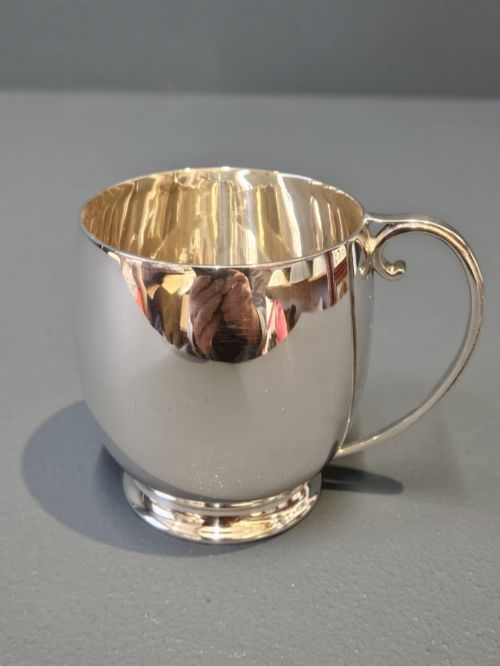
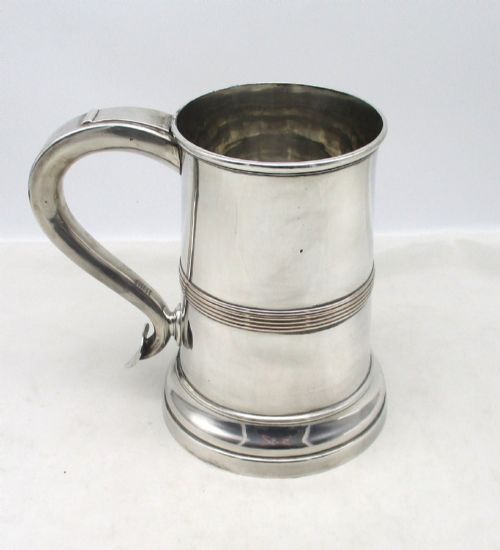
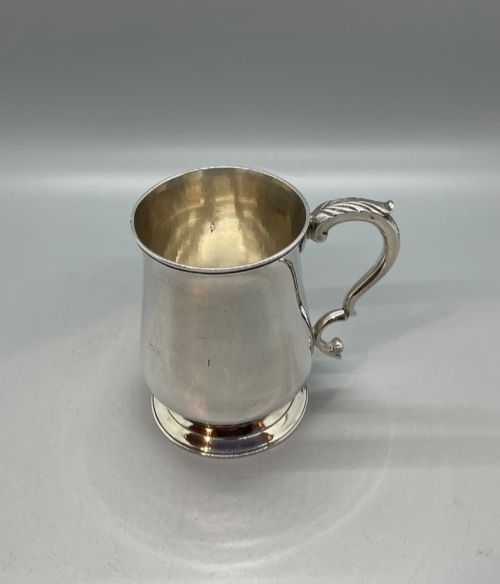
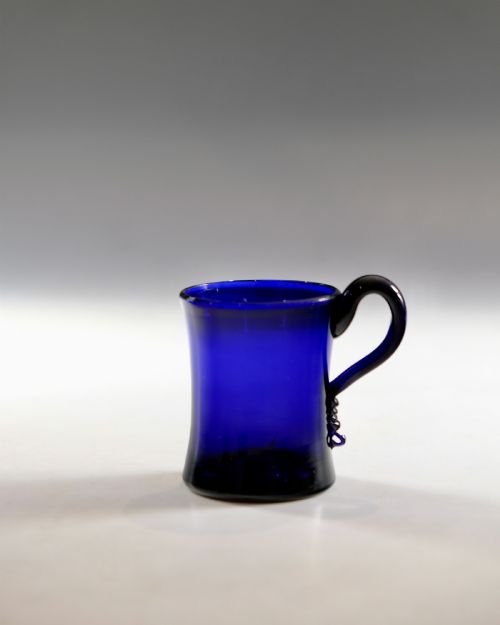
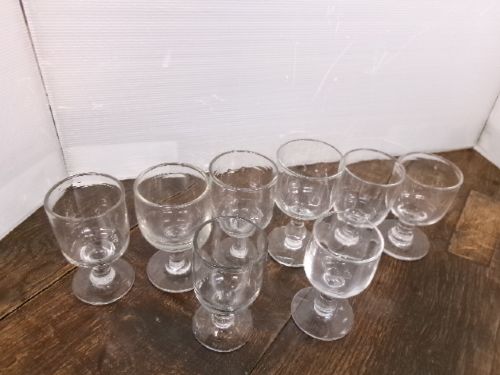
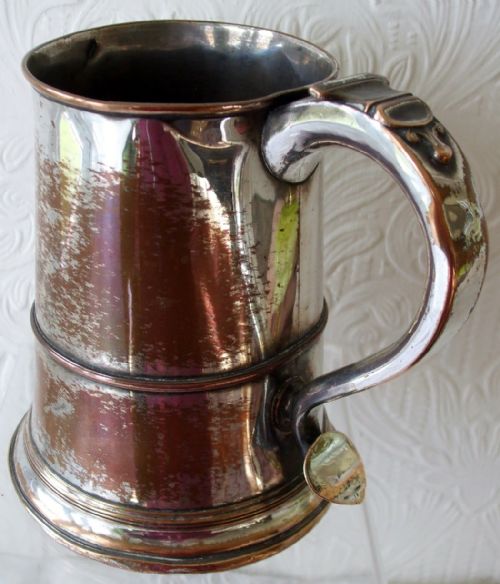
Georgian drinkware brings heavy silver tankards and delicate cut glass rummers to the table, offering a tactile connection to eighteenth-century hospitality.
Georgian Drinkware
When you search for georgian drinkware, you encounter a robust mix of silver and Old Sheffield Plate tankards alongside lead crystal rummers, port glasses, and ceramic mugs. These items served functional roles in domestic and tavern settings across the eighteenth and early nineteenth centuries.
The most common forms on this page are sturdy silver and plated tankards alongside cut glassware such as dram glasses and wine glasses. Porcelain beakers and creamware vessels also appear, reflecting the diverse material culture of the Georgian dining table.
Pieces span the Georgian, George II, and Regency periods, showing how drinking vessels evolved from plain utilitarian forms to intricately cut crystal and marked sterling silver. Each object bridges the gap between everyday tavern use and formal dining room display.
Materials and methods of construction
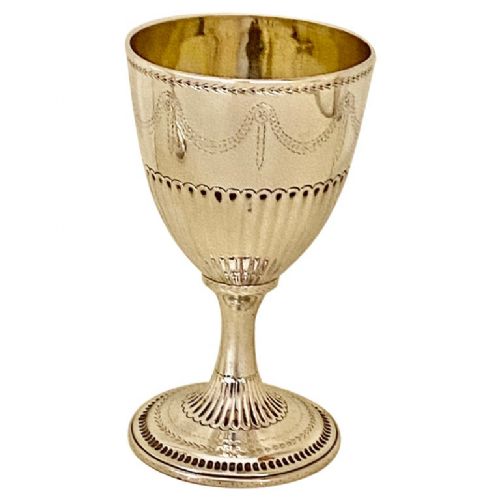
Silversmiths hammered solid sterling silver into heavy tankards and goblets, often adding cast scroll handles and securing them with soldered joints. Makers such as William Grundy marked their London creations with standard hallmarks to guarantee metal purity.
Old Sheffield Plate makers fused a thin sheet of silver to a thicker copper core, creating durable vessels that mimic solid silver at a lower weight and cost. Cut glass items like rummers and decanters relied on lead crystal blanks shaped by blowing and finished with hand-cut facets.
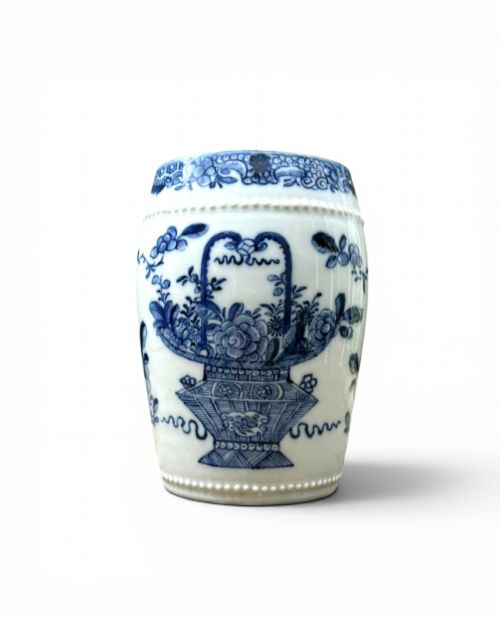
Potters shaped creamware, porcelain, and Chinese export clay on the wheel or in moulds before applying glazes and firing them in kilns. These ceramic pieces display hand-painted or transfer-printed details typical of eighteenth-century kilns.
Georgian Drinkware Retail Price Guide 2026
Typical asking prices for georgian drinkware among the pieces listed under this phrase on Sellingantiques today, from the lower quarter to the upper quarter. They describe what is for sale here now, not the wider market.
The selection includes drinking vessels from the George II, George III, and Regency periods spanning the eighteenth and nineteenth centuries.
Determining quality in drinkware
The weight of the metal and the crispness of the chasing or hallmarks set superior silver tankards apart from plainer, lighter vessels. Crisp handle attachments and clear maker marks indicate careful workshop production.
In glassware, the depth of the wheel-cut facets and the clarity of the lead crystal determine the finesse of a rummer or port glass. Heavy, unblemished glass with deep refraction points towards higher production standards.
For Old Sheffield Plate, the integrity of the fused silver layer over the underlying copper determines overall quality. Vessels that retain their original plating without excessive copper bleed through show better preservation.
William Grundy·Richard Morton
The Georgian Drinkware Glossary
- Old Sheffield Plate
- A composite material made by fusing a thin layer of sterling silver to a thick copper base. This technique preceded modern electroplating and leaves a characteristic copper seam visible at edges.
- Rummer
- A large, sturdy drinking glass popular in the eighteenth and nineteenth centuries. These vessels typically feature short stems and heavy bowls used for ale, wine, or punch.
- Creamware
- A refined earthenware developed in Staffordshire during the eighteenth century. It is known for its warm, pale yellow glaze.
- Hallmark
- A stamp or series of stamps applied to precious metals to indicate the maker, standard of purity, assay office, and year of testing. These marks provide reliable dating for silver items.
- Lead crystal
- Glass containing lead oxide, which increases the weight, refractive index, and clarity of the material. This composition allows for deep, sharp hand-cutting.
Georgian Drinkware: Frequently Asked Questions
What is the difference between a tankard and a mug?
Tankards traditionally feature a lid, a hinged thumbpiece, and a sturdy handle designed for ale or beer in domestic and tavern settings.
Mugs share the cylindrical body and handle of a tankard but lack the attached lid.
Both forms appear in silver, Old Sheffield Plate, and ceramic materials across the Georgian era.
How do I care for antique silver drinkware?
Wash silver pieces gently in warm water with mild soap using a soft cloth, avoiding abrasive pads that scratch the metal. Dry them thoroughly immediately after cleaning to prevent water spots and tarnishing.
Store silver in a dry environment away from direct sunlight and humidity to preserve the surface finish.
Can I use Georgian glassware for daily dining?
Lead crystal rummers and port glasses from the Georgian period can handle careful manual washing and occasional use on the table. Hand wash them in tepid water rather than placing them in a dishwasher to protect the antique glass.
Thermal shock can crack old glass, so avoid exposing pieces to sudden temperature changes.
How do I identify a Georgian silver tankard?
Look for hallmarks stamped directly into the metal near the rim or handle, which indicate the assay office, date letter, and maker's mark. Researching these stamps provides a precise year of manufacture.
Examine the construction of the handle and base for hand-wrought seams and traditional soldering methods typical of eighteenth-century silversmithing.