

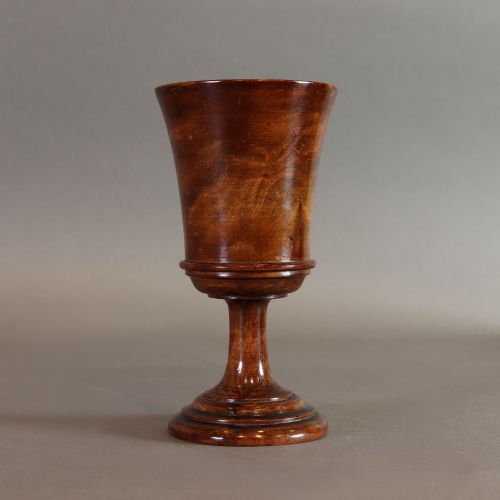
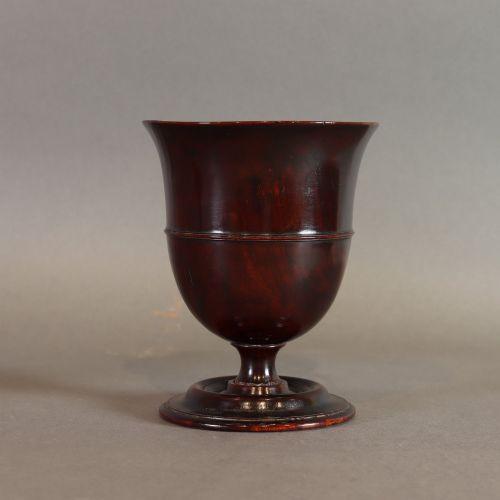
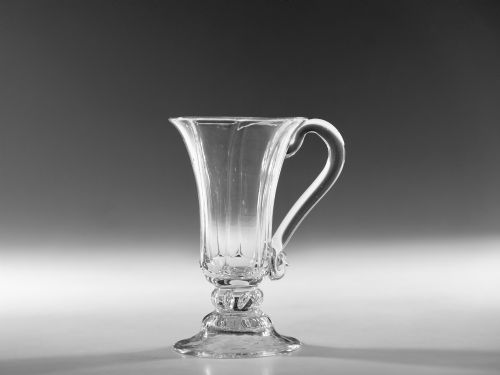
Georgian Drinking Cup
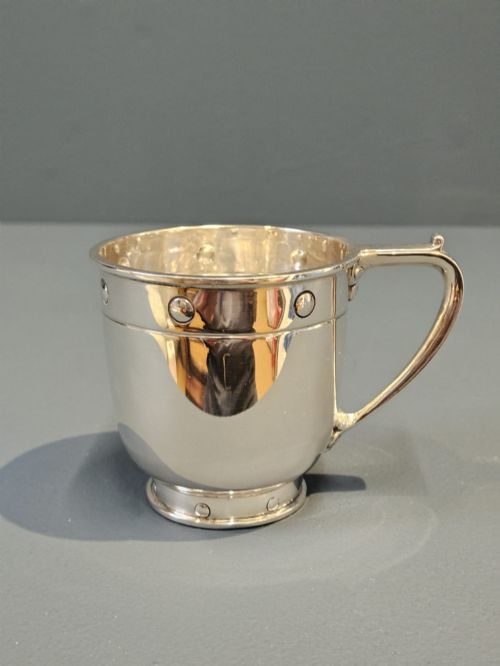
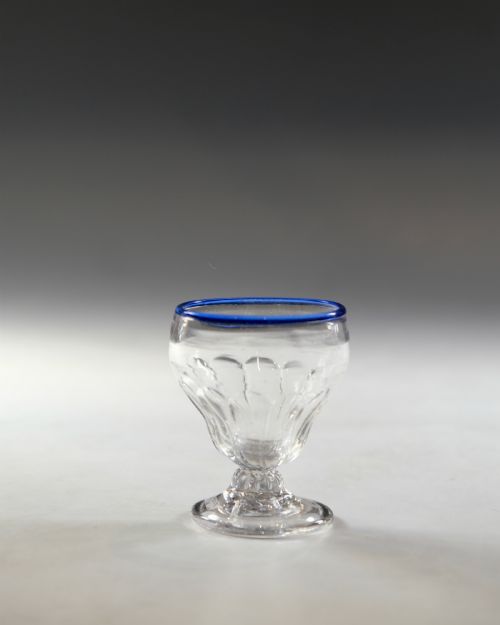
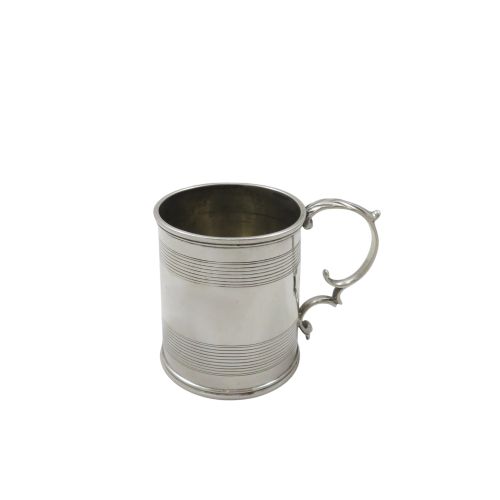
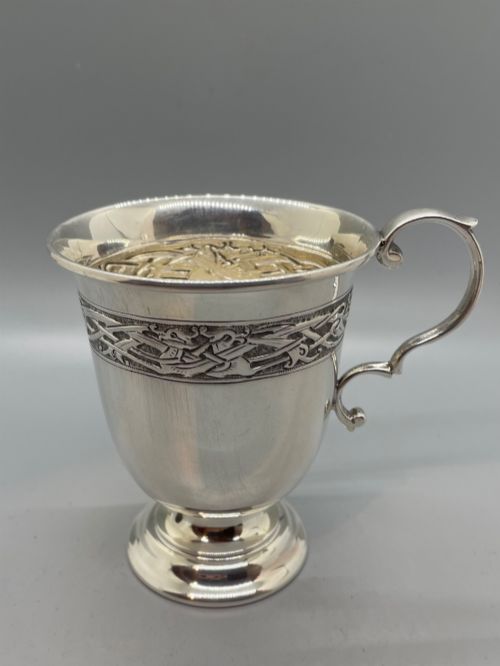
These robust vessels and delicate glasses span centuries of tavern and table use, making a georgian drinking cup a tactile link to historical social rituals.
Georgian Drinking Cup
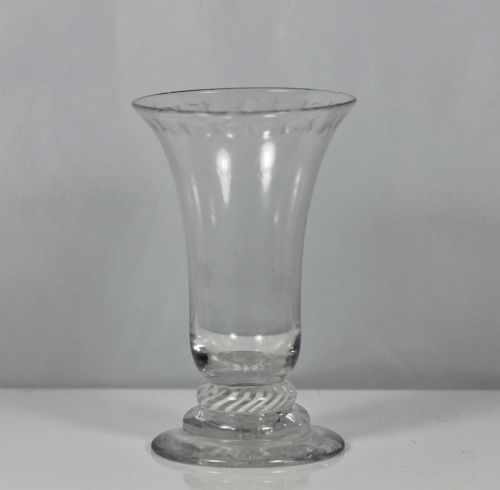
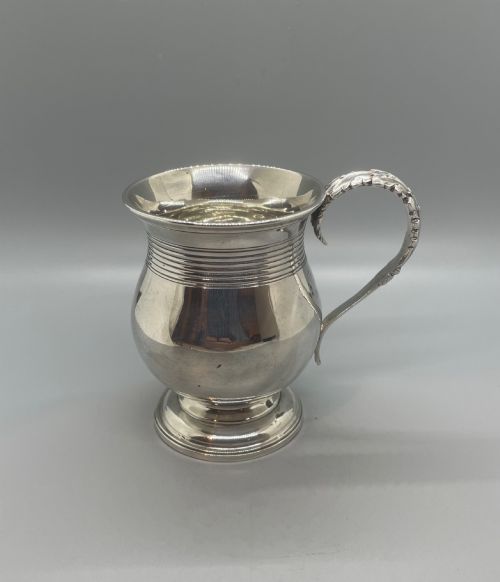
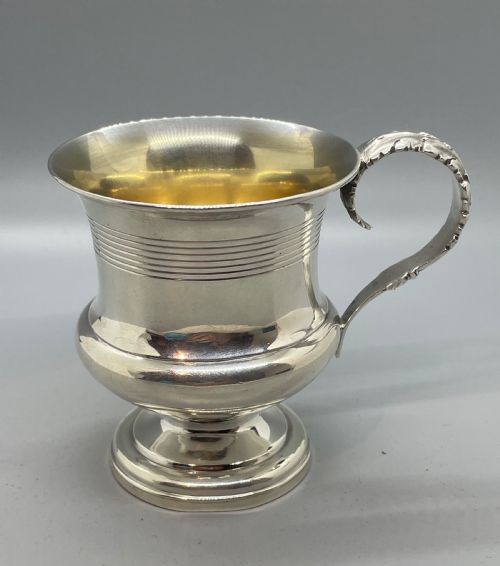
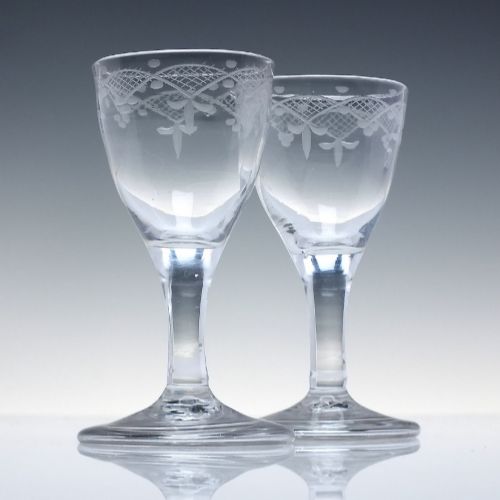
A georgian drinking cup encompasses a diverse range of forms, from heavy sterling silver tankards and christening mugs to delicate hand-blown lead glass dram glasses, jelly glasses, and rummers.
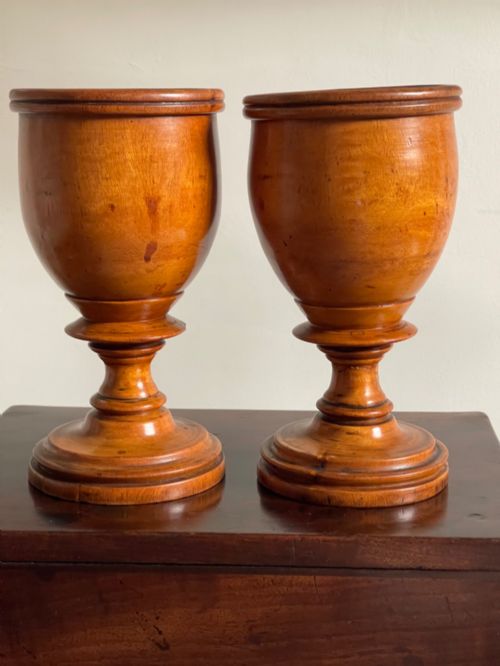
Makers utilised various materials including earthenware, pearlware, treen such as lignum vitae and fruit wood, horn, and pewter, reflecting both humble domestic applications and wealthy dining rooms.
Surviving examples span the eighteenth and nineteenth centuries, appearing in distinct regional styles that include Georgian, Regency, and early Victorian iterations.
Materials and Technique
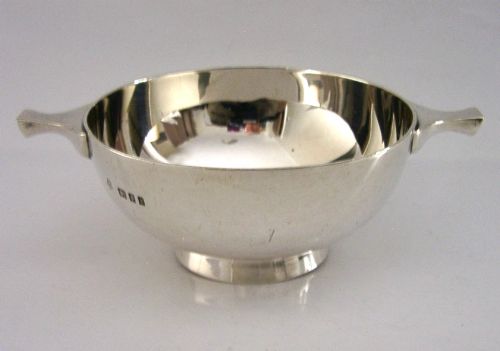
Silver vessels were hammered from solid sterling sheet or cast with Britannia standard metal, often featuring hand-engraved bright-cut decoration or sturdy applied handles.
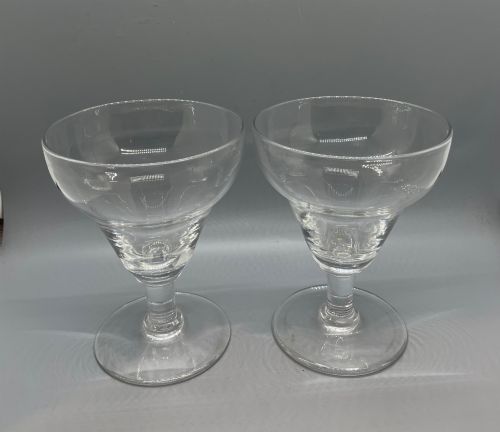
Glassware was mouth-blown, utilising lead metal to achieve clarity or coloured pots to produce green and amethyst tones, sometimes shaped with folded feet or complex air-teared stems.
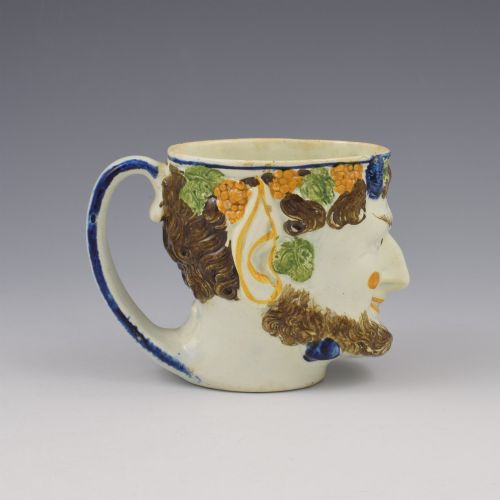
Ceramic pieces rely on earthenware, porcelain, and pearlware bodies, shaped in moulds such as the Bacchus satyr or fox head stirrup designs, then hand-painted or glazed.
Watch for ceramic foxes and satyrs staring back from the table, reminding diners that historic drinking vessels possessed a lively sense of humour.
Evaluating the Pieces
Quality rests upon the crispness of execution, whether in the deep hand-engraving on a silver tankard, the sharp moulding of a ceramic stirrup cup, or the smooth draw of a blown glass stem.
The integrity of the material dictates long-term survival, favouring pieces with uncompromised vessel walls, crisp hallmarks on silver, and stable joins on handles or pedestals.
Proportion and weight distinguish finer examples, such as heavy solid silver mugs and balanced lead glass rummers possessing substantial tactile presence.
Barker Bros·Duesbury and Kean
The Georgian Drinking Cup Glossary
- Tankard
- A tall drinking vessel with a single handle, typically cylindrical and made of silver, pewter, or ceramic. They often feature lids or reinforced bases for tavern use.
- Rummer
- A large, heavy drinking glass with a short stem and a capacious bowl used for serving wine or ale. These pieces frequently exhibit engraved floral or commemorative motifs.
- Stirrup cup
- A ceramic or metal cup shaped like an animal head, traditionally handed to a horseman before a hunt. They are unfooted so they cannot be set down until emptied.
- Pearleware
- An earthenware body developed in the eighteenth century with a bluish glaze that pooled in recesses to mimic Chinese porcelain. It forms the base for many painted jugs and mugs.
Georgian Drinking Cup: Frequently Asked Questions
What is a georgian drinking cup used for?
These vessels served everyday beverages like ale, wine, whisky, and cordials at taverns and domestic dining tables. Many metal and ceramic examples also functioned as celebratory christening gifts.
Heavier vessels held generous portions for communal toasts, while smaller dram and jelly glasses held potent spirits and sweet desserts.
How do I clean antique silver mugs?
Silver pieces require gentle washing in warm soapy water using a soft cloth to protect the underlying metal and any hand-engraved decoration. Avoid abrasive dips or harsh commercial pastes that strip historic patination.
Dry the vessel thoroughly with a lint-free towel immediately after washing to prevent water spots from forming on the surface.
Are glass and ceramic cups safe for daily use?
Historic lead glass and early ceramics can contain unstable compounds or develop microscopic hairline fractures over centuries of handling. Hand washing is essential to preserve them from thermal shock and impact.
Many collectors prefer to display these fragile items rather than risk modern dishwasher cycles or harsh beverage contents.
How can I tell glass periods apart?
Eighteenth-century drinking glasses frequently exhibit pontil marks on the base where the glassmaker snapped the iron rod. Lead metal gives these early vessels a heavier feel and a resonant ring when tapped.
Later Victorian and twentieth-century items often show smoother finishes, machine moulds, or different optical twist patterns within the stem.