


Georgian Drawer Slide
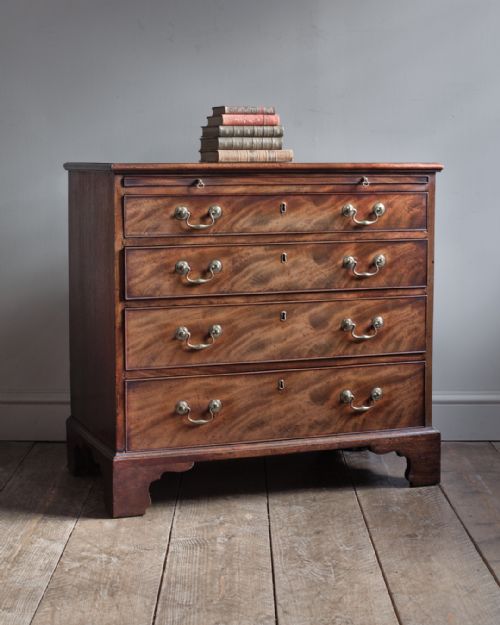
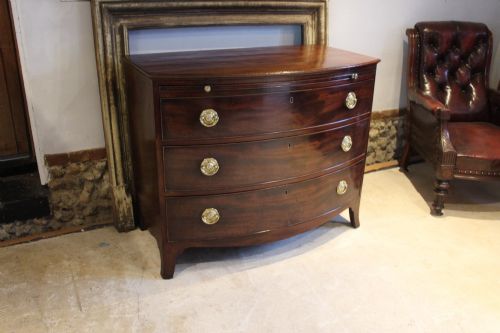
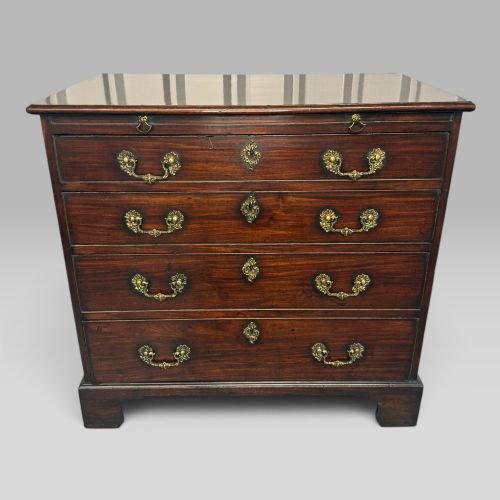
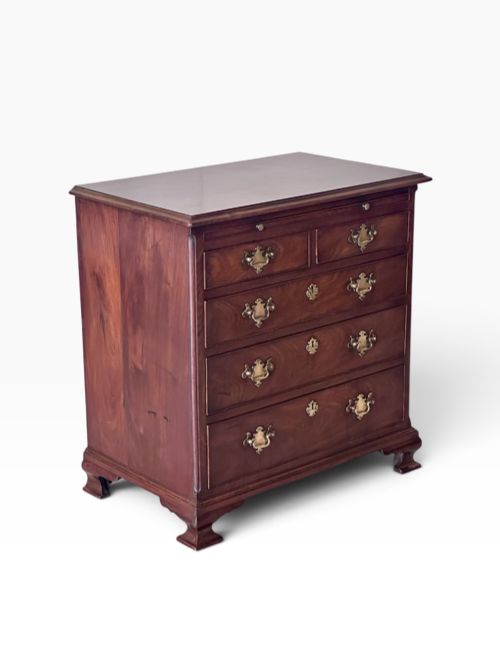
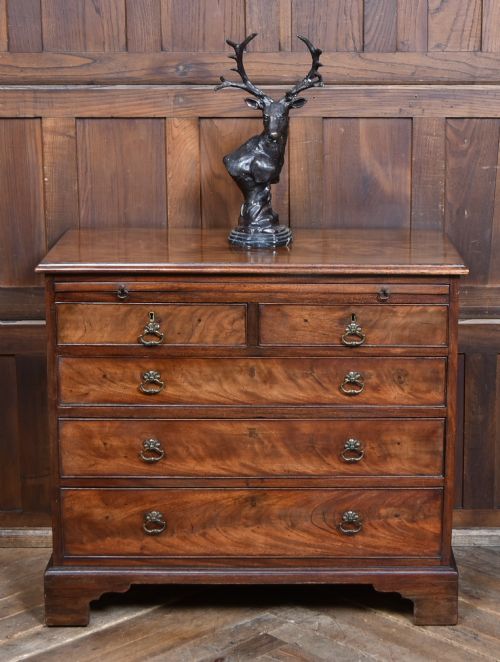
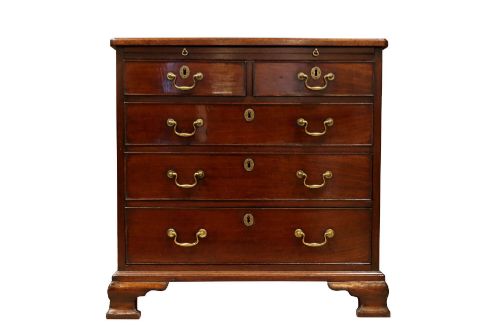
A georgian drawer slide is the pull-out shelf tucked into a chest or bachelors writing desk, offering a neat surface for letters or papers.
Georgian Drawer Slide
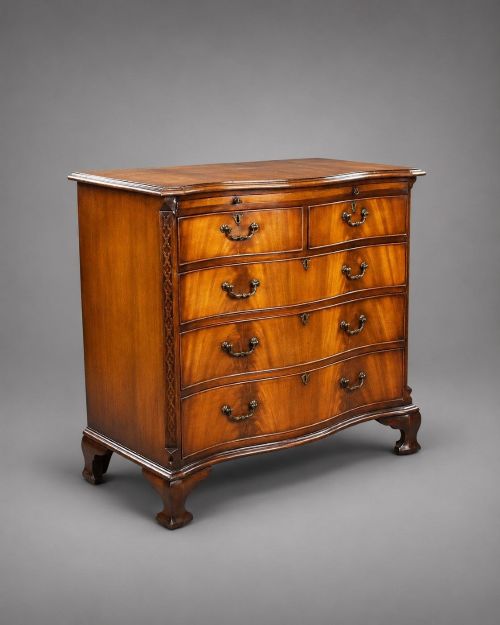
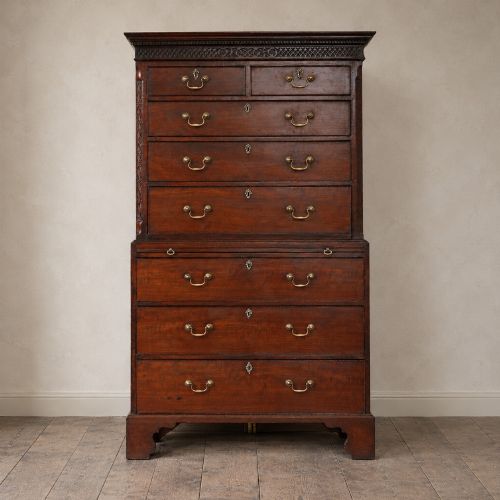
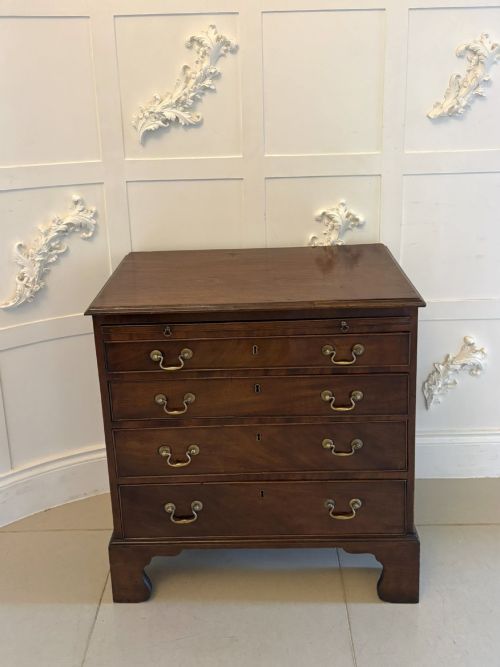
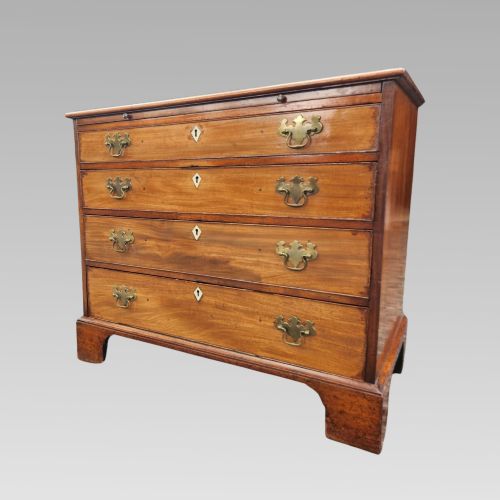
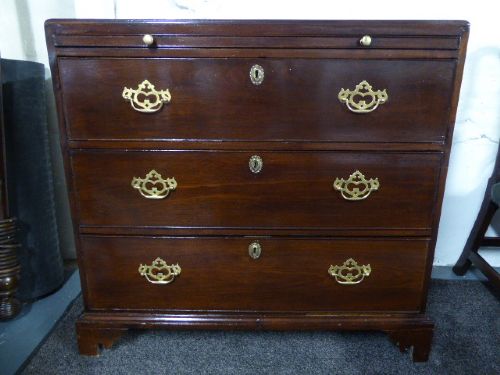
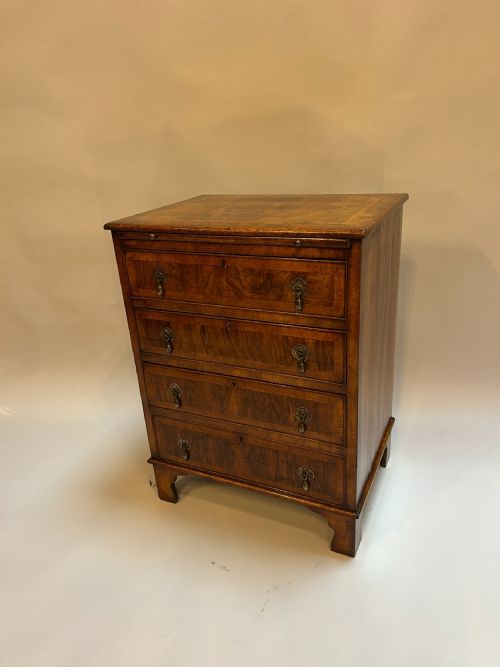
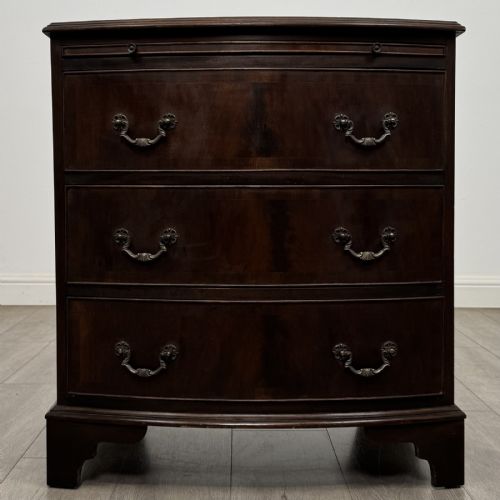
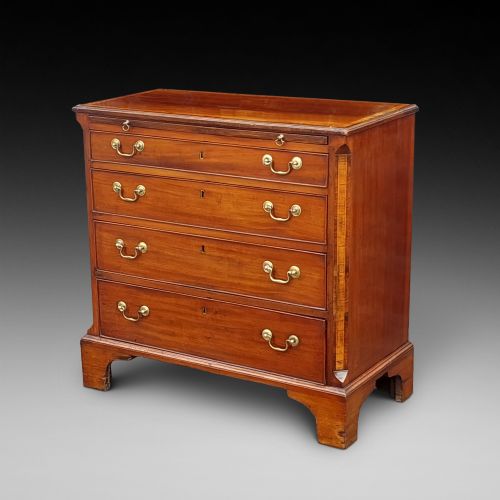
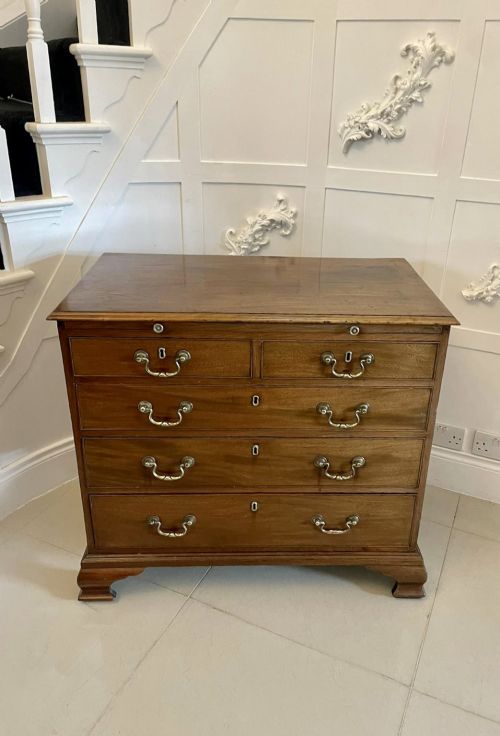
A georgian drawer slide appears most frequently on mahogany bachelors chests, chests on chests, and writing desks from the eighteenth century through to later revival periods. These pull-out boards sit directly above the top tier of drawers, providing an integrated writing surface or staging area that tucks away completely when not required.
The form developed to serve practical writing and dressing needs in domestic chambers before dedicated writing tables became common in every room. Buyers meeting these pieces today encounter solid timber construction housing a fitted secondary panel that slides smoothly on wooden runners.
Pieces carrying this feature span George II, George III, and Edwardian interpretations, alongside later twentieth-century reproductions built in the same manner. The surviving examples demonstrate how cabinetmakers combined storage with flexible surface space in compact room layouts.
Materials and construction
Cabinetmakers built these carcases primarily using dense mahogany, walnut, and oak, often selecting figured timber veneers for primary display surfaces. The sliding panels themselves require stable secondary timbers to prevent warping within tight drawer housings over centuries of use.
Makers integrated the slide into the framing just above the uppermost drawer, employing grooved side rails or simple wooden bearers to support the pull-out board. Brass pulls or inset drop handles complete the assembly, allowing the user to draw out the shelf cleanly.
Georgian Drawer Slide Retail Price Guide 2026
Typical asking prices for georgian drawer slide among the pieces listed under this phrase on Sellingantiques today, from the lower quarter to the upper quarter. They describe what is for sale here now, not the wider market.
Distinctions in craftsmanship
Quality rests in the precision of the slide mechanism and the selection of cabinet timber, where finely figured mahogany or walnut figure prominently across superior examples. A well-made slide glides evenly within its housing without sagging when extended, supported by robust internal framing rather than hasty repairs.
Proportion and secondary wood choice separate standard production from masterwork execution, particularly in smaller bachelors chests and serpentine writing forms. The integration of fitted interiors, baize or leather surfaces, and clean dovetailing distinguishes the work of accomplished workshops.
Druce & Co
The Georgian Drawer Slide Glossary
- Brushing slide
- A pull-out shelf fitted into a chest of drawers or desk, traditionally used for brushing clothes or writing letters. It retracts flush with the furniture frame.
- Bachelors chest
- A compact chest of drawers featuring a fold-over top or a pull-out slide, designed for small bedchambers. These pieces frequently date from the eighteenth century.
- Chest on chest
- A tall storage unit formed by stacking a smaller chest of drawers directly onto a wider base chest, often incorporating a slide in the upper section.
- Press cupboard
- A large storage piece with upper cabinet doors enclosing clothes hanging space or trays, positioned above a lower chest base.
- Serpentine front
- A furniture front curved in a convex-concave-convex wave shape, demanding high skill from the cabinetmaker shaping the timber and drawers.
Georgian Drawer Slide: Frequently Asked Questions
What is a georgian drawer slide used for?
This pull-out timber shelf served primarily as a temporary writing desk or a surface for sorting papers and garments in the bedchamber. Owners pulled the panel forward when space was needed and pushed it back flush when finished.
In period rooms where full-sized desks occupied too much floor area, the slide provided practical utility without altering the clean facade of the chest.
How do I identify a bachelors chest?
A bachelors chest is typically smaller in scale than a standard chest of drawers and incorporates either a hinged folding top or a dedicated pull-out slide. The proportion remains compact, designed for personal living quarters.
Examining the upper section usually reveals the secondary board integrated directly beneath the top board or above the uppermost small drawer.
Are these slides prone to sticking?
Seasonal humidity changes can cause older timbers to expand, making the wooden runners grip tightly against the slide edges. Proper maintenance involves keeping the internal tracks clean and dry rather than applying heavy lubricants.
Well-constructed examples maintain a balanced fit that glides smoothly even after centuries of expansion and contraction in domestic environments.
What timber was used for these pieces?
Mahogany and walnut dominate the surviving examples, supported by oak carcase framing and secondary interior woods. Cabinetmakers selected figured veneers for the drawer fronts and top surfaces to create visual depth.
Later revival pieces continued this tradition by utilising solid mahogany and burr walnut to replicate the weight and grain of the earlier Georgian era.