



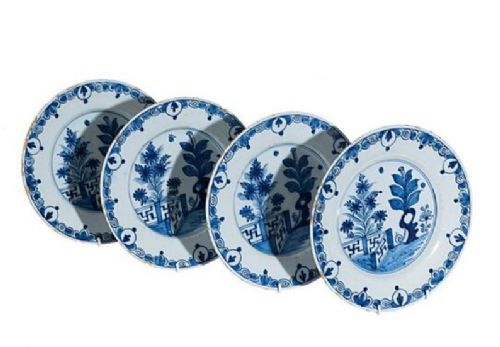


Georgian Dinner Plates
Georgian dinner plates bring tactile historic grace to the table, offering robust earthenware and refined porcelain shaped by centuries of dining tradition.
Georgian Dinner Plates
Georgian dinner plates span the eighteenth and early nineteenth centuries, encompassing utilitarian wares and decorative services alike. Buyers seeking georgian dinner plates encounter diverse expressions from creamware pottery to fine porcelain and pewter.
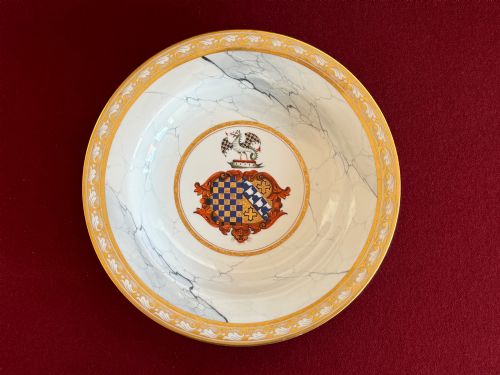
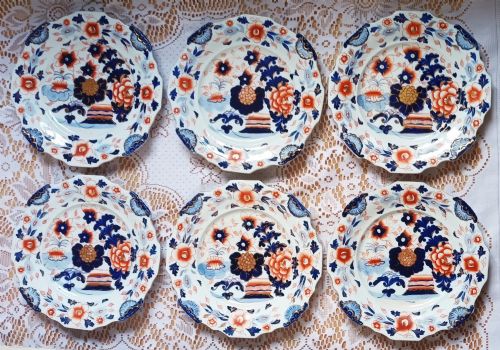
The selections on this page range from crisp blue and white transfer-printed patterns to intricate armorial designs and vibrant Japan pattern ironstone. Makers and factories of the era embraced both classical restraint and exuberant orientalist motifs.
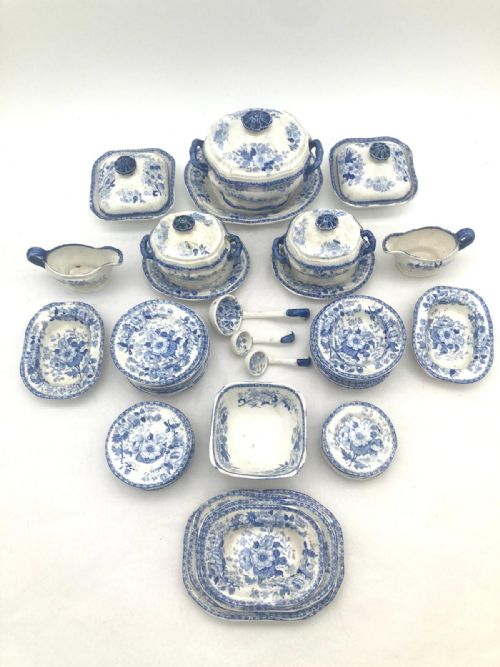
Forms extend beyond standard flatware to include soup plates, child services, and matching platters. Each piece reflects the shifting domestic habits and dining rituals of Georgian households.
How they were made
Potters shaped earthenware, ironstone, and creamware on the wheel or pressed them into moulds before applying tin glazes or transparent lead glazes. Cobalt blue transfer printing allowed intricate patterns to be transferred from engraved copper plates directly onto the ceramic body.
Metal alternatives such as pewter and Old Sheffield Plate combined copper bases fused with thin sheets of silver, shaped through hammering and soldering. Artisans finished metal surfaces by hand polishing to achieve a lustrous sheen.
Georgian Dinner Plates Retail Price Guide 2026
Typical asking prices for georgian dinner plates among the pieces listed under this phrase on Sellingantiques today, from the lower quarter to the upper quarter. They describe what is for sale here now, not the wider market.
Dine with crucifixion plates if you enjoy your Sunday roast served alongside a stark reminder of mortal accountability.
What varies in quality
The refinement of the paste and the clarity of the glaze set the foundation, where smoother earthenware and crisper porcelain command greater attention. Hand-painted enamels and gold leaf application reveal the steadiness of the decorator's hand.
Pewter and silver-plated items vary according to the crispness of touchmarks and the preservation of the underlying metal layers. Complete sets and matched groupings display greater visual harmony than assembled single items.
Barr, Flight and Barr·Minton·T & H Compton·Matthew Boulton·Wedgwood·Spode·Leeds
The Georgian Dinner Plates Glossary
- Creamware
- A refined light-coloured earthenware developed in Yorkshire, possessing a warm yellowish glaze. It became the dominant domestic tableware of the Georgian period.
- Transfer printing
- A technique where an engraved copper plate transfers a design onto tissue paper, which is then pressed onto ceramic biscuit before glazing and firing. This innovation enabled complex blue and white patterns to be produced consistently.
- Armorial
- A ceramic or metal surface painted or engraved with a family coat of arms. Such pieces were custom-ordered by landed families for formal dining.
- Ironstone
- A dense, durable type of earthenware patented in the early nineteenth century to imitate Chinese porcelain. It resists chipping while offering a bright white ground for japanned patterns.
- Old Sheffield Plate
- An early form of composite metal made by fusing a sheet of silver to a copper ingot and rolling them together. It bridges solid silver and base metal plating.
Georgian Dinner Plates: Frequently Asked Questions
Can I use antique plates for dining?
Many sturdy earthenware and ironstone plates remain robust enough for careful daily use, provided they are washed by hand rather than subjected to modern dishwashers.
Softer porcelains and creamwares with extensive overglaze enamel or gold leaf are better reserved for display or occasional gentle service.
How do I identify a Georgian plate?
Look for characteristic potting traits such as unglazed foot rims, potting scars from kiln stilts, and hand-mixed ceramic bodies that show slight irregularities.
Stylistic cues like transfer-printed Chinoiserie, blue and white landscapes, and armorial crests also point directly to late eighteenth and early nineteenth-century production.
What is creamware?
Creamware is a refined earthenware perfected in England that revolutionised dining tables with its pale, butter-yellow tone and lighter weight compared to traditional salt-glazed stoneware.
Its development allowed potteries to supply affordable yet elegant tableware across all levels of Georgian society.
Are pewter plates safe to use?
Georgian pewter plates contain higher proportions of tin and lead, meaning they suit decorative display and historical table settings rather than acidic food consumption.
Regular gentle dusting and occasional waxing help preserve the historic surface patination without stripping the metal.