
Georgian Dining Pedestals
Georgian dining pedestals anchor the grand extendable tables and sideboards that define formal dining rooms from the late eighteenth century onwards.
Georgian Dining Pedestals
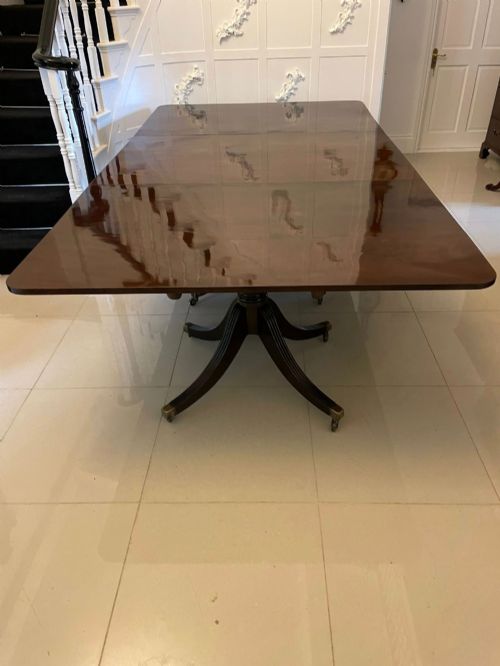
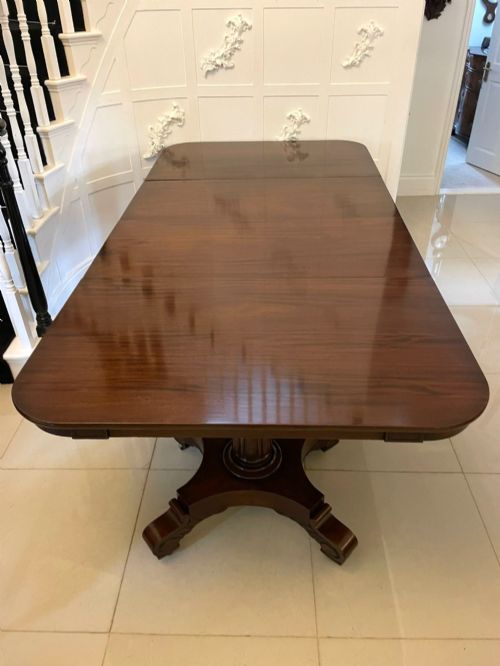
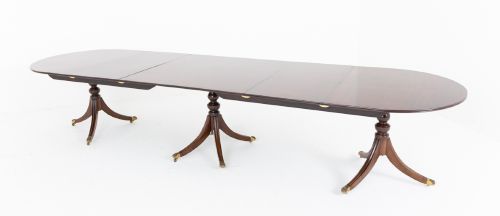
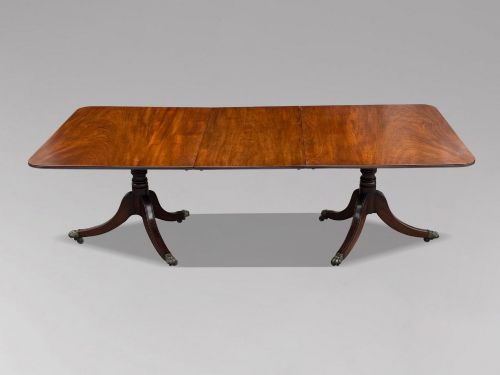
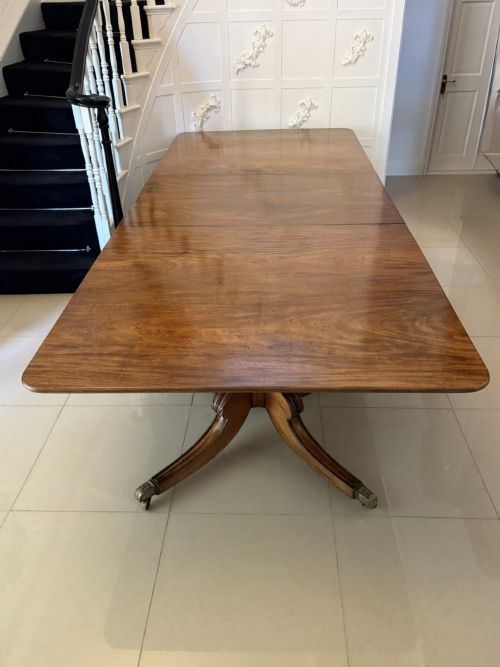
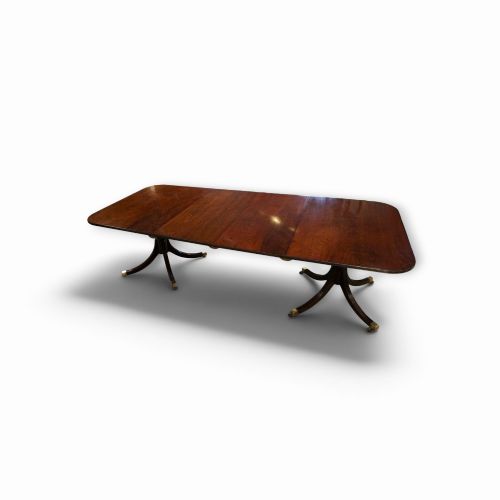
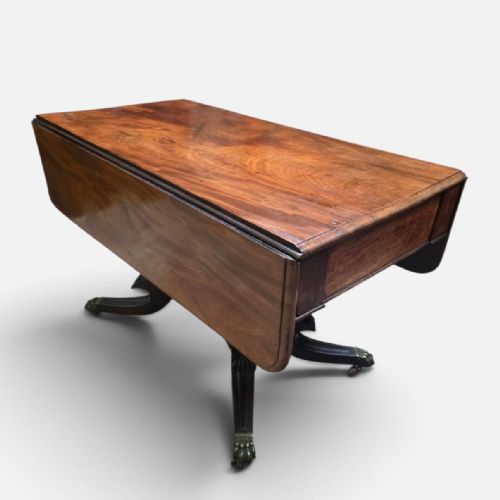
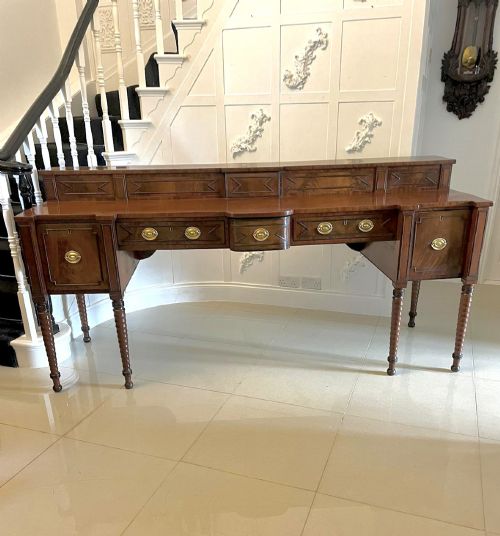
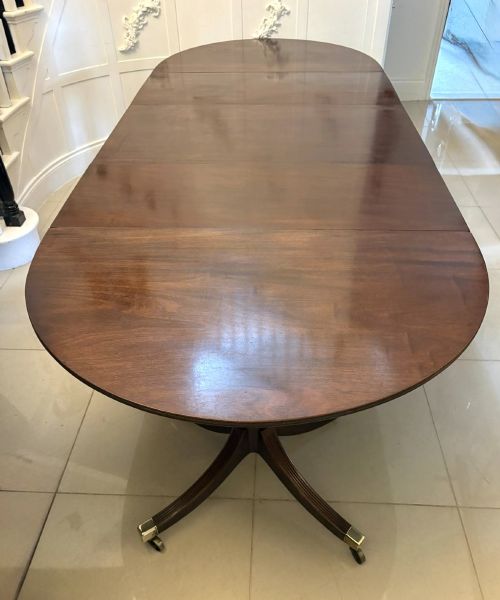
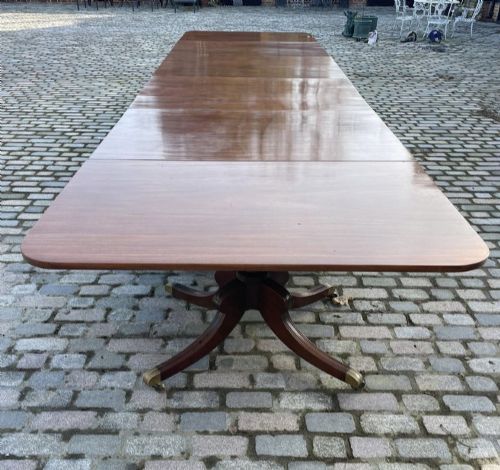
Georgian dining pedestals form the sturdy pillar supports for large multi-pillar extending dining tables, breakfast tables, and substantial pedestal sideboards. When you search for georgian dining pedestals, you encounter twin-pillar and triple-pillar configurations designed to accommodate multiple leaves for large dinner parties.
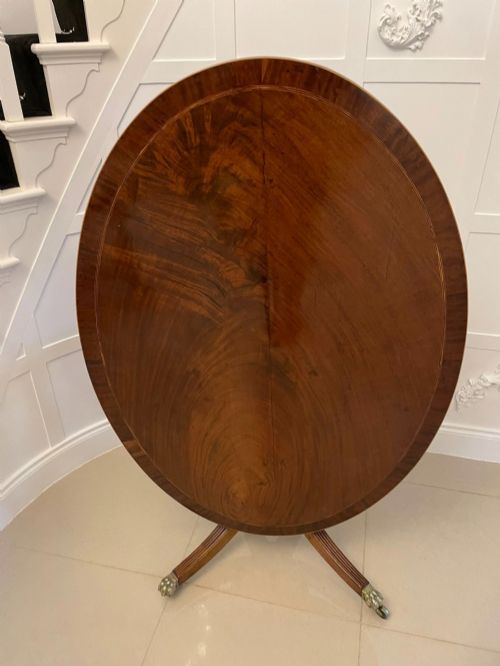
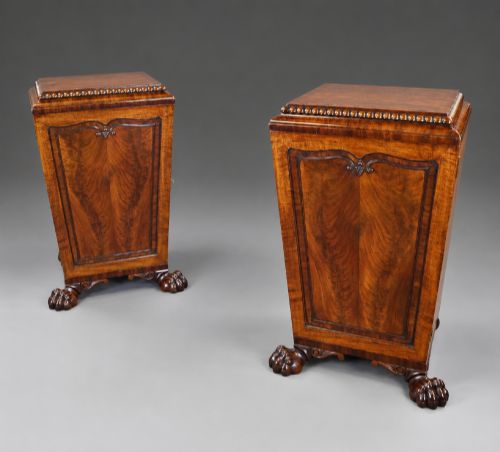
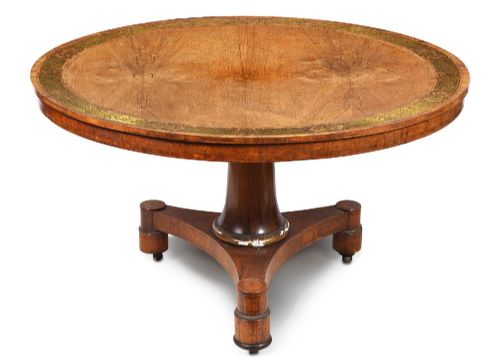
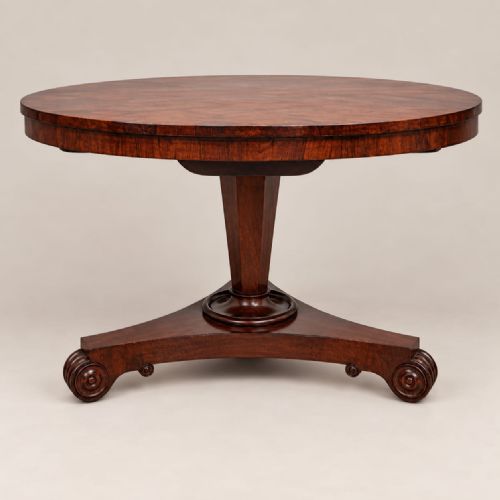
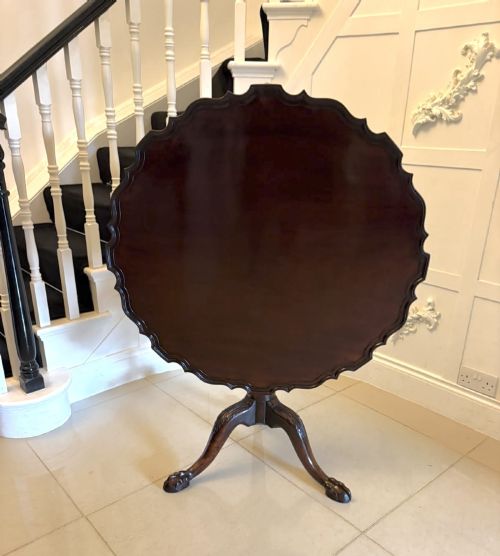
The selections span the George III, Regency, and William IV periods, alongside later revival pieces produced in the twentieth century. These furnishings range from circular tilt-top centre tables and wine urn cupboards to massive sixteen-seater extending dining tables resting on solid timber columns.
How they were made
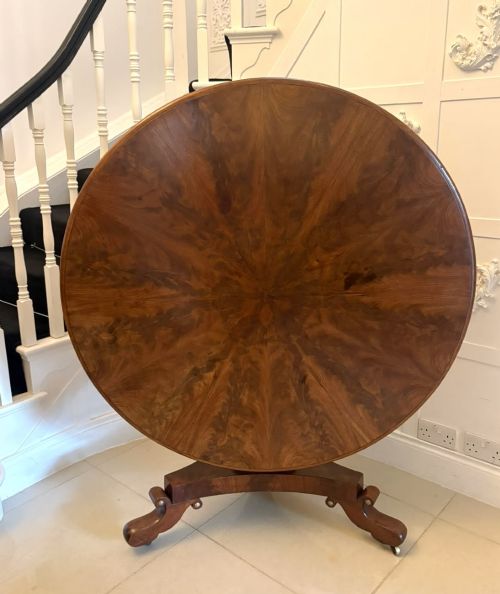
Cabinet makers built these pedestals primarily from solid mahogany and figured mahogany veneer, often incorporating flame mahogany, rosewood, and burr elm for visual depth. Decorative enrichment frequently involved boxwood inlay and brass details.
Structural stability relied on heavy turned or carved pillars rising from triform or quadraform bases, frequently fitted with brass castors to allow the heavy extending tables to move smoothly when adjusting seating capacity.
Materials documented across the inventory include solid mahogany, rosewood, burr elm, flame mahogany veneer, and boxwood inlay.
What varies in quality
The distinction between standard examples and the finest work lies in the choice of timber and the fidelity of the period styling. Superior tables utilise highly figured mahogany and precise boxwood inlay rather than plain secondary timbers.
Proportion and engineering dictate the calibre of extending pillar tables, where smooth mechanical actions for extra leaves and well-balanced pillar supports separate exceptional workshop production from simpler output.
Thomas Butler·Gillows
The Georgian Dining Pedestals Glossary
- Pedestal
- A structural pillar support beneath a table top or sideboard, often resting on splayed legs. These columns distribute the weight of large extending dining surfaces.
- Tilt-top
- A hinged table top that tips into a vertical position when not in use to save floor space. This mechanism appears on circular breakfast and centre tables.
- Extending table
- A dining table designed with drop-in leaves and multiple pillars to expand seating capacity. Twin-pillar and triple-pillar variants dominate this category.
- Flame mahogany
- A decorative veneer cut from timber fork joints to create a distinctive flickering flame pattern. Cabinet makers used this on prominent table tops and sideboard fronts.
- Wine urn
- A covered vessel on a pedestal cupboard designed to store or chill bottles in formal dining rooms. Paired examples often flank grand sideboards.
Georgian Dining Pedestals: Frequently Asked Questions
How do twin and triple pillar tables differ?
Twin-pillar tables utilise two column supports and generally suit medium-length dining spaces seating up to ten or twelve guests comfortably.
Triple-pillar tables incorporate three columns to support much longer extending tops designed for large banqueting settings accommodating sixteen diners or more.
What is a tilt-top breakfast table used for?
Breakfast tables with tilt-top mechanisms served as versatile morning dining surfaces in private chambers or smaller parlours before being cleared away.
The hinged top allowed servants to pivot the table upright and store it flat against a wall when the room required alternative daytime use.
How do I identify a Regency pedestal sideboard?
Regency pedestal sideboards feature substantial timber construction with bowed fronts, often combining figured mahogany veneers and brass hardware.
They stand independently or incorporate cupboard pedestals at each end, distinguishing them from later breakfront or revival sideboard designs.
Can I use an extending table every day?
These extending pedestal tables tolerate regular daily use provided the mechanical pull-out runners and pillar joints receive careful handling.
Using protective pads beneath hot dishes and maintaining consistent indoor humidity preserves the polished mahogany surface against heat and moisture damage.