



Georgian Dessert Dish
A georgian dessert dish brings the refined taste of an eighteenth or nineteenth century dining table directly into your home.
Georgian Dessert Dish
A georgian dessert dish comprises plates, serving vessels, and stands created to present sweet courses at the conclusion of a formal meal. These items emerge from periods spanning the eighteenth and nineteenth centuries, including the Regency and Georgian eras.
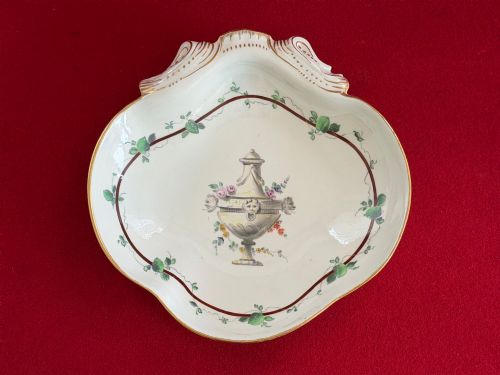
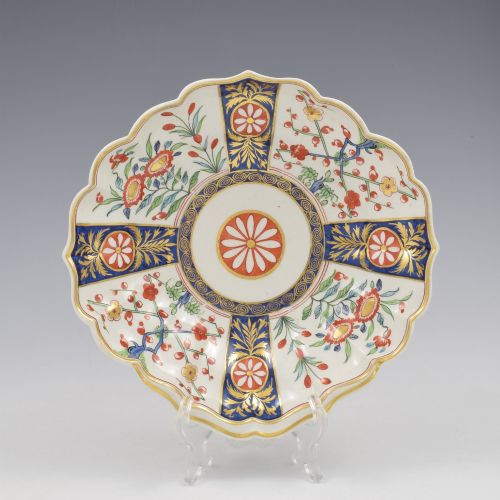
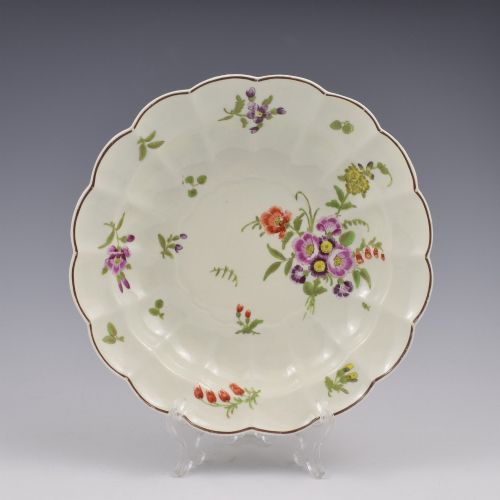
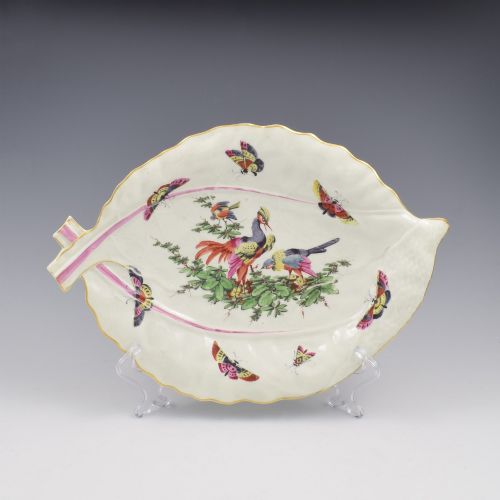
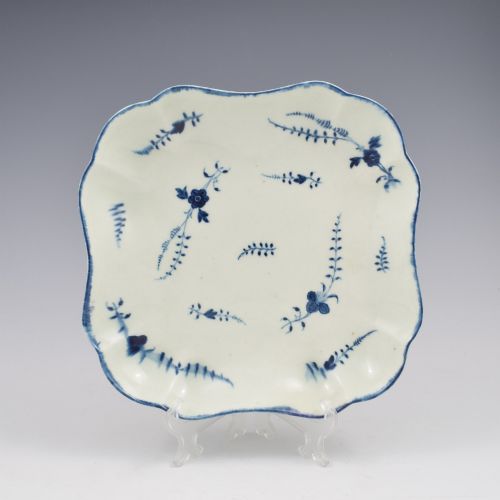
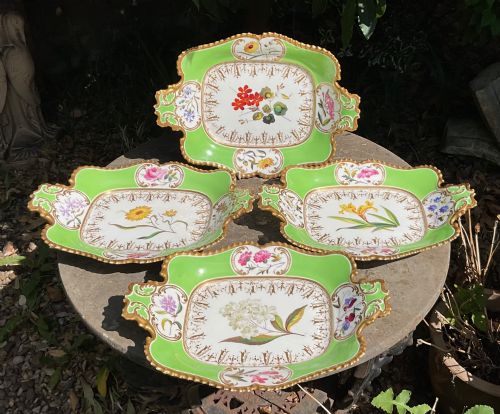
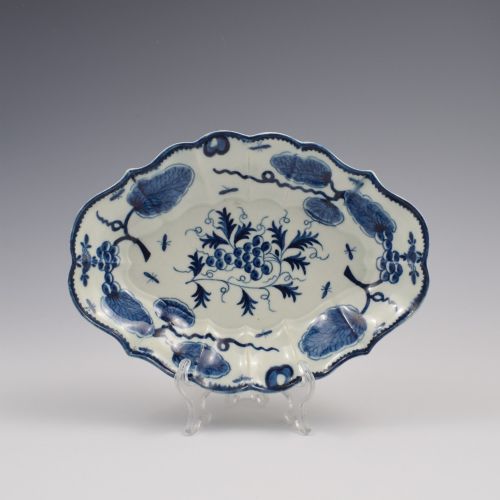
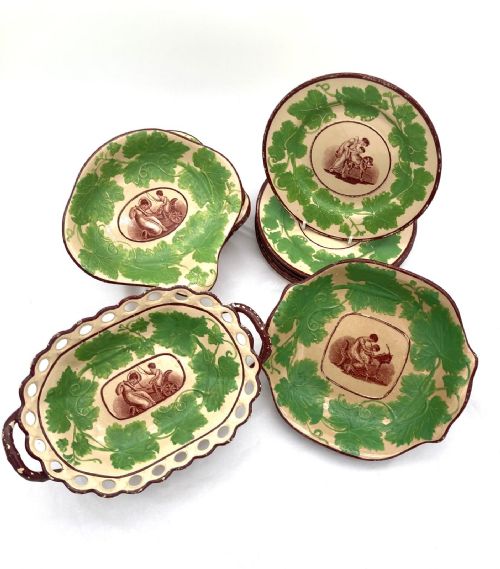
The objects take many forms, such as shell-shaped dishes, lobed bowls, square dishes, and botanical plates. Porcelain and earthenware dominate the selection, alongside lead glass sweetmeat plates.
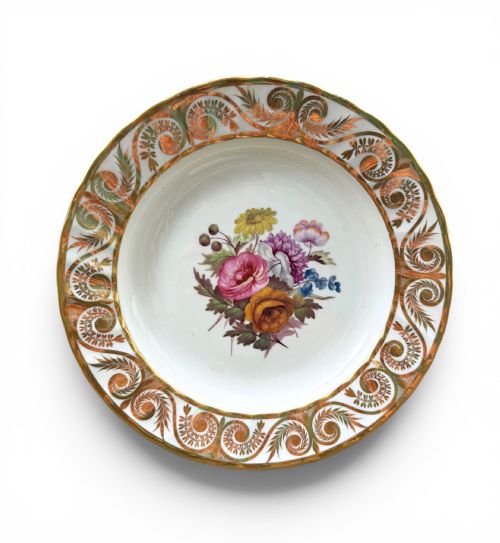
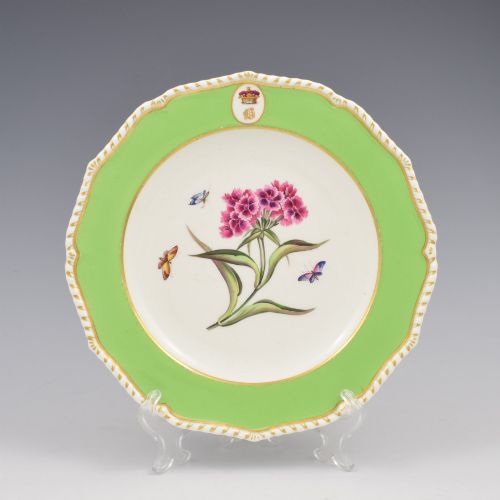
Makers from Worcester, Derby, and Staffordshire workshops shaped British dining habits through these specialised serving pieces. Buyers frequently encounter plates and dishes bearing botanical paintings, armorial crests, and oriental-inspired patterns.
Judging quality in domestic wares
Quality rests upon the precision of the hand-painted decoration, such as botanical accuracy in floral studies or the crispness of armorial transfers. Pieces painted by recognised studio artists or major factory hands command greater attention.
The refinement of the ceramic body and the depth of the glaze also separate standard production wares from superior service components. Form complexity, such as moulded shell edges or distinct foot rings, indicates higher ambition from the maker.
Georgian Dessert Dish Retail Price Guide 2026
Typical asking prices for georgian dessert dish among the pieces listed under this phrase on Sellingantiques today, from the lower quarter to the upper quarter. They describe what is for sale here now, not the wider market.
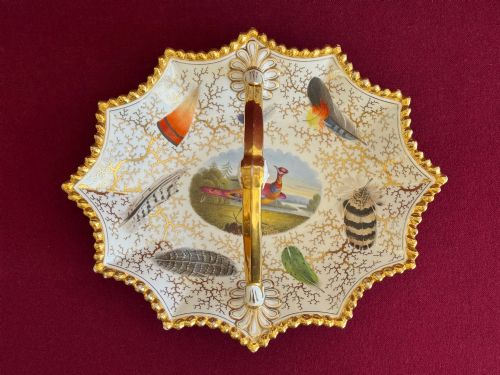
Several plates depict exotic birds and botanical specimens painted by hand over two centuries ago.
James Giles·Flight Barr and Barr·Chamberlains Worcester·Bloor Derby·Mason·Coalport
The Georgian Dessert Dish Glossary
- Armorial
- Bearing a coat of arms or family crest. These bespoke services were commissioned by wealthy patrons.
- Soft-paste porcelain
- An early artificial porcelain body composed of clay and glass frit. It produces a warm tone under translucent glaze.
- Sweetmeat
- A confectionery item or sweet delicacy served during the dessert course. Specialised glasses and dishes held these treats.
- Ironstone
- A heavy, durable type of earthenware patented in the nineteenth century. It resists chipping while offering a stable base for transfer printing.
- Enamel
- Opaque vitreous material fused to pottery surfaces through firing. It provides vibrant colour details across botanical and figurative motifs.
Georgian Dessert Dish: Frequently Asked Questions
What were dessert dishes used for?
These dishes held fruit, sweetmeats, jellies, and confectionery served at the end of a formal meal. Hosts used matching services to display wealth and hospitality.
Guests selected delicacies from these serving plates as the dining table was cleared for the final course.
How do I care for antique porcelain?
Wash pieces by hand in warm water using mild soap, avoiding abrasive sponges or dishwashers. Sudden temperature changes will crack old ceramic bodies and fragile glazes.
Store plates in stable display cabinets where they avoid stacking weight and direct sunlight.
Can I use these dishes for dining?
While structurally sound, antique ceramics often feature lead glazes and delicate enamels that wear away with regular use. Modern cutlery easily scratches soft glazes from the eighteenth century.
Collectors generally reserve these historic items for display rather than daily service.
How do I identify Regency pieces?
Regency items often display bolder colours, classical motifs, and botanical studies reflecting early nineteenth century tastes. Markings on the reverse, such as factory scripts, help pinpoint the decade of production.
Stylistic cues like apple green borders and armorial crests separate Regency wares from earlier Rococo designs.