


Georgian Desktop Box
A georgian desktop box organises correspondence, keepsakes and dressing accessories with the refined cabinetry typical of the eighteenth and nineteenth centuries.
Georgian Desktop Box
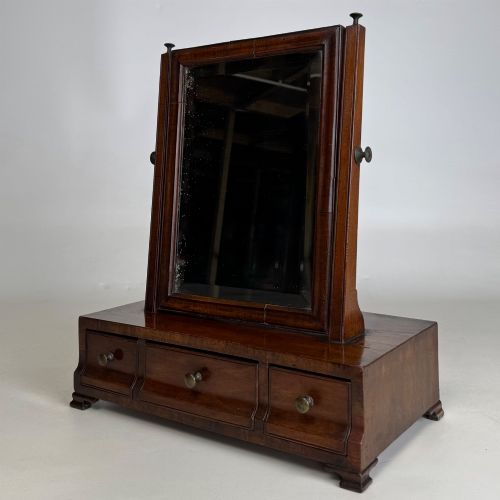
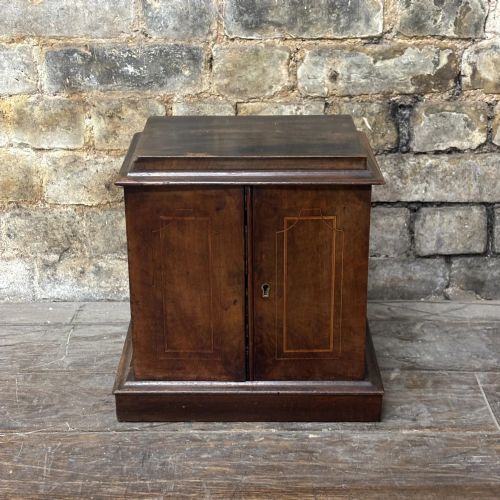
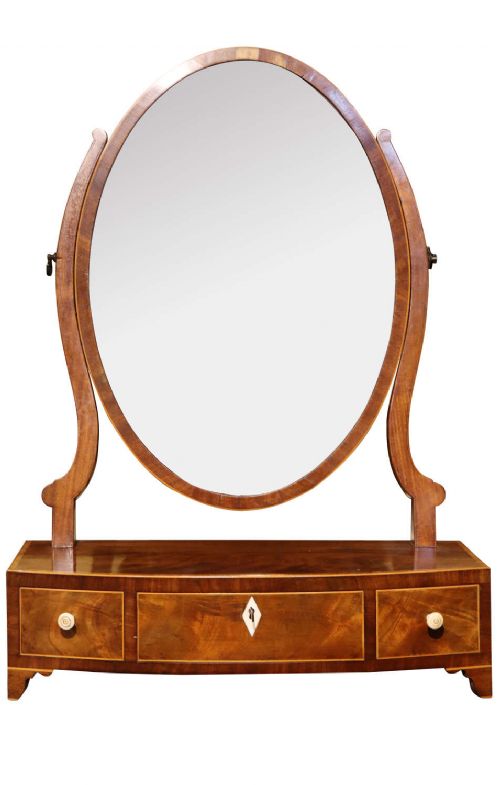
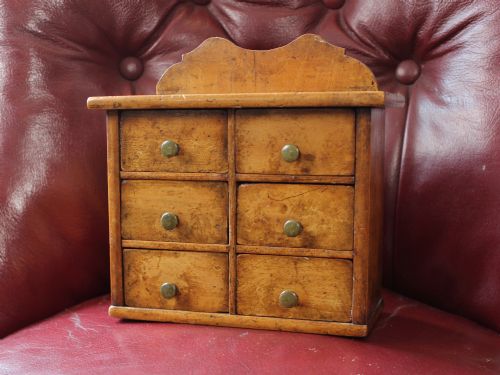
A georgian desktop box encompasses a diverse group of portable containers designed for surface use, including stationery cabinets, miniature chests of drawers, writing slopes and dressing table mirrors. These pieces originate primarily from the eighteenth and nineteenth centuries, spanning periods such as the Georgian, Regency and Victorian eras.
The versions most frequently encountered on this page take the form of compact mahogany or oak receptacles, often fitted with internal drawers, compartments or slant fronts. Alongside these traditional writing and storage boxes, collectors find miniature furniture pieces and specialised desk accessories that reflect domestic habits of the period.
Materials and Techniques
Cabinetmakers constructed these boxes using dense timbers suited to fine joinery, predominantly employing mahogany, walnut, oak and satinwood, occasionally accented with fruitwood or elm. Surfaces frequently display decorative treatments such as crossbanding, holly and bog oak inlay, or mother of pearl embellishment.
Structural integrity relied on traditional dovetail joints for drawer construction and secure hinging for lids and sloping fronts. Brass mounts, handles, and silver fittings were integrated to reinforce corners and provide functional hardware for everyday use.
Some miniature chests come complete with tiny secret drawers designed to hide extremely small secrets.
Standards of Execution
Quality in a georgian desktop box rests on the precision of the timber selection and the crispness of the secondary veneers and inlay work. Pieces displaying symmetrical grain alignment, such as figured mahogany or burr oak, demonstrate superior original material selection.
Internal arrangement and hardware execution further distinguish the work, as does the survival of original patination, internal dividers and secret compartments. Superior examples maintain tight joints and unwarped lids that align correctly with their surrounds.
The Georgian Desktop Box Glossary
- Crossbanding
- A decorative border technique where veneer strips are laid perpendicular to the grain of the central panel. This frames the primary wood surface with a contrasting directional grain.
- Pounce pot
- A small container with a perforated top used to sprinkle resin powder onto rough paper. This prepared the writing surface so ink would not bleed.
- Cheveret
- A small mobile writing table or stand fitted with a shelf or stationery rack above drawers. It represents a specialised form of multi-functional desk furniture.
Georgian Desktop Box: Frequently Asked Questions
What is a georgian desktop box used for?
These boxes served as portable desks or secure containers for writing materials, letters, and personal valuables. Their internal compartments kept small documents and accessories organised on a table or bureau.
Today, they function well for storing modern stationery, keepsakes, or jewellery while adding period character to a workspace or living area.
How do I care for antique wood boxes?
Keep wooden boxes away from direct sunlight and heat sources to prevent the timber from drying out and the veneers from lifting. Regular dusting with a soft, dry cloth maintains the surface.
Apply a microcrystalline wax sparingly if the timber appears dry, avoiding heavy commercial polishes that can build up on old patinated surfaces.
How can I tell a miniature chest from a full-sized one?
Miniature chests of drawers and apprentice pieces are scaled-down versions built with full cabinetmaking precision. Proportions and drawer depth indicate their intended tabletop placement rather than floor standing use.
Dimensions vary, but these smaller chests generally measure under knee height while retaining fully operational drawers and authentic period handles.