



Georgian Desk Top Bookcase
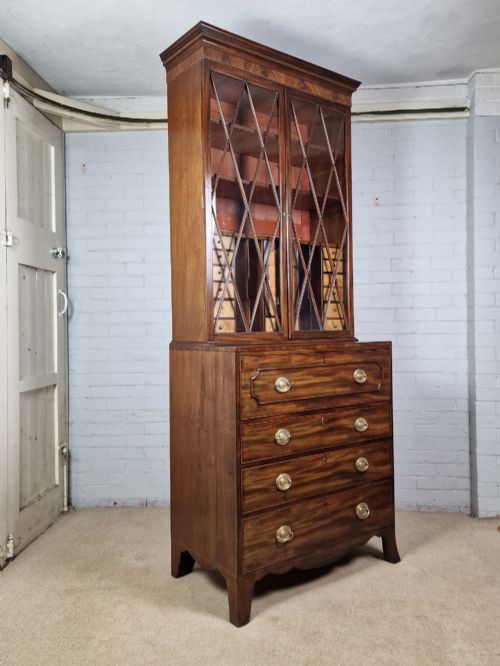
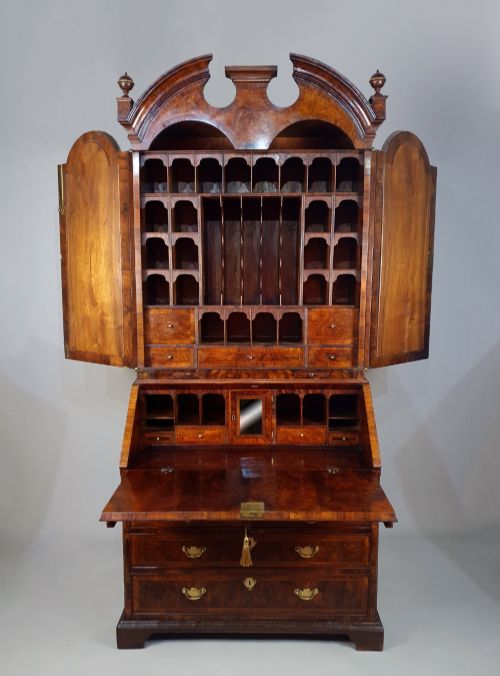
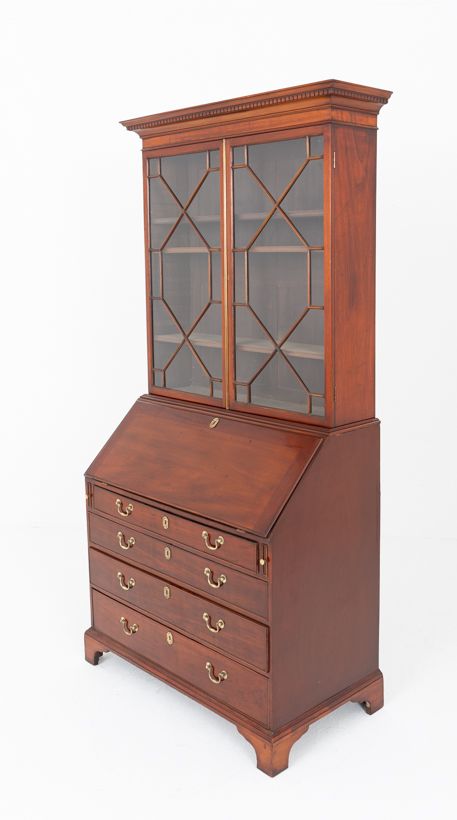
A georgian desk top bookcase combines a writing surface and shelving, offering storage and workspace in one piece.
Georgian Desk Top Bookcase
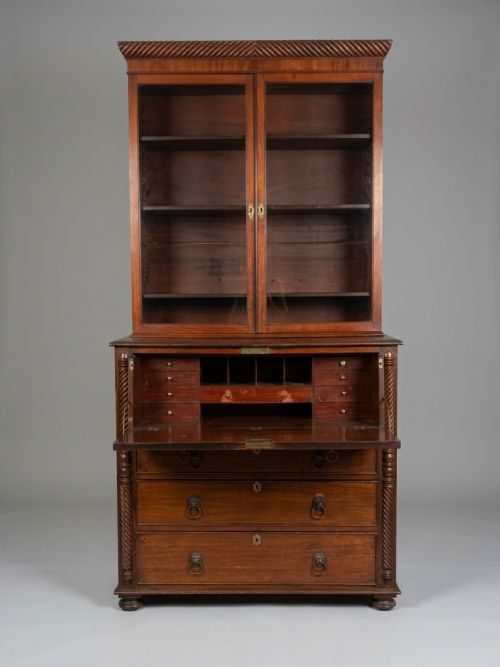
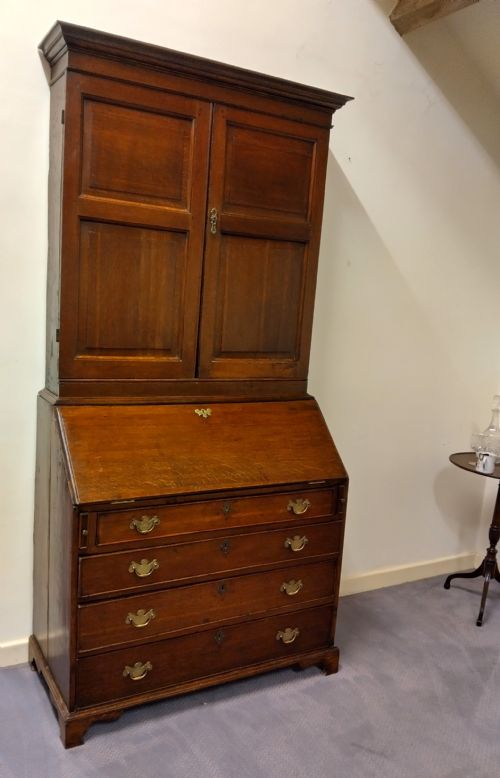
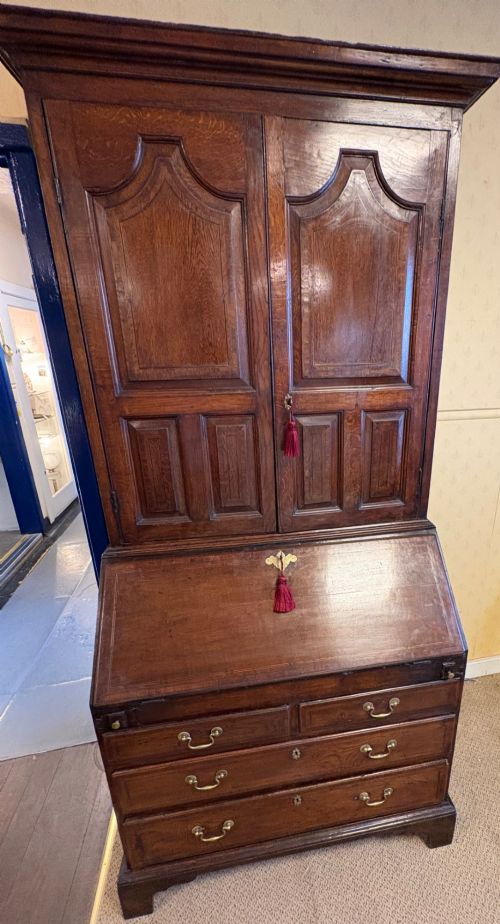
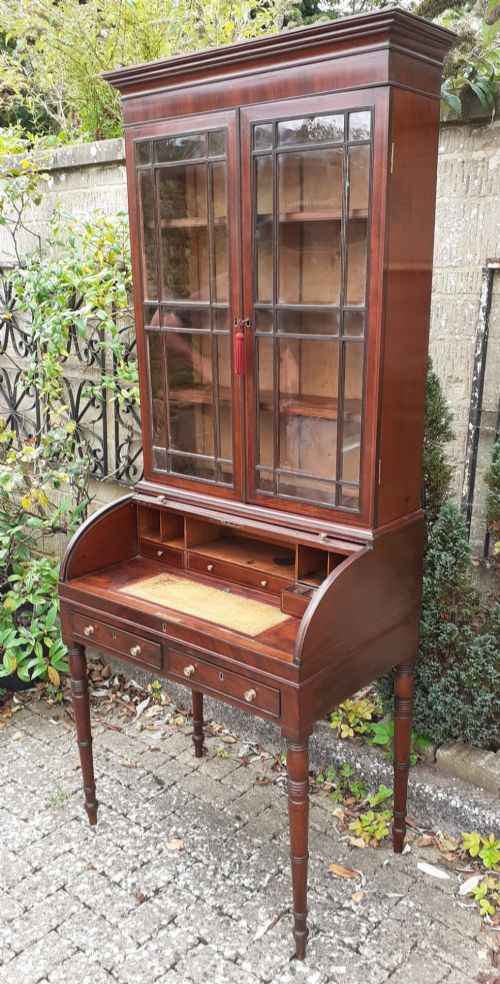
When searching for a georgian desk top bookcase, buyers encounter a variety of forms including bureau bookcases, secretaire bookcases, and cylinder cabinets. These pieces combine a lower writing section with an upper bookcase housing.
The pieces span periods from the early eighteenth century through the Regency era and into later revival styles. Mahogany, oak, and walnut form the primary timber choices for these structures.
Bureau bookcases provide a sloping fall front that drops down to create a desk surface, whilst cylinder variants use a rolling drum mechanism. Interior arrangements frequently feature stepped compartments and small drawers.
How They Were Made
Cabinet makers utilised solid timbers alongside veneers, selecting Cuban mahogany, oak, walnut, satinwood, and burr walnut for external surfaces. Structural integrity depended on traditional joinery methods suited to heavy stacking units.
Decorative embellishments included brass hardware, glass panel doors for the upper bookcase, and intricate wood inlays. Cylinder mechanisms and tambour panels required precision carpentry to ensure smooth operation of the writing enclosures.
Georgian Desk Top Bookcase Retail Price Guide 2026
Typical asking prices for georgian desk top bookcase among the pieces listed under this phrase on Sellingantiques today, from the lower quarter to the upper quarter. They describe what is for sale here now, not the wider market.
Listings for a georgian desk top bookcase feature woods including mahogany, oak, walnut, satinwood, and burr walnut across the eighteenth and nineteenth centuries.
What Varies in Quality
The selection of timber grain and figure dictates visual hierarchy, with highly figured burr walnut and figured mahogany occupying the upper tier of craftsmanship. Finer examples display meticulous matching of veneer patterns across the fall front and drawer faces.
Interior complexity separates standard utilitarian pieces from exceptional commissions, observable in stepped pigeonhole configurations and secret compartments. Original hardware, glass integrity, and surface patination further distinguish higher grade examples.
Tudor and Burrey·Giles Grendy
The Georgian Desk Top Bookcase Glossary
- Fall front
- A hinged writing flap that drops forward to horizontal, revealing an interior fitted with pigeonholes and small drawers. This surface serves as the main desk area when opened.
- Cylinder top
- A curved wooden shutter that rolls back into the body of the cabinet to uncover the writing slide. It offers a smooth alternative to the traditional hinged flap.
- Secretaire
- A piece of furniture containing a drawer or compartment specifically designed for writing and storing stationery. It often pulls out or drops down to conceal the workspace.
- Tambour
- A series of narrow wooden slats glued to a canvas backing, allowing a door or shutter to slide around a curve. It functions smoothly in compact desk compartments.
- Burr walnut
- Timber taken from a walnut tree growth or burl, yielding highly swirled and mottled grain patterns. Cabinet makers prized this wood for high-status veneering.
Georgian Desk Top Bookcase: Frequently Asked Questions
What is a georgian desk top bookcase?
A georgian desk top bookcase is a combined furniture form featuring a lower writing desk, such as a bureau or cylinder cabinet, with an upper shelving unit for books.
These pieces were designed for domestic studies and libraries to keep writing materials and volumes in a single coordinated structure.
How do I identify the wood type?
Examining the grain, colour, and weight helps distinguish between oak, mahogany, walnut, and satinwood used in these cabinets. Early pieces often utilise solid oak or walnut, while later eighteenth and nineteenth-century examples frequently feature mahogany.
Advanced versions incorporate decorative veneers like burr walnut or satinwood on the main display surfaces.
How were these pieces used historically?
Owners used the fold-down or rolling writing surfaces for correspondence, bookkeeping, and administrative tasks. The upper glass-fronted or panelled shelves stored reference books and valuable volumes.
Interior compartments kept inkwells, papers, and small valuables securely organised away from dust and public view.
How do I fit one into a modern room?
These tall combination units work well against living room or home office walls where vertical storage is beneficial. Their compact footprint provides both a functioning desk and a bookcase without occupying excessive floor space.
Placing them away from direct sunlight and extreme heat sources protects the antique wood and veneer.