

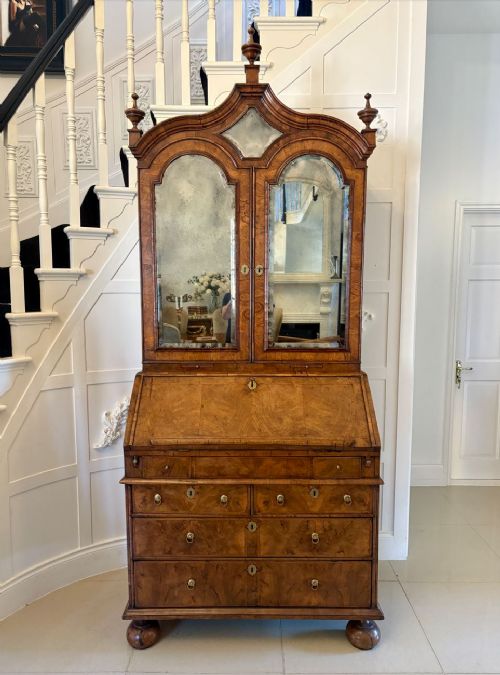
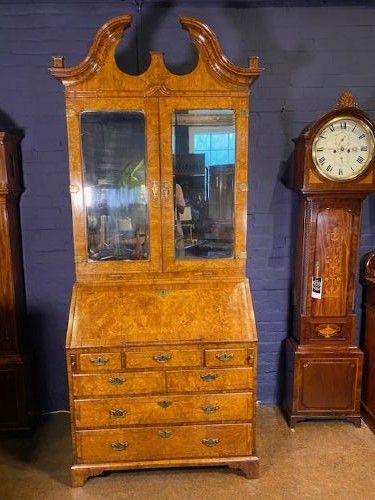
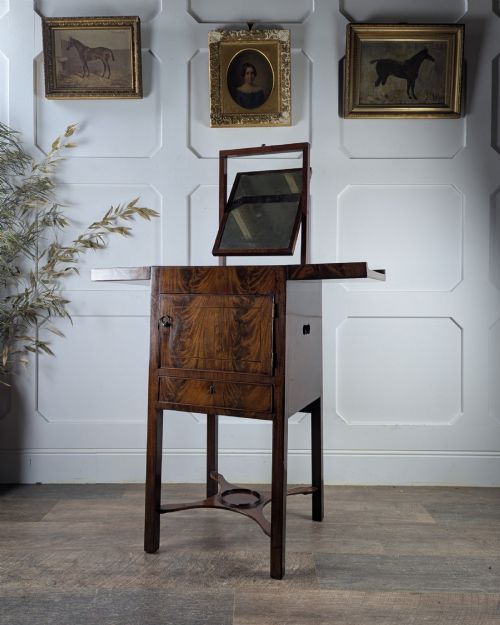
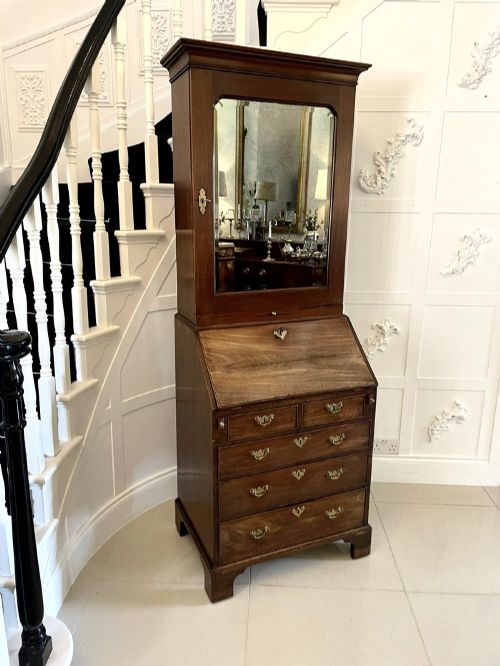

Georgian Desk Mirror
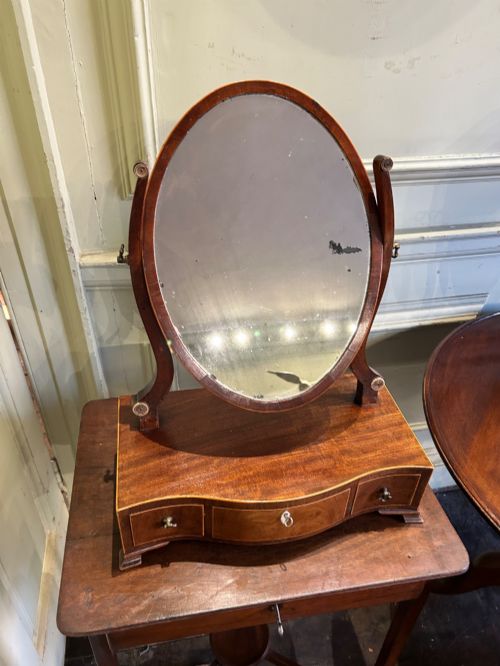
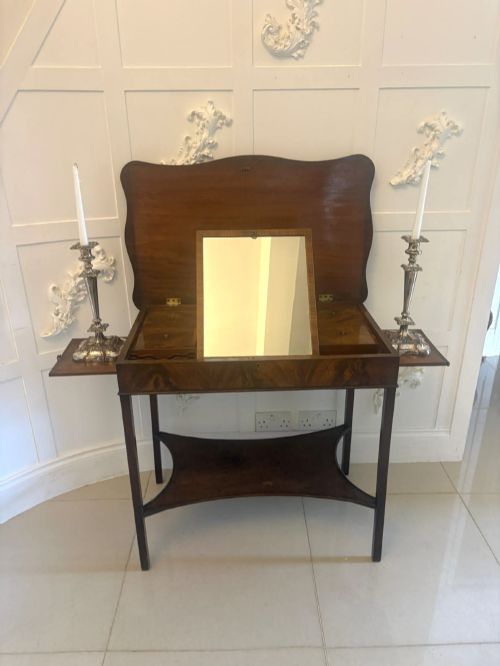
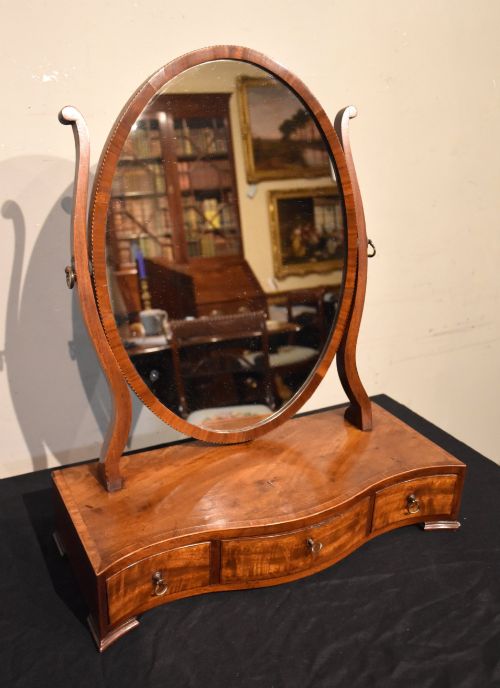
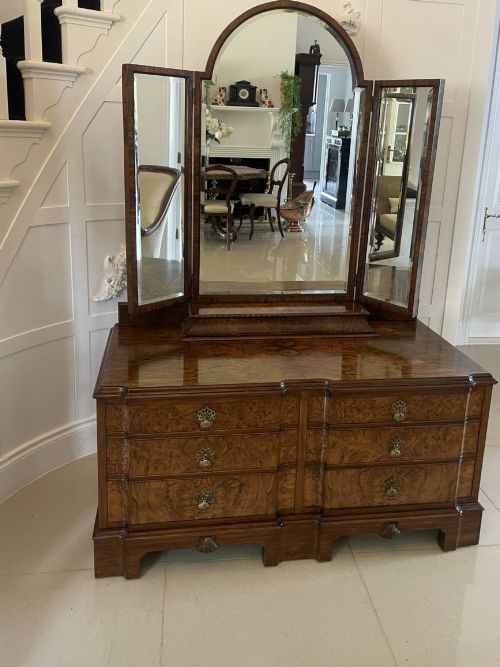
A georgian desk mirror sits upon a chest or table, offering a portable looking glass framed in rich woods like mahogany and walnut.
Georgian Desk Mirror
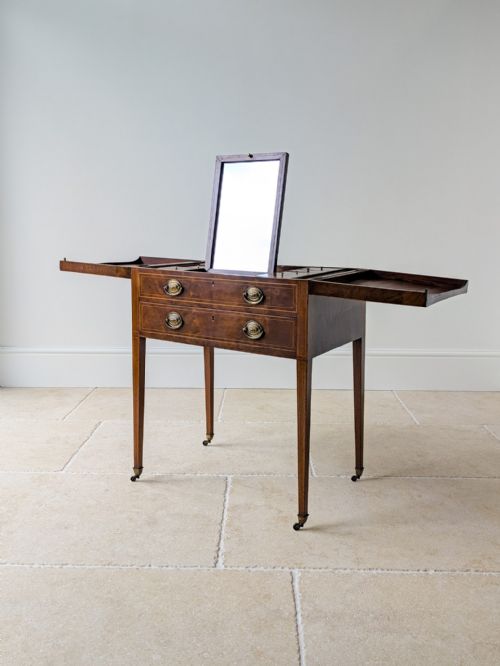
A georgian desk mirror is typically encountered as a compact table mirror fitted with small drawers in its base, designed for personal grooming or writing surfaces.
The selections span the eighteenth century and the georgian period, alongside later revivals, taking forms such as dressing mirrors and toilet mirrors.
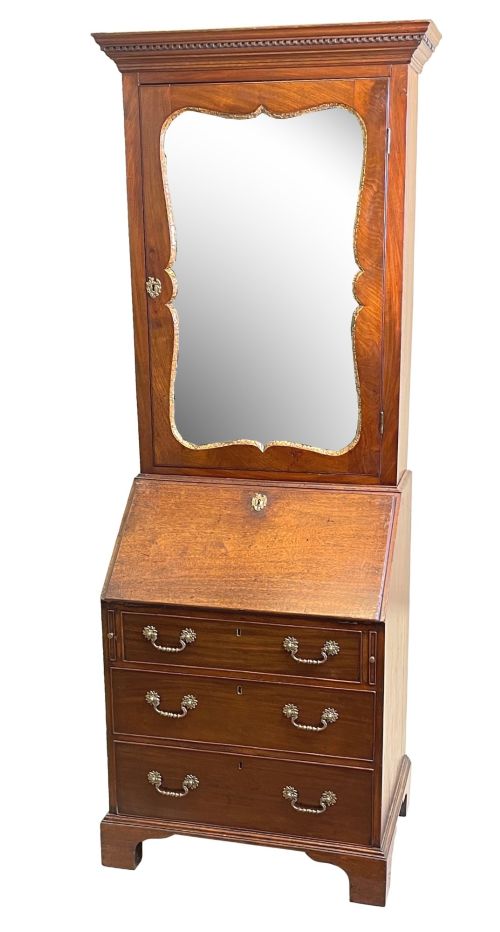
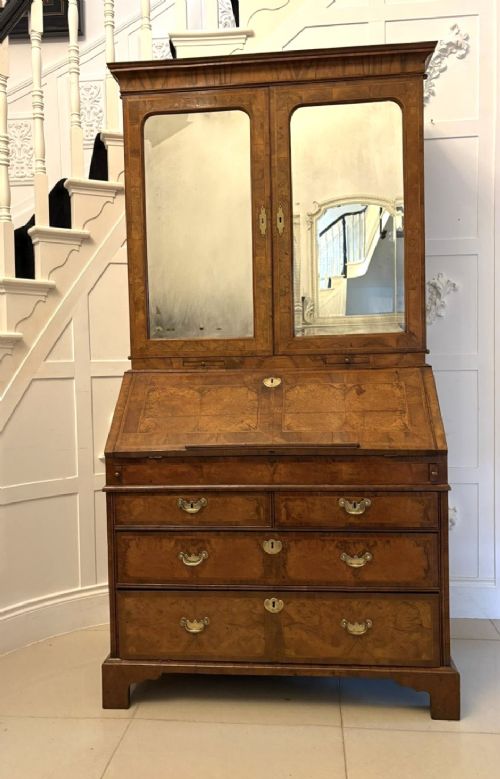
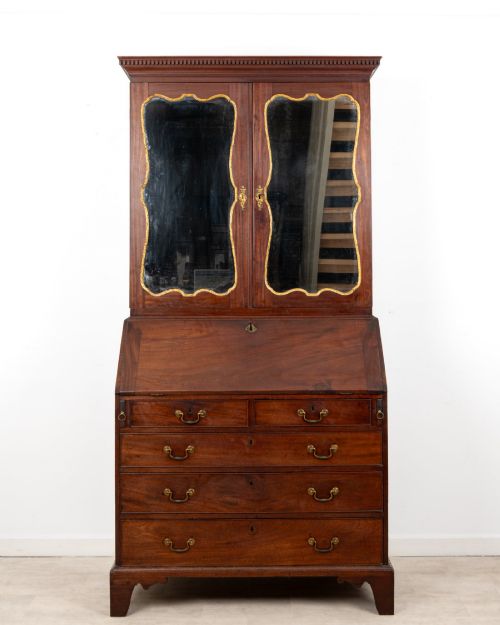
Makers fashioned these pieces to sit securely on dressing tables, chests, and bureau bookcases, combining utilitarian function with refined cabinetry.
How they were made
Cabinetmakers constructed these mirrors using solid and veneered timbers, predominantly mahogany, walnut, and burr walnut, often accented with mirror glass and brass fittings.
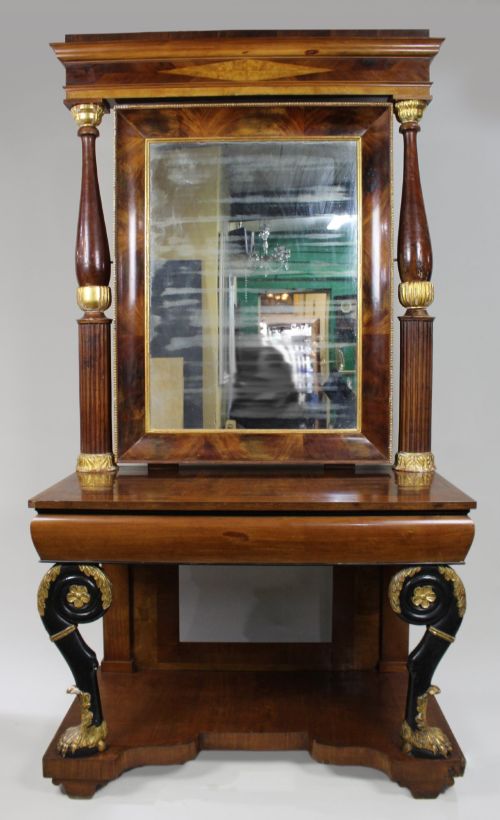
Surfaces frequently display fine grain patterns, parcel gilding, and featherbanding, supported by upright framing arms that allow the glass plate to tilt.
Makers incorporated small trinket drawers within the base structures, joining the timber with traditional dovetailed construction.
Georgian Desk Mirror Retail Price Guide 2026
Typical asking prices for georgian desk mirror among the pieces listed under this phrase on Sellingantiques today, from the lower quarter to the upper quarter. They describe what is for sale here now, not the wider market.
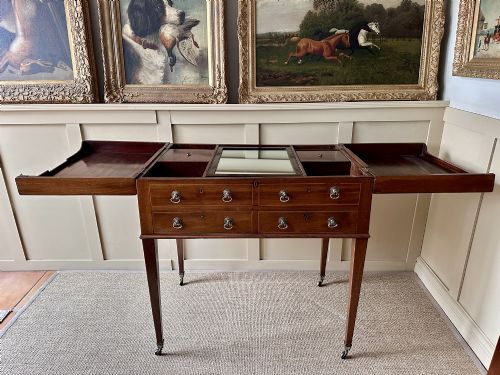
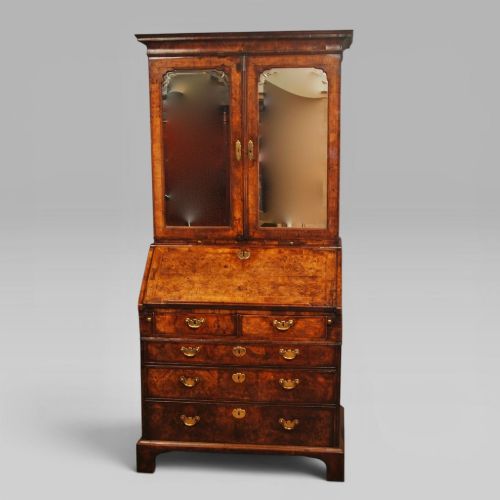
Object forms span dressing mirrors, bureau bookcases, console tables, and washstands across multiple centuries.
What varies in quality
Quality separates ordinary utility pieces from finer examples through the choice of timber figurations, such as highly figured walnut or Cuban mahogany.
The sophistication of the base construction, including the delicacy of miniature drawer joinery and the retention of original mirror glass, marks the upper tier of the range.
Proportion and execution distinguish period pieces from later interpretations, where crispness of moulding and harmony of form dictate the overall standard.
The Georgian Desk Mirror Glossary
- Bureau bookcase
- A writing cabinet featuring a sloping fall-front desk combined with upper shelving enclosed by doors. This form often incorporates mirror panels or sits alongside related desk furniture.
- Toilet mirror
- A smaller looking glass designed to stand upon a dressing table or chest. These pieces frequently include a box base fitted with small storage drawers.
- Parcel gilt
- Partially gilded decoration applied to wooden surfaces. This technique highlights carved details or mouldings with a thin layer of gold leaf.
- Featherbanding
- Decorative inlay work using veneered strips arranged in a herringbone pattern. It frames the drawer fronts and surfaces of walnut furniture.
- Figured walnut
- Timber taken from walnut trees with irregular grain patterns that create decorative optical effects. Cabinetmakers selected these boards for prominent display surfaces.
Georgian Desk Mirror: Frequently Asked Questions
Where should I place a desk mirror?
These mirrors suit placement atop low chests of drawers, side tables, or dedicated dressing surfaces where their compact footprint functions effectively.
Ensure the supporting surface is stable and level to protect the structure and allow the tilting glass to operate smoothly.
What is the difference between a toilet mirror and a dressing table mirror?
Both terms generally describe the same portable table mirror form equipped with small drawers beneath the glass frame.
Historical descriptions interchange these labels to denote mirrors used for personal grooming in bedrooms and boudoirs.
Are these mirrors original to the eighteenth century?
The selection includes pieces originating from the eighteenth and nineteenth centuries, alongside later revivals from the early twentieth century.
Examining the timber construction, fixings, and mirror glass helps determine the exact period of manufacture.
How do I maintain the mirror glass?
Clean the glass gently using a soft cloth and a mild glass cleaner sprayed onto the cloth rather than directly onto the mirror.
Avoid moisture near the edges of antique glass plates to protect the silvered backing from deterioration.