






Georgian Derby Figurine
A georgian derby figurine brings eighteenth-century mythology, pastoral life and theatrical portraits into domestic spaces through delicate porcelain and considered enamel work.
Georgian Derby Figurine
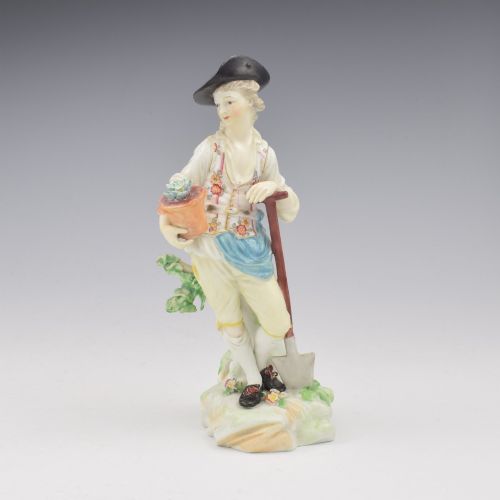
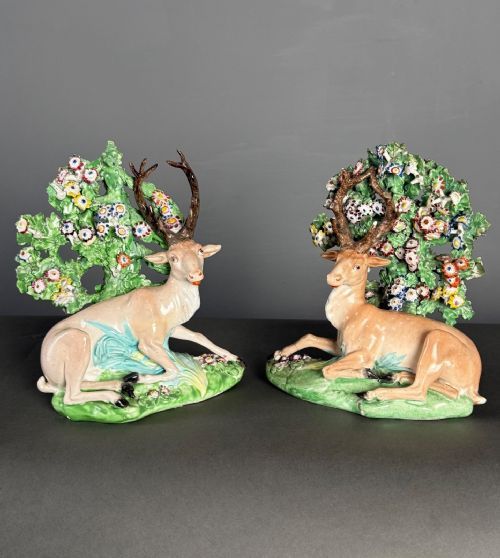
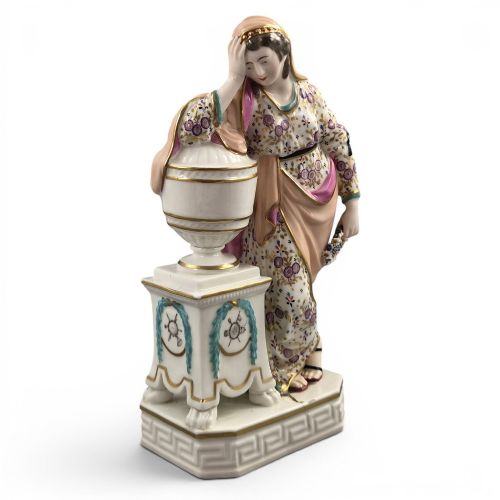
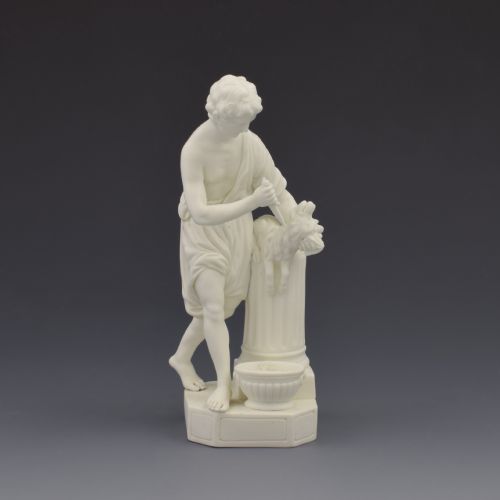
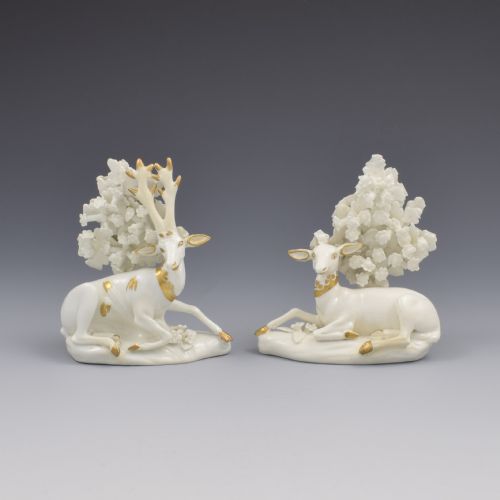
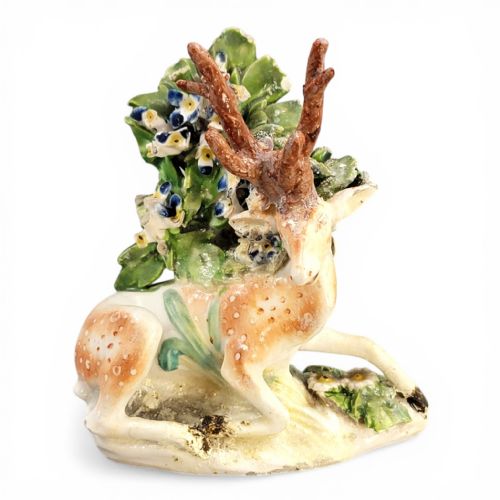
When a buyer searches for a georgian derby figurine, they encounter glazed porcelain representations of classical deities, musicians, shepherdesses and theatrical characters produced during the eighteenth and early nineteenth centuries. The selection on this page leans heavily toward mid-to-late eighteenth-century examples, spanning pastoral models with bocage backgrounds and mythological groups.
Subjects range from individual allegorical figures like the elements and the seasons to paired groups such as stag and doe compositions or street vendors. Earlier works often reflect rococo influences through asymmetric scrollwork, while later pieces adopt neoclassical clarity and the richer enamelling characteristic of the Bloor period.
Materials and production methods
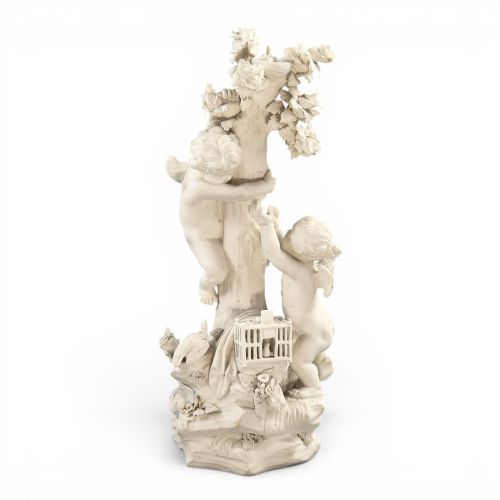
Makers utilised soft-paste porcelain during the early phases of production, shifting to biscuit porcelain for unglazed figures that resemble fine marble. Lead glaze provided the smooth finish on glazed earthen surfaces, while gilding and enamel colours added surface detail by hand.
Bocage backgrounds - consisting of applied modelled leaves and branches - required careful assembly before firing to support the main figure. Model numbers were frequently impressed or painted on the base alongside patch marks resulting from kiln furniture.
Georgian Derby Figurine Retail Price Guide 2026
Typical asking prices for georgian derby figurine among the pieces listed under this phrase on Sellingantiques today, from the lower quarter to the upper quarter. They describe what is for sale here now, not the wider market.
Evaluating craftsmanship
Quality rests primarily in the crispness of the modelling and the precision of the hand-painted enamels, where finer examples display subtle facial expressions and carefully delineated drapery. The complexity of the composition also dictates standard, with multi-figure groups and delicate bocage work requiring greater technical mastery from the modeller.
The survival of original extremities, such as fingers, musical instruments and applied floral elements, influences the integrity of each piece. Later productions under the Bloor management display different glaze formulas and heavier gilding compared to the lighter patch-mark period pieces.
William Duesbury Co·Bloor Derby·Royal Crown Derby
The Georgian Derby Figurine Glossary
- Bocage
- An applied background of leaves and branches made from clay, often framing pastoral figures in eighteenth-century porcelain. This foliage provides a naturalistic setting while adding structural support to the composition.
- Biscuit porcelain
- Unglaved white porcelain fired to a matte finish that resembles marble, used extensively for classical figures and allegorical groups. This technique highlights the crispness of the original model.
- Patch mark
- A small square or circular unglazed blemish on the base of early figures caused by the supports used inside the kiln. These marks help date pieces to the mid-eighteenth century.
- Enamel
- Coloured metallic oxides fused to the porcelain surface through secondary firing, providing the reds, blues and yellows seen on costumes and bases. High-quality enamelling remains bright and sits evenly on the glaze.
- Soft-paste porcelain
- A vitreous composition of clay, glass and frit fired at lower temperatures than hard paste, creating a warm, slightly creamy body. This material defines the early output of the factory before standard porcelain pastes were adopted.
Georgian Derby Figurine: Frequently Asked Questions
How do I date a figure?
Examinations of base marks, glaze texture and paste composition reveal the period of production. Patch marks and soft-paste bodies point to the mid-eighteenth century.
Later Bloor period pieces feature printed or painted factory marks alongside heavier gilding and whiter porcelain bodies.
What is a bocage background?
Bocage represents foliage, branches and flowers applied behind the main subject of the porcelain sculpture. This leafy backdrop creates a dense pastoral scene common in mid-eighteenth-century figures.
Because these delicate ceramic leaves project outward, they require careful handling and checking for restoration.
Why are some figures unglazed?
Unglazed figures are made of biscuit porcelain, deliberately left without a shiny coat to mimic carved white marble. This matte surface highlights the fine details modelled by the sculptor.
Such pieces gained popularity in the 1770s for classical and allegorical subjects.
Were these figures meant for display?
These porcelains functioned as decorative ornaments for mantelpieces, dining tables and side cabinets in wealthy eighteenth-century homes. Their subjects often reflected contemporary theatrical performances, classical literature or pastoral ideals.
Owners arranged them in matched pairs or larger thematic groupings representing seasons or elements.