



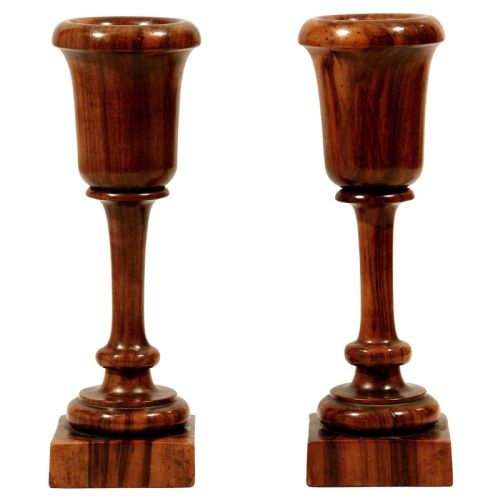


Georgian Decorative Vases
Georgian decorative vases bring classical elegance to a room, combining rich porcelain, ormolu, and fine timber into sculptural forms.
Georgian Decorative Vases
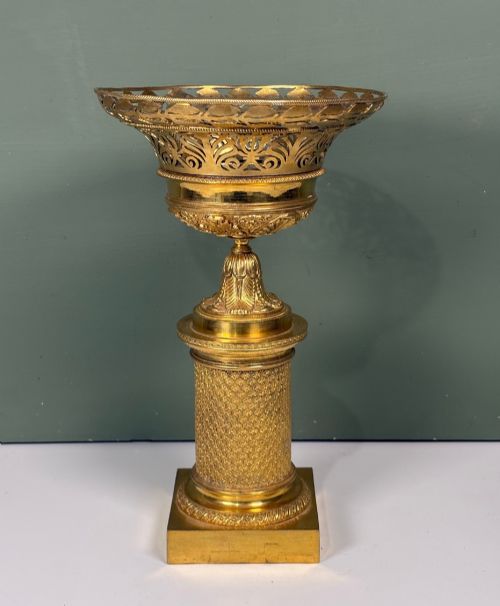
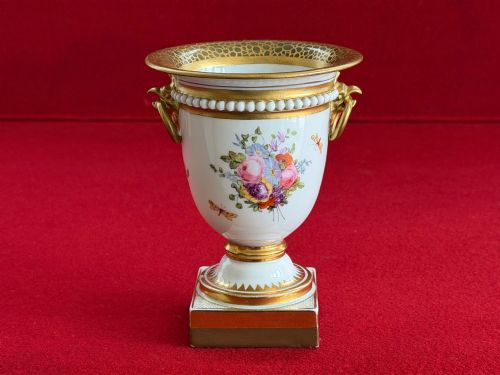
When you search for georgian decorative vases, you encounter refined urns, spill vases, and jardinieres created during the Georgian and Regency periods. The forms range from classical bronze and ironstone urns to delicate porcelain vessels and turned wood spill stems.
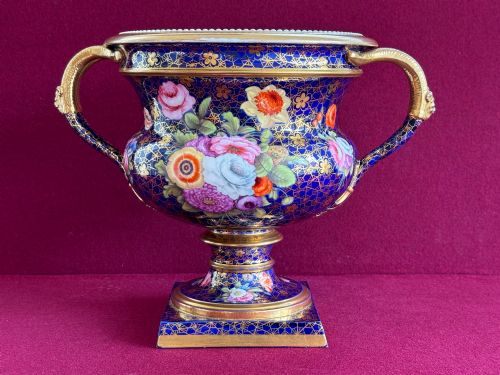
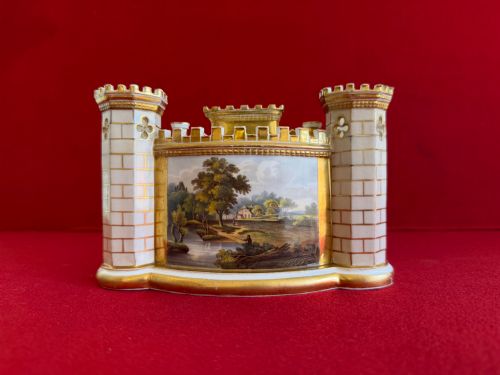
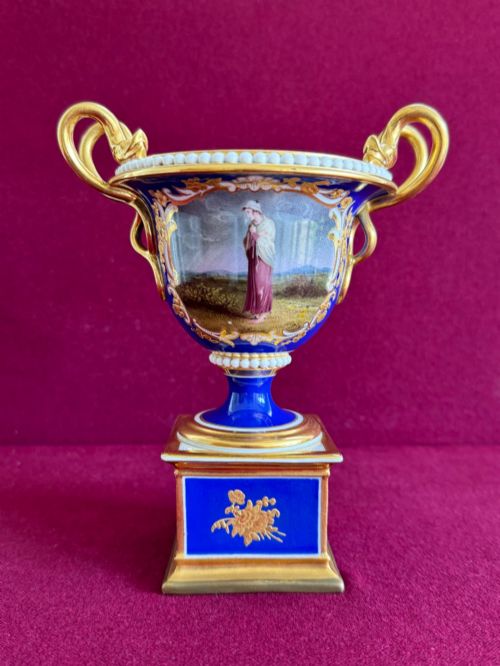
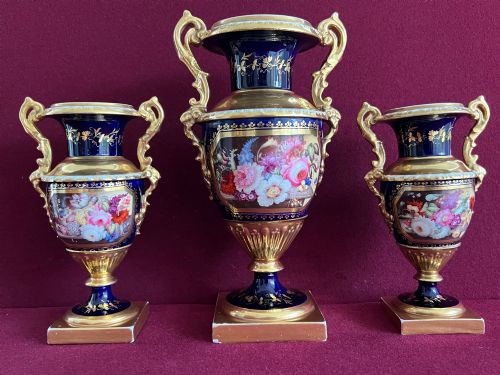
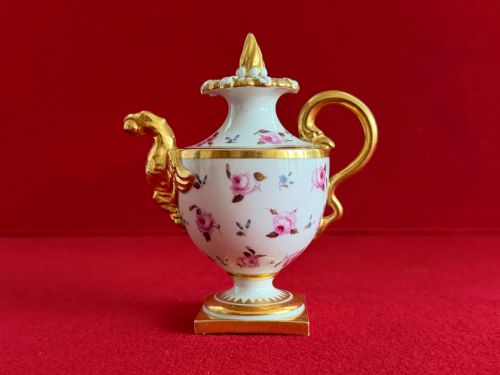
The pieces you meet most often on this page date from the early nineteenth century, particularly the Regency era, featuring makers such as Flight, Barr and Barr alongside Spode and Minton. These objects served both ornamental purposes on mantelpieces and practical functions as spill vases or rose water sprinklers.
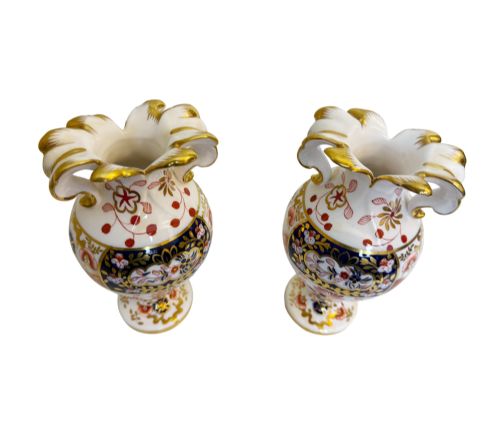
Materials span from porcelain and ironstone to gilt bronze, ormolu, and native timbers like lignum vitae and yew wood. Stylistic influences draw heavily on classical antiquity and Chinoiserie decoration, executed in hand-painted ceramics and rich cobalt blue transfers.
Assessing quality and execution
The quality of a piece rests in the crispness of its modelling and the precision of its hand-painted decoration. Finer porcelain vases exhibit delicate brushwork and secure gilding that has survived intact.
For wooden spill vases, quality depends on the choice of timber and the balance of the turned form. Metal and ormolu pieces reveal their merit through the sharpness of their casting and the depth of their finish.
Georgian Decorative Vases Retail Price Guide 2026
Typical asking prices for georgian decorative vases among the pieces listed under this phrase on Sellingantiques today, from the lower quarter to the upper quarter. They describe what is for sale here now, not the wider market.
Thomas Steel painted fruit so convincingly on porcelain that contemporary houseflies reportedly attempted to land on his ceramic plums.
Flight Barr and Barr·Barr Flight and Barr·Spode·Minton·Miles Mason
The Georgian Decorative Vases Glossary
- Spill vase
- A small vessel designed to hold taper spills used for lighting candles and fires. These are frequently turned from wood or modelled in porcelain.
- Jardiniere
- An ornamental pot or stand designed to hold plants or flowers. These large decorative vessels often sit upon tables or pedestals.
- Gilding
- The application of gold leaf or gold powder to a surface. This technique highlights decorative details on ceramics and metalwork.
- Ironstone
- A type of heavy, durable earthenware patented in the nineteenth century. It serves as a robust alternative to porcelain for transfer-printed wares.
- Ormolu
- Gilded bronze used for mounts and decorative objects. The process involves applying finely ground gold-mercury amalgam to bronze.
Georgian Decorative Vases: Frequently Asked Questions
What is a spill vase?
A spill vase is a small container designed to hold paper or wooden tapers known as spills. People used these tapers to transfer fire from the hearth to candles or pipes before the invention of matches.
Most examples date from the nineteenth century and sit neatly on mantelpieces. They appear in turned wood, porcelain, and earthenware forms.
How do I identify a Regency vase?
Regency vases often draw inspiration from classical antiquity, featuring shapes that mimic ancient Greek and Roman urns. You will frequently see bronze finishes, ormolu mounts, and classical motifs.
Porcelain examples from this era often carry factory marks from Worcester or Spode beneath the glaze. Their decoration frequently incorporates intricate hand-painting alongside rich gilding.
Where were these vases displayed?
These decorative vessels stood prominently on mantelpieces, side tables, and entrance halls in grand homes. Garnitures, which consist of matching sets of three or five vases, formed symmetrical centerpieces for fireplace surrounds.
Smaller spill vases remained close to hearths and writing desks for daily convenience. Jardinieres held indoor plants to bring touches of nature into formal drawing rooms.
What is ironstone?
Ironstone is a durable ceramic patented in the early nineteenth century as a tough alternative to porcelain. Factories like Mason's utilised this heavy body to create robust vases decorated with vibrant enamels and transfer prints.
It resists chipping better than standard earthenware while offering a smooth white surface for Chinoiserie and floral patterns.