



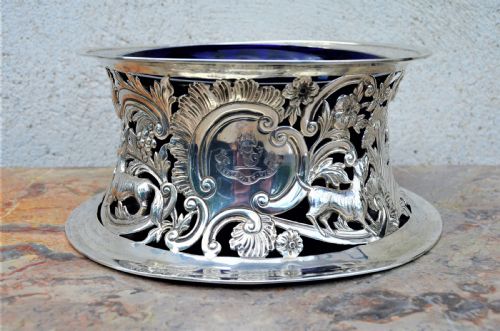
Georgian Decorative Bowl
A georgian decorative bowl brings the refined craft of the eighteenth and nineteenth centuries straight to a table, offering both utility and historic weight.
Georgian Decorative Bowl
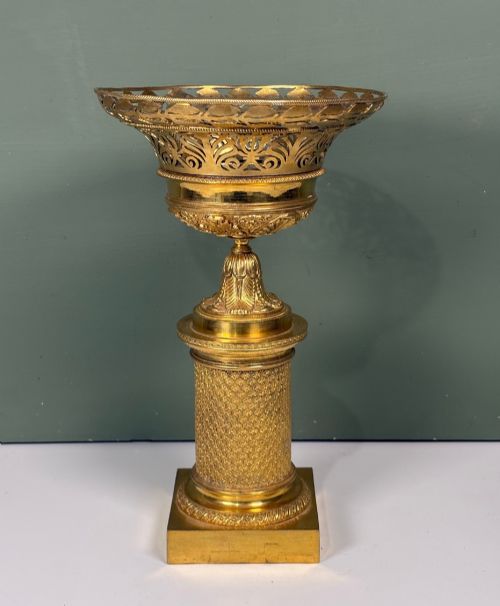
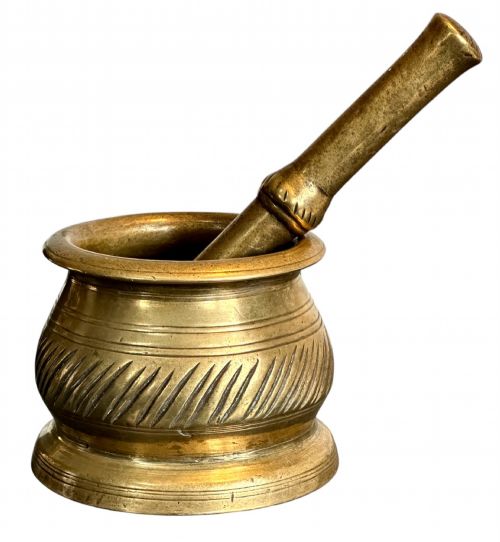
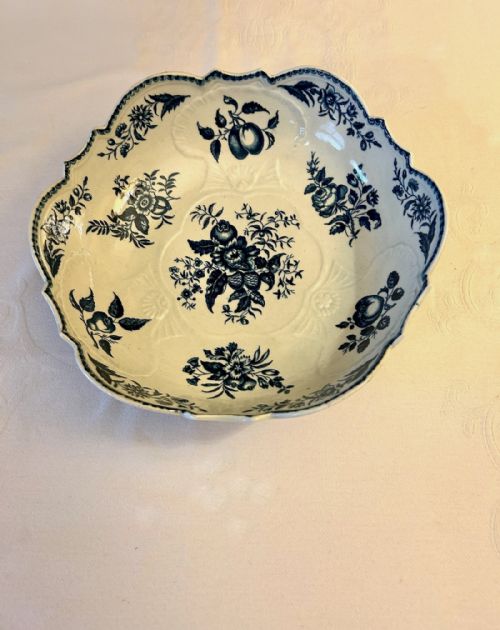
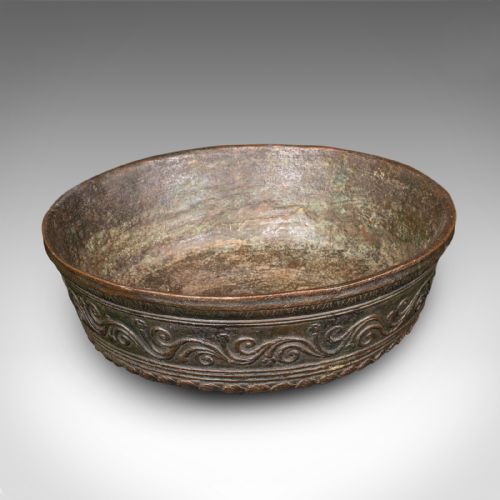
A georgian decorative bowl encompasses various forms ranging from porcelain junket dishes to bronze planters and pewter basins originating during the eighteenth and early nineteenth centuries. Buyers searching for a georgian decorative bowl will encounter diverse vessels spanning periods such as the Regency and Edwardian eras alongside the core Georgian timeframe.
The objects listed under this term include items associated with dining, tea preparation, and display, such as ceramic baskets, tureen bodies, and wash stands. Most examples draw on porcelain, bronze, pewter, and toleware, reflecting the varied domestic and decorative functions of the period.
Materials and construction
Makers utilised ceramic bodies including felspar porcelain and ironstone, often finished with hand-painted underglaze blue or polychrome enamels. Bronze and brass examples demonstrate metal casting techniques, sometimes incorporating gilding or patination to achieve depth of colour.
Wooden pieces employ fine timbers like satinwood and ebony, enhanced by decorative penwork and gold leaf. Pewter and toleware provide durable metal alternatives shaped into bowls and basins for everyday household use.
Georgian Decorative Bowl Retail Price Guide 2026
Typical asking prices for georgian decorative bowl among the pieces listed under this phrase on Sellingantiques today, from the lower quarter to the upper quarter. They describe what is for sale here now, not the wider market.
A surprising number of tea caddies arrive complete with their original glass mixing bowls and sticks, ready to blend dried leaves just as they did two centuries ago.
Assessing quality
Quality in these vessels rests on the crispness of the modelled detail, whether in the applied flowers of porcelain baskets or the cast definition of bronze planters. Superior pieces maintain their original surface finishes, such as intact gilding or well-preserved enamel painting, without excessive restoration.
The integrity of secondary materials, including original glass mixing bowls inside tea caddies or matched components within a pair of dishes, elevates the standing of an object. Finer items exhibit precise joinery in woodwork and refined potting in ceramics.
Spode·Worcester·Rockingham·Mason's
The Georgian Decorative Bowl Glossary
- Junket dish
- A shallow ceramic vessel traditionally used for serving curdled cream desserts, often featuring moulded or fluted rims. These pieces frequently display blue and white transfer printing or hand-painted decoration.
- Toleware
- Painted or lacquered sheet metal, usually iron, shaped into household objects like bowls and trays. The technique involves applying multiple layers of varnish over a dark base.
- Felspar porcelain
- A specific ceramic body containing feldspar, developed in the nineteenth century to improve the durability and whiteness of tableware. Spode utilised this formulation for large decorative dishes.
- Penwork
- A decorative technique on wooden objects where intricate designs are drawn in fine ink and protected with a clear varnish. It appears frequently on satinwood tea caddies from the Regency period.
- Tureen
- A deep, large vessel with a lid, designed for serving soups or stews at the table. Ironstone and porcelain examples often feature vibrant polychrome patterns.
Georgian Decorative Bowl: Frequently Asked Questions
What were decorative bowls used for?
These vessels served various domestic purposes, from holding fruit and sweetmeats at the dining table to acting as centrepieces for floral arrangements. Some functioned as wash basins or desk accessories within larger household suites.
Over time, their roles shifted from purely utilitarian dining implements to decorative display items valued for their craftsmanship and historic associations.
How do I care for antique porcelain?
Antique porcelain requires gentle hand washing in lukewarm water with mild soap, avoiding abrasive sponges or modern dishwashers that can damage old glazes and enamels. Sudden temperature changes must be avoided to prevent thermal shock and hairline cracking in the ceramic body.
Display vessels should rest on stable, flat surfaces away from direct sunlight to preserve the vibrancy of hand-painted pigments and gilt highlights.
How do I distinguish Regency from Georgian pieces?
Regency items, produced roughly between the late eighteenth and early nineteenth centuries, often show influences from classical Greek and Roman antiquity, featuring bolder patination and distinct architectural lines. Georgian pieces span a broader eighteenth-century aesthetic that frequently incorporates rococo curves or earlier traditional forms.
Examining the underlying materials, construction marks, and stylistic motifs helps assign a piece to the correct reigning period.