




Georgian Decor
Georgian decor covers the domestic objects and furnishings spanning the eighteenth and early nineteenth centuries.
Georgian Decor
Georgian decor encompasses the domestic objects, furnishings and artworks created during the eighteenth and early nineteenth centuries. When searching for Georgian decor, buyers encounter items ranging from lighting and portraiture to small furnishings and decorative accessories.
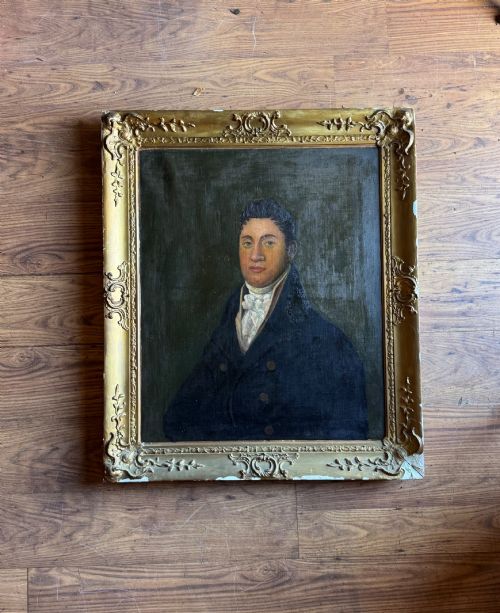
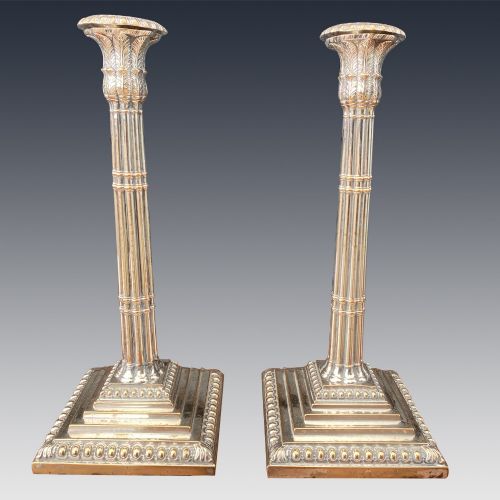
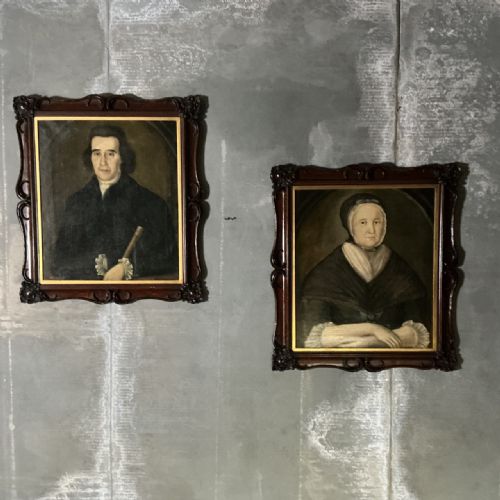
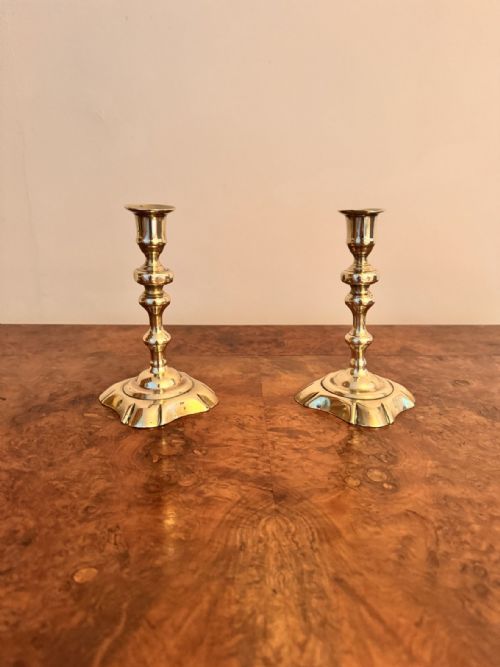
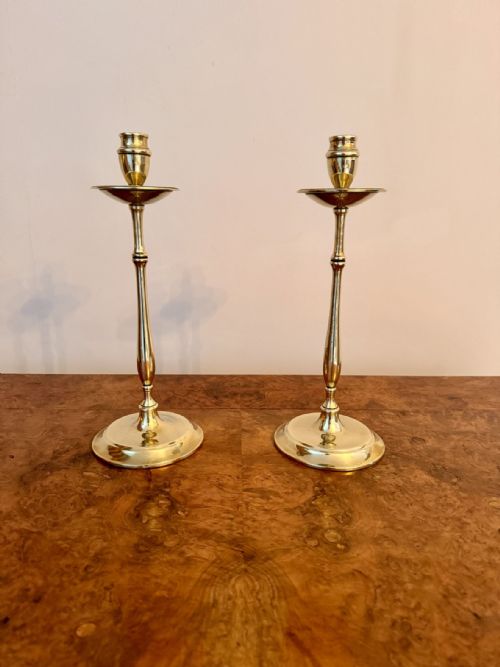
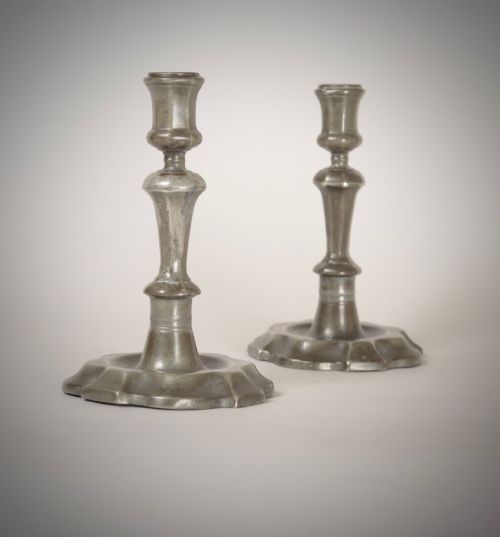
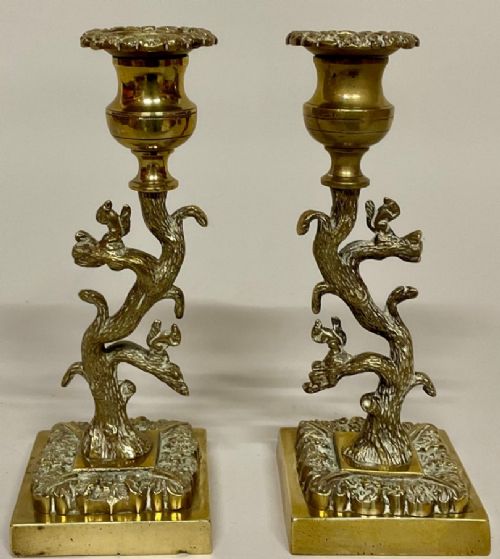
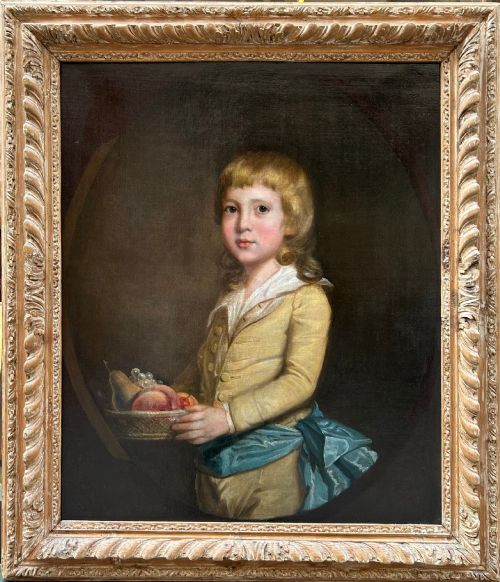
Brass candlesticks, oil paintings on canvas, framed prints and ceramic spill vases dominate the forms available in this selection. These pieces reflect the interior taste of the period, uniting utility with decorative refinement.
The objects stem predominantly from eighteenth and nineteenth-century periods, capturing styles from Queen Anne through to Regency and Neoclassical designs. Buyers find both practical household equipment and purely ornamental items shaped by these historical aesthetics.
Materials and construction
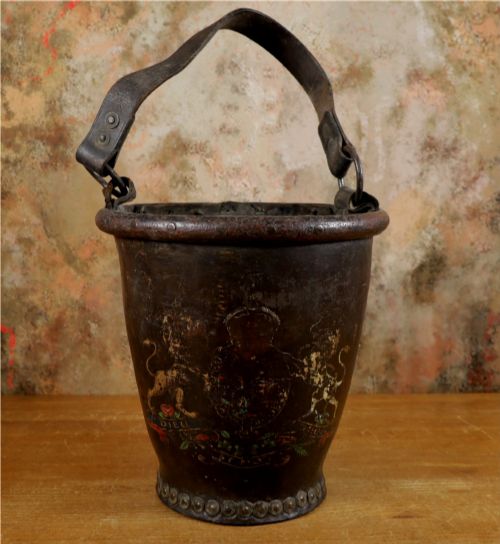
Makers utilised traditional materials including brass, wood, glass, leather and oil paint to construct these items. Metal objects such as candlesticks and kettles involve casting and plate work, while framed artworks combine paper, canvas and timber.
Techniques recorded in the listings include reverse glass printing, oil painting on canvas and pine panels, and hand-coloured engraving. Artisans applied gilt wood and gold leaf for decorative enhancement, ensuring durability alongside visual impact.
Georgian Decor Retail Price Guide 2026
Typical asking prices for georgian decor among the pieces listed under this phrase on Sellingantiques today, from the lower quarter to the upper quarter. They describe what is for sale here now, not the wider market.
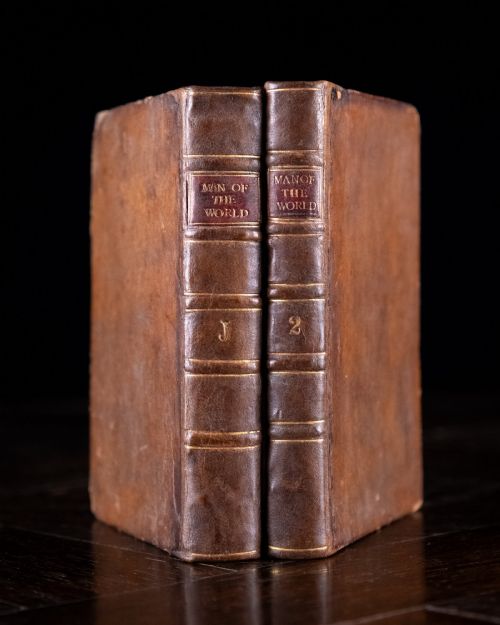
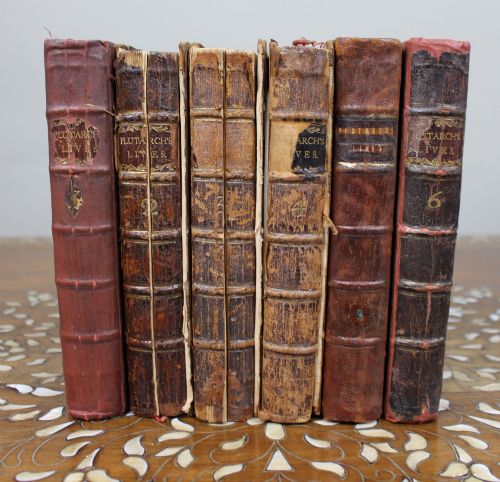
Listings feature brass candlesticks, oil paintings, and books spanning the eighteenth and nineteenth centuries.
Distinctions in quality
Quality rests upon the execution of the hand-finishing and the integrity of the materials used in the construction. Pieces displaying finer detail in casting, carving or brushwork stand apart from simpler utilitarian production.
Condition and originality dictate the standing of an item within its type. Intact original surfaces, legible signatures on artworks, and retained components such as removable sconces elevate the status of the piece.
Sir William Beechey·Lemuel Francis Abbott·Sebastiaan Vrancx·George Edwards·William Williams
The Georgian Decor Glossary
- Regency
- A style spanning the late eighteenth and early nineteenth centuries characterised by classical revival motifs and refined elegance.
- Reverse glass painting
- An artistic technique where the painting is executed on the reverse side of a glass sheet to be viewed from the front.
- Spill vase
- A small decorative container designed to hold wooden spills used for lighting fires and candles.
- Toleware
- Lacquered or enamelled metalware produced for domestic use during the eighteenth and nineteenth centuries.
- Intaglio
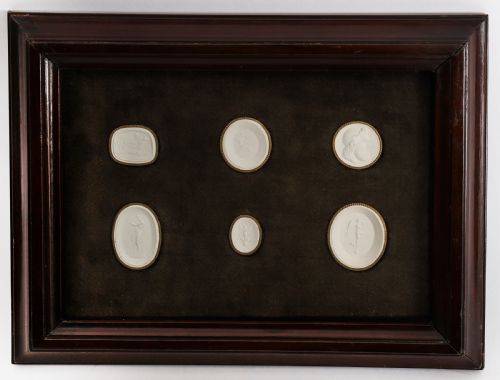
- A gem or gemstone carved with a design depressed below the surface, popular during the Grand Tour period.
Georgian Decor: Frequently Asked Questions
What defines Georgian decor?
Georgian decor spans items created during the eighteenth and early nineteenth centuries, reflecting the architectural and interior tastes of the era.
The category includes practical household items alongside decorative artworks and books from the period.
How were brass candlesticks used?
Brass candlesticks provided essential domestic illumination in rooms before the widespread adoption of modern lighting.
Pairs typically stood on mantelpieces or tables to light living spaces and hallways.
How do I identify Regency pieces?
Regency items date from the early nineteenth century and often incorporate classical motifs inspired by ancient Greece and Rome.
These pieces feature clean lines and specific decorative details distinct from earlier eighteenth-century designs.
Where do reverse glass prints originate?
Reverse glass prints involve an intricate process where the image is applied directly to the back of a glass panel.
This technique protects the artwork from dust and gives the colours a glossy, deep appearance.