
Georgian Dark Wood Table
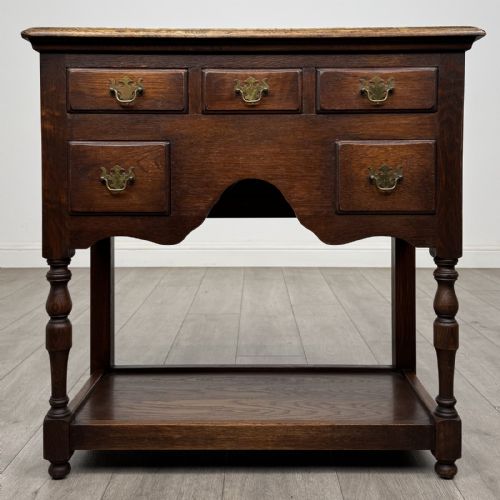
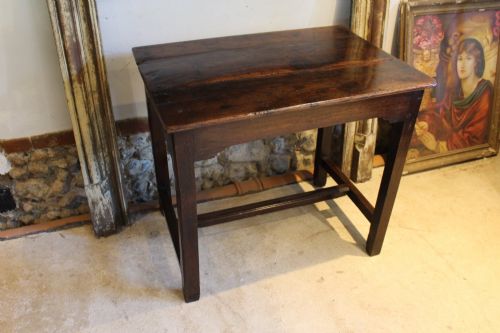
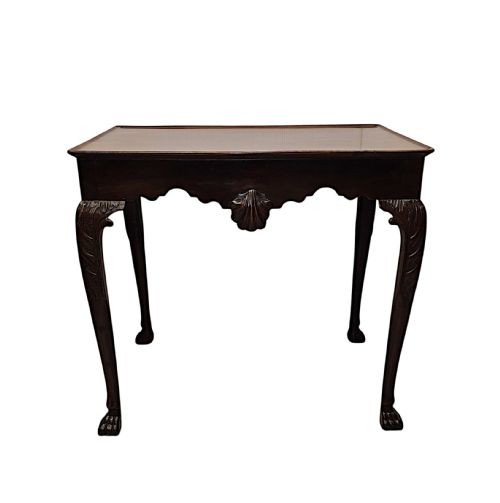
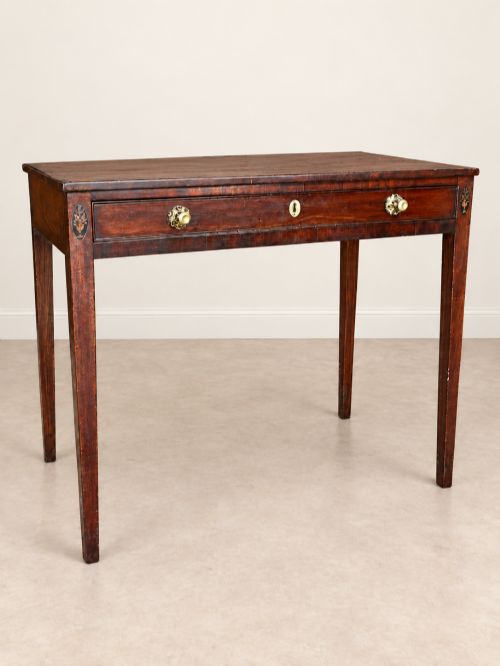
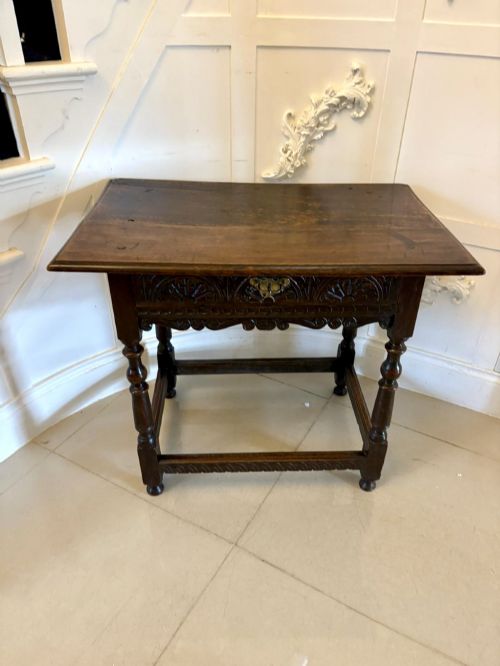
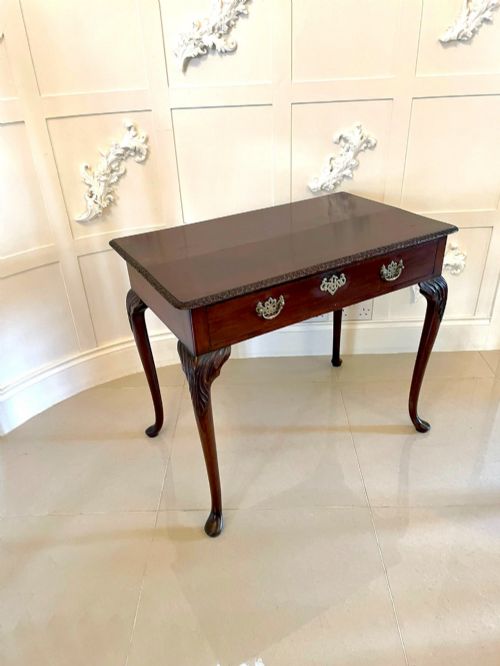
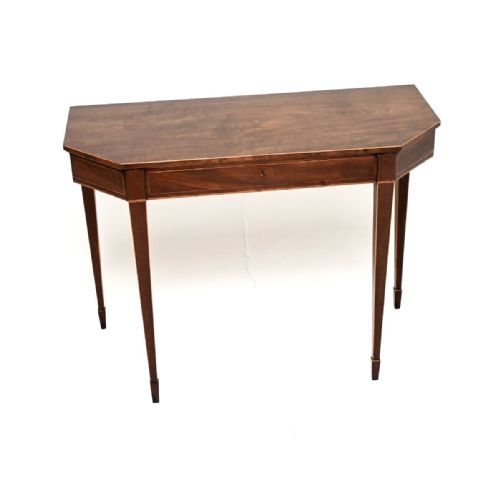
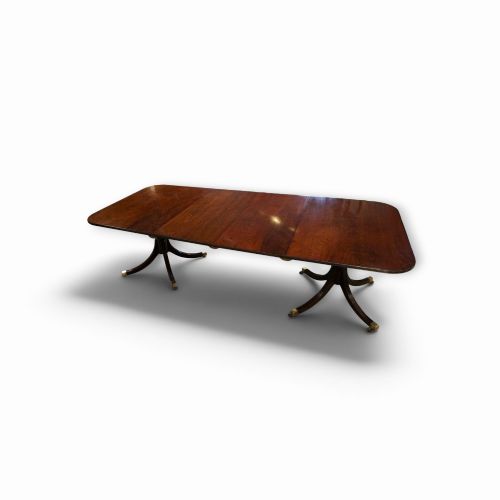
A georgian dark wood table brings rich mahogany, rosewood, and oak into a room, offering both practical dining space and refined display surfaces.
Georgian Dark Wood Table
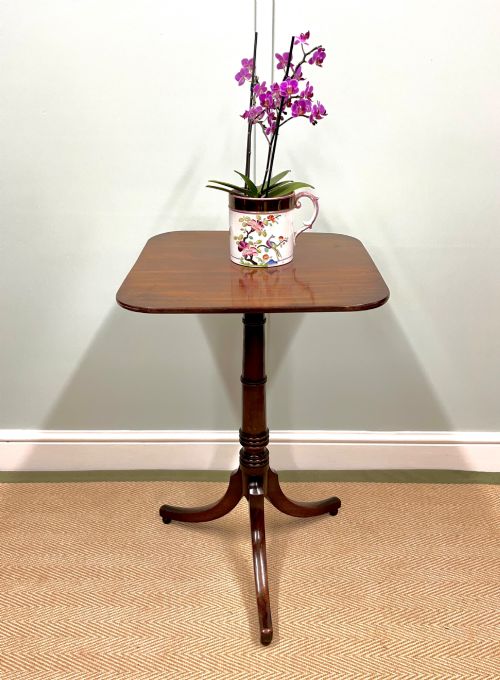
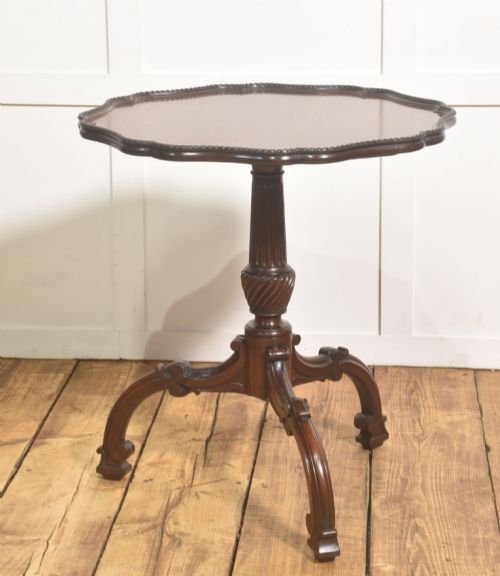
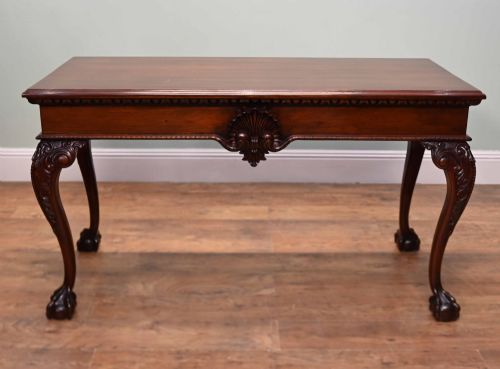
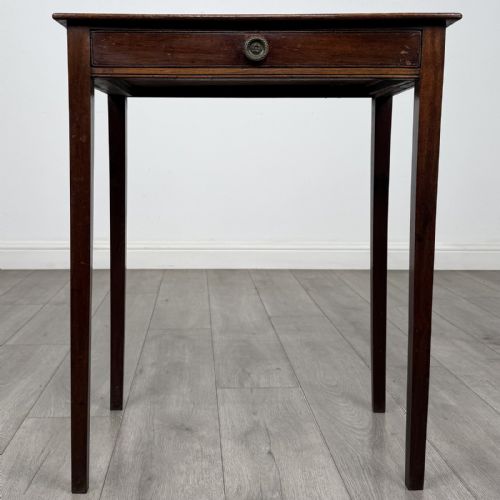
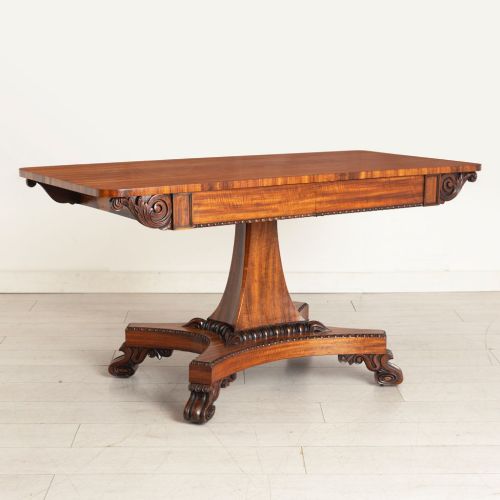
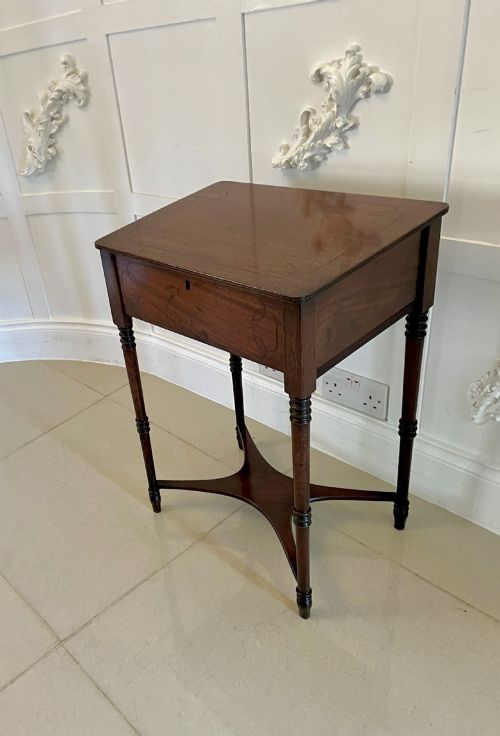
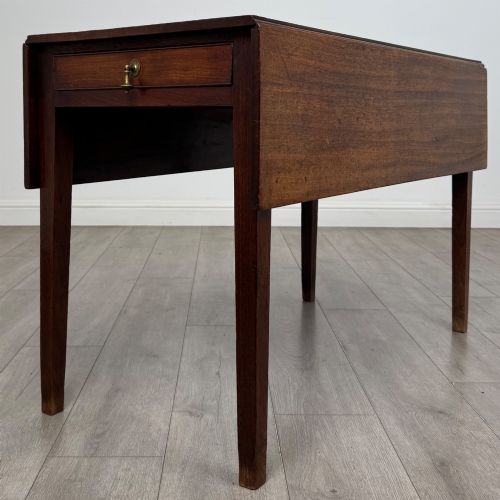
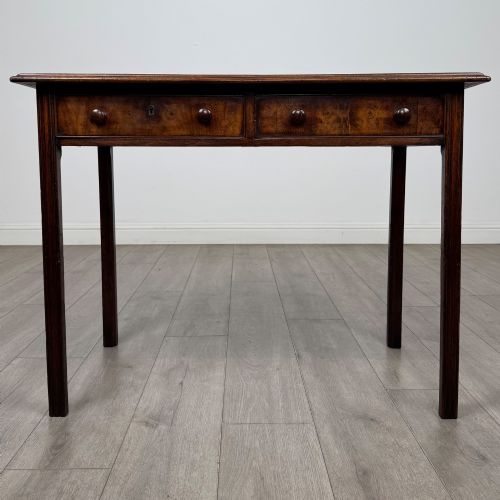
A georgian dark wood table encompasses a wide variety of domestic furniture, ranging from expansive multi-pedestal dining tables to compact occasional tripod wine tables. Buyers searching this phrase most frequently encounter mahogany side tables, Pembroke drop-leaf tables, and tilt-top designs originating from the eighteenth and nineteenth centuries.
The selection extends to specialised forms such as card tables, sofa tables, nests of tables, and washstands. Many pieces reflect later stylistic revivals from the Edwardian era and the nineteen-twenties alongside genuine period examples.
Materials and Construction
Cabinet makers relied heavily on solid timbers and veneers of mahogany, rosewood, oak, and elm, often pairing primary woods with secondary supports of lesser fruitwoods. Flame mahogany veneer provided striking grain patterns on table tops, while boxwood inlay added linear contrast.
Sophisticated joinery supported functional mechanics such as fold-over leaves, concertina card table actions, and tilting mechanisms on birdcage tripod bases. Brass fittings, castors, and occasionally elaborate carved tripod pedestals completed the construction.
Listings feature mahogany, rosewood, oak, and elm across periods spanning from the eighteenth century through to the nineteen-thirties.
Distinctions in Execution
The standard of carving and the selection of timber dictate the standing of a piece within its period. Figured mahogany with strong natural grain and carefully matched veneers separates simpler utility tables from finer reception room furnishings.
Refinement in turning, the crispness of brass inlay, and the stability of mechanical actions like tilt-top catches or extending pedestals demonstrate the competence of the original workshop.
Gillows·Thomson of London
The Georgian Dark Wood Table Glossary
- Tilt-top table
- A table with a hinged top that rotates to a vertical position when not in use, saving space in smaller rooms. This mechanism is frequently found on tripod wine and occasional tables.
- Pembroke table
- A small rectangular drop-leaf table with hinged flaps on either side, often featuring a single drawer. It was designed for versatility and easy repositioning.
- Sofa table
- A rectangular occasional table traditionally placed in front of a sofa, characterised by drop leaves and end supports connected by a stretcher. These pieces often incorporate two small drawers.
- Tripod base
- A central pillar supported by three spreading legs, commonly utilised on eighteenth-century candlestands and wine tables. This design ensured stability on uneven floors.
- Concertina action
- An expanding framework that allows a folding card table top to open smoothly while supporting the extra leaf when extended. It requires precise cabinet work to operate correctly.
Georgian Dark Wood Table: Frequently Asked Questions
How do I use a tilt-top table?
Release the brass catch underneath the surface to pivot the top into a vertical position for storage against a wall. When needed flat, simply lower the surface until the catch engages securely again.
Historically, these tables stood flat against room perimeters when not in use to maximise floor space for social gatherings.
Where should I place a Pembroke table?
A Pembroke table functions well beside a sofa or as a compact writing desk when positioned against a wall. The drop leaves fold down easily if you need to tuck the piece into a narrower space.
Keep the table away from direct heat sources and strong sunlight to protect the polished wood surfaces and delicate veneers.
What is a card table used for?
These tables feature a folding top that opens to reveal a baize-lined surface designed for evening games. They sit comfortably in a drawing room or living space as a side table when closed.
Unfold the top only when the supporting gateleg or concertina action is fully extended to avoid placing strain on the hinges.