
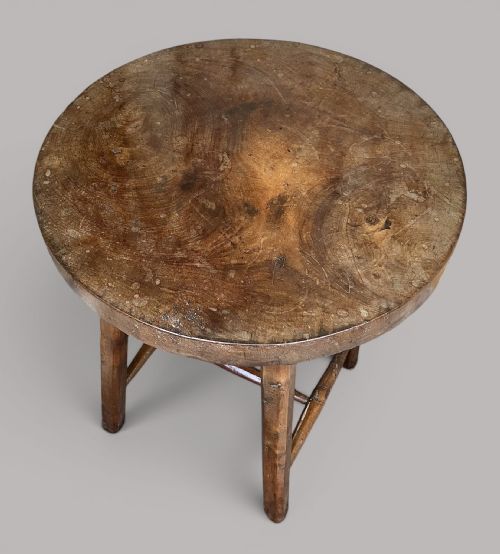
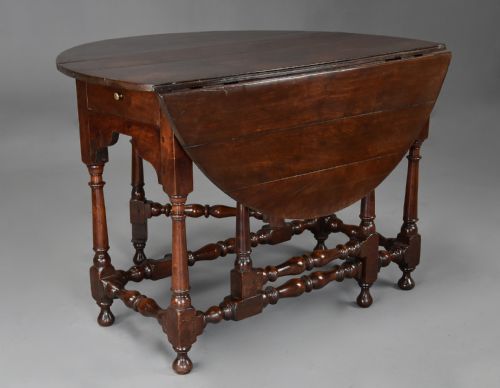
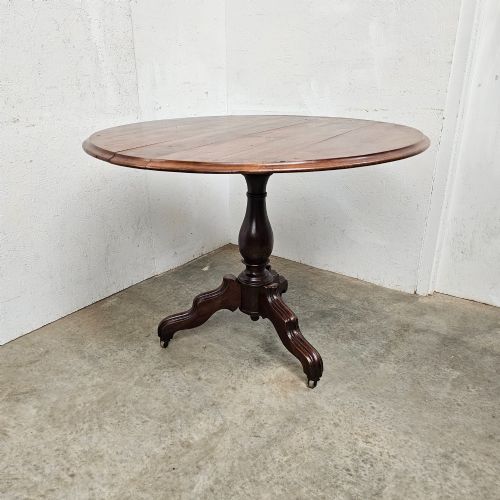
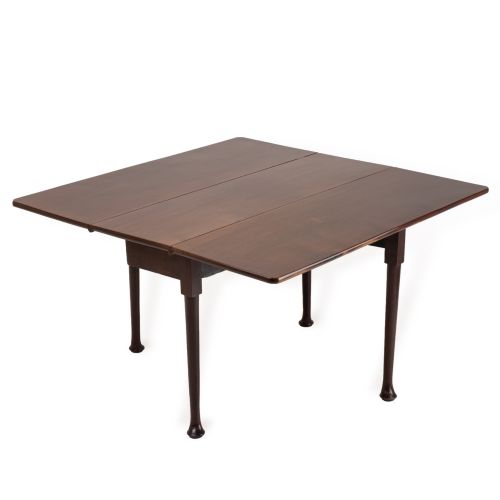
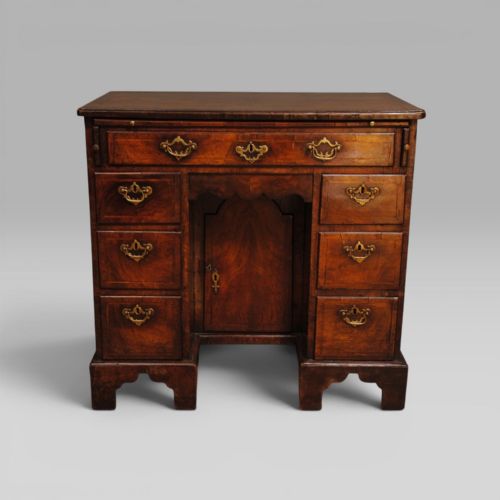
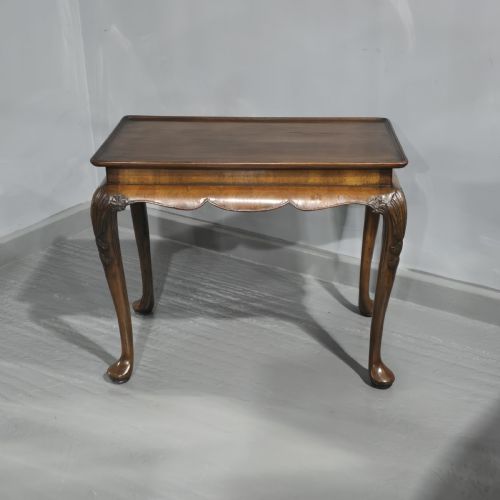

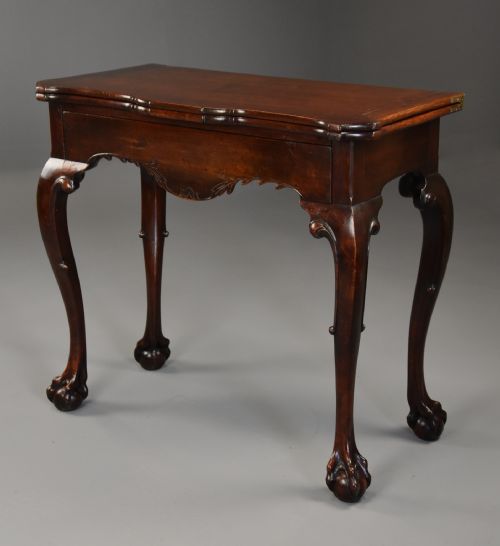


Georgian Dark Walnut Table
A georgian dark walnut table brings rich timber figure and deep patination into a room, offering both practical surface area and historic character.
Georgian Dark Walnut Table
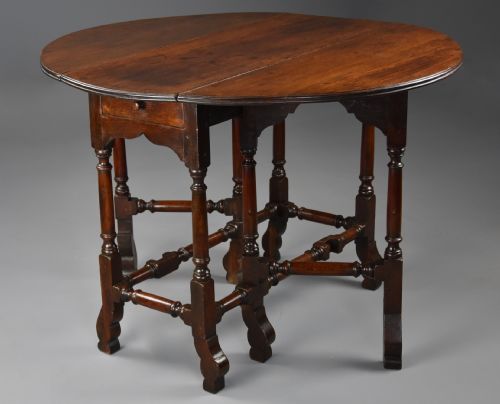
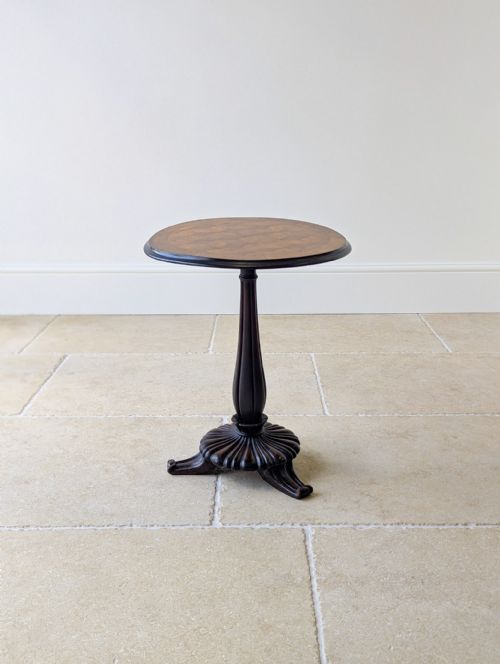
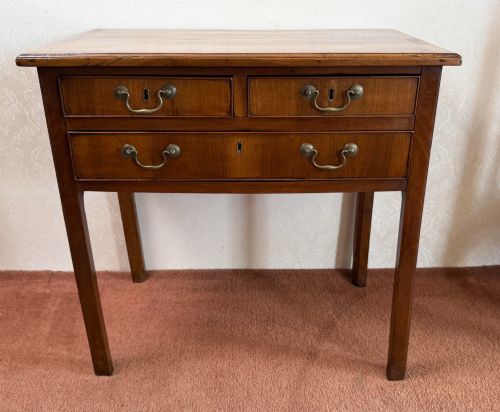
A georgian dark walnut table encompasses various forms designed for domestic utility and social display during the eighteenth century and related periods. Buyers searching for a georgian dark walnut table most frequently encounter lowboys, side tables, tea tables, and gateleg tables spanning the seventeenth to nineteenth centuries.
Makers constructed these pieces using walnut, red walnut, burr walnut, and solid walnut, often paired with secondary timbers like oak and mahogany. Surviving examples reflect domestic requirements ranging from dining and tea service to bedside storage and general display.
Materials and construction
Craftsmen utilised solid walnut and burr walnut veneers applied to stable secondary woods such as oak and mahogany to build these surfaces. Timber selection focused on grain patterns, resulting in figured surfaces that gained warmth and depth through decades of handling.
Joinery methods included mortise and tenon frames, dovetails for drawer construction, and pegged joints on early gateleg and drop-leaf tables. Turning, cabriole leg shaping, and occasional inlaid ornamentation completed the structural and decorative execution.
Current listings feature walnut, red walnut, burr walnut, solid walnut, oak, and mahogany across pieces dated from the seventeenth century through to the Edwardian era.
Assessing quality
Quality rests upon timber selection, surface patination, and the integrity of the original construction. Superior examples display carefully matched grain figures and minimal timber replacement.
The degree of original surface preservation separates standard utility pieces from exceptional ones. Untouched patination and unaltered structural elements elevate the standing of any table.
The Georgian Dark Walnut Table Glossary
- Lowboy
- A small side table or dressing table featuring one or more drawers and standing on relatively short legs. They typically served domestic functions in bedrooms or parlours.
- Gateleg table
- A drop-leaf table with hinged flaps supported by pivoted legs that swing out like a gate. This design allowed tables to expand for dining and fold down for storage.
- Cabriole leg
- A furniture leg that curves outward in a convex arc and then bends inward in a concave arc, terminating in a foot. This form became prominent during the early eighteenth century.
- Tea table
- A small occasional table designed to hold tea service equipment during the eighteenth century. Many feature fold-over tops or raised rims.
- Patina
- The surface sheen and coloration developed by wood through age, use, and polishing. It serves as an indicator of historic authenticity.
Georgian Dark Walnut Table: Frequently Asked Questions
What is a lowboy used for?
A lowboy served primarily as a small dressing table, side table, or writing surface in eighteenth-century homes. Its compact drawers held personal items or documents.
Today, buyers place them in hallways, living rooms, or bedrooms as decorative accent tables with practical surface storage.
How should I care for walnut furniture?
Keep walnut furniture away from direct heat sources and strong sunlight to prevent the timber from drying out and the finish from fading. Regular dusting with a dry cloth maintains the surface.
Apply traditional wax sparingly when the wood appears dry to nourish the grain and preserve the patination.
What defines the Georgian period?
The Georgian period spans the reigns of the first four British monarchs named George, covering most of the eighteenth century. Furniture from this era evolved through distinct stylistic phases.
Designs shifted from heavy walnut forms with cabriole legs toward lighter proportions and alternative timbers as the century progressed.