
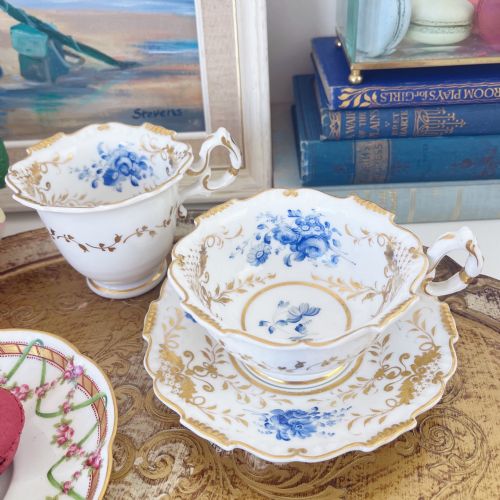
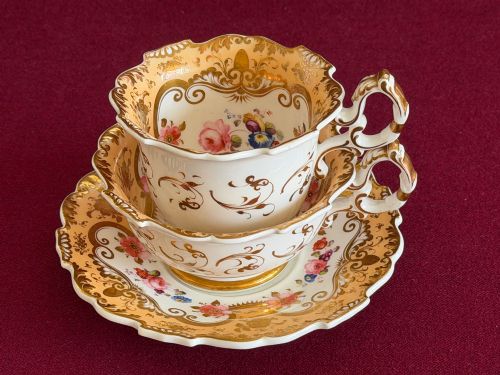
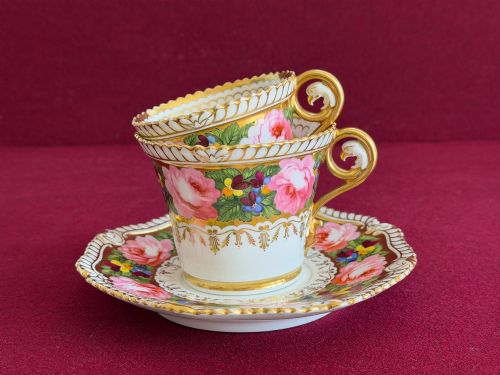
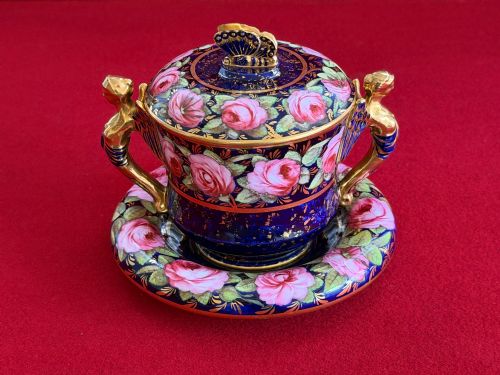

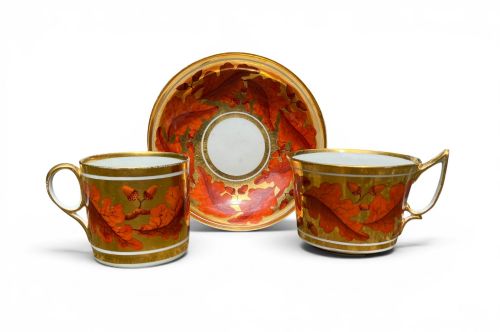
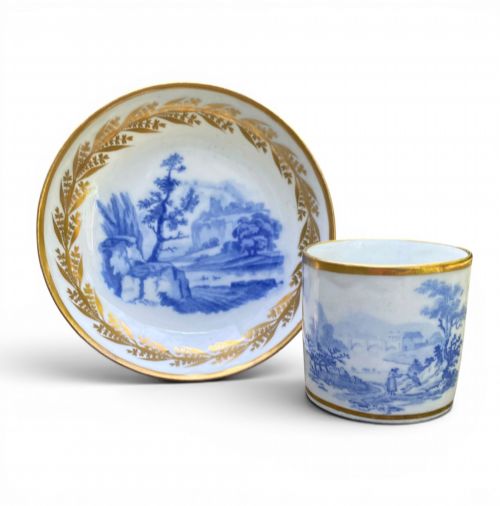
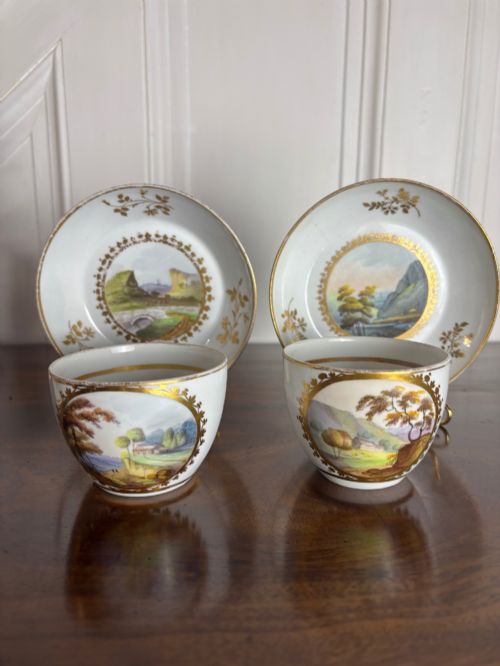
Georgian Cup and Saucer
A georgian cup and saucer represents the pinnacle of early English ceramic artistry, designed to grace high-status tea tables with refined elegance.
Georgian Cup and Saucer
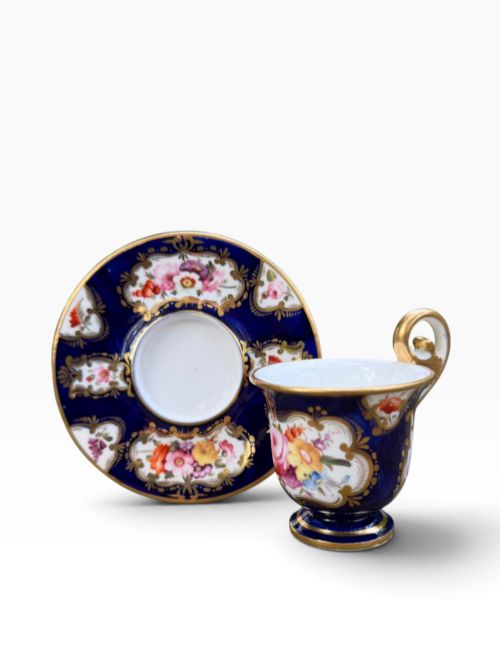
A georgian cup and saucer comprises matching or coordinated drinking vessels created during the eighteenth and nineteenth centuries, often appearing as teacups, coffee cans, chocolate cups, or delicate tea bowls accompanied by their respective saucers.
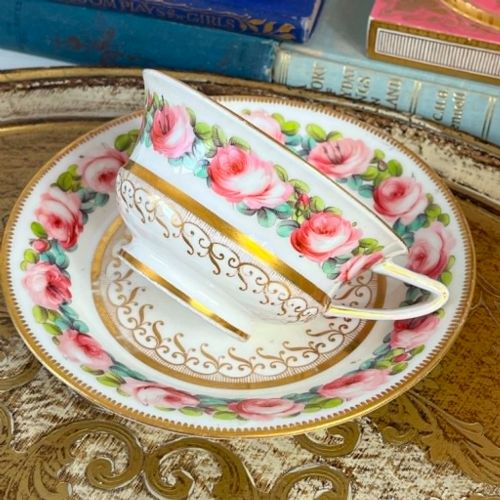
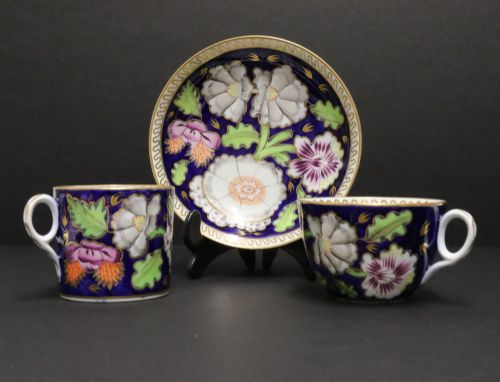
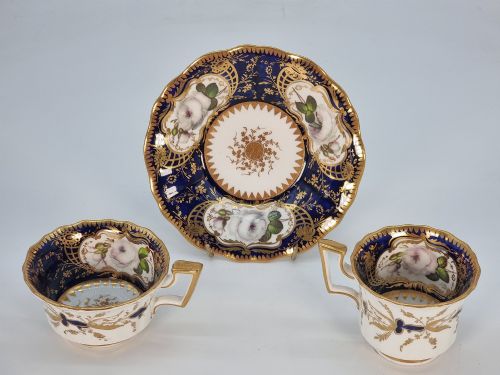
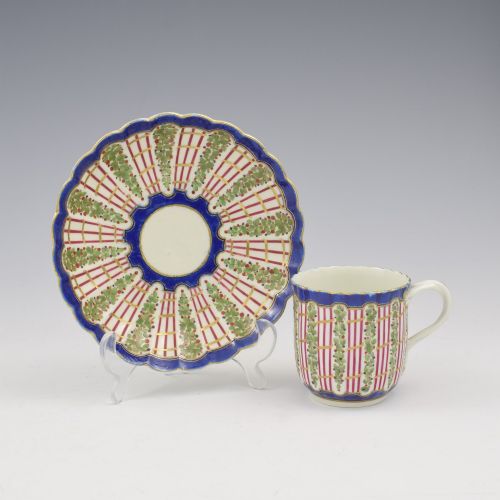
The pieces on this page span the Georgian, Regency, and early nineteenth-century periods, capturing an era of remarkable refinement in domestic porcelain and pottery.
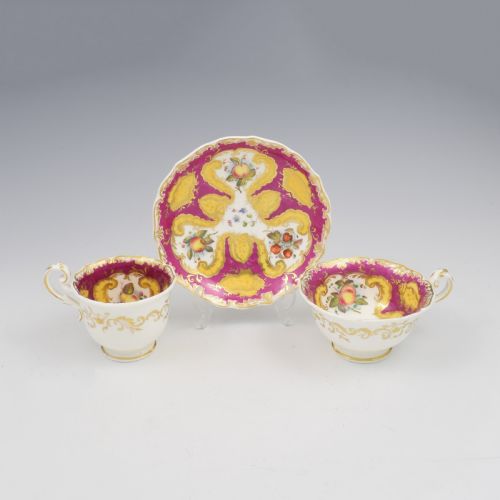
Makers frequently produced these items as parts of trios or cabinet sets, incorporating diverse forms such as the Shrewsbury shape or image handle cups alongside standard tea bowls.
How they were made
Potters utilised fine porcelain, bone china, soft-paste porcelain, and creamware as the foundational bodies for these vessels, shaping them carefully before firing.
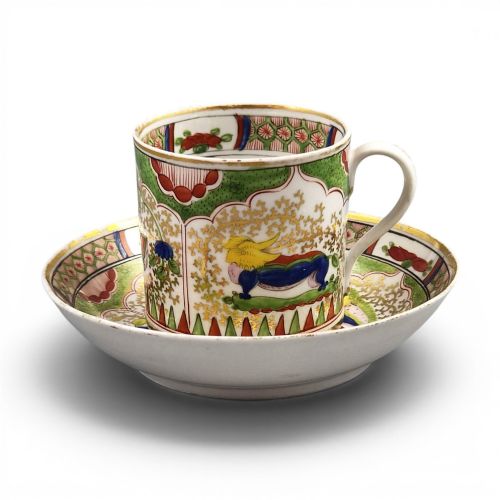
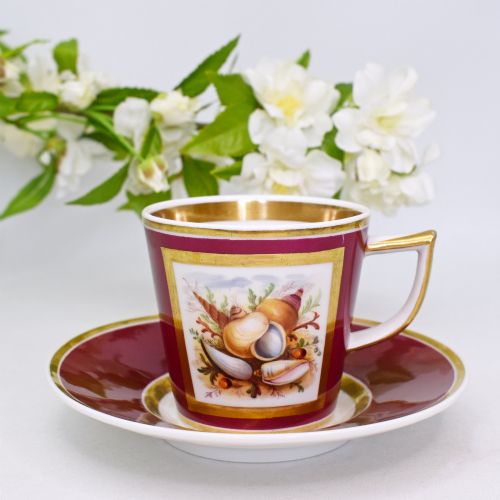
Artisans applied intricate handpainted decoration, gold leaf, gilding, and enamel work to the surfaces, often featuring landscape scenes, botanical studies, or elaborate patterns such as hop trellis and dragon motifs.
Listings feature porcelain, bone china, and creamware bodies decorated with gold leaf, enamel, and handpainting across Georgian and Regency periods.
What varies in quality
Quality in a georgian cup and saucer depends heavily on the fineness of the ceramic body and the precision of the handpainted or gilded embellishments applied by the decorator.
Pieces originating from esteemed factories or those featuring bespoke armorial designs and named patterns demonstrate superior artistic execution and historical significance.
H & R Daniel·Chamberlain Worcester·Spode·Coalport·Flight And Barr·New Hall·Minton·Davenport·Rockingham·Yates
The Georgian Cup and Saucer Glossary
- Tea bowl
- A handleless drinking vessel used for tea during the eighteenth century before the widespread adoption of standard teacups with handles.
- Coffee can
- A straight-sided cylindrical cup specifically designed for serving strong coffee in the Georgian and Regency periods.
- Soft-paste porcelain
- An early artificial ceramic composition fired at lower temperatures than hard paste, known for its warm glaze texture and translucent body.
- Cabinet cup
- A decorative display vessel often produced with an associated stand or cover, intended more for admiration in a cabinet than daily use.
- Gilding
- The application of gold leaf or gold powder onto the ceramic surface to highlight rims, handles, and painted scenes.
Georgian Cup and Saucer: Frequently Asked Questions
What is the difference between a tea bowl and a teacup?
A tea bowl is a traditional handleless vessel influenced by Chinese imports, common in eighteenth-century sets.
Teacups featuring applied handles emerged later in the period as dining habits evolved and seated tea drinking became more formal.
How were these cups and saucers used?
These vessels were utilised during fashionable domestic tea and coffee rituals, often hosted in the drawing room to display the household's social standing.
Wealthy patrons also commissioned cabinet cups intended strictly for display within specialised glass-fronted furniture rather than actual consumption.
How can I identify a Regency period piece?
Regency items typically display bolder neoclassical shapes, vibrant enamels, and heavy gilt highlights that reflect early nineteenth-century aesthetic tastes.
Many pieces from this timeframe also incorporate factory pattern numbers or distinct handwritten signatures beneath the glaze.