
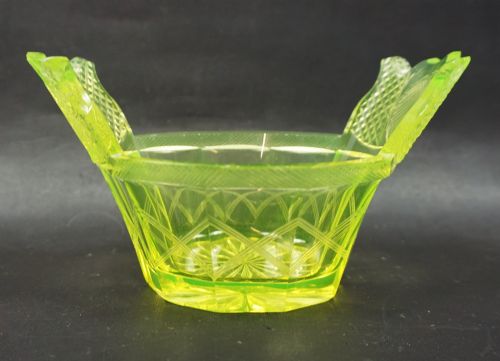


Georgian Crystal Light
Georgian crystal light pieces bring genuine period sparkle to a room, offering the reflective brilliance of lead glass and cut glass.
Georgian Crystal Light
When you search for georgian crystal light pieces, you encounter a range of items including chandeliers, wine glasses, candlesticks, wall lights, and oil lamps. The selection spans the eighteenth century and the Regency era, alongside later interpretations in the Victorian period and the twentieth century.
Chandeliers form a prominent part of the selection, from small examples to fifteen-light English cut glass pieces. You will also find table lustres, glass bowls and dishes, and twin-branch wall lights fashioned from clear cut glass and metal.
The objects frequently combine glass elements with gilt bronze, ormolu, or patinated bronze. While some pieces date directly to the eighteenth and early nineteenth centuries, others reflect later revivals in the Georgian manner.
How they were made
Makers utilised lead glass, crystal, and clear glass, shaping them through cutting techniques to maximise refraction. Metal components such as gilt bronze, silver, and patinated bronze provide structural support and decorative contrast in chandeliers and wall lights.
Advanced glassworking methods allowed artisans to produce light baluster stems with air or incised twists, as seen in drinking vessels. Lustres and chandeliers incorporate cut glass drops suspended to catch and disperse illumination.
Listings feature items from the eighteenth century, Regency era, and Victorian period, alongside twentieth-century pieces made in the Georgian manner.
What varies in quality
Quality reveals itself in the crispness of the glass cutting and the clarity of the material used. Superior examples display sharply defined facets that refract light evenly without cloudiness.
The integration of metal mounts, whether gilt bronze or ormolu, influences the overall character of the piece. Finer items demonstrate careful metalwork that complements the brilliance of the crystal drops and bowls.
The Georgian Crystal Light Glossary
- Cut Glass
- Glass shaped and patterned by abrasive wheels, producing facets that scatter light across a room. This technique defines the sparkle of many period chandeliers and lustres.
- Lustre
- A ornamental candlestick or candelabrum hung with glass pendants designed to enhance the play of flame. Pairs of these objects often sit on mantelpieces.
- Light Baluster
- A heavy stemmed drinking glass from the eighteenth century featuring an enclosed air bubble or knob within the stem. These pieces date to the mid-eighteenth century.
- Ormolu
- Gilt bronze mounted onto decorative objects and lighting fixtures. The technique gives a rich gold-coloured finish to metal mounts.
- Tent and Bag Chandelier
- A lighting form featuring a conical upper tent of glass beads descending into a gathered bag shape below. This configuration maximises the distribution of reflected light.
Georgian Crystal Light: Frequently Asked Questions
What is a tent and bag chandelier?
A tent and bag chandelier is a lighting fixture characterised by an upper canopy of strings of glass beads shaped like a tent, falling into a bag-like lower section. These forms appeared in English lighting design during the nineteenth century.
They utilise cut glass drops to disperse illumination from multiple candles or bulbs throughout a space.
How do I identify eighteenth-century wine glasses?
Eighteenth-century wine glasses often feature light baluster stems, sometimes containing an air twist or incised twist within the glass. Collectors look for specific form characteristics and historical provenance.
Engraved motifs such as friendship inscriptions can also appear on mid-eighteenth-century examples.
What materials are used in these lights?
These pieces combine lead glass, crystal, and clear glass with metal components. Mounts and frames frequently incorporate gilt bronze, silver, or patinated bronze.
Some items also feature uranium glass or ormolu details to enhance their visual appeal.
Are all these items from the Georgian period?
While the search encompasses Georgian items, the selection also includes Regency pieces and later nineteenth-century and twentieth-century interpretations. Makers produced items in the Georgian manner well after the actual period ended.
Stylistic cues and materials help distinguish original eighteenth-century items from later revival pieces.
Where were table lustres placed?
Table lustres generally stood on side tables, mantelpieces, or dining furniture to provide decorative illumination. The hanging glass pendants caught the light from candles placed in the sockets.
Pairs of these lustres formed symmetrical decorative arrangements in period interiors.