
Georgian Crest Wall Mirror
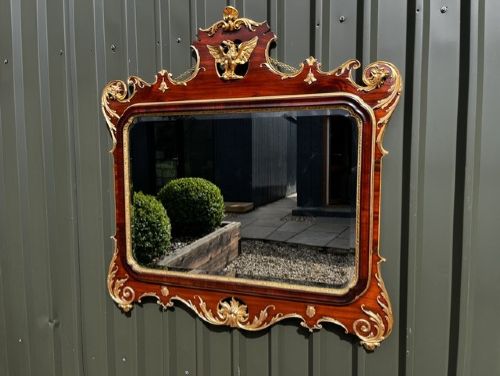
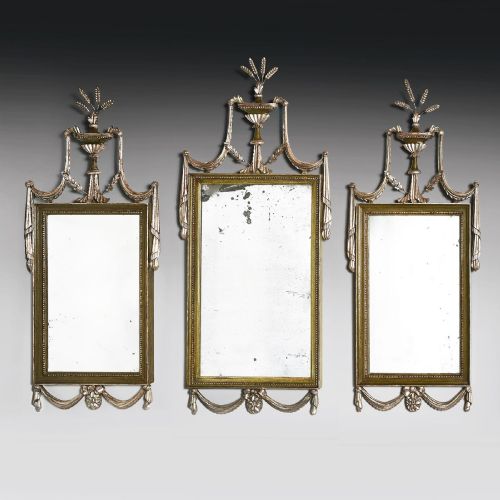
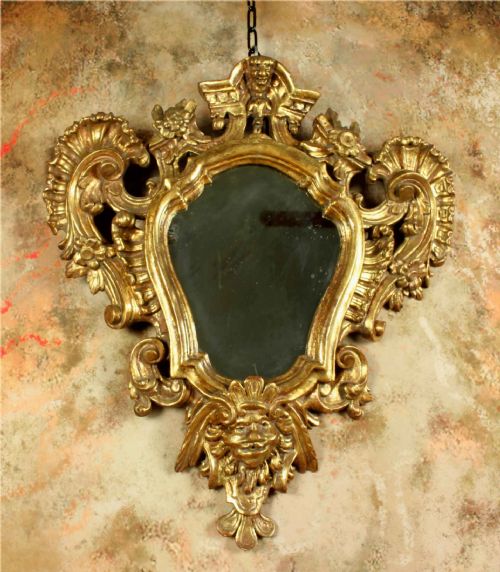
These georgian crest wall mirror examples combine carved timber or gilt surfaces with traditional crests, bringing period character and reflective depth to an interior.
Georgian Crest Wall Mirror
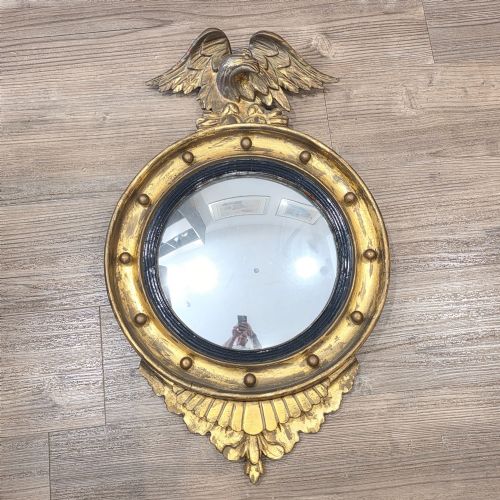
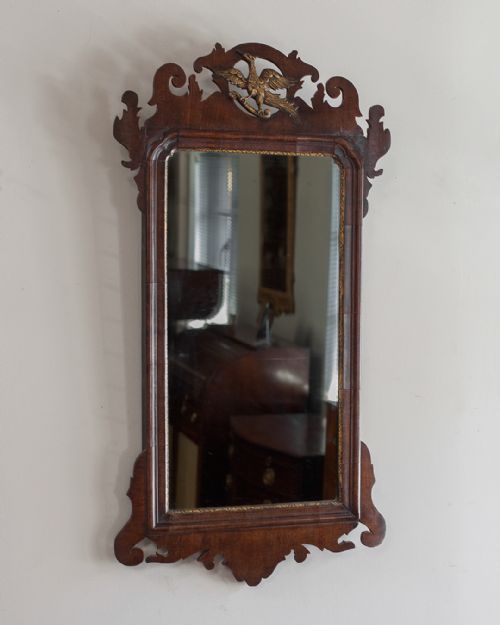
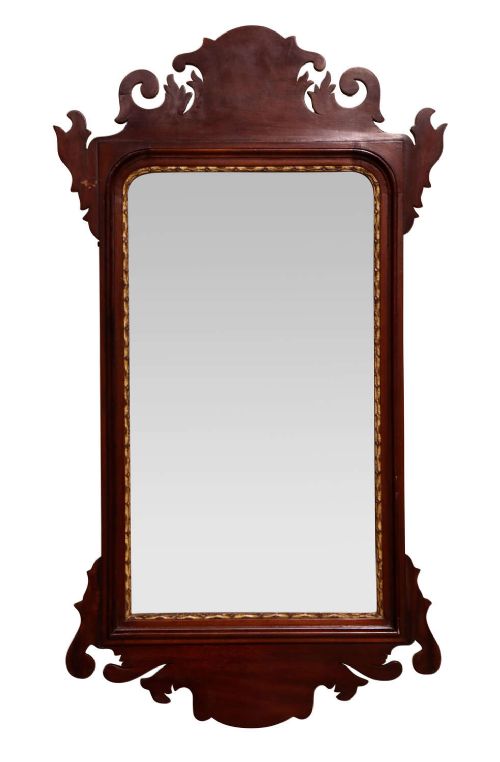
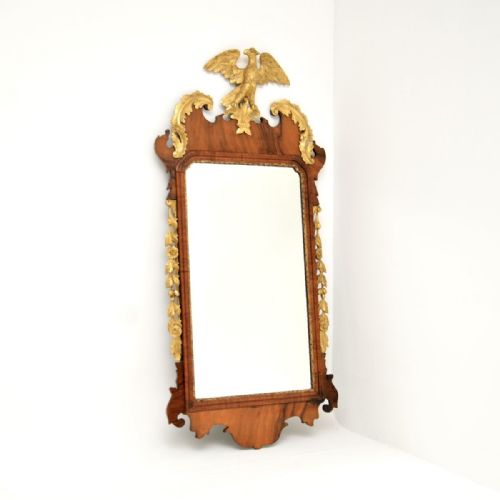
A georgian crest wall mirror encompasses wall-hanging looking glasses defined by architectural or decorative top ornaments, ranging from modest fret-cut frames to grander pier and convex designs.
The pieces appearing here span genuine 18th-century work alongside later revival interpretations from the 19th and early 20th centuries.
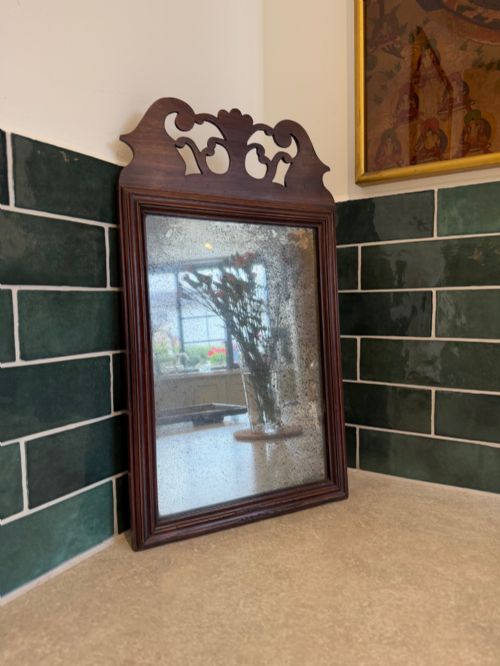
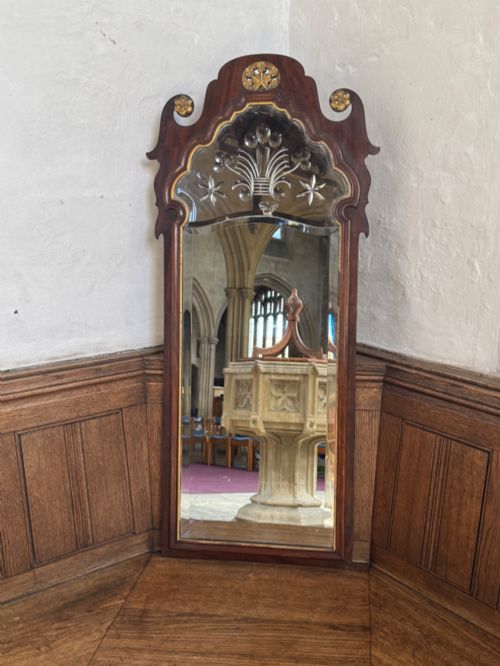
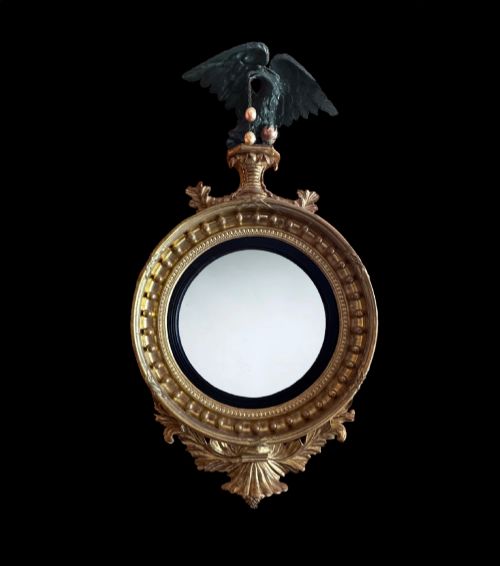
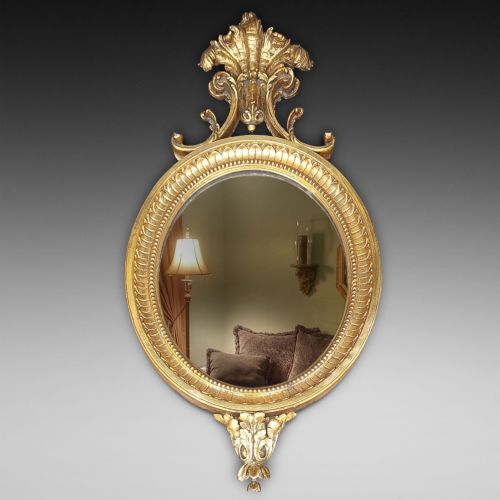
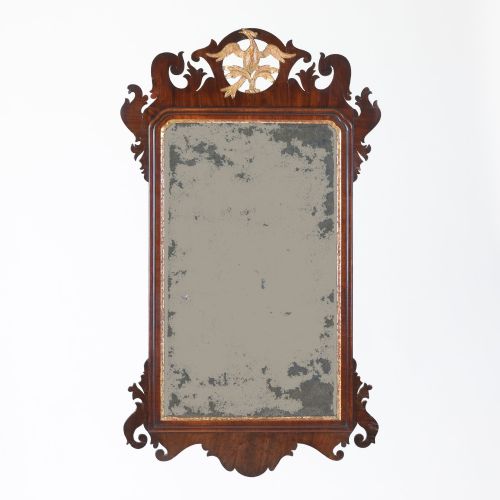
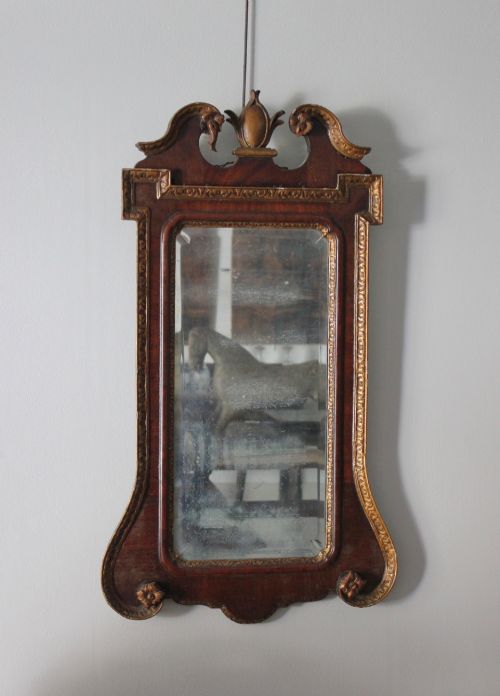
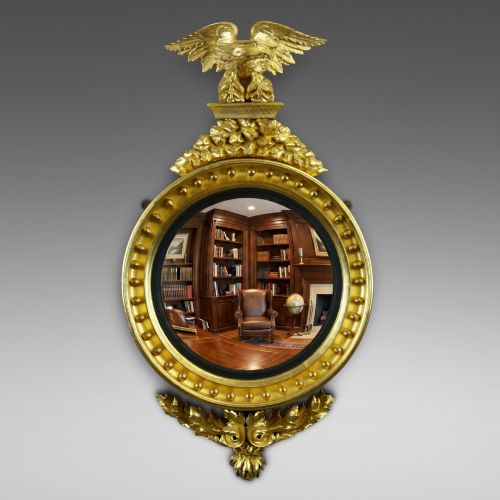
Mahogany fretwork plates and gilded convex forms featuring eagles or dragons dominate the selection, showing how makers adapted classical motifs across distinct periods.
How they were made
Carvers shaped timber foundations from mahogany, walnut, and softwoods before applying layers of gesso to areas intended for gilding.
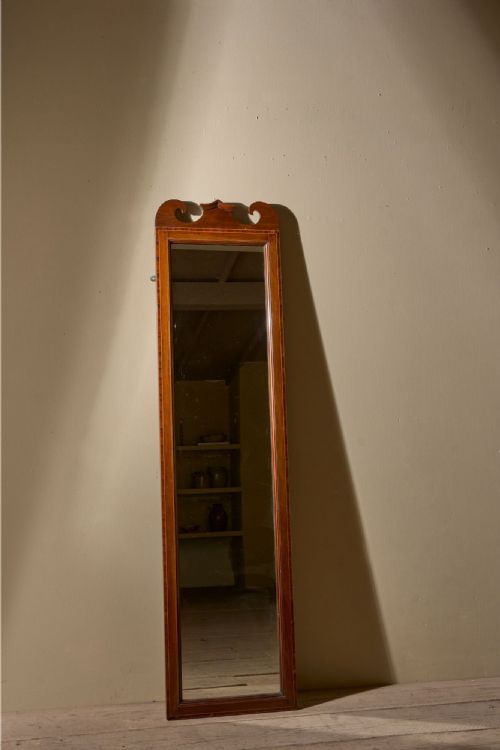
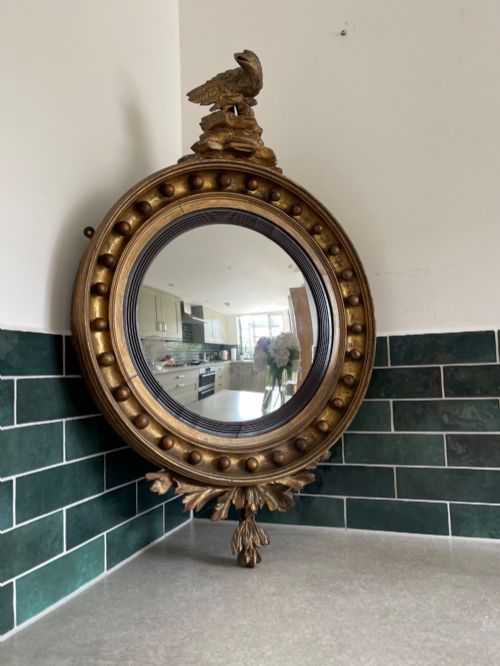
Craftsmen built fret-cut frames using thin mahogany boards pierced with scrolls and silhouetted outlines, while convex plates sat within moulded circular frames topped with carved birds.
Listings feature mahogany, walnut, and giltwood constructions spanning the 18th, 19th, and early 20th centuries.
What varies in quality
The crispness of the carving defines the visual weight of the piece, separating sharp, hand-chiselled foliage and bird crests from softer, mechanically smoothed contours.
Originality of the mirror plate itself influences the character, as historic glass carries subtle distortions and silvering wear that modern replacements lack.
Gillows Of Lancaster
The Georgian Crest Wall Mirror Glossary
- Fretwork
- Openwork carving produced by piercing thin wood with a fretsaw to create decorative symmetrical patterns along the frame edges. This technique appears frequently on mahogany wall mirrors.
- Gesso
- A plaster mixture applied over wood to provide a smooth base for water gilding or painting. It allows intricate relief details to be modelled around the frame.
- Convex mirror
- A circular looking glass with a curved plate that reflects a wide, distorted field of vision. These frames often feature ball-stud borders and spread eagle crests.
- Parcel gilt
- A finish combining painted or polished wood surfaces with partially applied gold leaf. It highlights specific carved details like mouldings and inner edges.
Georgian Crest Wall Mirror: Frequently Asked Questions
How do I hang a heavy crest mirror?
These mirrors require secure wall fixings distributed across the timber frame to bear the weight safely.
Use professional brackets anchored directly into masonry or substantial wall studs rather than relying on standard picture hooks.
Are these mirrors original 18th-century pieces?
The selection includes both genuine period examples from the 1700s and later revival pieces made during the 19th and early 20th centuries.
Checking the construction methods, timber ageing, and mirror plate characteristics helps distinguish the original Georgian items from later interpretations.
What is a pier mirror?
A pier mirror is a tall, narrow looking glass designed to hang on the wall space between windows.
These pieces often match lower console tables and serve to maximise natural light within a room.
How should I clean the glass?
Historic glass requires gentle maintenance to preserve the original silvering and prevent moisture damage behind the frame.
Apply a mild cleaner to a cloth rather than spraying the glass directly, ensuring liquid does not seep behind the edges.