

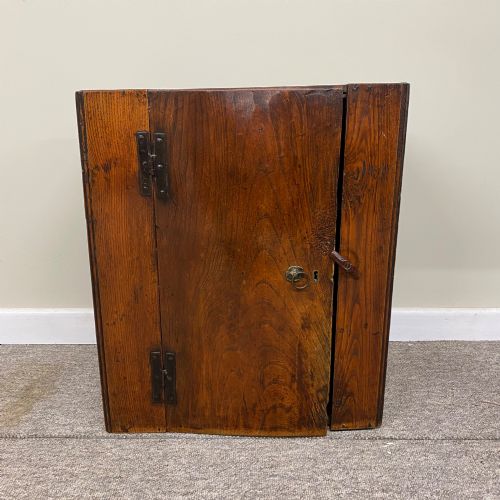
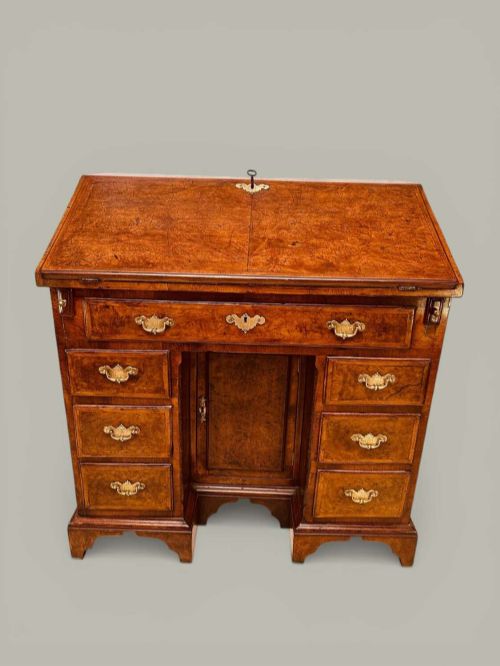

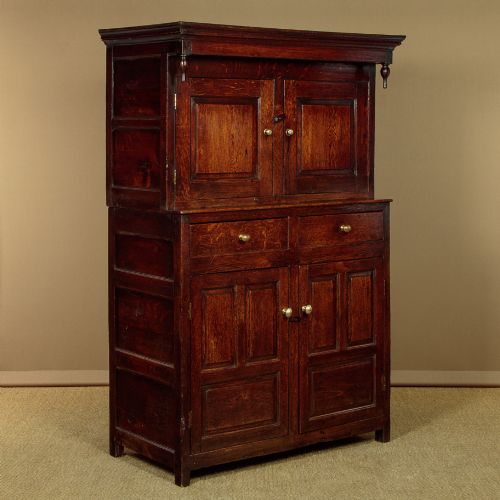
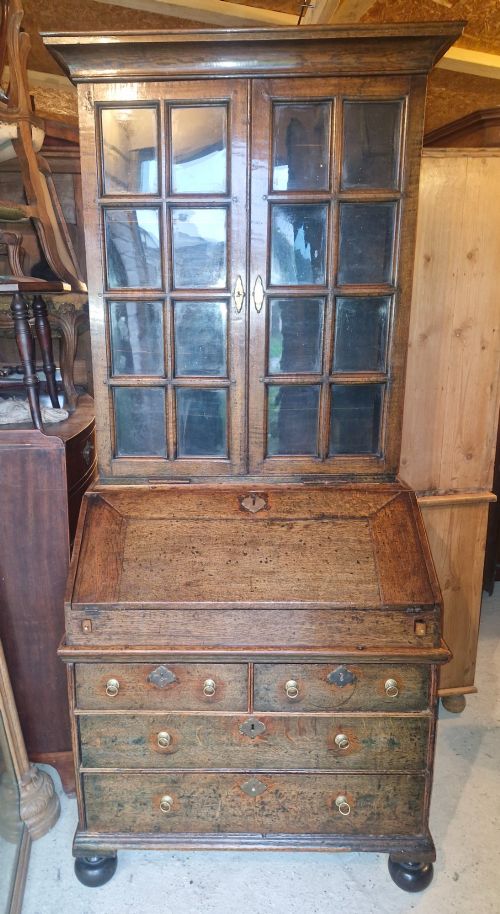
Georgian Country Oak Cabinet
A georgian country oak cabinet brings honest vernacular timber and simple storage into a room, offering sturdy utility shaped by regional British cabinet-makers.
Georgian Country Oak Cabinet
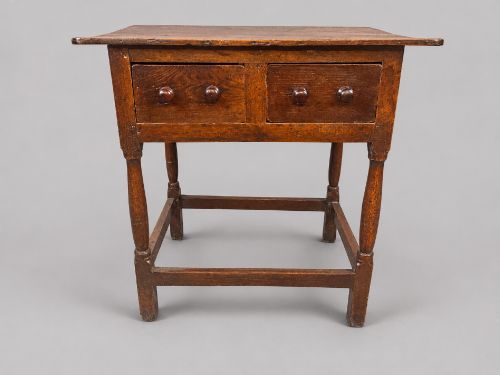
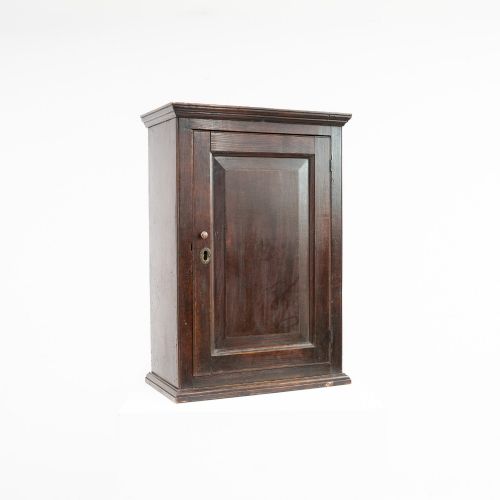
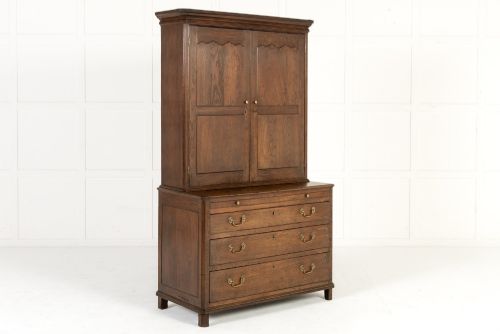
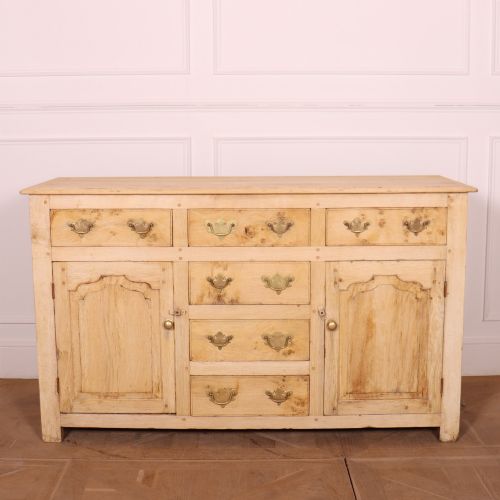
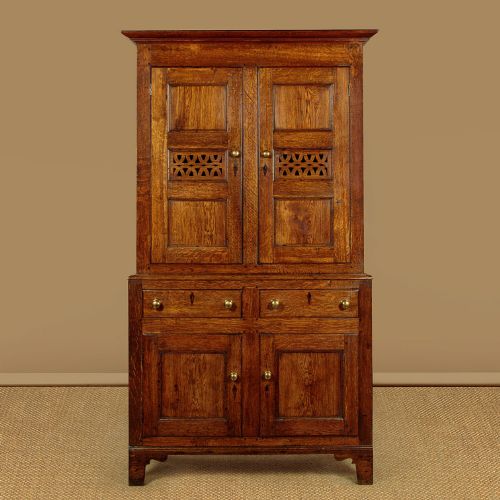
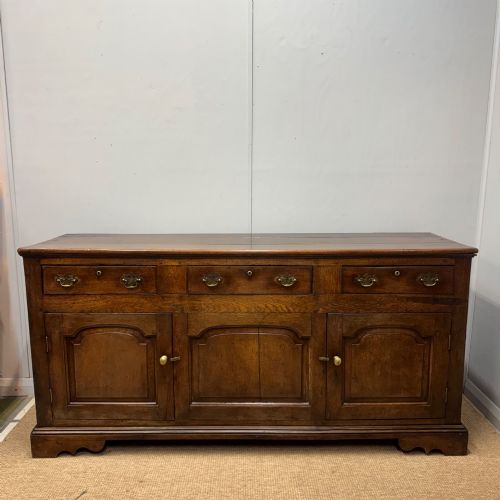
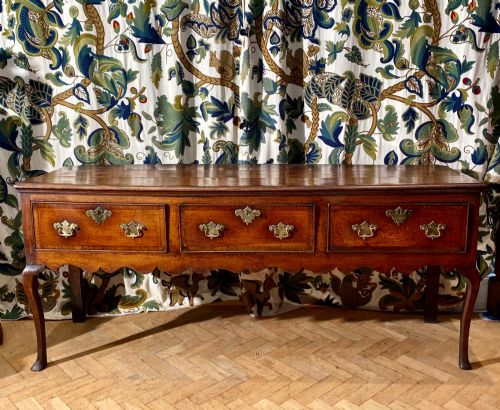
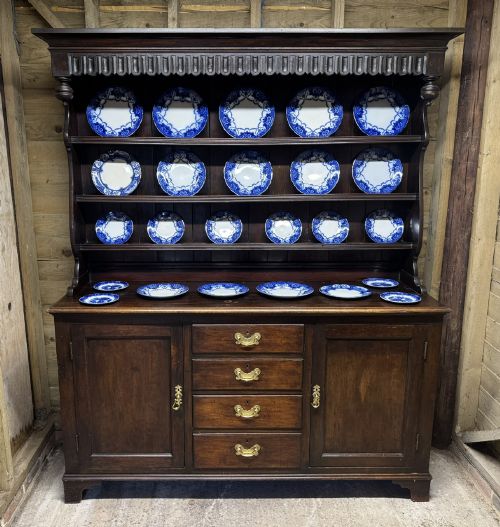
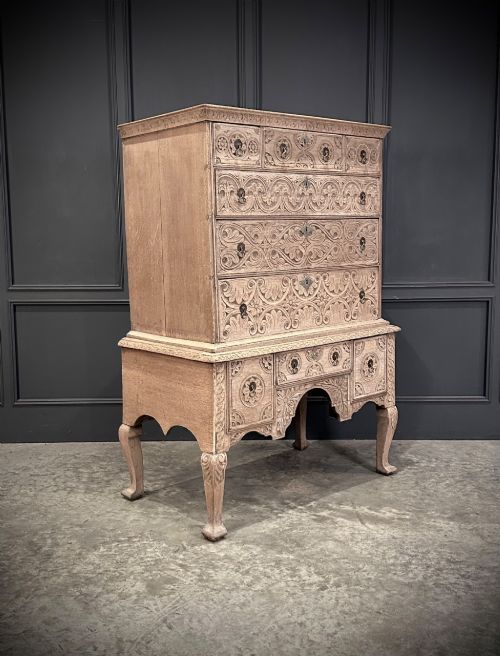
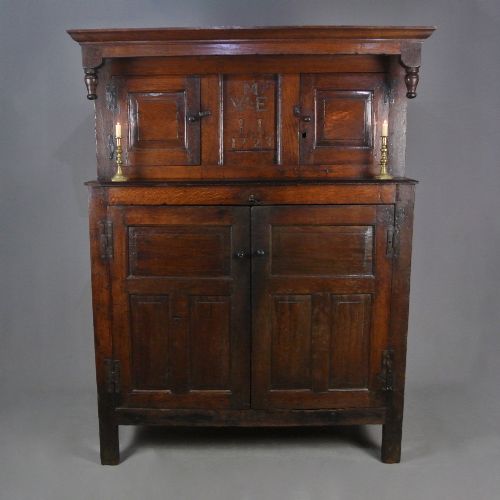
A georgian country oak cabinet encompasses regional vernacular forms including wall-hanging corner cupboards, floor-standing corner cabinets, press cupboards and multi-tier dressers. These items served as functional storage in provincial dining rooms, kitchens and halls across England and Wales.
The versions most commonly met on this page date from the eighteenth and nineteenth centuries, often showing heavy influence from Welsh and West Country traditions. They prioritize utilitarian capacity, heavy timber construction and simple panelled doors over metropolitan ornamentation.
How they were made
Makers constructed these pieces primarily using solid local oak, supplemented by secondary woods such as pine, elm, fruitwood and mahogany for drawer linings and internal shelving. Timber was often pit-sawn locally, resulting in varied plank widths and visible grain patterns.
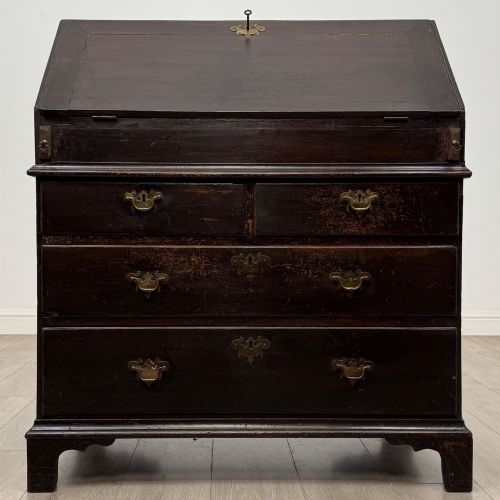
Joinery relied on pegged mortise and tenon frames, hand-cut dovetails for drawers and raised and fielded panels set into heavy stiles and rails. Brass H-hinges, butterfly hinges or simple iron butterfly plates secured doors, while turned wooden knobs or brasses finished drawer fronts.
Georgian Country Oak Cabinet Retail Price Guide 2026
Typical asking prices for georgian country oak cabinet among the pieces listed under this phrase on Sellingantiques today, from the lower quarter to the upper quarter. They describe what is for sale here now, not the wider market.
Listings feature oak, pine, mahogany, elm, glass, fruitwood and painted wood across 18th century, 19th century, Georgian, Regency and Victorian periods.
What varies in quality
Quality rests in the integrity of the timber selection, the crispness of hand-cut joints and the survival of original patination and brassware. Pieces featuring secondary timbers like burr elm or fruitwood for contrast display higher ambition from the regional maker.
Proportion and regional character dictate desirability, with well-balanced cornice mouldings and untouched original backs holding greater appeal than heavily restored or altered carcases. The depth of the natural wax finish and the tightness of the panel shrinkage tell the true story of age.
The Georgian Country Oak Cabinet Glossary
- Deuddarn
- A traditional Welsh two-tier press cupboard or sideboard featuring enclosed lower cupboards and an upper section supported by turned posts. This form provided secure storage for household linens and dry foods in rural dwellings.
- Potboard
- A lower open shelf built into the base of a dresser, historically used for storing heavy pots and pans off the damp stone floor. It forms an integral part of many provincial Welsh and English dresser bases.
- Cwpwrdd
- The Welsh term for a cupboard, frequently found in descriptions of regional vernacular storage furniture. These pieces range from small wall-hanging units to large floor-standing linen presses.
- Fielded panel
- A wooden panel with bevelled edges designed to fit into a grooved frame, allowing the timber to expand and contract safely with humidity changes. It adds depth and shadow lines to cupboard doors and side panels.
- Dresser rack
- The upper tiered shelving unit designed to sit atop a dresser base for displaying ceramic plates and platters. Racks often feature shaped friezes and plate grooves along the shelf edges.
Georgian Country Oak Cabinet: Frequently Asked Questions
What is a country oak cabinet?
A country oak cabinet is a piece of vernacular furniture made outside London, typically in regional workshops across England and Wales using locally sourced timber. These items include corner cupboards, dressers and press cupboards designed for practical household storage.
They reflect the domestic needs of rural households rather than court fashions, relying on solid construction, pegged joints and simple panelled doors to endure daily use.
How do I date a Georgian oak piece?
Dating relies on examining construction methods, such as hand-cut dovetails, pit-sawn board thickness and the style of hinges and brassware. Earlier eighteenth-century examples often feature heavy pegging, fielded panels and distinct regional quirks.
Later nineteenth-century pieces may incorporate machine-sawn elements or secondary timbers like pine while retaining traditional regional forms like the Welsh dresser or hanging corner cupboard.
Where were these cabinets made?
These cabinets were produced in provincial workshops, towns and rural areas across Britain, with strong traditions surviving in Wales and the West Country. Local timber yards supplied native oak, elm and fruitwood to regional joiners.
Constructed close to where the timber grew, each piece often incorporates regional design traits characteristic of Welsh vernacular or West Country cabinet-making.
How should I care for old oak?
Old oak thrives in stable room environments away from direct heat sources and rapid humidity fluctuations, which can cause timber to split or warp. Applying natural beeswax periodically helps nourish the dry grain and maintain the surface sheen.
Avoid synthetic polishes and damp cloths, using instead a soft, dry brush or cloth to gently remove dust from carved details and panel grooves.