
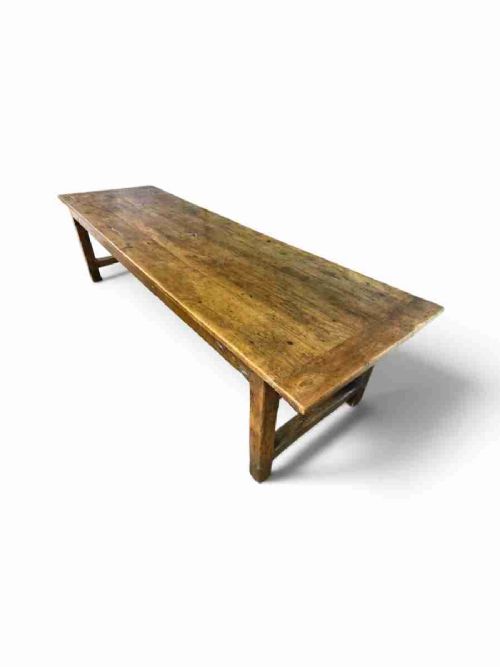
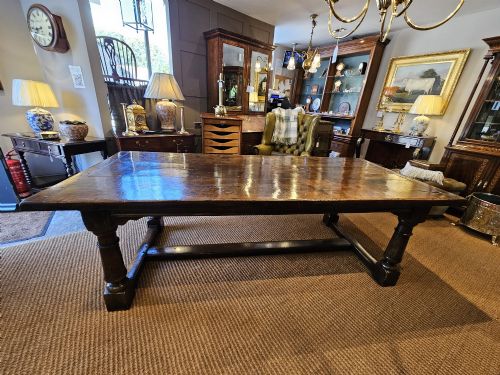
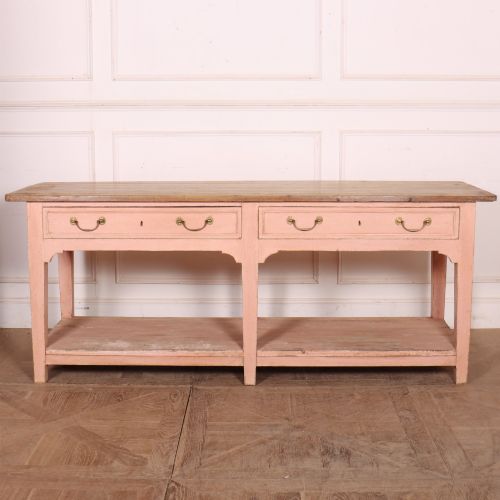

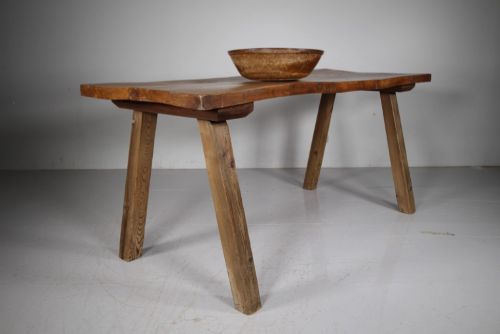
Georgian Country Kitchen Table
A georgian country kitchen table brings honest proportions and hard-wearing timber straight from working domestic spaces into modern rooms.
Georgian Country Kitchen Table
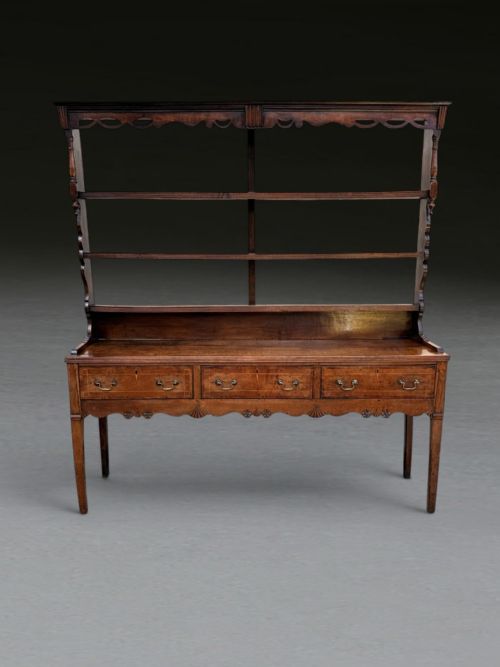
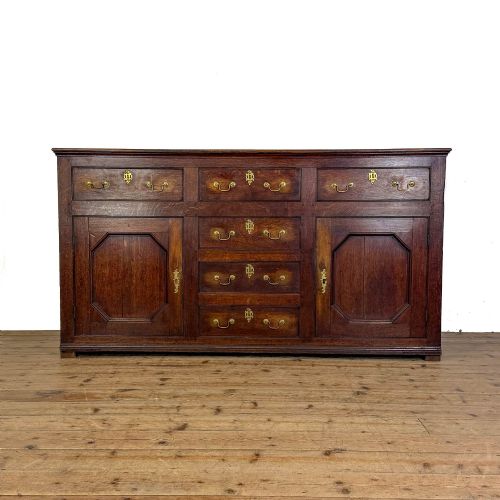
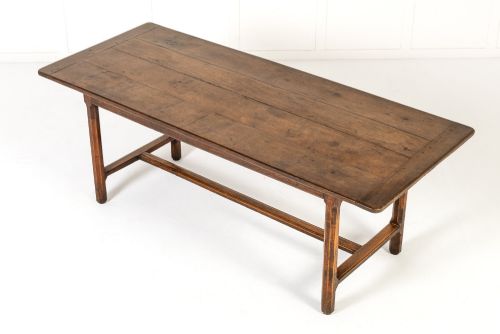
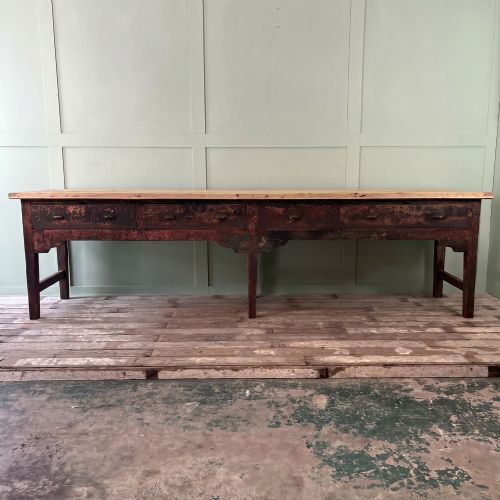
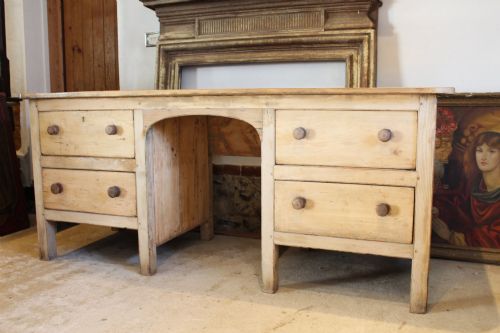
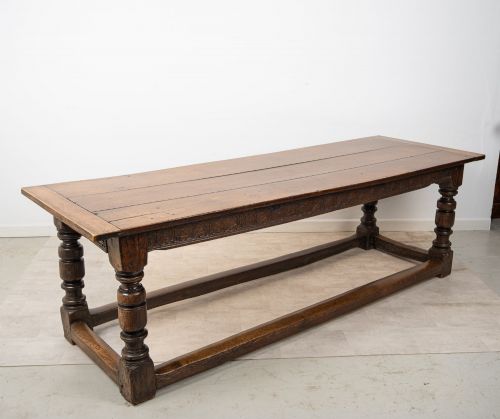
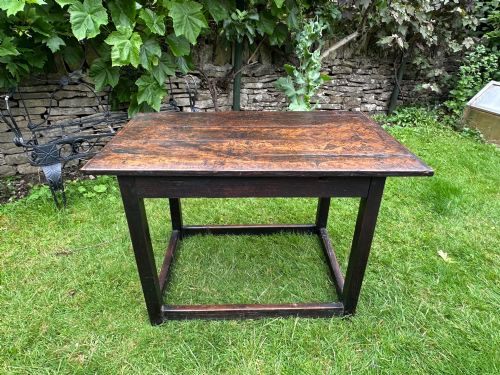
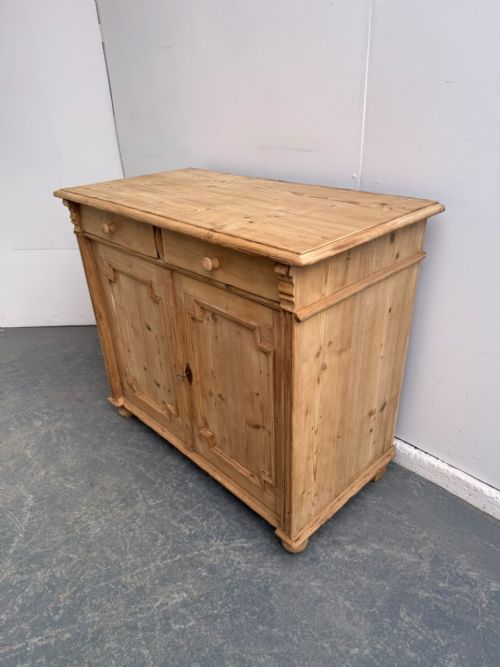
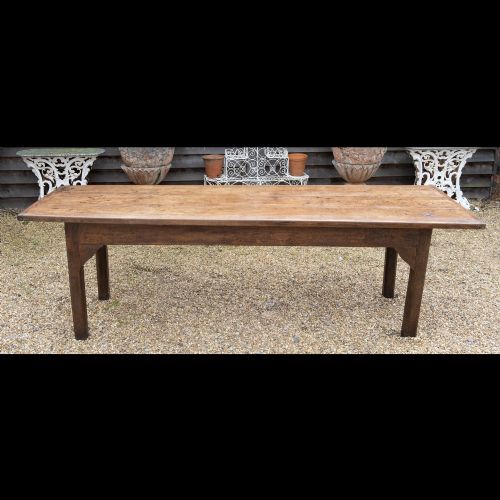
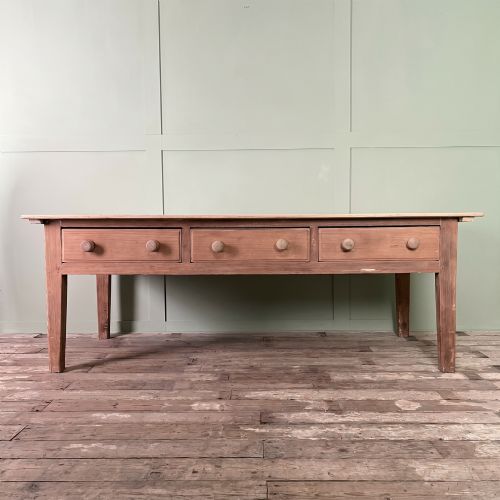
A georgian country kitchen table encompasses robust dining tables, refectory pieces, and utilitarian serving or prep surfaces designed for heavy domestic use. Buyers encounter solid timber construction built to handle daily preparation, cooking, and dining without ornate pretense.
Most examples originate from the eighteenth and nineteenth centuries, spanning the Georgian period and early Victorian eras. These forms reflect regional vernacular traditions across England, Scotland, and Wales, often appearing as plank-top tables or heavy dresser bases.
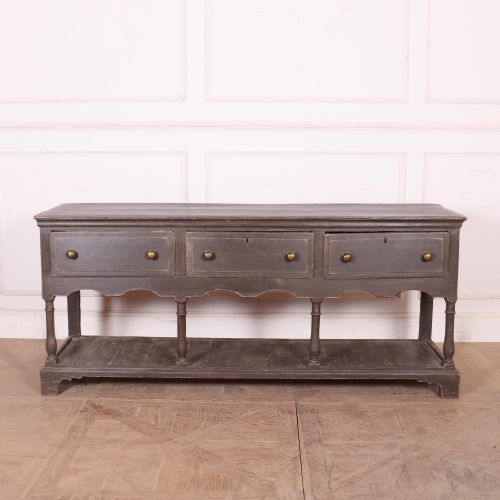
The prevailing styles run toward English country, rustic farmhouse, and vernacular designs rather than formal parlour furniture. This category also accommodates related pieces like potboard dressers, dairy prep tables, and scullery boards sharing the same practical origins.
How They Were Made
Joiners relied heavily on native hardwoods and softwoods, predominantly building with oak, pine, elm, and sycamore. Walnut and beech appear less frequently, while brass hardware serves structural or functional roles on drawers and drop-leaf mechanisms.
Construction techniques prioritized strength through thick plank tops, pegged joints, and sturdy underframes like potboards or stretcher bases. Surfaces often display the marks of hand-planing and daily utility, occasionally finished with historic paint or scrubbed timber.
Many dairy prep tables still carry the faint, pale scars of butter pats and cheese moulds pressed into their sycamore boards.
What Varies in Quality
Quality rests primarily on the integrity of the timber and the degree of original surface survival. Tables retaining their unpainted scrubbed tops or authentic early painted finishes command greater attention from purists than those stripped down heavily in later decades.
Proportion and structural honesty separate everyday utility pieces from finer country house examples. Original framing, untouched timber thicknesses, and minimal timber replacement dictate the standing of any refectory table or dresser base.
The Georgian Country Kitchen Table Glossary
- Potboard
- A low open shelf fitted beneath a dresser base or serving table, originally designed to hold heavy earthenware and pots. It provides structural stability to the legs while offering visible storage.
- Refectory table
- A long, narrow dining table built for communal meals, characterised by sturdy legs connected by low stretchers. These pieces form the backbone of historic farmhouse dining.
- Scrubbed top
- A wooden table surface repeatedly scoured with water and sand to keep it clean and white. This process creates a distinctive pale, textured grain highly prized by modern collectors.
- Plank top
- A table surface constructed from wide boards joined edge-to-edge rather than veneered. These boards show the natural growth rings and wear of centuries of domestic labour.
- Vernacular
- Furniture designed and built by local tradesmen for practical local use rather than following high-style academic pattern books. These objects reflect regional materials and traditions.
Georgian Country Kitchen Table: Frequently Asked Questions
How do I clean a pine kitchen table?
Wash the surface gently using warm water and mild soap, avoiding harsh chemical cleaners that strip the historic dry finish. Dry the timber thoroughly with a soft cloth immediately after washing.
Apply a traditional beeswax polish occasionally to nourish the grain and protect the wood against moisture without creating an artificial gloss.
Can I use an antique table daily?
These tables were built for hard working domestic kitchens and easily withstand normal daily family dining and food preparation. Using placemats and coasters protects the historic timber from excessive heat and moisture rings.
Regular use actually benefits dry antique wood by maintaining stable indoor conditions and keeping the surface conditioned through touch.
How do I date an oak table?
Examine the underside and joints for hand-cut tool marks, peg construction, and the natural oxidation of the timber over centuries. Pegs that sit slightly proud indicate hand-bevelling and older manufacturing methods.
Compare the leg turnings and stretcher configuration against known period styles like George III framing to narrow down the decade of creation.