



Georgian Country House Cupboard
A georgian country house cupboard brings utilitarian history inside, offering sturdy oak, pine or painted surfaces built for rural domestic life.
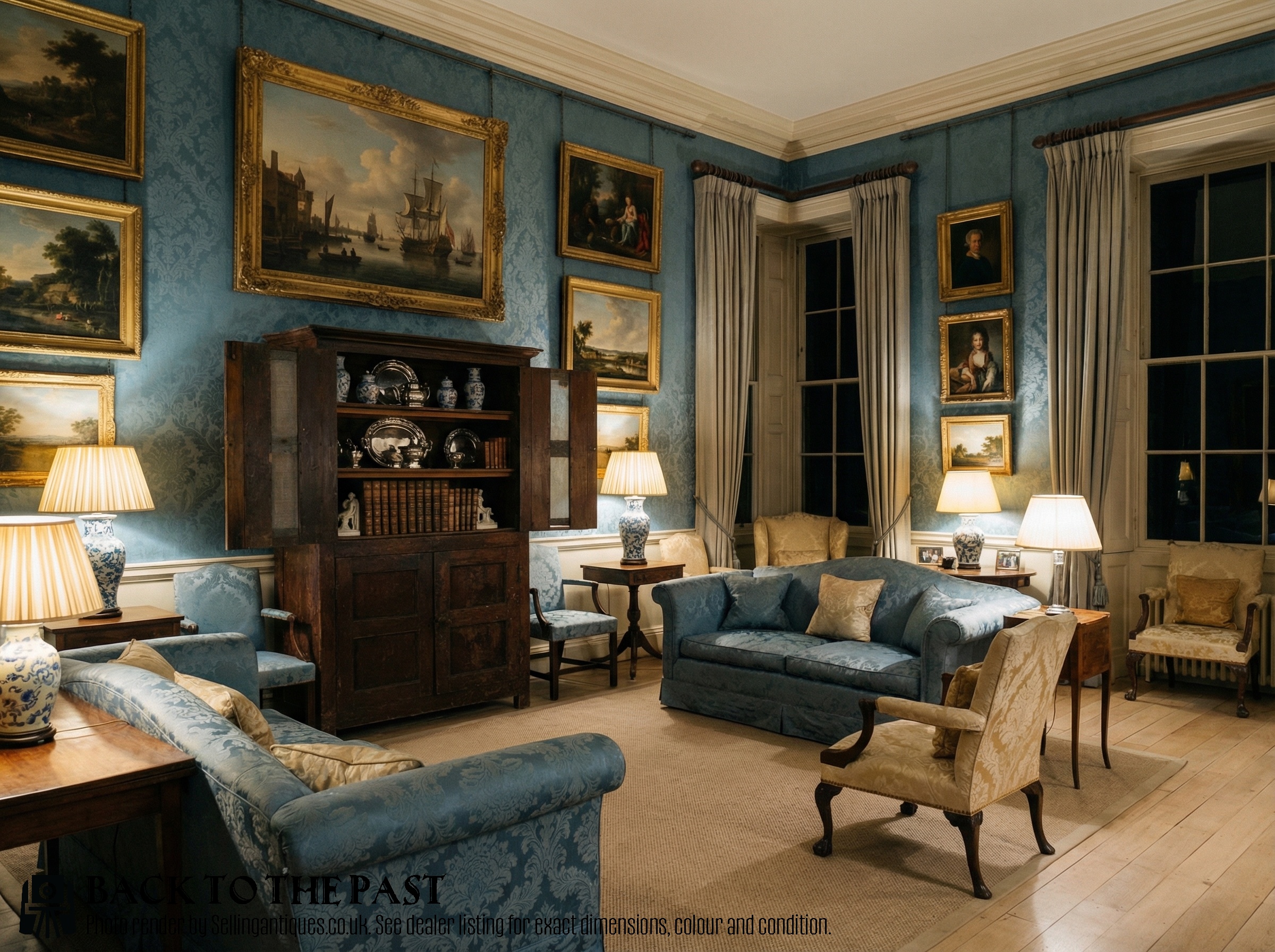
Georgian Country House Cupboard
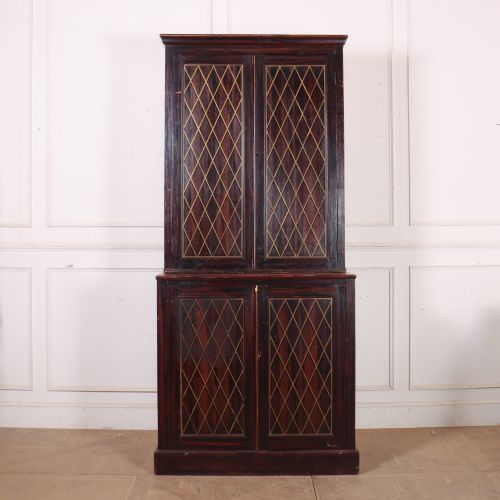
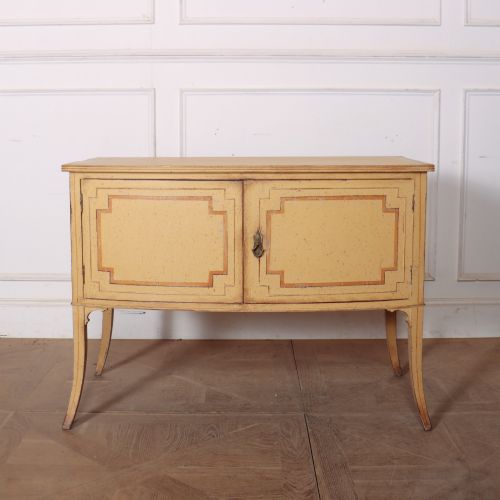
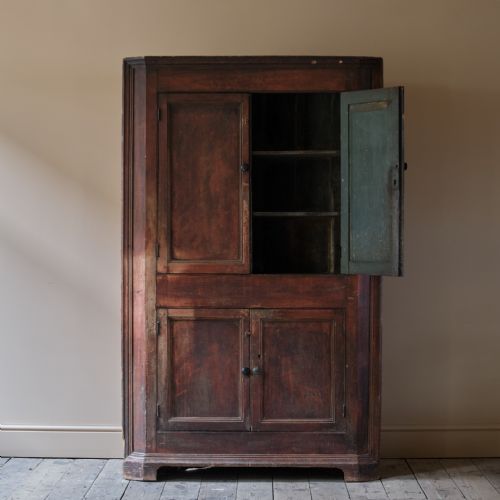
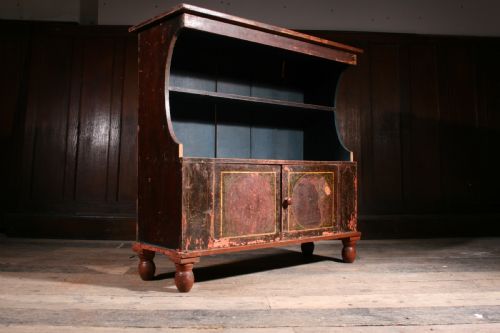
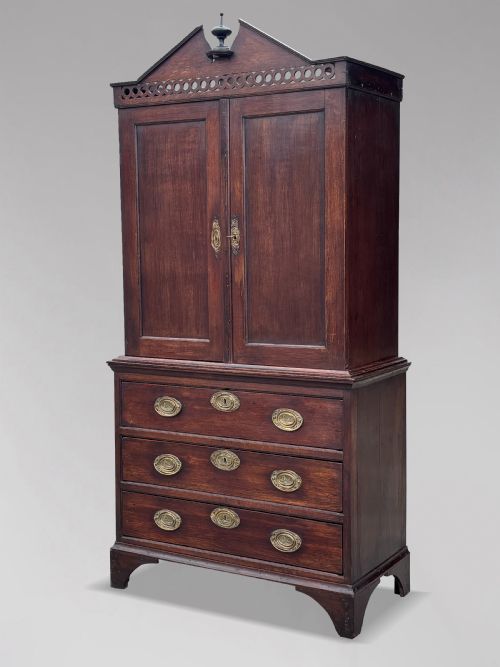
A georgian country house cupboard encompasses utilitarian storage furniture built for large domestic estates, including housekeepers cupboards, dressers, corner cabinets and linen presses. These forms served practical functions in large kitchens, sculleries and servants quarters rather than formal reception rooms.
The selection here draws primarily from eighteenth and nineteenth century examples, featuring regional English, Welsh, Irish and continental pieces. Buyers frequently encounter oak and pine carcases finished in original paint, raw wood or wax.
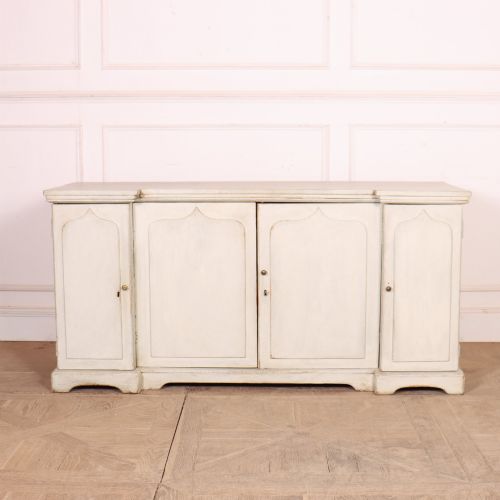
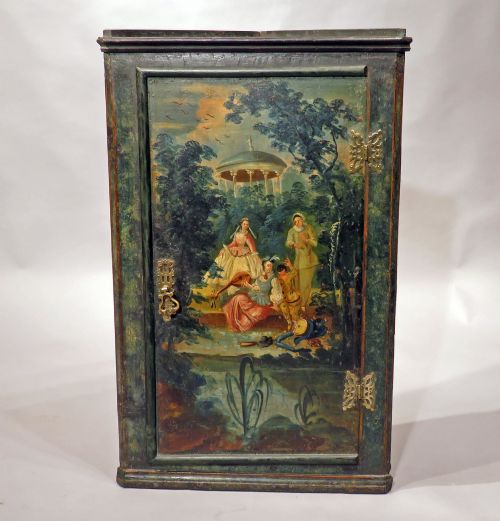
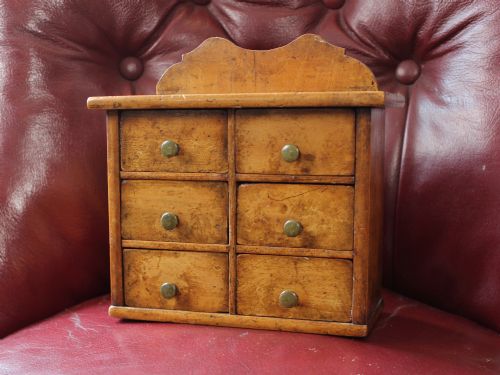
Forms range from floor standing corner cupboards and breakfront dresser bases to hanging wall cabinets and narrow spice drawers. Each piece reflects the specific storage needs of a country establishment, from provisions and linen to tack and books.
What varies in quality
The distinction between ordinary utility items and finer pieces lies in the integrity of the original surface and structural proportions. Original paint finishes and untouched blacksmith ironwork command higher regard than stripped and modernly refinished timber.
Proportion and regional vernacular character separate standard country workshop output from more ambitious estate commissions. Retaining original backboards, untouched paneling and period brass or iron furniture defines the superior examples.
Georgian Country House Cupboard Retail Price Guide 2026
Typical asking prices for georgian country house cupboard among the pieces listed under this phrase on Sellingantiques today, from the lower quarter to the upper quarter. They describe what is for sale here now, not the wider market.
Some harness cupboards still smell faintly of saddle soap and leather after centuries of service.
The Georgian Country House Cupboard Glossary
- Housekeepers Cupboard
- A large storage carcase with multiple doors or drawers, traditionally used to store dry goods, household linen and provisions in a large estate.
- Dresser Base
- The lower section of a kitchen or dining room storage unit featuring drawers and cupboards, sometimes accompanied by an upper plate rack.
- Corner Cupboard
- A wedge-shaped cabinet designed to fit neatly into the corner of a room, produced in both hanging wall versions and floor-standing formats.
- Vernacular
- Furniture built by local tradesmen using regional traditions and readily available native timbers rather than following metropolitan London pattern books.
- Breakfront
- A cabinet or dresser front where the central section projects forward from the flanking outer wings, creating architectural depth.
Georgian Country House Cupboard: Frequently Asked Questions
What is a housekeepers cupboard used for?
These large storage units held domestic provisions, linens and dried goods for the smooth running of a large country estate. Servants utilised the deep shelves and drawers to organise household inventory away from the main family rooms.
Today, modern owners repurpose these capacious cupboards as pantry units in large kitchens or hallway storage for coats and boots. Their substantial internal volume provides practical utility without sacrificing period character.
Should I keep original paint on a cupboard?
Original painted surfaces on country furniture are highly valued by collectors because they preserve the authentic history and patina of the piece. Stripping historic paint layers removes the visual record of the cupboard's working life.
Preserving the existing finish maintains both the character and the historical integrity of the furniture. Gentle cleaning and wax protection are generally preferred over complete restoration.
Where should I place a corner cupboard?
Corner cupboards make efficient use of unutilised room angles, providing display space or concealed storage without dominating floor area. Hanging versions mount securely to wall studs, while floor-standing variants anchor firmly against two adjoining walls.
They work effectively in dining rooms for glassware or in hallways to soften awkward architectural intersections. Their wedge-shaped footprint allows them to fit comfortably into compact spaces.