



Georgian Country House Chest
A georgian country house chest brings rugged utilitarian warmth and honest domestic history into a modern room.
Georgian Country House Chest
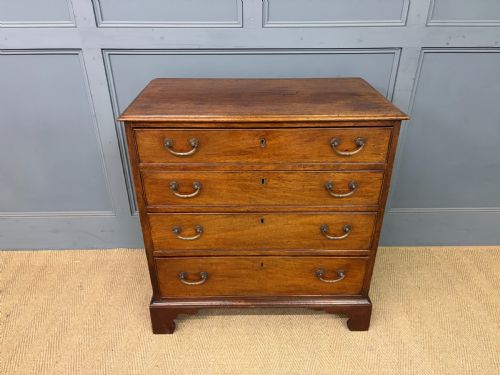
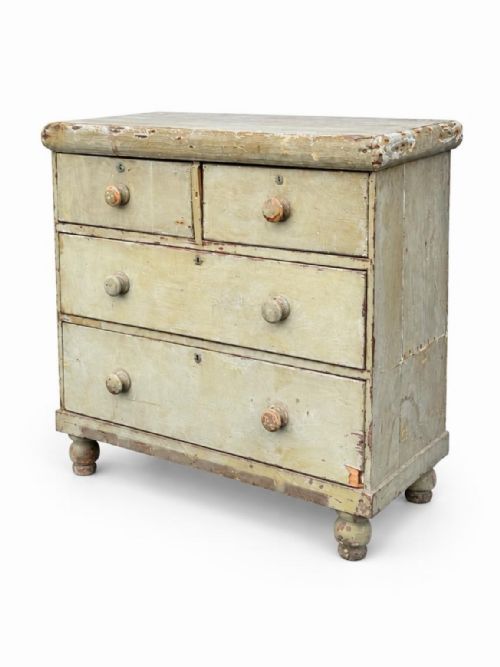
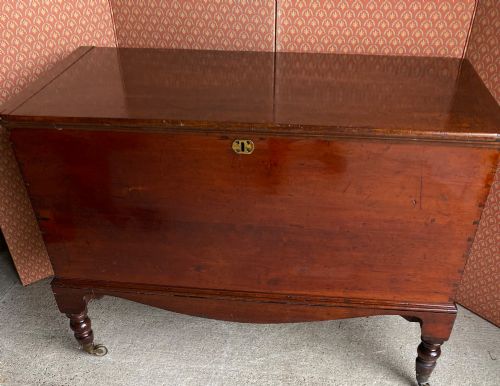
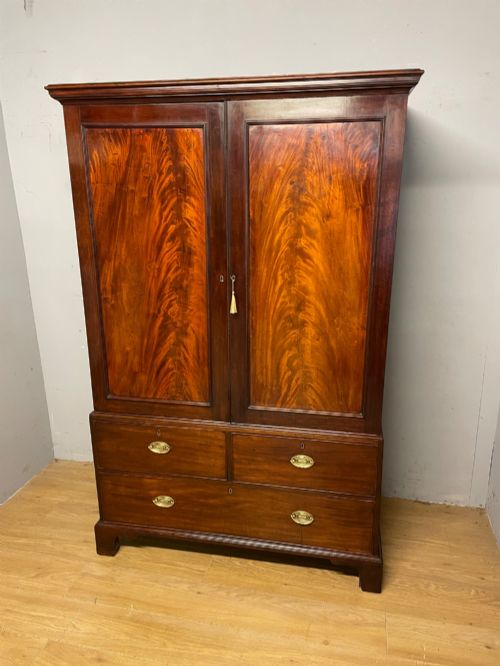
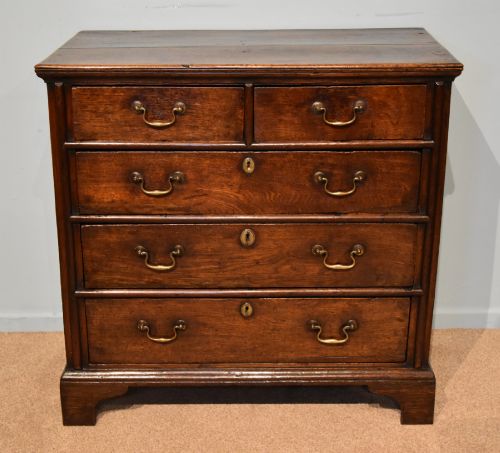
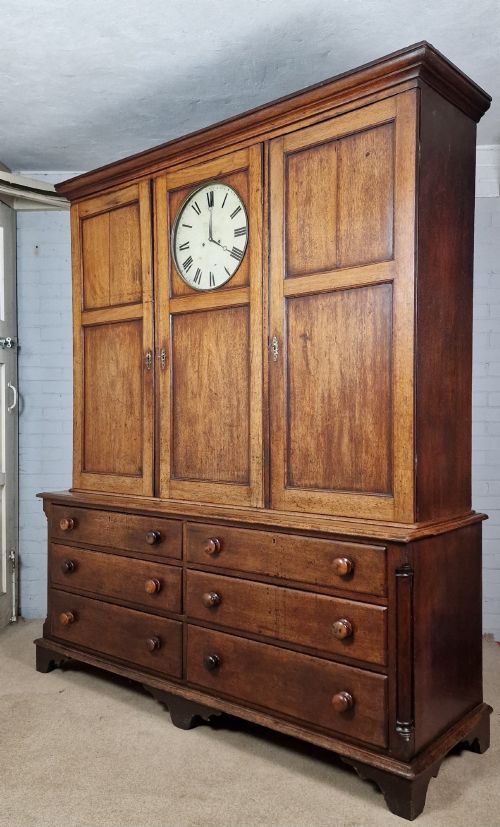
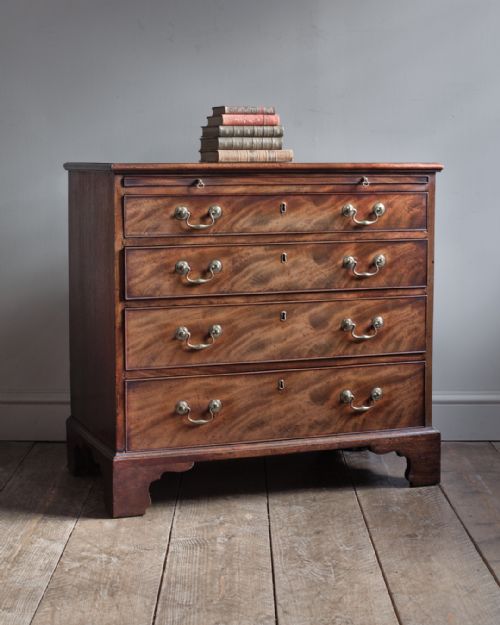
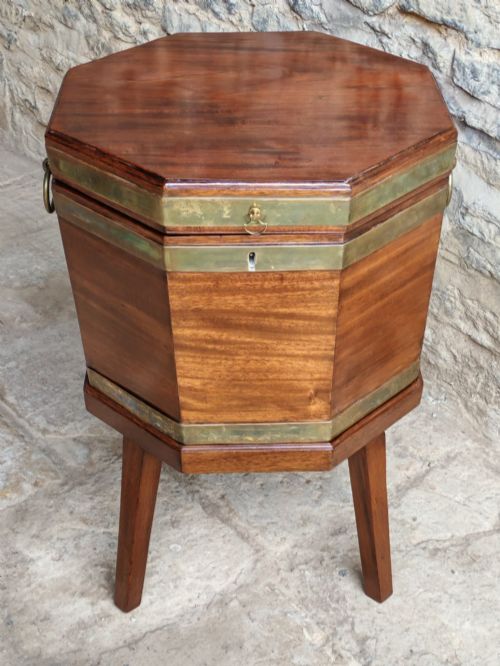
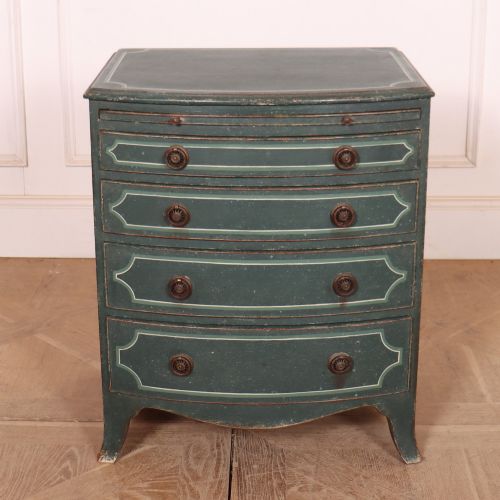
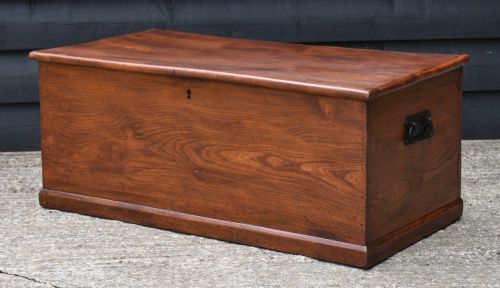
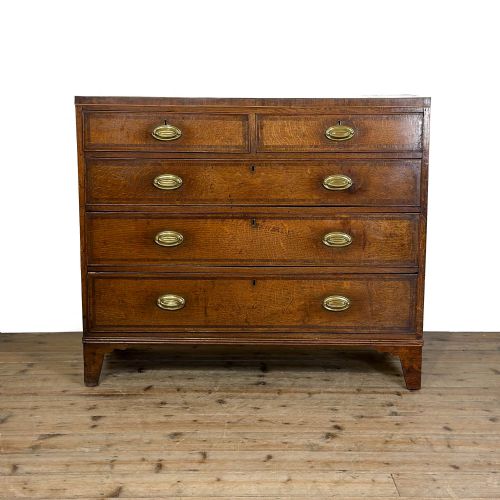
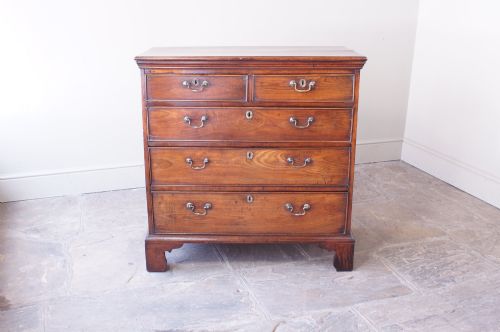
A georgian country house chest encompasses sturdy storage furniture built for domestic utility rather than urban formality, spanning periods from the eighteenth century through the nineteenth century. Buyers searching for a georgian country house chest encounter practical forms ranging from oak and elm chests of drawers to large mule chests and painted pine storage boxes.
The pieces on this page reflect the robust vernacular traditions of English and regional country houses, utilising honest timbers and straightforward construction. Many examples combine simple storage utility with original paint surfaces, elm panels, or mahogany drawer configurations.
How they were made
Craftsmen built these utilitarian storage items using solid regional timbers like oak, elm, fruitwood, and pine, often finished with brass hardware, iron fittings, or original scumble paint. Construction relied on sturdy board assembly and pegged joints designed to withstand heavy domestic service.
Surfaces frequently display the plain character of the wood or retain early layers of paint, reflecting the practical maintenance of traditional rural households.
Georgian Country House Chest Retail Price Guide 2026
Typical asking prices for georgian country house chest among the pieces listed under this phrase on Sellingantiques today, from the lower quarter to the upper quarter. They describe what is for sale here now, not the wider market.
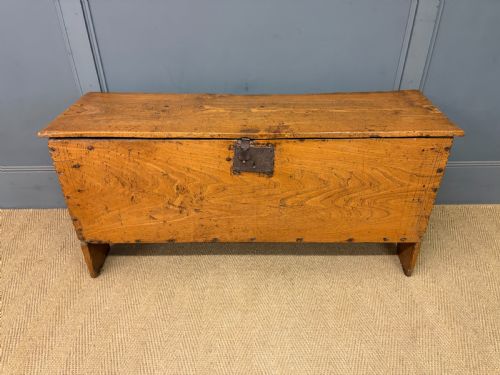
Several heavy pine and elm boxes bear the honest scars of centuries of country house linen storage and muddy boots.
What varies in quality
The distinction between ordinary utility items and superior pieces rests on the choice of timber and the preservation of original surfaces. Oak, yew, and figured mahogany examples demonstrate greater substance than basic pine variants.
Preservation of original paint finishes, patination, and untouched structural joinery elevate individual chests above pieces that have undergone extensive modern restoration.
The Georgian Country House Chest Glossary
- Mule chest
- A traditional storage chest featuring one or more drawers beneath the main lifting lid compartment. This hybrid form gained popularity in country houses for storing linens and garments.
- Housekeeper cupboard
- A tall storage piece designed for domestic organisation and linen storage within large country estates. These utilitarian cupboards usually feature panelled doors and internal shelving.
- Scumble paint
- A decorative surface finish applied with brushes or combs to imitate the grain of more expensive hardwoods. Country house pieces often retain this traditional painted treatment.
- Coffer
- A heavy wooden box with a hinged lid used primarily for secure storage in domestic interiors. Early examples rely on solid oak boards and pegged joints.
- Bowfront
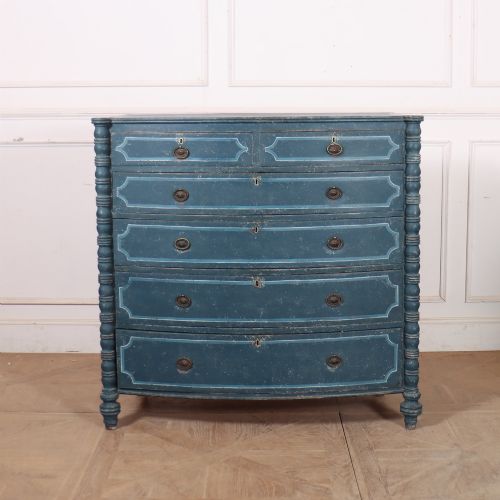
- A curved front facade typically found on chests of drawers dating from the late eighteenth century onward. This shaping softens the profile of standard storage units.
Georgian Country House Chest: Frequently Asked Questions
What is a country house chest?
A country house chest is a utilitarian storage item built for domestic use in rural estates, spanning periods from the eighteenth century into the nineteenth century.
These pieces prioritise practical function and sturdy timber construction over urban decorative refinement.
How do I identify elm furniture?
Elm timber displays a distinctive interlocking grain pattern with rich figuring and a warm honey or golden tone.
Craftsmen favoured elm for country furniture due to its toughness and resistance to splitting during daily use.
Are these chests made of solid wood?
Country house storage pieces generally utilise solid regional timbers such as oak, elm, pine, and fruitwood throughout their construction.
This solid timber build accounts for the heavy weight and enduring durability of surviving examples.
What is original paint finish?
An original paint finish refers to the historic decorative surface applied to the timber when the piece was first made or adapted.
Surviving early paint layers contribute significant historical character and visual depth to country furniture.