



Georgian Country House Art
Georgian country house art encompasses oil paintings, portraits, and folk pieces that record the interiors, estates, and pursuits of historic British life.
Georgian Country House Art
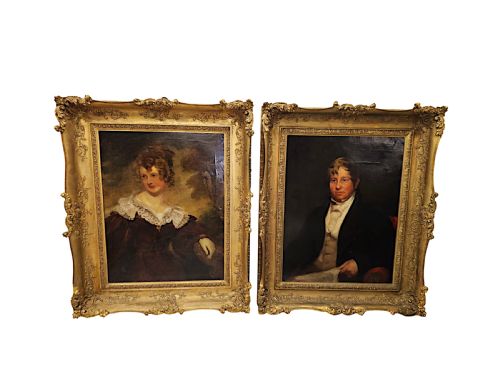
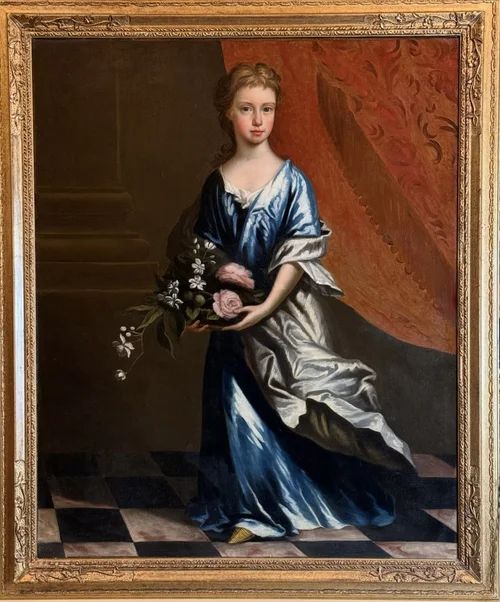
Georgian country house art comprises oil paintings, portraits, topographical watercolours, and folk pieces originating from 18th-century and 19th-century estates. Buyers seek these works to capture the visual heritage of historic British properties, sporting life, and domestic animal portraiture.
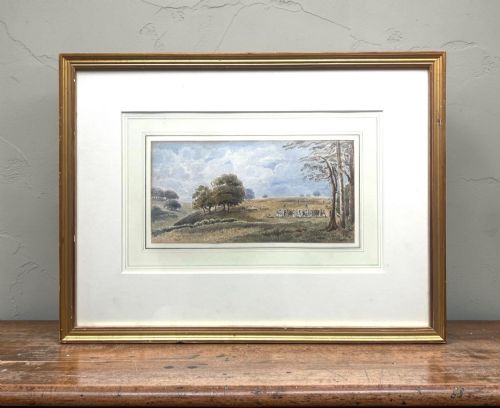
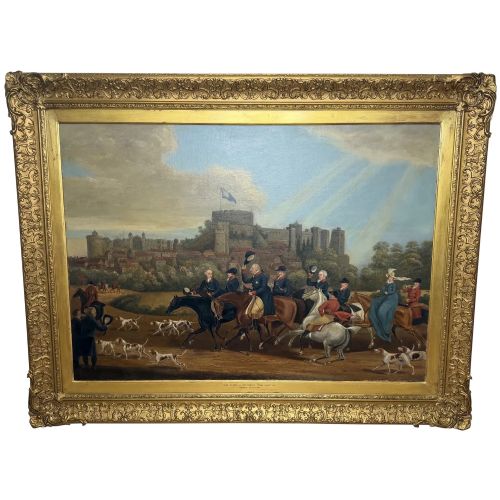
The pieces most frequently met on this page range from early Georgian topographical landscapes on oak panel to later Victorian hunting scenes and naive folk art collages. Subjects often centre on country gentlemen, family groups in estate grounds, prized horses, and hounds.
Representations span British Baroque portraiture through to Georgian folk art and Regency sporting works. The forms vary from framed oil paintings and engravings to painted furniture and weathervanes associated with country properties.
Materials and construction methods
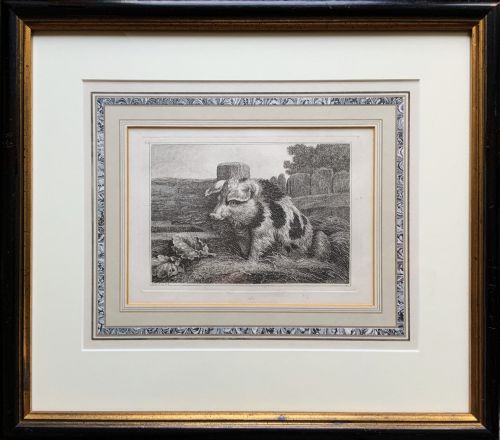
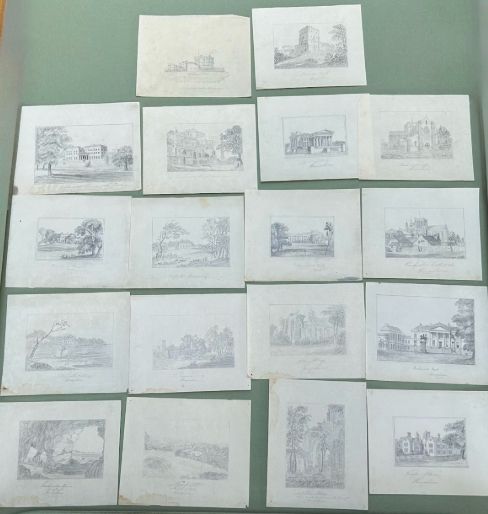
Paintings of this period rely primarily on oil on canvas or oak panel, utilising oil paint, gold leaf, and giltwood for framing. Draftsmanship appears in pencil drawings, monochrome ink with watercolour, and hand-coloured engravings on paper.
Folk art pieces incorporate diverse mixed media, such as gouache and collage on paper alongside painted wood and iron for items like weathervanes and cupboards. Frames frequently feature period giltwood construction suited to domestic display.
Georgian Country House Art Retail Price Guide 2026
Typical asking prices for georgian country house art among the pieces listed under this phrase on Sellingantiques today, from the lower quarter to the upper quarter. They describe what is for sale here now, not the wider market.
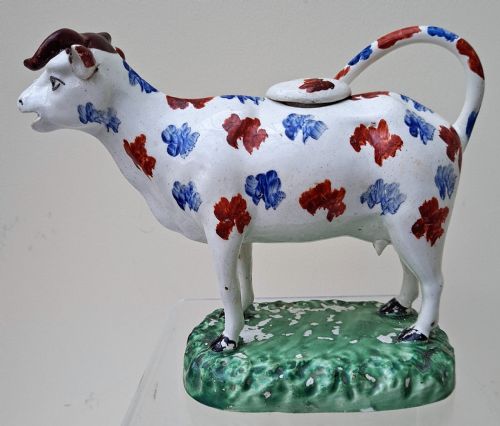
Object forms range from oil paintings and framed prints to folk art weathervanes, pottery cow creamers, and linen cupboards.
Distinctions in quality
Quality in these works rests upon the precision of the draughtsmanship and the fidelity of the portraiture or topographical rendering. Hand-painted oil works by documented artists or skilled regional schools show greater depth in handling light and subject detail compared to simpler naive pieces.
The integrity of the original surface, whether unlined canvas, original paint on wood, or period giltwood framing, dictates the desirability of the piece. Works retaining their initial character and uncompromised proportions hold stronger visual authority.
Robert Byng·Samuel Howitt·Robert Sayer·Clifton Tomson·George Lambert·Charles Philips·Michael Dahl·George Morland·James Barenger·Stephen Elmer·Peter Tillemans·Thomas Gibson·Sir Godfrey Kneller·John Verelst
The Georgian Country House Art Glossary
- Topographical art
- Depictions of specific real-world locations, buildings, or estate prospects rather than imaginary scenes. These works serve as visual records of historic English landscapes and architecture.
- Naive art
- Works produced by artists without formal academic training, often displaying flattened perspective and direct charm. This style is frequently encountered in country house portraits and folk pieces.
- Giltwood
- Wood, typically carved timber, coated with a thin layer of gold leaf or metallic powder. It forms the decorative framing found on many 18th-century and 19th-century oil paintings.
- Mezzotint
- A printmaking process of the intaglio family where tones are worked from dark to light on a roughened copper plate. It allows for subtle gradations of shade in historical reproductions.
- Sporting art
- Depictions of hunting, shooting, horses, and hounds associated with rural gentry pastimes. These paintings record specific animals, huntsmen, and estate activities.
Georgian Country House Art: Frequently Asked Questions
What subjects appear in these paintings?
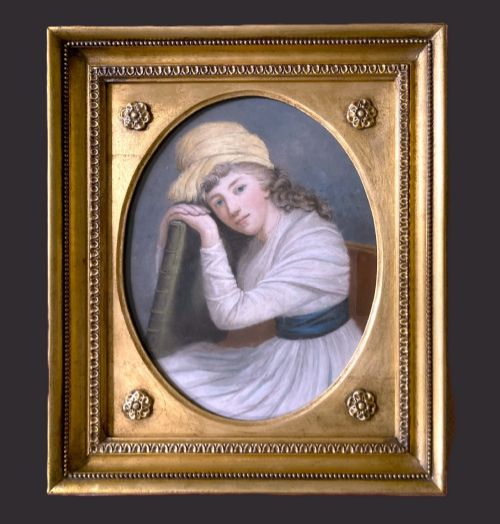
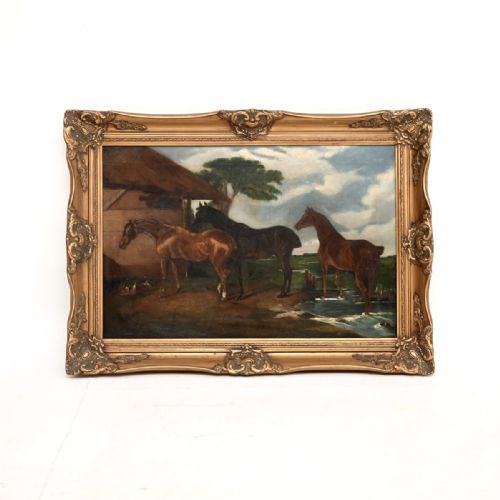
Paintings from historic estates frequently depict family members, estate grounds, country houses, and rural landscapes. Animal subjects, particularly hunting dogs, horses, and livestock, also feature prominently across the collection.
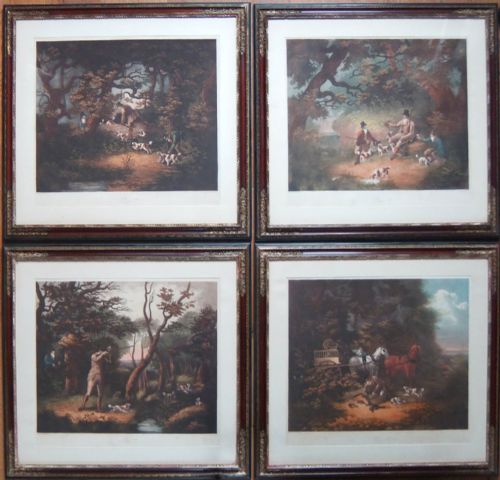
Sporting pursuits form another major category, recording scenes of shooting, hunting parties, and coaching life. These works document the daily activities and visual culture of the Georgian and Victorian country house.
How do I identify the period of a work?
Dating relies on stylistic clues within the clothing, hair styling, and architectural details visible in the composition. Portraiture often follows the prevailing fashion of the sitter's decade, while landscapes reflect changing artistic treatments of light and perspective.
Materials and framing techniques offer additional evidence, such as the use of oak panels in earlier pieces or specific types of giltwood frames. Comparing handling methods to known works by regional or national schools helps narrow the timeframe.
Where were these pieces originally hung?
Large oil paintings and family portraits typically hung in the principal reception rooms, halls, and libraries of British country houses. Topographical views of estates often decorated private sitting rooms or corridors.
Smaller watermarks, drawings, and folk pieces were placed in less formal domestic spaces or estate offices. Their locations reflected both the social hierarchy of the household and the practical use of the rooms.
How should I care for oil paintings and paper works?
Oil paintings on canvas or panel require stable environmental conditions away from direct sunlight and dramatic humidity changes. Dusting should be undertaken gently with a soft, dry brush, avoiding any moisture or cleaning agents on the painted surface.
Works on paper, such as watercolours and engravings, need UV-filtering glass and acid-free framing to prevent fading and paper degradation. Keeping them away from heat sources preserves both the paper support and the delicate pigments.