



Georgian Condiment Bottle
A georgian condiment bottle brings bright cut glass and gleaming silver directly to the table.
Georgian Condiment Bottle
A georgian condiment bottle is typically encountered as part of a larger table setting, appearing alongside cruet sets, stands, and shakers. The evidence shows these pieces span the eighteenth century and the nineteenth century, reflecting the dining customs of the period.
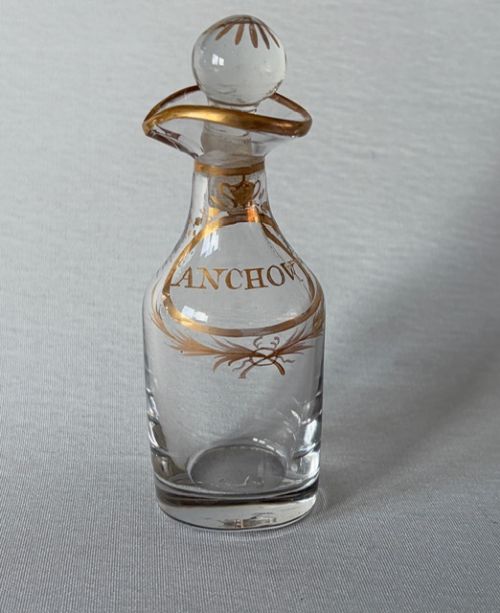
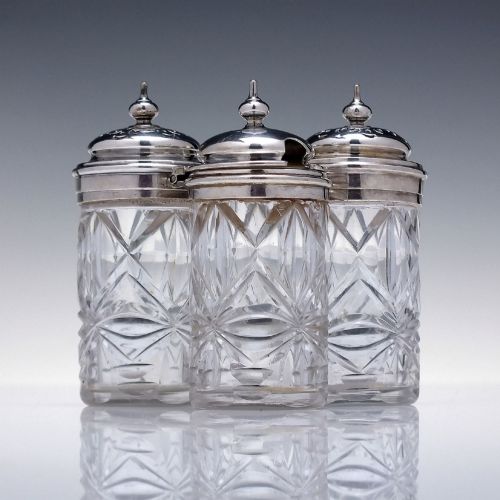
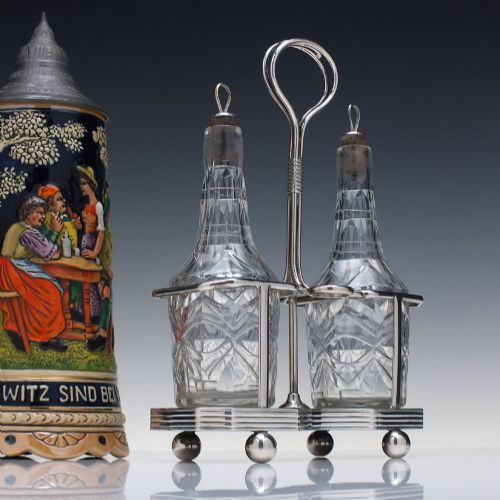
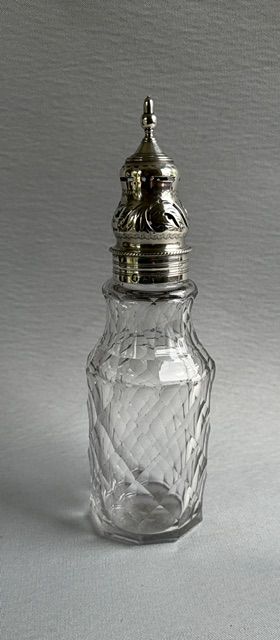
Most examples combine cut glass vessels with fitted silver lids, silver plated mounts, or stands. Collectors frequently encounter miniature versions, such as the anchovy bottle, as well as oil and vinegar bottles paired with stands.
Materials extend beyond glass and silver to include mahogany, treen, and ebonised wood frames. These holders keep multiple bottles organised for the dining table.
Materials and construction
Makers shaped glass through cutting techniques to create facets that catch the light on the dining table. Silver components, including lids and stands, received hallmarks from silversmiths working in London.
Woodwork relied on traditional cabinet-making methods, utilising mahogany and ebonised timber for sturdy bottle holders and frames. Cork stoppers and gold leaf details occasionally complete the construction.
Georgian Condiment Bottle Retail Price Guide 2026
Typical asking prices for georgian condiment bottle among the pieces listed under this phrase on Sellingantiques today, from the lower quarter to the upper quarter. They describe what is for sale here now, not the wider market.
Dining tables of the period required dedicated miniature bottles specifically designated for anchovy essence.
Assessing quality
Quality rests on the crispness of the glass cutting and the weight of the silver mounts. Finer pieces demonstrate precise facet work and substantial metalwork that fit together harmoniously.
The integrity of the frame, whether formed from silver, silver plate, or timber such as mahogany, dictates the overall standing of the set. Matching components across multi-bottle cruet sets elevate the piece.
Charles Thomas Fox·Hester Bateman
The Georgian Condiment Bottle Glossary
- Cruet set
- A matched collection of bottles and shakers held within a dedicated frame for table service. These sets usually contained condiments like oil, vinegar, and sauces.
- Cut glass
- Glass decorated by grinding facets and patterns into the surface with a wheel. This technique creates brilliant light reflection on transparent vessels.
- Old Sheffield plate
- An early form of plated metal made by fusing a thin sheet of silver to a copper base. It was widely utilised before modern electroplating.
- Treen
- Small handmade wooden objects produced by turning or carving. Holders and stands were frequently fashioned from these dense woods.
Georgian Condiment Bottle: Frequently Asked Questions
What were georgian condiment bottles used for?
These bottles held liquids and seasonings such as oil, vinegar, and anchovy essence for dining table service.
They allowed guests to flavour food according to personal preference during multi-course meals.
How do I clean antique glass and silver?
Gentle washing with warm water and mild soap protects delicate cut glass surfaces and historic silver.
Harsh abrasives and modern chemical dips should be avoided to preserve the original finish.
How are different periods identified?
Stylistic cues, glass cutting depth, and silver hallmarks provide direct evidence for dating individual pieces.
Eighteenth-century examples often feature heavier silver mounts and distinct facet patterns compared to later nineteenth-century items.
Can missing bottles be replaced easily?
Finding exact matches for missing bottles in a cruet set presents a significant challenge due to bespoke hand-cutting.
Collectors generally seek complete sets where all glass vessels and stands match in period and material.