


Georgian Column Pedestal
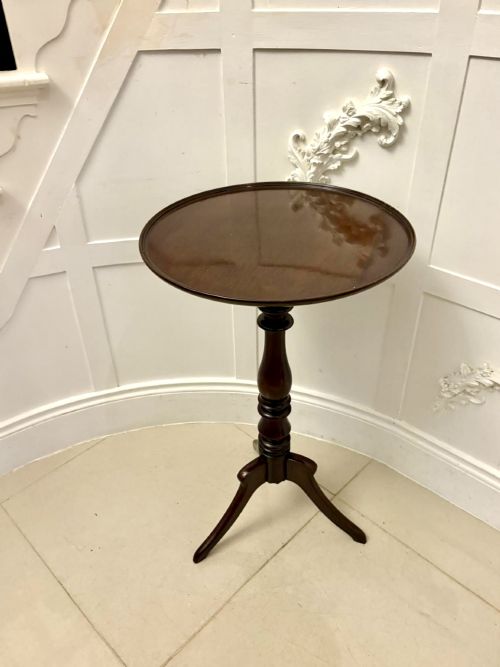
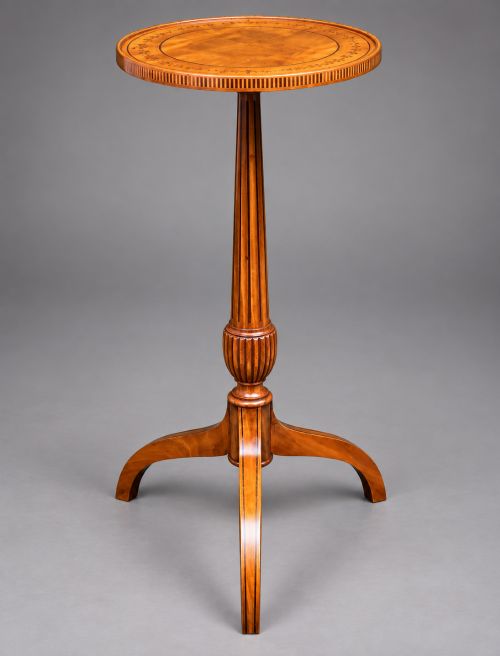
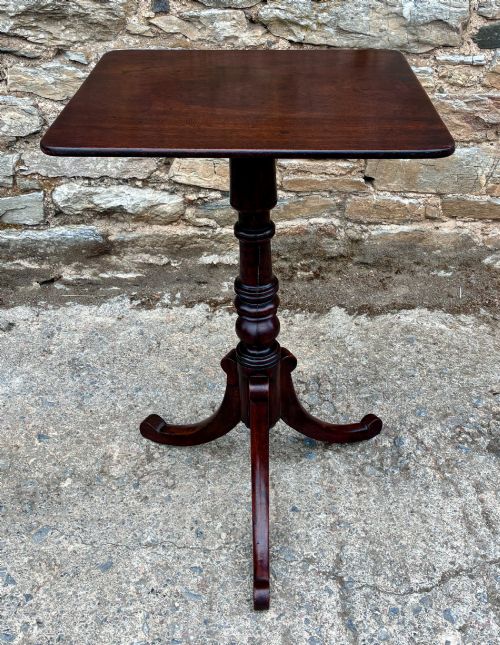
A georgian column pedestal brings classical proportion to a room, offering a sturdy yet graceful stage for display.
Georgian Column Pedestal
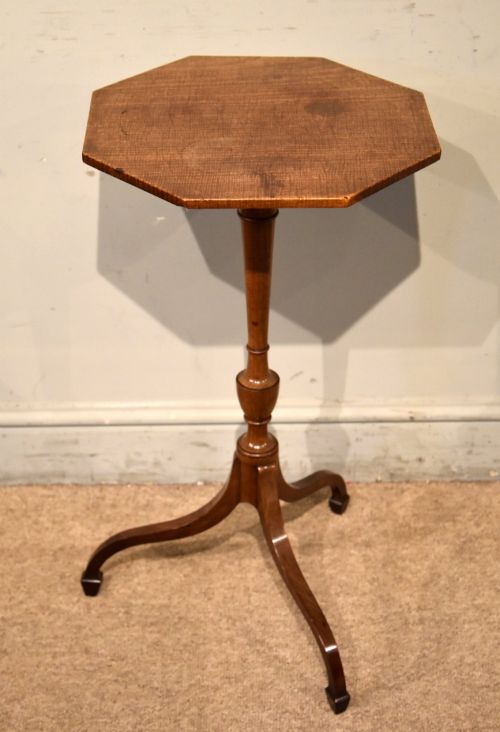
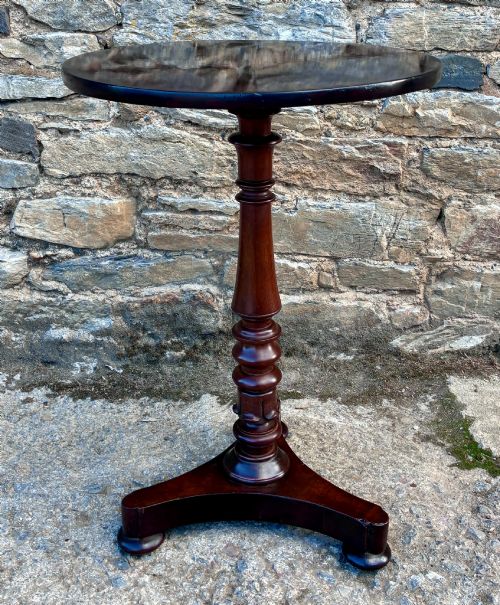
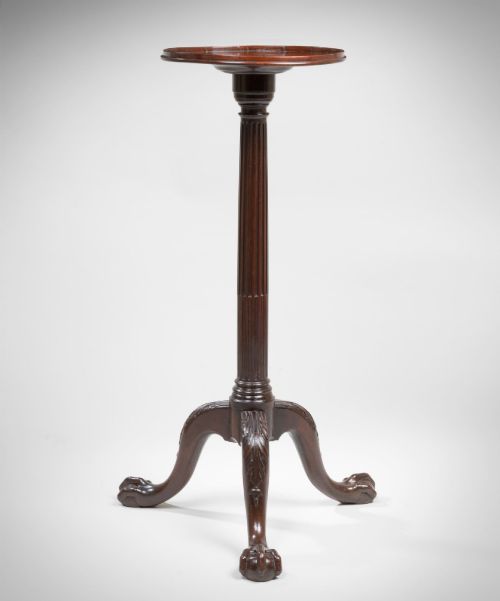
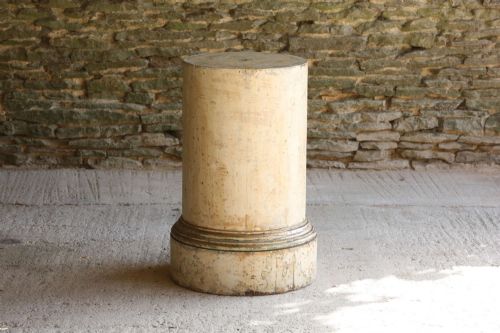
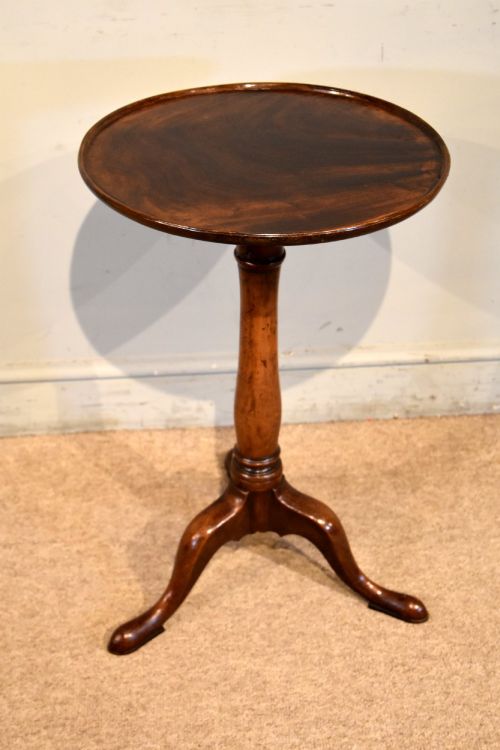
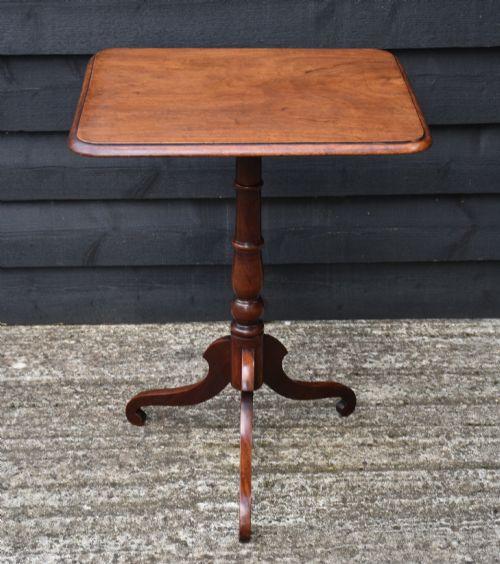
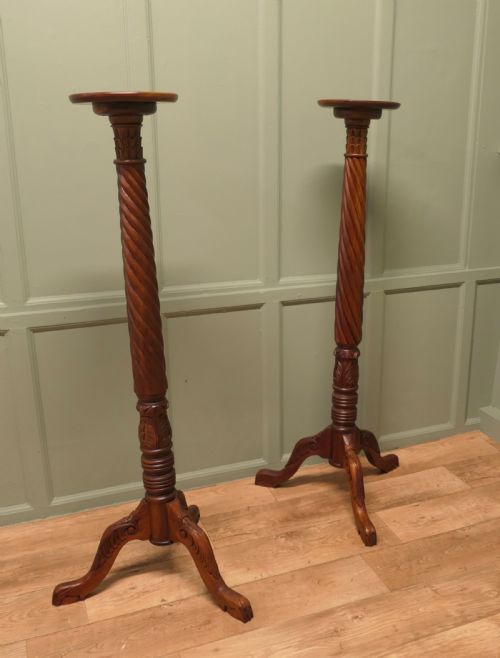
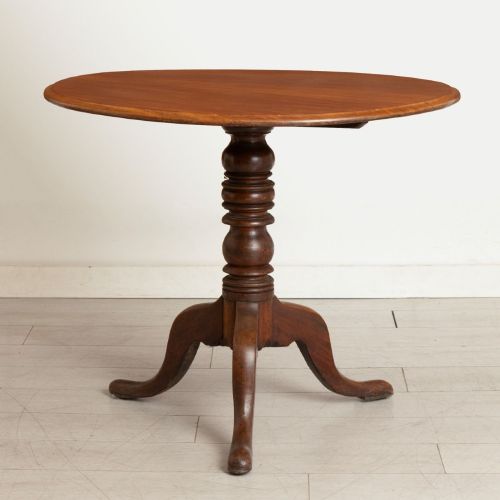
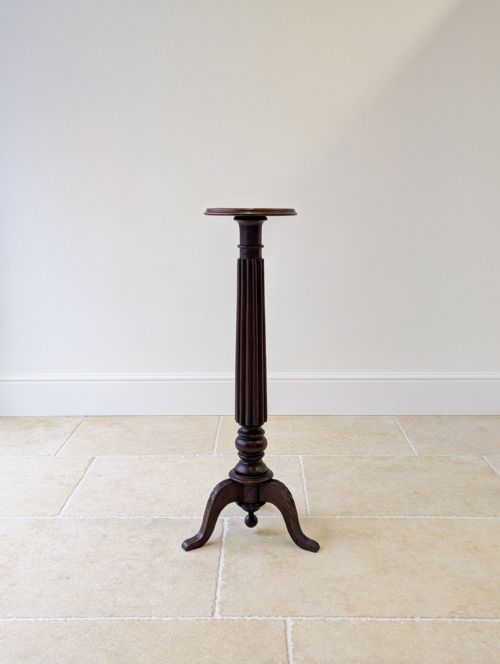
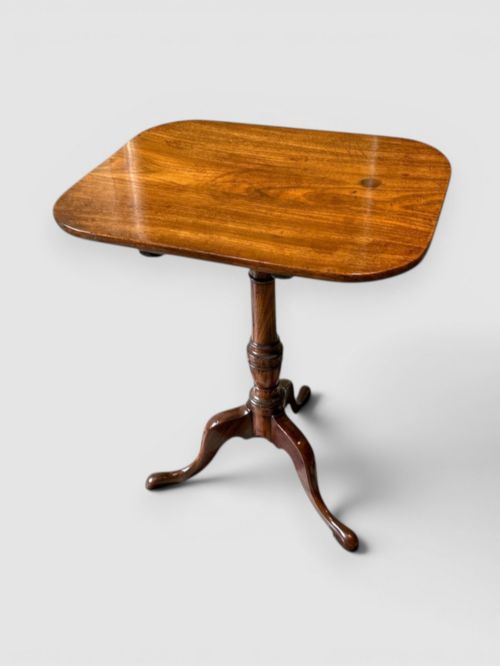
A georgian column pedestal encompasses tall stands, torcheres, and tripod wine tables designed to elevate objects or serve beside seating. When exploring this selection, buyers routinely encounter mahogany examples alongside oak and satinwood pieces from the eighteenth and nineteenth centuries.
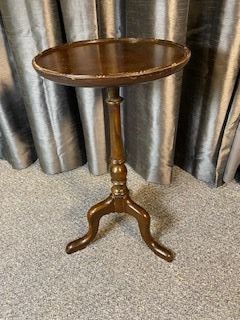
The forms vary from simple turned shafts to carved triform supports and tripod bases with tilting tops. These items function equally well as plant stands, lamp holders, or occasional tables within traditional and eclectic interiors.
Materials and construction
Cabinetmakers relied heavily on mahogany, oak, and walnut, often turning solid timber on a lathe to create the central column. Details such as boxwood stringing, brass fittings, and gesso enriched the surfaces of finer specimens.
Tripod bases were joined to shafts using precise dovetail or tenon joints to ensure stability despite slender proportions. Tops were frequently designed to tilt for storage, requiring careful hinge and catch mechanisms.
Georgian Column Pedestal Retail Price Guide 2026
Typical asking prices for georgian column pedestal among the pieces listed under this phrase on Sellingantiques today, from the lower quarter to the upper quarter. They describe what is for sale here now, not the wider market.
Some nineteenth-century makers concealed cunning tilt-top catches so clever that guests often mistook the table for a solid, immovable pillar.
Evaluating craftsmanship and distinction
Quality rests in the crispness of the turning and the depth of any carved enrichment on the column and feet. Finer examples display well-figured timber grain, particularly in mahogany or burr oak tops, selected with care by the original maker.
Proportion dictates visual success, with superior pieces maintaining a harmonious balance between the narrow shaft and the supporting base. Structural integrity matters immensely, as slender supports endure considerable weight and handling over centuries.
Gillow
The Georgian Column Pedestal Glossary
- Torchere
- A tall, slender stand designed specifically to hold a candle or lamp. These vertical pieces often feature ornate carving along the column.
- Tilt top
- A table mechanism allowing the surface to fold vertically when not in use. This clever design saved valuable floor space in period rooms.
- Tripod base
- A three-legged support system providing stable footing on uneven historical floors. It remains a defining feature of wine tables and lamp stands.
- Gesso
- A plaster-based material applied to wood surfaces and carved or gilded. It provided a smooth ground for decorative finishes on select stands.
Georgian Column Pedestal: Frequently Asked Questions
What were column pedestals originally used for?
These tall stands served primarily to hold lighting devices such as candles or oil lamps in large reception rooms. They positioned light sources at an effective height for reading or social gatherings.
Over time, their utility expanded to accommodate decorative vases, sculptures, and plants, functioning as architectural accents within domestic spaces.
How do I distinguish a genuine period piece?
Examine the construction methods visible beneath the top and around the joints for hand-cut joinery and signs of age. Timber surfaces should exhibit natural patination and wear consistent with extensive use over generations.
Check the timber species and turning style against known historical examples from the eighteenth and nineteenth centuries. Inconsistencies in wood movement or modern hardware often indicate later alterations or reproductions.
Why do some tables have tilting tops?
Tilting mechanisms allowed servants to store multiple tables compactly against walls when rooms needed to clear for dancing or dining. This practical Georgian innovation combined furniture versatility with efficient space management.
Today, the tilting action adds mechanical interest and demonstrates authentic period construction. Collectors appreciate mechanisms that lock securely into both horizontal and vertical positions.