




Georgian Coloured Wine Glass
These georgian coloured wine glass pieces bring vivid hues and period character to the table.
Georgian Coloured Wine Glass
A georgian coloured wine glass is a drinking vessel dating from the Georgian and Regency eras, valued for its saturated tones and tactile weight. The selection centres on lead glass and hand-blown forms created around eighteen hundred and the early nineteenth century.
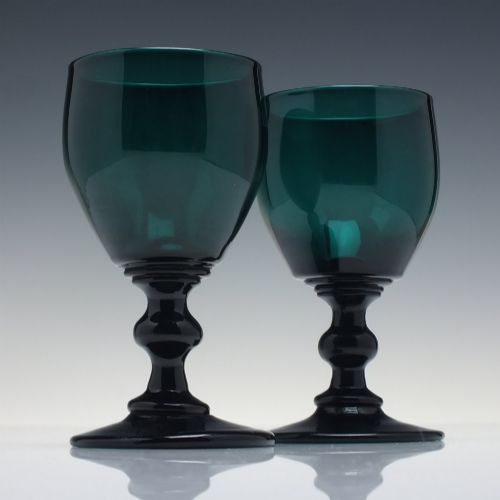
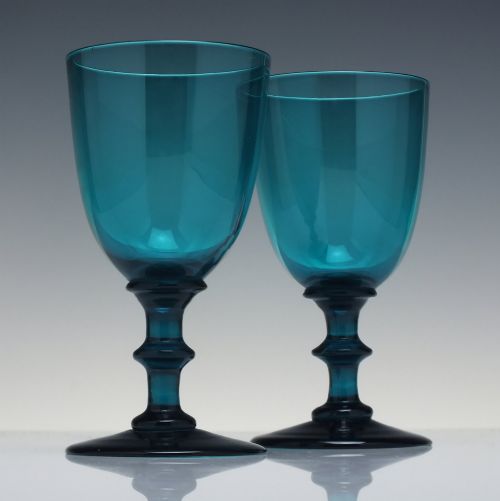
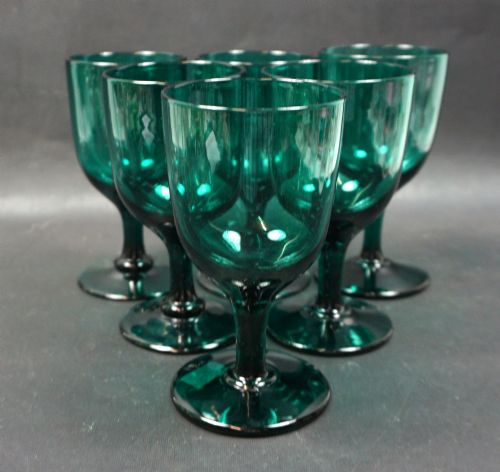
Buyers meet pairs and sets in emerald green, peacock blue, turquoise, amethyst, and deep red. Forms range from standard wine glasses and dram glasses to rummers, roemers, and mell decanters.
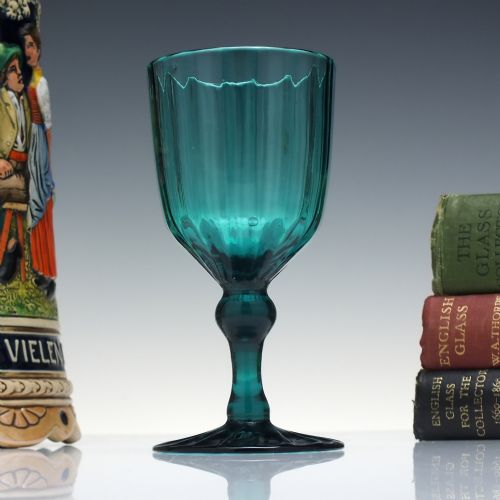
These drinking glasses reflect the shifting tastes of collectors toward intense palette variations rather than plain crystal. Each piece captures the distinct glasshouse techniques of the period through ribbed moulding and engraved decoration.
Materials and Craftsmanship
Craftsmen shaped these drinking vessels from lead glass and coloured glass using traditional hand-blown methods. Molten metal was gathered, blown, and manipulated while hot to form bucket bowls and stem structures.
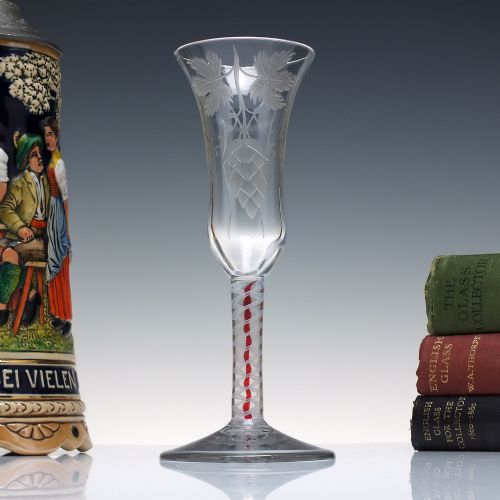
Makers utilised rib moulding techniques to texture the glass body before finishing the foot and rim. Artisans added surface detail through hand engraving, sometimes incorporating enamel elements to enrich the appearance of the piece.
Georgian Coloured Wine Glass Retail Price Guide 2026
Typical asking prices for georgian coloured wine glass among the pieces listed under this phrase on Sellingantiques today, from the lower quarter to the upper quarter. They describe what is for sale here now, not the wider market.
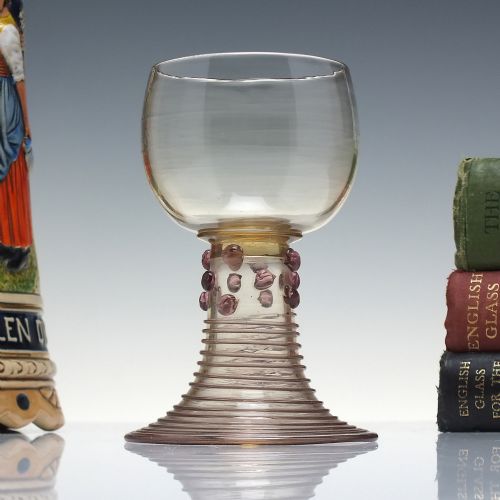
Some nineteenth century roemers cleverly combined amethyst wine bowls with contrasting amber bases to delight Georgian diners.
Assessing Quality and Merit
Quality rests in the depth and uniformity of the glass colour, whether emerald, turquoise, or amethyst. The intensity of the hue and the clarity of the metal distinguish superior examples from standard production.
Proportion and execution of form elevate specific pieces above others. Crispness in rib moulding and precision in engraved decoration indicate skilled workshop practice during the Georgian period.
The Georgian Coloured Wine Glass Glossary
- Lead glass
- Heavy, brilliant glass containing lead oxide. This material allows for deeper ringing tones and sharper facet cutting.
- Rib moulding
- A decorative technique forming raised vertical bands around the bowl or body. Artisans achieved this by blowing the hot metal into a ribbed mould before expanding it.
- Roemer
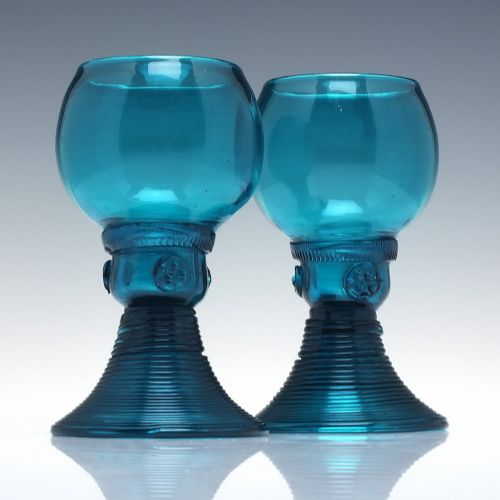
- A traditional Germanic drinking vessel form with a large bowl and a wide, hollow stem. These pieces often feature raspberry prunts or contrasting coloured bowls.
- Mell decanter
- A mallet-shaped bottle designed for serving wine. These vessels share the period palette and matching engraving found on contemporaneous drinking glasses.
- Colour twist
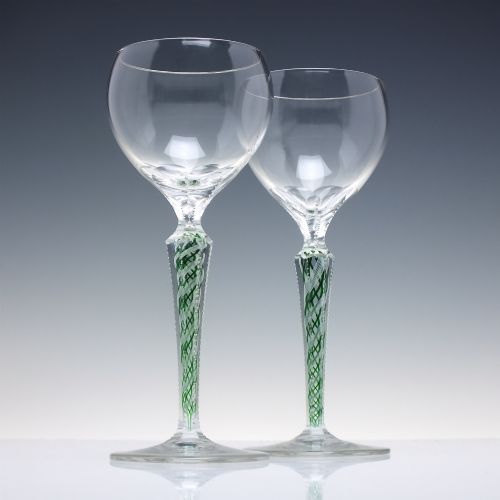
- A stem formation incorporating threads of coloured glass within the core. This technique demands high skill from the glassblower.
Georgian Coloured Wine Glass: Frequently Asked Questions
What defines a georgian coloured wine glass?
These drinking vessels date from the Georgian and Regency periods, characterised by rich hues such as emerald, peacock blue, and turquoise. They showcase hand-blown lead glass techniques alongside ribbed moulding and engraving.
Collectors prize them for their vibrant palette, which contrasts sharply with standard clear crystal of the same era. Each piece demonstrates the distinct handling of colour by glasshouses around eighteen hundred.
How were these coloured glasses used?
Georgian households utilised these vessels for serving wine, drams, and ales during formal dining and social gatherings. Their intense colours added visual drama to the table setting.
Larger forms like rummers and roemers served heartier portions or specific regional drinks. Decanters matched the glassware to complete the serving set.
How are periods identified in these glasses?
Dating relies on stylistic markers such as bowl shape, pontil scar formation, and the specific shade of coloured glass employed. Pieces from around eighteen hundred typically feature heavy lead metal and distinct Georgian proportions.
Comparison with documented examples helps establish whether a piece belongs to the late eighteenth century or the Regency era. Tool marks and manufacturing traits provide further clues to age.