


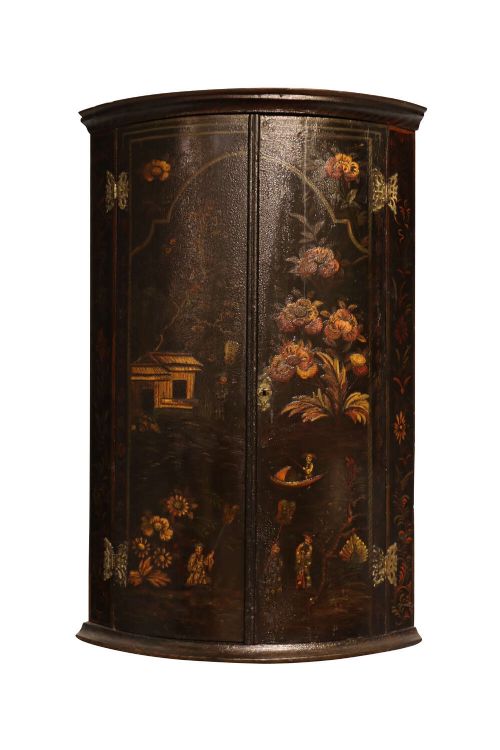


Georgian Chinoiserie Furniture
Georgian chinoiserie furniture brings fantasy landscapes of gold leaf and lacquer into domestic rooms through cabinets, mirrors, and tables.
Georgian Chinoiserie Furniture
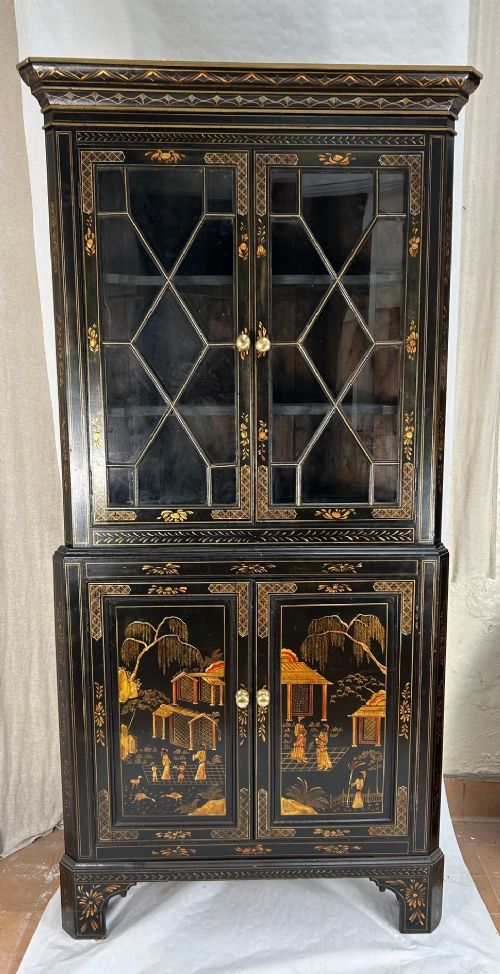
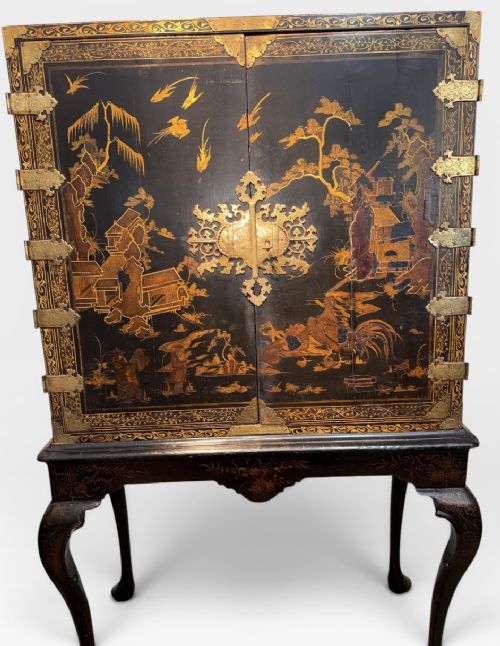
When you search for georgian chinoiserie furniture, you encounter pieces that translate European forms into imagined Eastern scenes. The selection ranges from authentic 18th-century cabinets on stands to later Edwardian and 20th-century revivals.
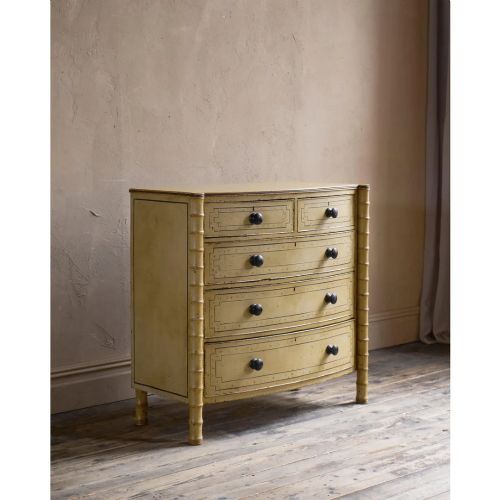
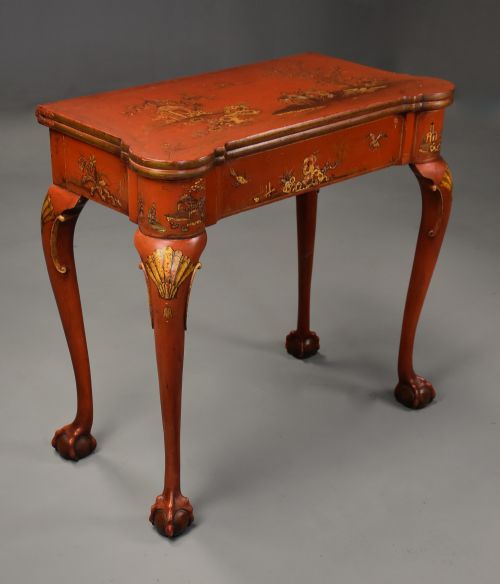
Forms span corner cabinets, bureau bookcases, chests of drawers, and games tables. Black and red lacquer dominate, embellished with raised figures, pavilions, and birds.
The aesthetic bridges several periods, notably Queen Anne, Georgian, and Regency. Many items combine British cabinet-making with japanned or painted surface decoration.
Materials and construction methods
Makers applied layers of varnish to wood surfaces such as pine and other timbers to build a smooth ground for decoration. Gold leaf and paint formed the intricate motifs of figures, landscapes, and floral patterns.
Specialised techniques like japanning simulated oriental lacquer by building up hardened coats of varnish. Brass hardware, including handles and escutcheons, complemented the dark or brightly coloured backgrounds.
Georgian Chinoiserie Furniture Retail Price Guide 2026
Typical asking prices for georgian chinoiserie furniture among the pieces listed under this phrase on Sellingantiques today, from the lower quarter to the upper quarter. They describe what is for sale here now, not the wider market.
Listings feature 18th-century, Regency, and Edwardian periods, utilising wood, lacquer, brass, and gold leaf across diverse forms.
Distinctions in quality
The refinement of the painted and gilt decoration dictates the visual success of each piece. Superior examples display crisp detail in the figures and pagodas, whereas simpler items rely on repetitive stencilled motifs.
The integrity of the underlying wooden carcase and the depth of the layered lacquer finish matter immensely. Original surfaces command greater appreciation than later repainting or heavy restoration.
The Georgian Chinoiserie Furniture Glossary
- Japanning
- European imitation of East Asian lacquerwork using layered varnishes and heat-cured finishes. This technique created glossy dark grounds suitable for gold decoration.
- Chinoiserie
- European artistic style reflecting Chinese and East Asian motifs. It flourished across furniture, porcelain, and interior decoration during the 18th century.
- Lacquer
- Natural resin applied in numerous coats to create a durable, polished surface. It forms the protective and decorative base for oriental and European japanned furniture.
- Tilt top table
- A small occasional or dining table with a top that pivots vertically when not in use. This mechanism saved space in domestic interiors.
Georgian Chinoiserie Furniture: Frequently Asked Questions
How do I identify genuine 18th-century pieces?
Examine the wood beneath the lacquer, the hand-forged fixings, and the wear patterns on the surface. Genuine early pieces show craquelure and organic ageing within the layers of varnish.
Compare the quality of the drawing in the figures and landscapes against known examples from the period. Later revivals often use different underlying timbers and more uniform surface finishes.
Where should I place these items?
Position corner cabinets and side tables away from direct sunlight to protect delicate lacquer finishes. Their bold colours and gilt details suit both traditional period rooms and contemporary interiors as focal points.
Ensure humidity levels remain stable in the room to prevent the wood carcase from expanding and cracking the lacquer layer.
What is the difference between black and red lacquer?
Black lacquer provided a classic, restrained backdrop for gold leaf figures and architectural scenes. Red lacquer, often described as scarlet japanning, offered a more vibrant and dramatic presence in domestic spaces.
Both finishes involved meticulous layering and polishing, though red grounds frequently indicate specific regional or period preferences in British cabinet-making.
How do I care for lacquered surfaces?
Dust gently with a dry, soft microfibre cloth to remove particles without scratching the polished finish. Avoid using modern chemical polishes, water, or abrasive cleaners on the decorated panels.
Maintain consistent indoor temperatures to preserve the stability of the wood and the integrity of the varnish layers.