



Georgian China Tureen
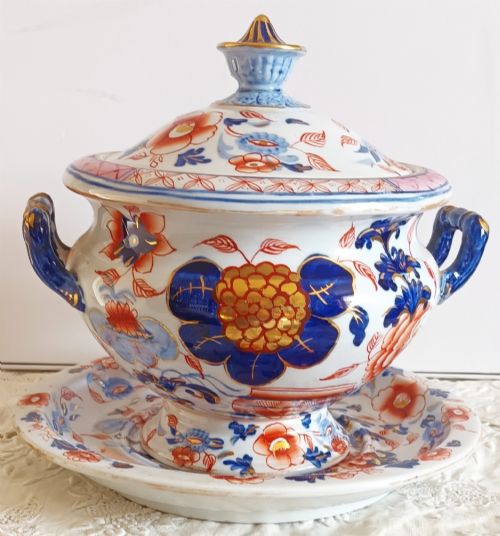
A georgian china tureen sits at the centre of the table, holding gravies, sauces, or vegetables with the substance of eighteenth and nineteenth-century dining.
Georgian China Tureen
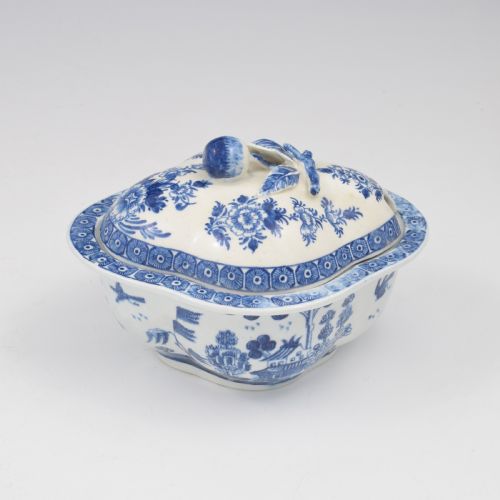
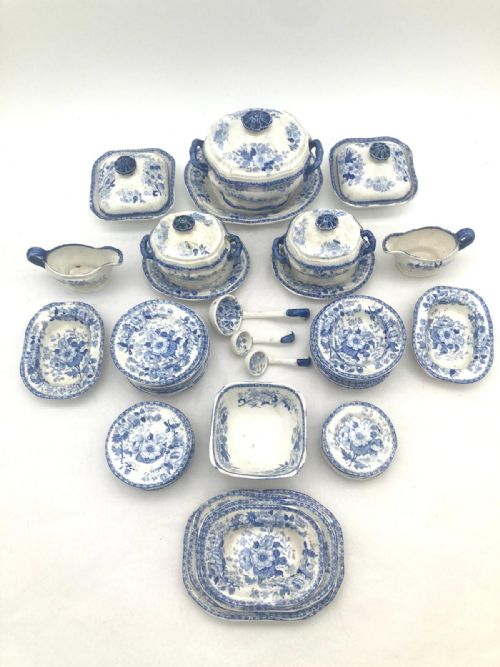
A georgian china tureen appears in forms ranging from individual sauce tureens to large covered vegetable bowls and dinner service vessels. These ceramic pieces span the eighteenth and nineteenth centuries, including the Regency and early Victorian periods.
The selection on this page relies heavily on ironstone, earthenware, and soft-paste porcelain. Makers utilise transfer printing in blue and white, alongside hand-painted enamel designs and gold leaf highlights.
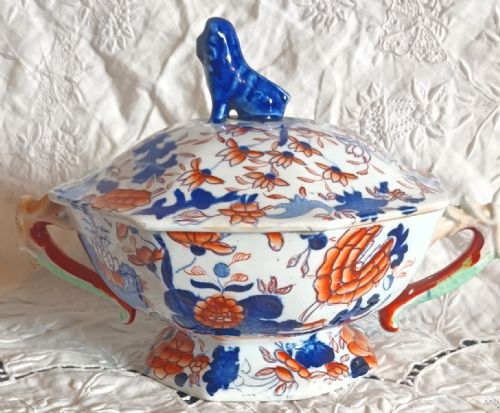
Buyers frequently encounter named English potteries alongside unmarked vessels from the same eras. The shapes include quatrefoil outlines, circular bowls with lion head handles, and chestnut baskets with matching lids.
How they were made
Potteries shaped these tureens using earthenware, ironstone, and soft-paste porcelain bodies. Manufacturers applied glazes over transfer-printed patterns or hand-painted enamel motifs to seal the ceramic surface.
Transfer printing transferred complex blue and white designs onto the clay bodies before firing. Artisans occasionally added gold leaf details by hand over the completed glaze.
Georgian China Tureen Retail Price Guide 2026
Typical asking prices for georgian china tureen among the pieces listed under this phrase on Sellingantiques today, from the lower quarter to the upper quarter. They describe what is for sale here now, not the wider market.
Elephants and lions peer out from nineteenth-century handles and transfer prints.
What varies in quality
The clarity and registration of the transfer print dictate visual success. Strong prints show crisp lines in patterns like Chinoiserie or floral sheets, whereas blurred applications diminish the visual impact of the design.
The crispness of moulded details, such as lion head handles and quatrefoil rims, separates standard utilitarian wares from finer display pieces. Preservation of original covers and stands adds substantially to the completeness of the vessel.
Derby Porcelain·Minton·Mason's Ironstone·Flight Barr And Barr·Wedgwood·J And R Clews·Rogers
The Georgian China Tureen Glossary
- Ironstone
- A dense, durable type of earthenware patented in the nineteenth century. It resists chipping better than soft-paste porcelain.
- Soft-paste porcelain
- A ceramic composition fired at lower temperatures than hard-paste porcelain. It exhibits a warm glaze tone and slight translucency.
- Transfer print
- A decorative technique using a paper template to transfer an engraved ink design onto pottery. This allowed intricate patterns to be repeated consistently.
- Quatrefoil
- A symmetrical shape composed of four overlapping lobes. This outline appears frequently on eighteenth-century sauce tureen bases and rims.
- Chinoiserie
- A European artistic style reflecting Chinese aesthetic motifs. These patterns show pavilions, landscapes, and figures rendered in blue and white.
Georgian China Tureen: Frequently Asked Questions
How were china tureens used?
These covered vessels held hot gravies, sauces, or vegetables at the dining table. The lid kept the contents warm between the kitchen and the dining room.
Larger versions served communal portions during multi-course meals, while smaller sauce tureens sat on matching stands beside individual meat dishes.
How do I care for antique ironstone?
Wash these ceramic pieces gently by hand in warm water using mild soap. Avoid modern dishwashers, which can damage historic glazes and fade transfer-printed designs.
Store covers separately from bases if space permits to reduce weight and pressure on delicate rims.
What is the difference between ironstone and porcelain?
Ironstone is a heavy, opaque earthenware developed for strength in busy nineteenth-century households. It provides a sturdy alternative to finer ceramics.
Soft-paste porcelain is lighter and more translucent, often featuring delicate hand-painted enamel work and gold leaf applied during the eighteenth century.
How can I tell the period?
Examine the ceramic body, glaze characteristics, and decorative patterns to determine the likely era of manufacture. Soft-paste bodies and hand-painted Derby styles typically indicate eighteenth-century origins.
Transfer-printed ironstone and marked pieces from firms like Mason's or Wedgwood generally point to nineteenth-century production.