
Georgian Ceramics
Georgian ceramics encompass domestic and decorative pottery and porcelain from the eighteenth and nineteenth centuries, offering collectors rich handpainted palettes and transfer-printed designs.
Georgian Ceramics
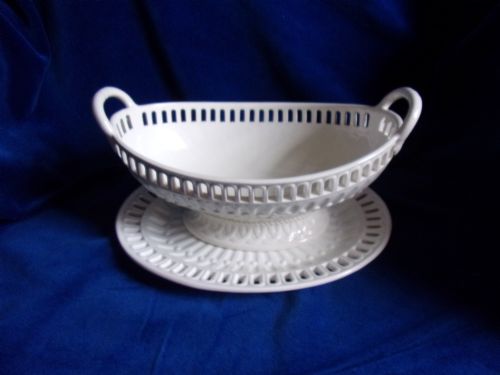
Georgian ceramics span utilitarian vessels and fine table wares produced during the eighteenth and nineteenth centuries. These pieces cover forms ranging from creamware jugs and earthenware to soft-paste porcelain tea canisters and decorative plates.
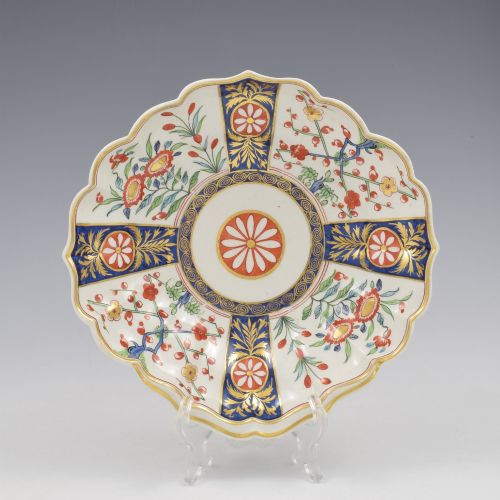
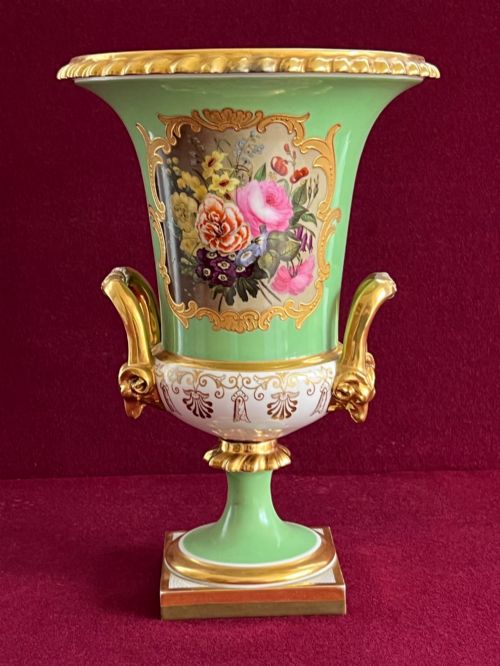
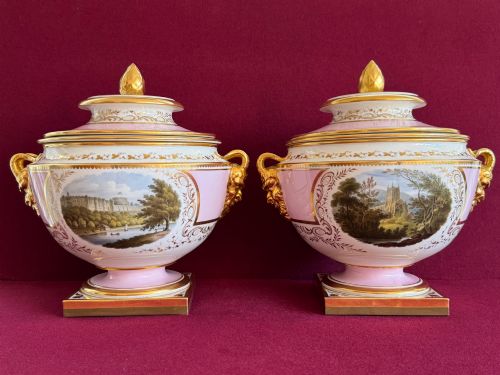
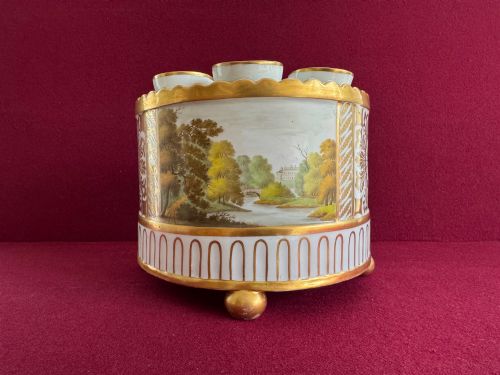
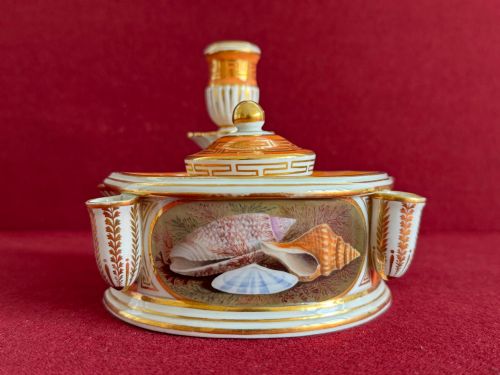
The selection on this page leans toward English factories operating through the Georgian and Regency periods. Pieces demonstrate styles such as Rococo, Chinese Export, and Dutch Baroque across various utilitarian and display items.
Materials and Technique
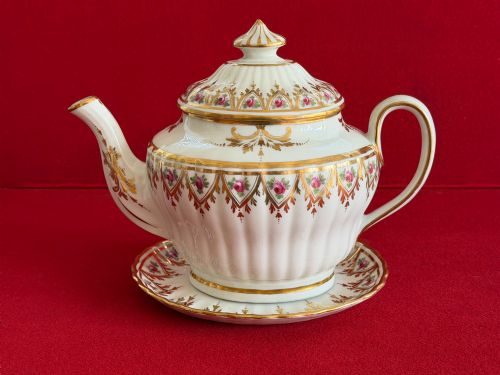
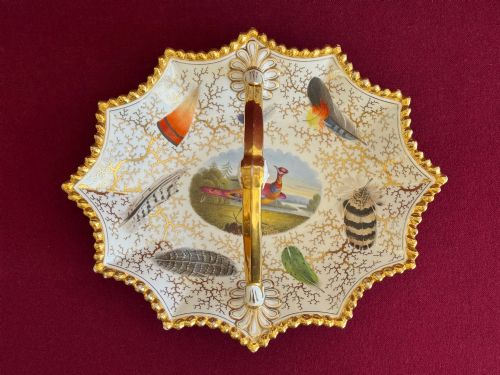
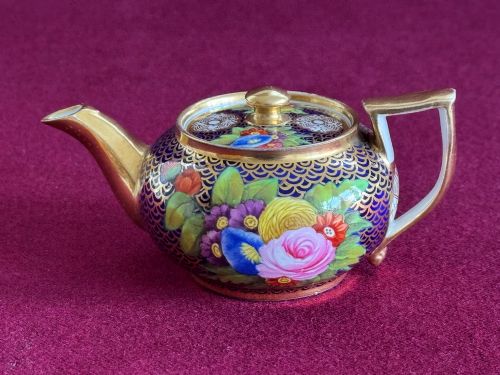
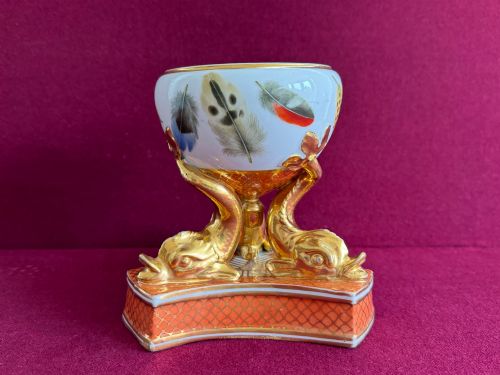
Makers utilised earthenware, creamware, soft-paste porcelain, and bone china shaped into utilitarian and display objects. Decoration relied upon handpainted polychrome pigments, enamel, transfer printing, and gold leaf gilding.
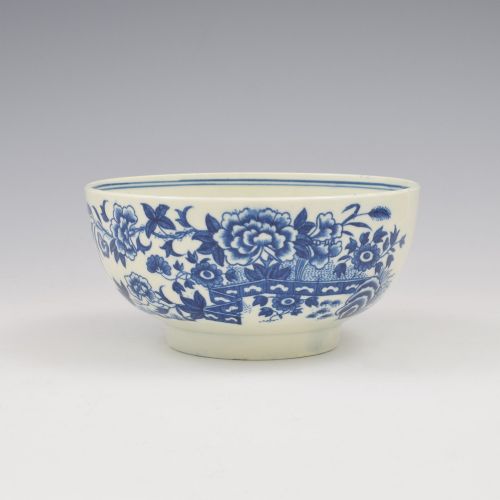
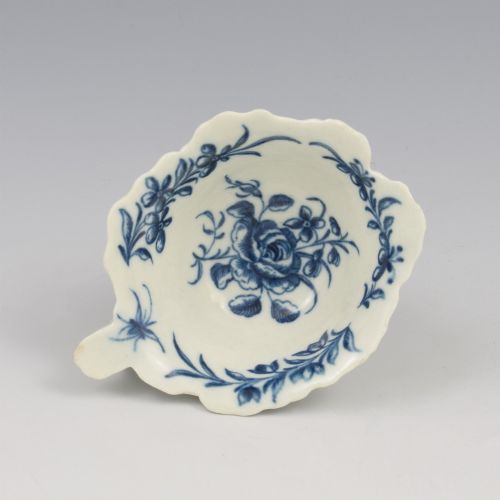
Potteries applied lead and tin glazes to earthenware and delftware surfaces before firing in kilns. Specialised techniques included black transfer printing on creamware and intricate handpainted floral or bird motifs on porcelain.
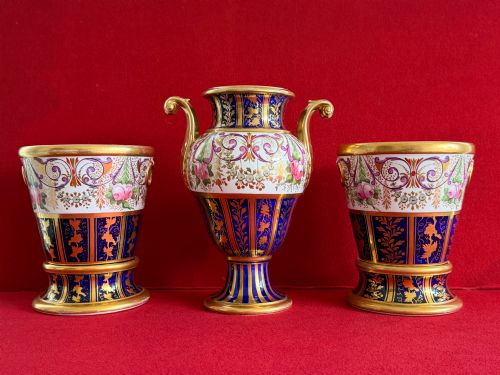
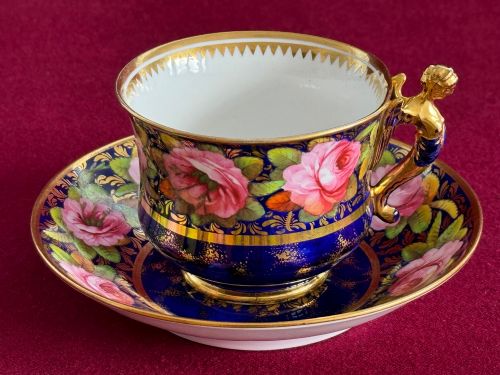
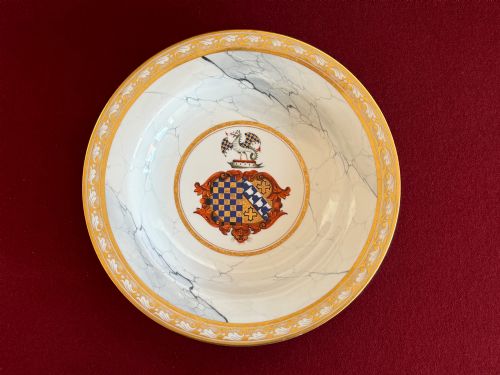
Listings feature eighteenth-century delft chargers, creamware tea vessels, and nineteenth-century bone china cabinet trios.
Distinctions in Execution
Quality rests in the precision of the handpainting and the crispness of transfer-printed details on the body. Superior examples display balanced polychrome palettes and well-preserved gilding without smudging.
The refinement of the paste and the potting standard differentiate standard utility wares from factory-painted cabinet pieces. Early porcelain bodies show distinct translucency and careful throwing or moulding.
Grainger Lee And Co·Flight Barr And Barr·George Robertson·H And R Daniel·Richard Chaffers·John Rose
The Georgian Ceramics Glossary
- Soft-paste porcelain
- A ceramic composition made from white clay mixed with ground glass and other materials rather than true kaolin. It fires at lower temperatures and yields a warm, creamy translucency.
- Transfer printing
- A decoration method where an engraved copper plate transfers a printed design onto paper and then onto the ceramic surface before glazing. This allowed for intricate repeating patterns in monochrome or colour.
- Delftware
- Tin-glazed earthenware produced in England and the Netherlands, often decorated in blue and white. It mimics the appearance of imported Chinese porcelain.
- Lustreware
- Earthenware finished with a metallic glaze that produces an iridescent sheen. Common varieties feature copper or pink metallic films applied over the fired surface.
Georgian Ceramics: Frequently Asked Questions
What is the difference between earthenware and porcelain?
Earthenware is an opaque, porous ceramic fired at lower temperatures, often coated in an opaque tin or lead glaze. Creamware and delftware belong to this durable utilitarian family.
Porcelain is a denser, vitrified ceramic fired at much higher temperatures until the body becomes non-porous. Soft-paste and bone china exhibit a fine translucency when held to the light.
How can I tell the period of a piece?
Examine the ceramic body, glaze characteristics, and decorative style to narrow down the decade of production. Eighteenth-century pieces often feature tin glazes or early soft-paste bodies with handpainted chinoiserie.
Nineteenth-century items frequently display refined bone china bodies alongside black or coloured transfer printing. Factory marks, where present, help confirm the active years of specific potteries.
Were these ceramics used daily or displayed?
Many pieces served practical dining and beverage functions in middle and upper-class households. Teapots, jugs, and cups saw regular use during tea services and formal meals.
Finer cabinet pieces, jardinières, and decorative plates were intended primarily for display in parlours and dining rooms. These decorative items showcased the household's taste and wealth to visiting guests.