



Georgian Ceramic Dessert Plate
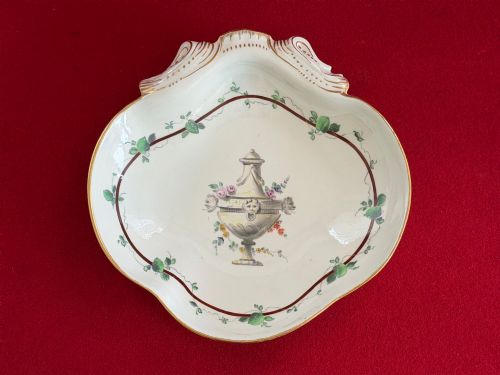
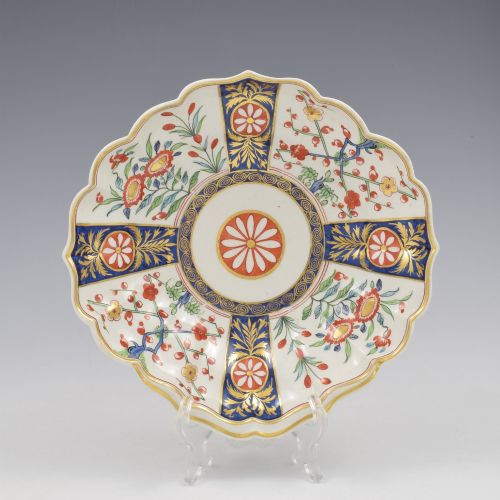
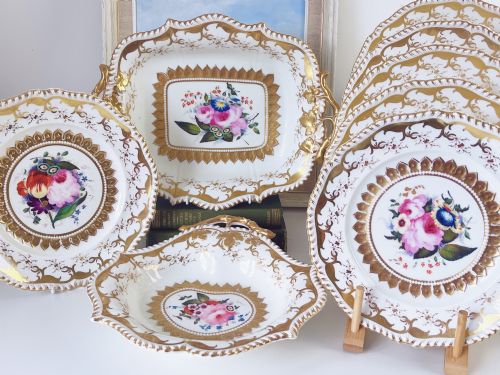
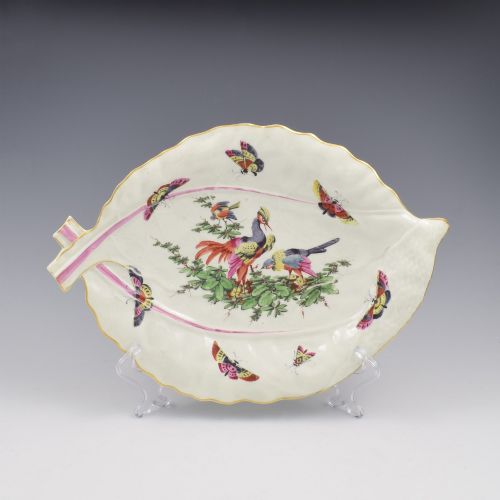
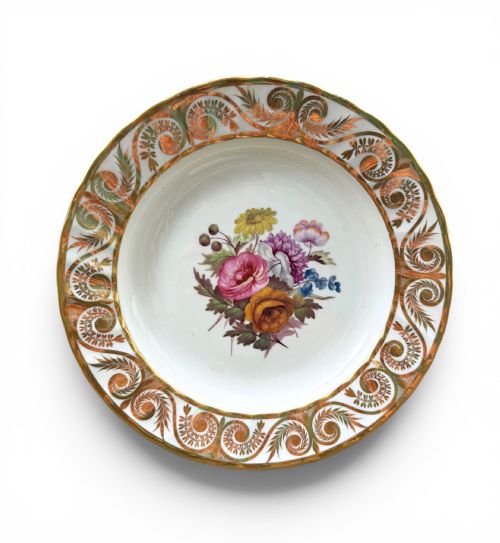
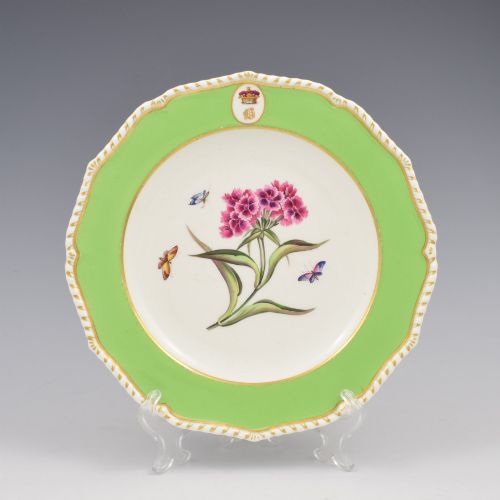
A georgian ceramic dessert plate is a fine table piece designed for the final course, offering handpainted flora and armorial motifs.
Georgian Ceramic Dessert Plate
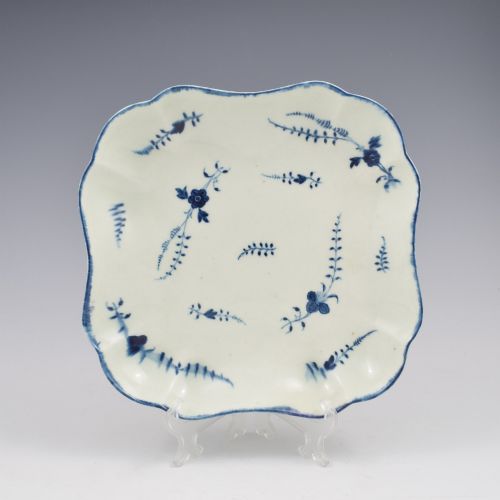
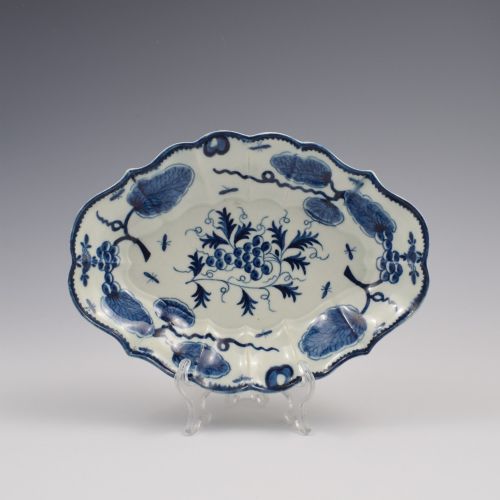
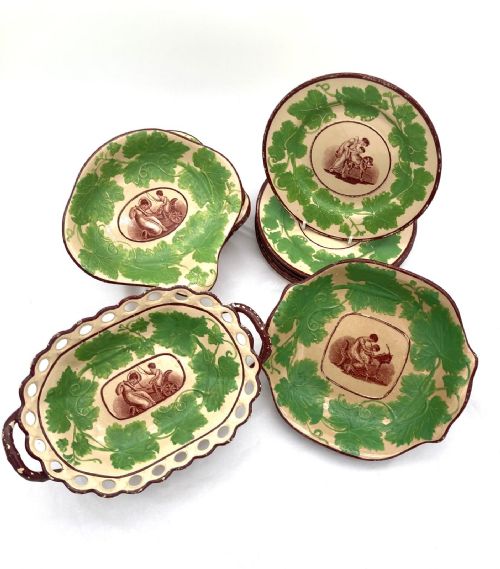
A georgian ceramic dessert plate encompasses serving dishes, square dessert dishes and plates shaped during the eighteenth and nineteenth centuries. These wares stem from periods spanning the Georgian era, Regency epoch and early Victorian times.
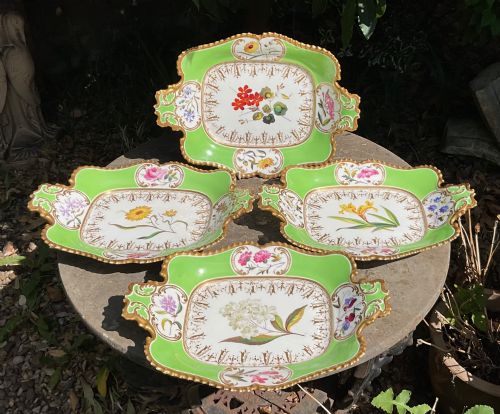
Buyers will frequently meet porcelain and creamware bodies shaped into lobed, shell or leaf designs. Makers produced these items singly or as part of larger dessert services intended for display and dining.
Materials and methods
Potters utilised soft-paste porcelain, earthenware, creamware and ironstone as bodies for these dishes. Artisans applied rich glaze to seal the ceramic base before adding decoration.
Workshops employed handpainted enamels and gold leaf to render botanical studies, topographical views and heraldic armorials upon the ceramic surface.
Current listings feature porcelain, earthenware, creamware and ironstone from eighteenth and nineteenth century periods including Regency and Victorian.
Distinctions in craftsmanship
The sophistication of the painted scene dictates the standing of the piece, ranging from simple printed patterns to intricate botanical studies by known artists. Precision in the moulding of leaf and shell edges also separates standard production from superior output.
The application of gilding and the clarity of enamel colours demonstrate the skill present in the factory. Armorial commissions and named topographical subjects typically represent higher tiers of manufacture.
Chamberlains Worcester·Bloor Derby·Coalport·Minton·Spode·Wedgwood·Masons Patent Ironstone·Grainger Lee and Co·Flight Barr and Barr·Chelsea Derby
The Georgian Ceramic Dessert Plate Glossary
- Armorial
- A ceramic decorated with a family coat of arms or crest. These bespoke pieces were commissioned by landed gentry.
- Creamware
- A refined light-coloured earthenware perfected in Staffordshire during the eighteenth century. It provided a smooth surface suitable for enamel painting and transfer printing.
- Soft-paste porcelain
- A ceramic composition containing glass frit and white clay, fired at lower temperatures than hard-paste porcelain. It exhibits a warm tone and interacts distinctively with glazes.
- Imari
- A decorative style inspired by Japanese export wares, featuring iron red, cobalt blue and gold. English factories adapted this palette extensively during the Regency period.
- Ironstone
- A patented dense earthenware invented for durability. It offered a robust alternative to porcelain while accepting bright enamels.
Georgian Ceramic Dessert Plate: Frequently Asked Questions
How were these plates used?
These pieces formed part of the dessert course at elite dining tables, holding fruit, sweets and confectionary at the conclusion of a meal.
Servants placed them around the table alongside matching bowls and serving dishes to display wealth and taste.
Can I use them for dining?
Most owners choose to display these antique ceramics on walls or within cabinets rather than risking daily domestic use.
Their historical age and delicate enamels mean modern dishwashers and cutlery will damage the glaze.
How do I identify the factory?
Look beneath the base for painted crescent marks, printed factory names or impressed ciphers used by eighteenth and nineteenth century potteries.
Stylistic clues such as paste composition and palette also point toward specific workshops.
What is an armorial plate?
An armorial plate displays the heraldic crest or coat of arms belonging to the original family who ordered the service.
These personal commissions allow historians to trace the exact lineage of the initial owners.