


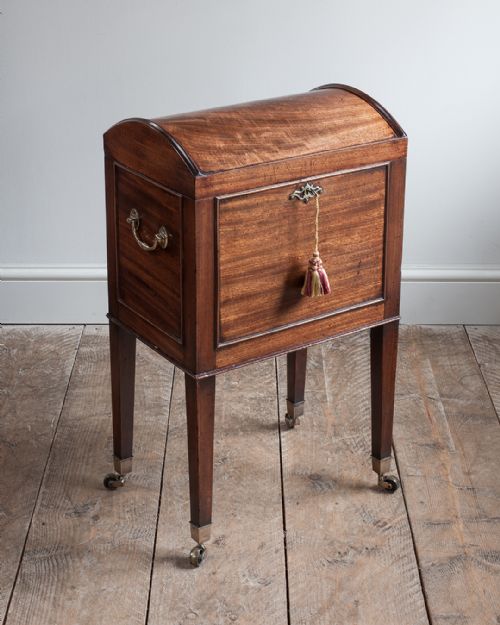


Georgian Cellaret
A Georgian cellaret is a sturdy bottle container designed to keep wine and spirits cool or secure beside the dining table.
Georgian Cellaret
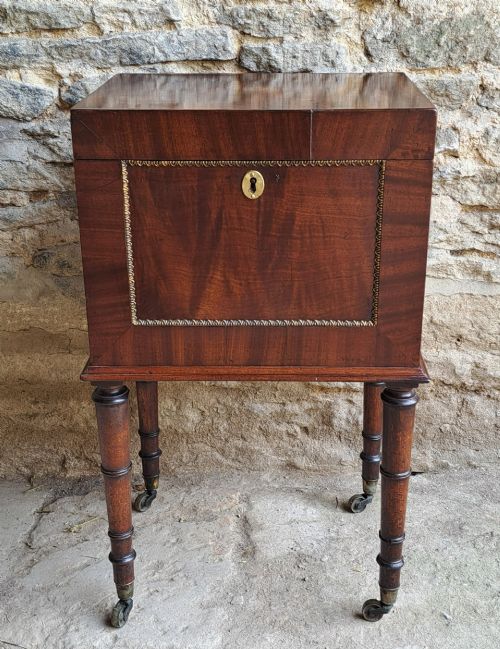
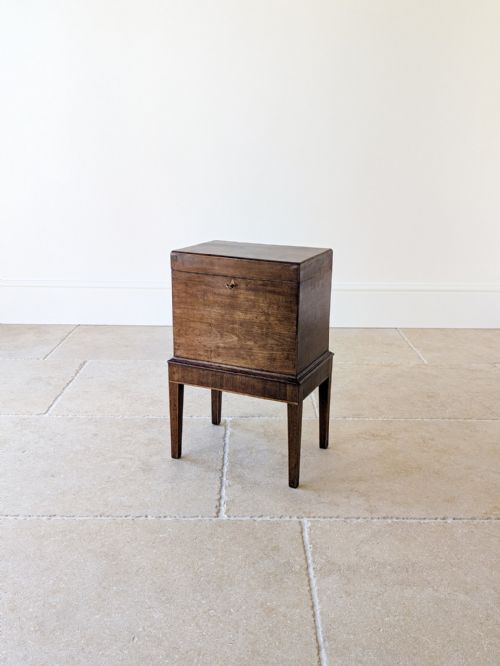
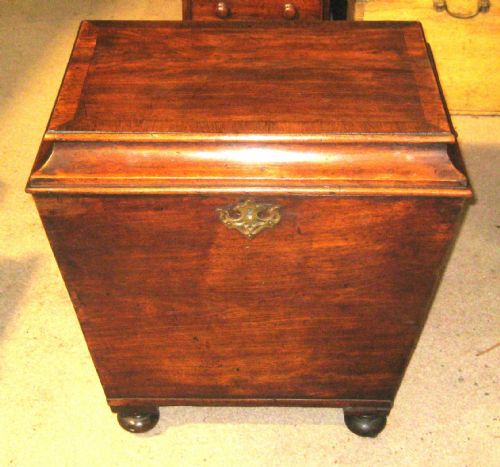
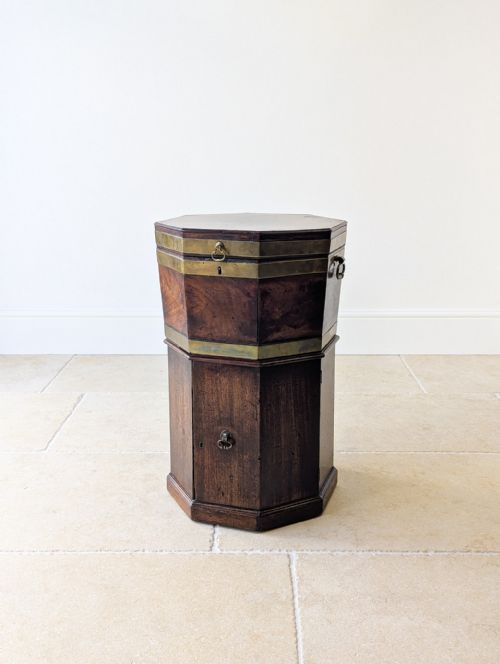
When you search for a Georgian cellaret, you encounter substantial timber storage boxes and wine coolers created to hold bottles in dining rooms during the eighteenth and nineteenth centuries. The pieces available here include George III and Regency examples in forms ranging from octagonal boxes to sarcophagus shapes. You are most likely to meet mahogany versions from the Georgian period, often fitted with internal divisions or lead linings.
How they were made
Cabinet-makers built these cellarets primarily from solid mahogany, frequently embellishing the exteriors with satinwood inlay or brass banding for structural strength and decoration. Joiners shaped timber into octagonal, serpentine, or sarcophagus profiles, demonstrating high levels of competency in woodworking during the eighteenth and nineteenth centuries.
Internal spaces often incorporated lead linings to hold ice and water for cooling bottles, alongside fitted partitions to separate individual wine or spirit bottles. Metalworkers supplied cast brass handles, feet, and ormolu mounts that complemented the dark grain of the polished mahogany.
Georgian Cellaret Retail Price Guide 2026
Typical asking prices for georgian cellaret among the pieces listed under this phrase on Sellingantiques today, from the lower quarter to the upper quarter. They describe what is for sale here now, not the wider market.
Some octagonal boxes hide lead linings once packed with ice to chill claret for thirsty squires.
What varies in quality
Quality in these pieces rests upon the selection of timber, the crispness of the cabinet-making, and the integrity of the original mounts. Finer examples display carefully chosen mahogany grain, precise satinwood banding, and substantial brass hardware that remains intact.
The sophistication of the silhouette defines the upper tier of the range, with serpentine fronts and complex octagonal geometries requiring greater skill than plain rectangular boxes. Original internal lead linings and fitted divisions elevate a piece above those that have lost their interior fittings.
Robert Strahan & Co of Dublin
The Georgian Cellaret Glossary
- Cellaret
- A lockable container or box used for storing bottles of wine and spirits near the dining table. They originated when bottles were brought from the cellar in bulk rather than served individually.
- Sarcophagus
- A monumental container shape featuring a sloping lid and inverted sides, popular for wine coolers during the Regency period. This classical form mirrored Roman stone tombs.
- Ormolu
- Gilded bronze mounts applied to furniture for decorative contrast against dark timber. This technique added metallic brilliance to the design.
- Satinwood
- A durable, yellowish timber native to the tropics, utilised for contrasting bandings and inlay work on mahogany furniture. Its lustrous grain catches the light.
- Serpentine
- A furniture front or edge shaped with a concave centre flanked by two convex curves. This undulating line requires advanced woodworking skill.
Georgian Cellaret: Frequently Asked Questions
What is a Georgian cellaret used for?
These vessels were designed to store and cool wine bottles or hold spirits securely beside the dining table. Diners used them to keep beverages close at hand during long meals without needing constant trips to the cellar.
Inside, many contained lead-lined compartments to hold ice, alongside wooden dividers to prevent glass bottles from knocking together and breaking during dinner service.
How do I tell George III from Regency?
George III pieces tend to feature straight lines, square or octagonal box forms, and understated brass banding or handles. They emphasise the natural warmth of mahogany timber.
Regency examples often lean towards classical architectural influences, displaying sarcophagus shapes, carved paw feet, and bolder ormolu mounts that reflect a revival of Roman and Greek motifs.
Where did they sit in a room?
Cabinet-makers designed these containers to stand directly on the floor, usually tucked underneath a sideboard or placed neatly in the corner of the dining room. Their substantial weight kept them stable on dining room carpets.
Because they were meant to be seen by guests, makers finished all visible sides with polished timber veneers, even though the boxes spent most of their time beneath larger furniture.