


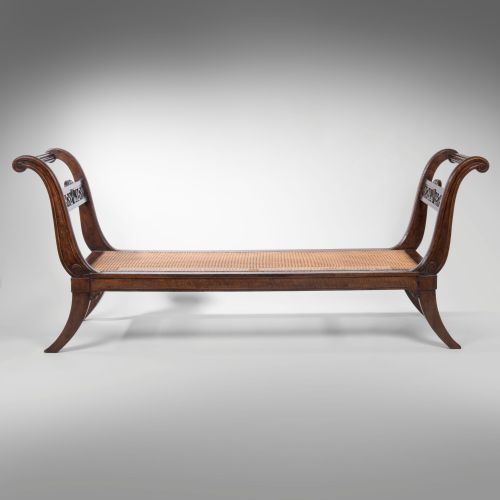


Georgian Carved Wooden Frame
A georgian carved wooden frame brings proportion and historic depth to a room, holding mirrors or paintings with structural confidence.
Georgian Carved Wooden Frame
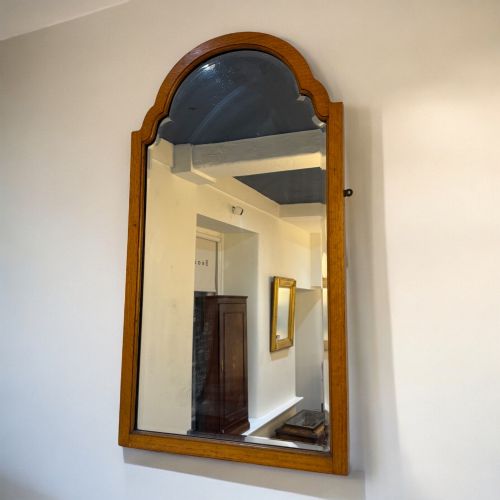
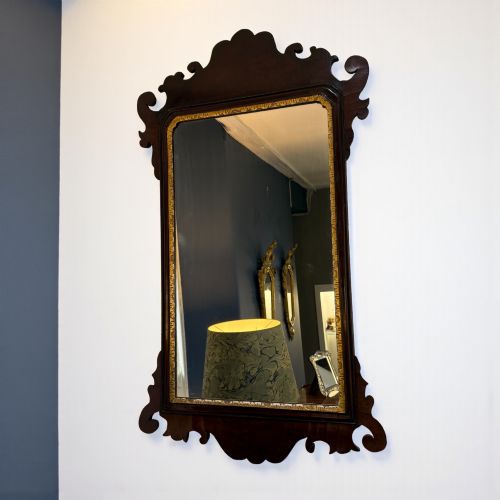
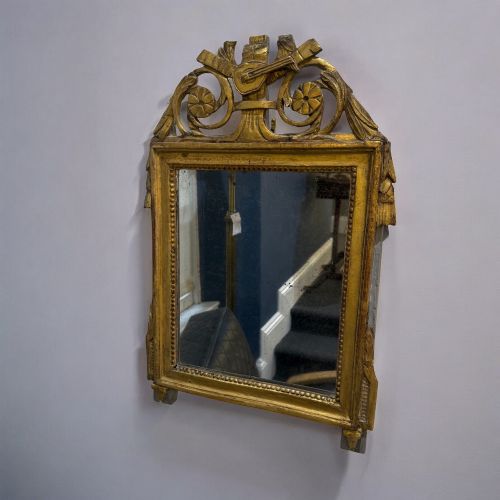
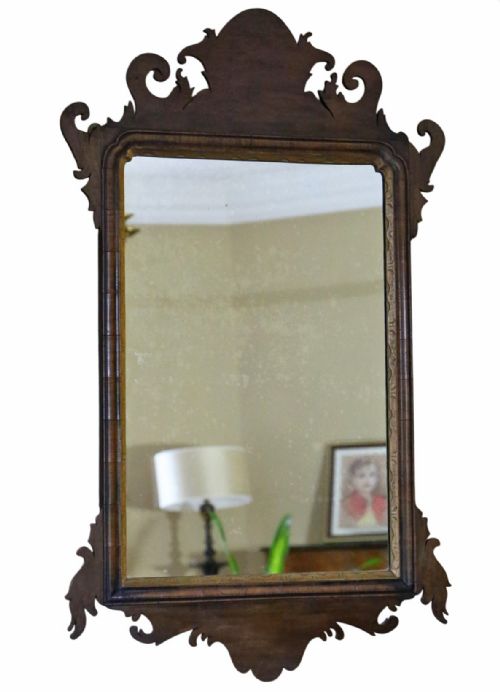
A georgian carved wooden frame most frequently appears here as a wall mirror, often framed in walnut, mahogany, or giltwood across eighteenth and nineteenth-century periods. These objects provide functional reflection while adding architectural interest to interior walls through period joinery and carved detail.
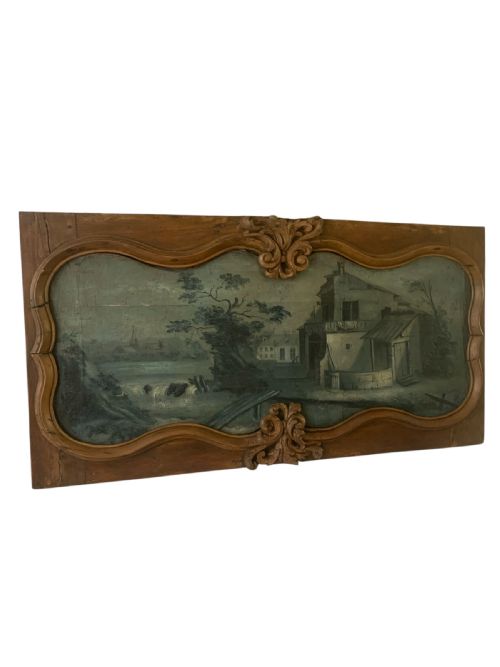
The selection also includes picture frames and overmantle designs produced during the Georgian era, alongside later revival pieces that emulate eighteenth-century forms. Makers utilised native timbers and applied gilding to achieve the decorative standards expected of formal parlours and country houses.
Buyers encounter various formats, from simple fret cut wall mirrors to elaborately carved giltwood examples featuring period glass plates. Each piece demonstrates the craftsmanship associated with historical cabinet makers and joiners.
How they were made
Craftsmen shaped these frames from solid timbers such as mahogany, walnut, and pine, frequently applying giltwood embellishments or parcel gilding to highlight carved motifs. Joinery relied on traditional framing techniques suited to supporting heavy glass plates and decorative panels.
Surface preparation involved traditional methods including polishing, painting, and veneering with burr walnut to create rich visual textures. Carving was executed by hand, producing crisp edges on scrollwork, floral elements, and geometric patterns.
Georgian Carved Wooden Frame Retail Price Guide 2026
Typical asking prices for georgian carved wooden frame among the pieces listed under this phrase on Sellingantiques today, from the lower quarter to the upper quarter. They describe what is for sale here now, not the wider market.
The selection includes wall mirrors, picture frames, and overmantle forms created in both Georgian and revival styles.
What varies in quality
The standard of a georgian carved wooden frame depends upon the crispness of the hand carving and the depth of the timber selection. Superior examples display intricate detailing in the woodwork and retain original surfaces or historic gilding.
Construction integrity separates standard items from finer pieces, evident in the precision of the corner joints and the retention of early glass plates. Proportion and balance in the decorative scheme distinguish workshop output across different periods.
Miles & Edwards·Howard & Sons·Purvis of London·William Tate
The Georgian Carved Wooden Frame Glossary
- Giltwood
- Timber coated with gold leaf or metallic powder over a prepared gesso ground. This finish catches candlelight and daylight, adding brilliance to formal wall mirrors.
- Fret cut
- Wood pierced with a fretsaw to create intricate geometric or scroll patterns. This technique defines many eighteenth-century and revival wall mirrors.
- Vauxhall mirror
- A type of antique mirror plate featuring a distinct bevelled edge and thinner glass composition. These plates often show subtle historical imperfections and age spots.
- Parcel gilt
- A decorative treatment where only specific portions of a wooden object receive gilding, leaving the underlying timber grain visible elsewhere. It contrasts gold surfaces with natural wood.
- Overmantle
- A large mirror or frame designed specifically to hang above a fireplace mantel. These pieces occupy a dominant central position in period room schemes.
Georgian Carved Wooden Frame: Frequently Asked Questions
Are original mirror plates common?
Original glass plates survive in select eighteenth and nineteenth-century examples, identifiable by slight distortions, oxidation, and foxing. These authentic panels contribute significantly to the historic character of the object.
Replacement glass often appears in pieces that underwent restoration during their working lives. Examining the silvering from the reverse side helps determine the age of the plate.
How do I clean an antique gilt frame?
Dusting requires a very soft, dry brush to remove particles without disturbing delicate gold leaf or gesso surfaces. Moisture and chemical cleaners must be avoided entirely to prevent permanent damage to historical finishes.
Professional conservators should handle any deep cleaning or consolidation of flaking gilding. Gentle maintenance preserves the existing patina and historic integrity.
How do I distinguish Georgian from revival pieces?
Authentic Georgian frames exhibit period construction methods, hand-cut joinery, and specific timber ageing characteristics consistent with the eighteenth century. Revival pieces made around nineteen-twenty often show machine assistance or different secondary woods.
Comparing the style of the carving and the composition of the backing boards clarifies the date of manufacture. Dealers often specify revival pieces in their descriptions.