


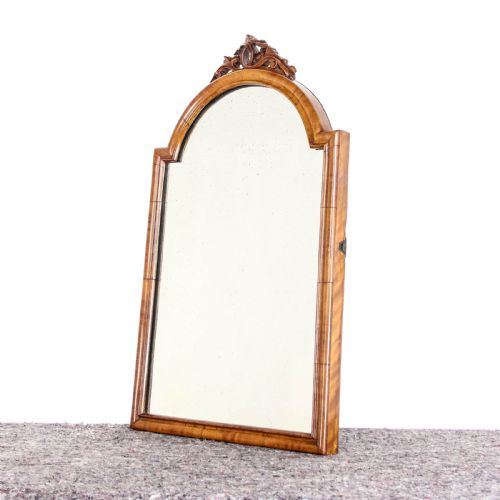
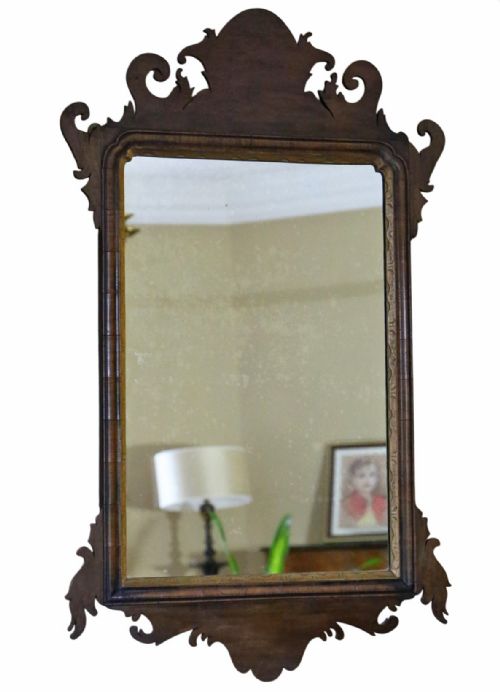


Georgian Carved Walnut Mirror
A georgian carved walnut mirror brings warmth and depth to a room through rich timber grain and classic proportions.
Georgian Carved Walnut Mirror
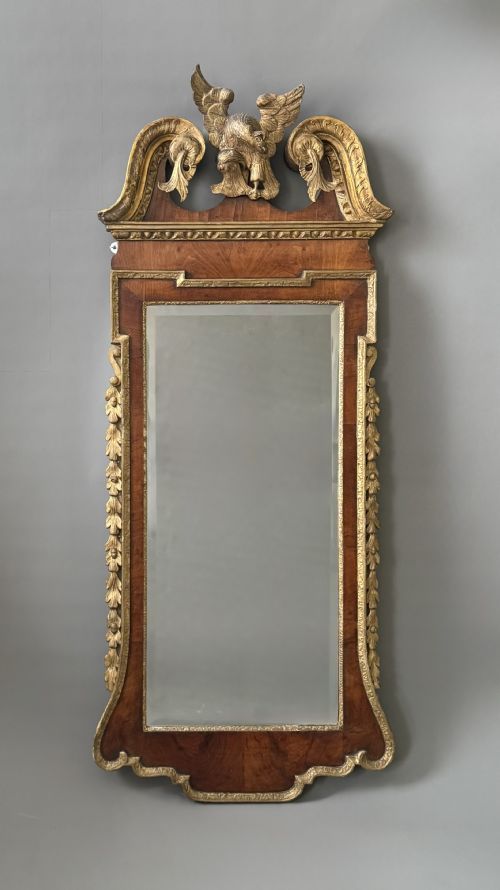
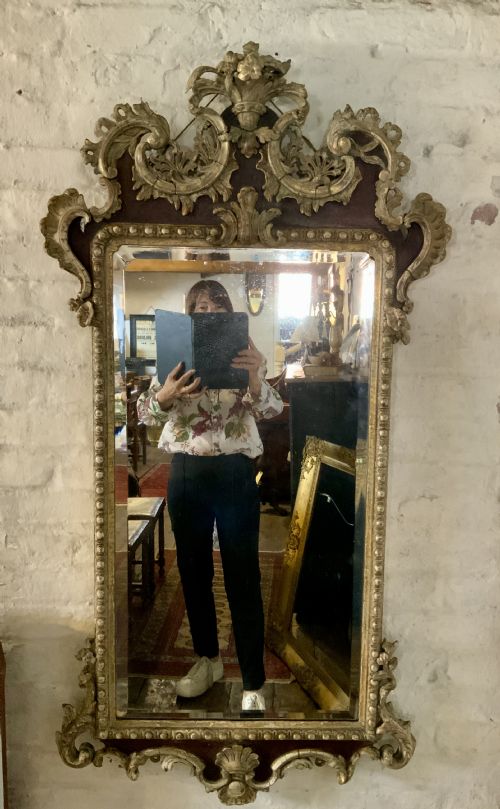
A georgian carved walnut mirror takes several distinct forms, from modest dressing glasses to substantial wall and pier mirrors designed to anchor a principal reception room. Most examples follow the classical idioms of the eighteenth century, including George II and George III designs with architectural pediments or fretwork silhouettes.
Buyers will encounter both authentic eighteenth-century survivals and later revivals from the nineteenth and early twentieth centuries. The latter group often adopts Queen Anne and Georgian revival styles, utilising the same rich timbers and traditional silhouettes established generations earlier.
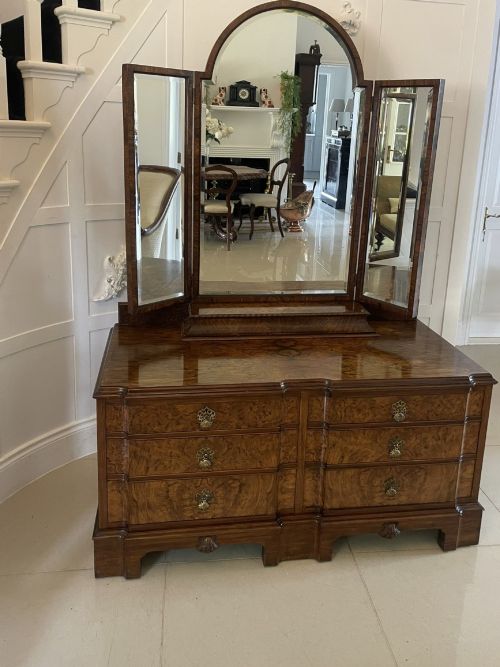
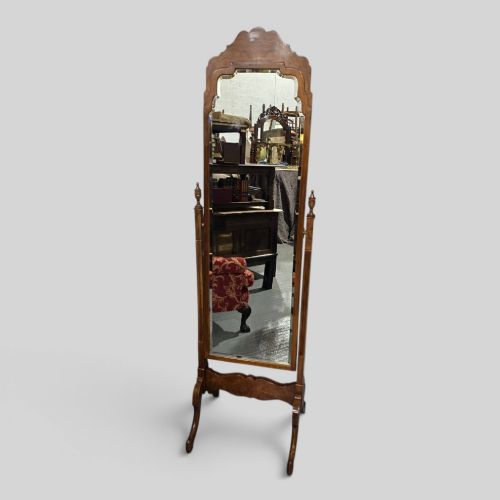
Formats range from simple rectangular wall hung pieces to sophisticated cheval mirrors and toilet mirrors fitted with small drawers. These variations reflect how dressing and grooming habits evolved across the periods represented in the collection.
How they were made
Cabinet makers selected dense walnut and highly figured burr walnut veneers, applying them over secondary softwoods to create striking grain patterns across the frames. Artisans often incorporated parcel gilding and gold leaf accents to highlight carved mouldings, fretwork scrolls and edge details.
Fretwork and pierced decoration were laboriously hand sawn using fine scroll saws, producing intricate silhouettes typical of the mid-Georgian period. Many original pieces retain historic mirror glass plates, which frequently exhibit the characteristic distortions and foxing accumulated over centuries.
Early glass plates often possess tiny bubbles trapped within the medium, capturing the charming imperfections of historic manufacturing techniques.
What varies in quality
The sophistication of the hand carving and the crispness of the fret cut edges set superior examples apart from standard production. Finer frames display sharply defined mouldings and well proportioned architectural elements rather than soft or heavy profiles.
The choice and preservation of the walnut timber heavily influence the desirability of a piece. Richly figured burr veneers and harmonious grain matching indicate a higher tier of craftsmanship during both the original Georgian era and later revival periods.
The Georgian Carved Walnut Mirror Glossary
- Parcel Gilt
- Partially gilded woodwork where gold leaf is applied selectively to highlight specific carved details, such as bezels, side pendants or leaf motifs against the dark walnut ground.
- Fretwork
- Openwork ornamentation cut from thin boards in decorative geometric or scrolling patterns, frequently seen along the outer borders of mid-eighteenth-century wall mirrors.
- Vauxhall Mirror
- A mirror plate distinguished by a bevelled edge following the contour of the glass, named after the famous London glasshouse active from the seventeenth century onwards.
- Pier Mirror
- A tall, narrow mirror specifically designed to hang on the wall space between two windows, often paired beneath with a matching side table or console.
- Cheval Mirror
- A full length dressing mirror suspended on a vertical floor standing frame with four legs, allowing the glass plate to swing freely to different angles.
Georgian Carved Walnut Mirror: Frequently Asked Questions
How do I spot an original eighteenth century mirror?
Examine the construction methods behind the frame, looking for hand cut joints, old secondary timbers, and appropriate signs of age in the wood.
Original mirrors often retain historic glass plates with subtle imperfections, alongside period fixings and backboards that confirm their age.
Where should I hang a walnut wall mirror?
These mirrors work effectively above a mantelpiece, a sideboard, or a hall console where the timber tone complements surrounding furniture.
Ensure the wall fixings are robust enough to support the weight of the solid wood frame and glass.
What is the difference between George II and George III styles?
George II designs often feature heavier architectural elements, parcel gilding, and bold architectural pediments in the manner of Palladian architecture.
George III pieces frequently transition towards lighter fretwork frames, symmetrical scrollwork, and refined mahogany or walnut veneers.
How do I care for antique mirror glass and frames?
Dust the carved wooden frame gently with a dry, soft brush and avoid using modern chemical polishes on the historic walnut surfaces.
Clean the glass plate sparingly with a slightly damp cloth, taking care not to let moisture seep behind the bevelled edges.