
Georgian Carved Walnut Chairs
Georgian carved walnut chairs combine rich timber with disciplined carving, offering formal seating that anchors a room with understated authority.
Georgian Carved Walnut Chairs
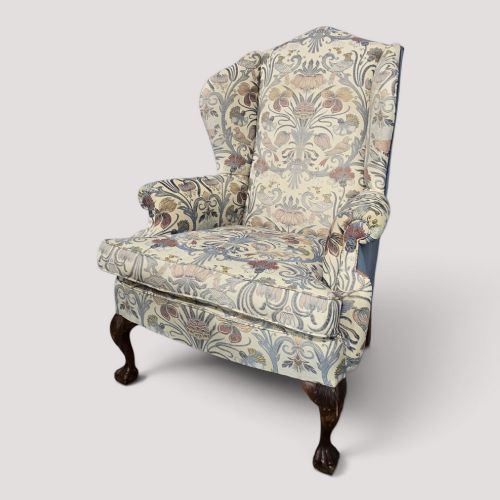
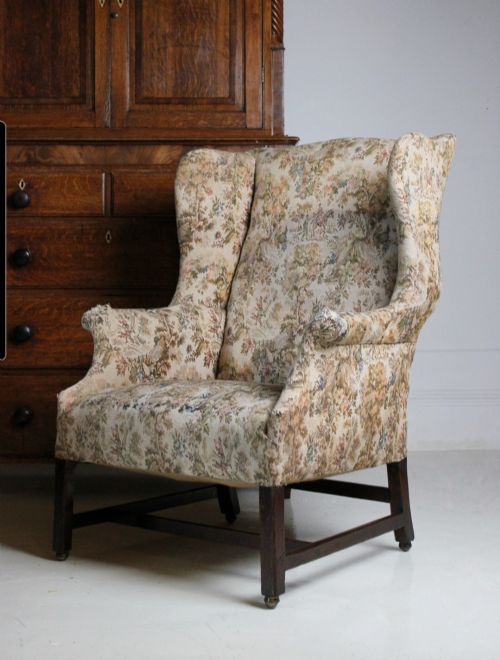
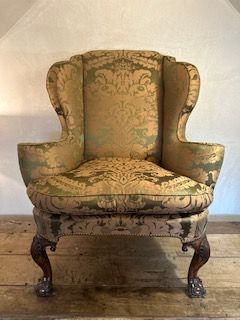
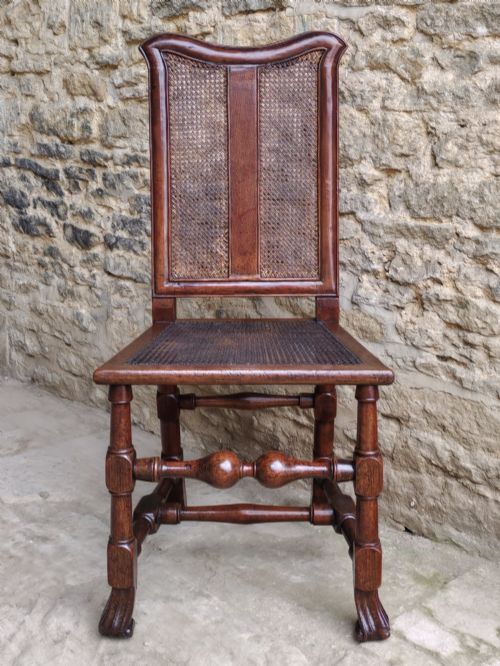
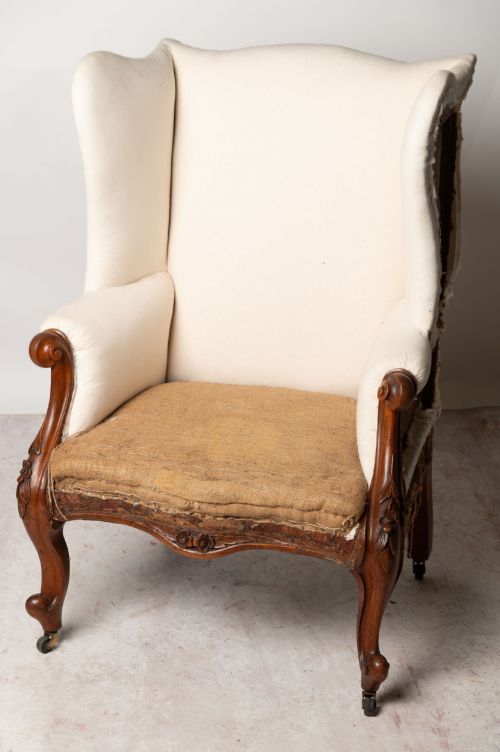
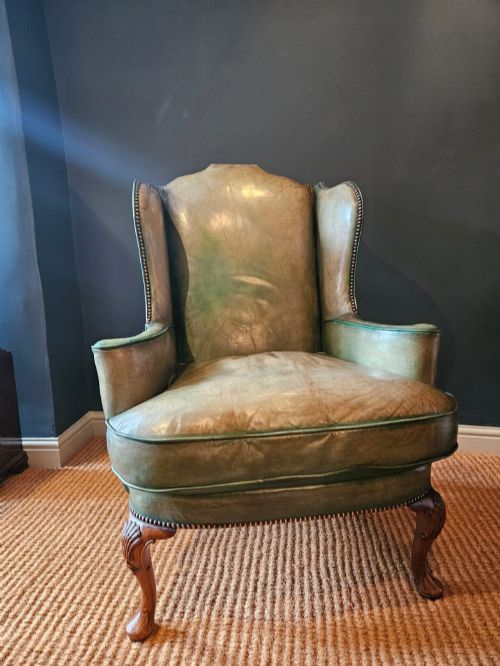
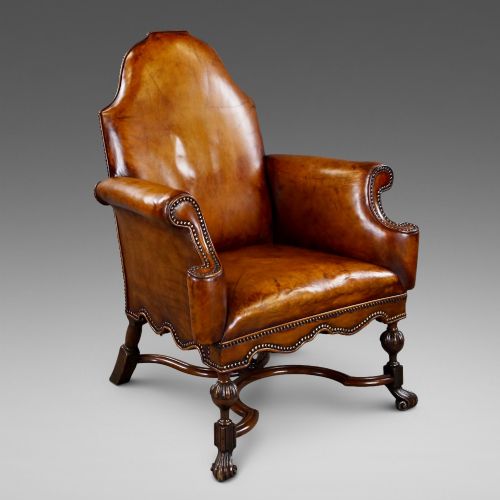
When searching for georgian carved walnut chairs, buyers encounter seating designed for the parlour, library and dining room during the eighteenth century and subsequent revival periods. The selection encompasses side chairs, armchairs, wing armchairs, corner chairs and desk chairs shaped with distinct stylistic ambition.
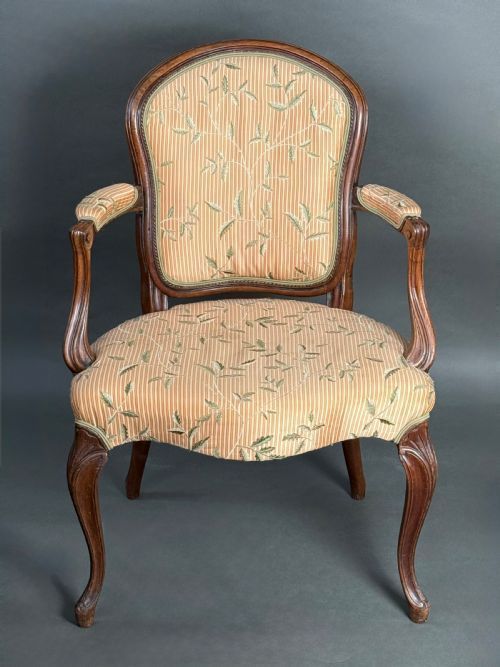
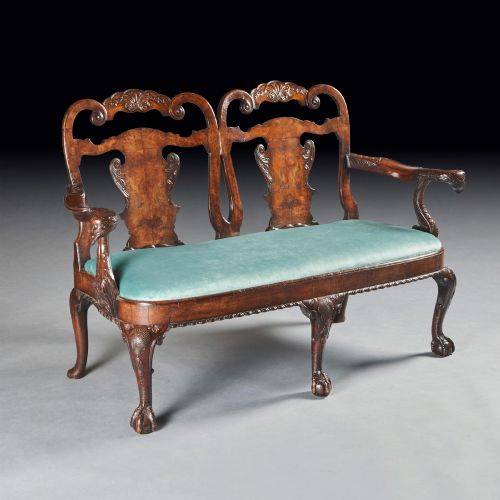
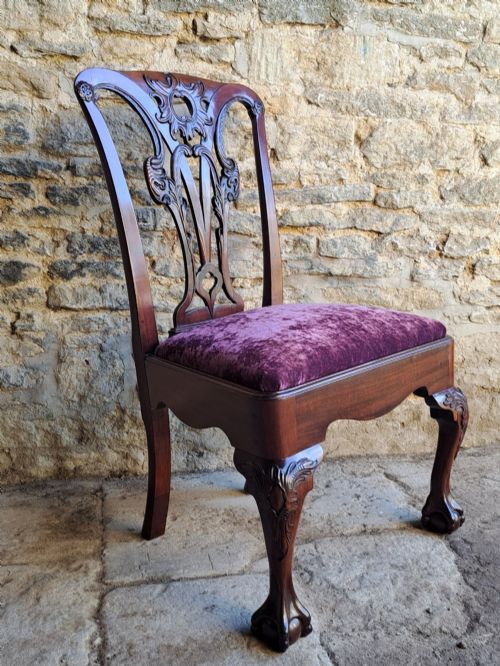
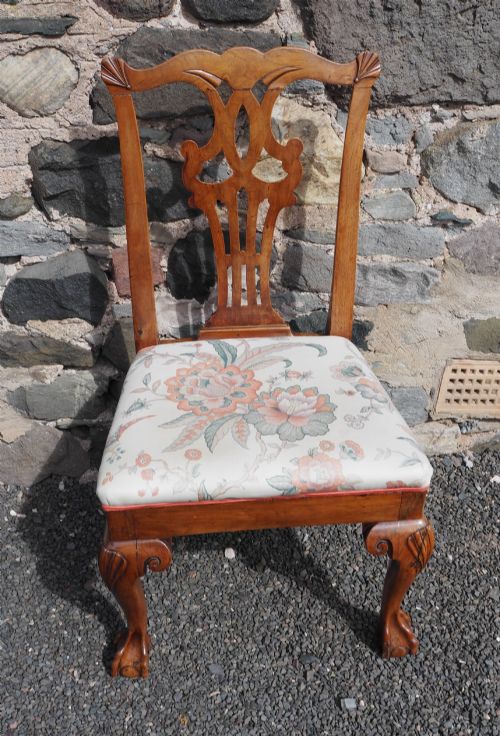
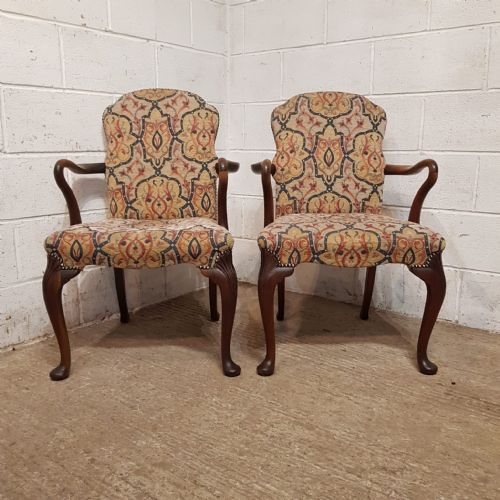
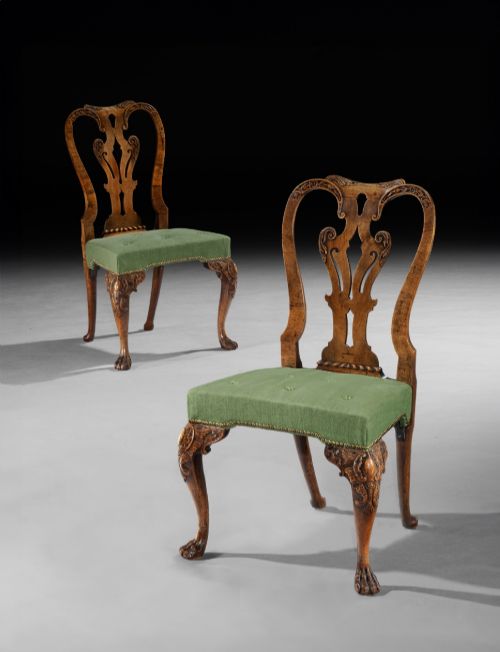
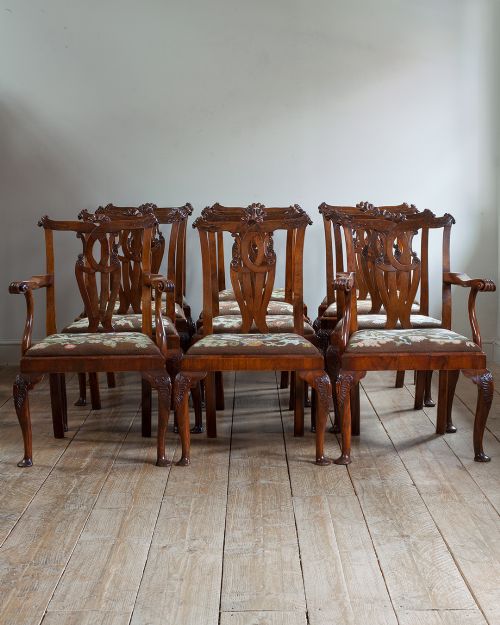
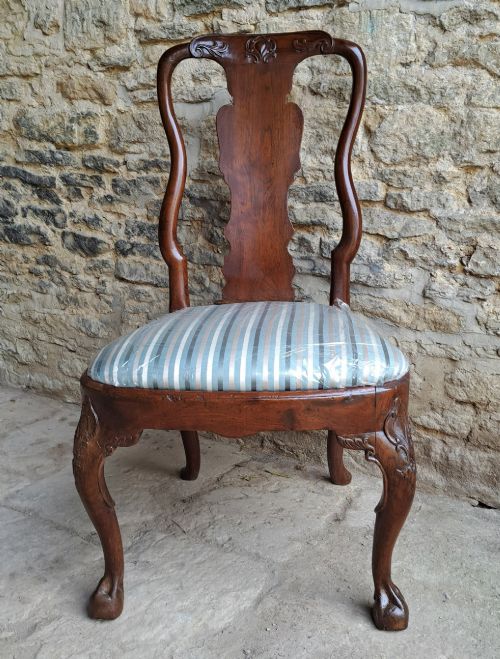
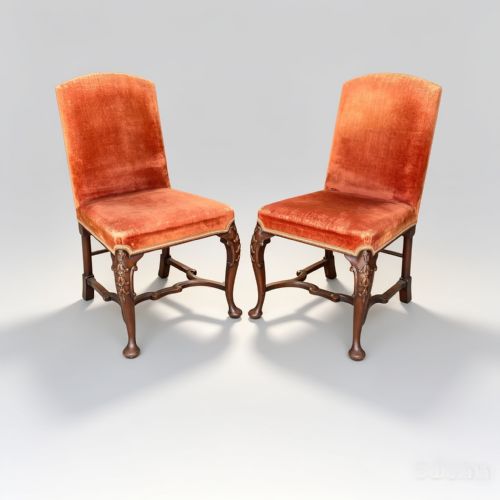
Original eighteenth-century pieces appear alongside late nineteenth-century and early twentieth-century interpretations built in the Queen Anne and George II styles. Side chairs featuring pierced splat backs and armchairs with cabriole legs form the core of what meets the eye on this page.
Materials and construction
Cabinetmakers utilised solid walnut and red walnut for framing, exploiting the dense grain to execute crisp carved details on knees, splats and crest rails. Joinery relied on traditional mortise and tenon construction to sustain the structural demands placed on seating frames.
Upholstery materials include leather, velvet, silk, brass tacks and period needlepoint or tapestry textiles. Drop-in seats and fully padded backs required skilled webbing and stuffing techniques to ensure lasting support.
Listings feature walnut seating spanning from seventeen-ten through to nineteen-twenty, encompassing both original eighteenth-century production and later revival periods.
Factors of quality
The degree of crispness in the carved ornament dictates much of the visual success, separating pieces shaped by confident hands from those executed with routine repetition. Timber selection matters profoundly, as rich figuring and deep natural patination elevate the presence of the walnut over plain stock.
Proportion and stance define the architectural integrity of the seating, particularly how the cabriole leg flows into the seat frame and backrest. Originality of components, from the timber frame to the period upholstery materials, preserves the historical character.
Colefax and Fowler·Howard And Sons·Whytock And Reid
The Georgian Carved Walnut Chairs Glossary
- Cabriole leg
- A furniture leg that curves outward at the knee and tapers inward toward the foot, often finishing in a pad or claw and ball. This form gained prominence during the early eighteenth century.
- Pierced splat
- The central vertical slat of a chair back that has been cut through to create an openwork design. It lightens the visual weight while providing structural support.
- Drop-in seat
- A removable upholstered frame that fits into the seat rails of a chair. It allows for straightforward reupholstery without dismantling the main structure.
- Wing armchair
- A high-backed upholstered chair featuring projecting side pieces designed to shield the sitter from drafts. Eighteenth-century examples often incorporate generous scroll arms.
- Corner chair
- A square-seated chair designed to fit into the corner of a room, featuring a diagonal orientation and a curved back rail supported by turned columns.
Georgian Carved Walnut Chairs: Frequently Asked Questions
How do I spot a true eighteenth-century chair?
Examine the timber construction, joinery methods and surface wear to determine age. Original pieces display period tool marks and natural patination developed over centuries of use.
Revival pieces built around nineteen-twenty often utilise machine-cut elements and lack the subtle hand-shaped irregularities found in genuine period furniture.
Can I use these chairs for daily dining?
Dining chairs from this era were built for formal use but handle normal seating when structurally sound. Check that the frame joints remain tight and secure before regular deployment.
Rotating usage across a set helps distribute wear evenly across antique frames and historical upholstery textiles.
What is red walnut?
Red walnut refers to timber displaying a warmer, redder tone within the grain structure. Cabinetmakers utilised this variety extensively during the early eighteenth century for high-status seating.
Over time, exposure to light deepens the colour profile, creating the distinctive appearance prized by collectors.
How should I care for antique walnut?
Keep wooden surfaces away from direct heat sources and strong sunlight to prevent timber shrinkage and fading. Apply a microcrystalline wax periodically to nourish the grain and protect the finish.
Avoid liquid polishes containing silicones, which can penetrate open grain and alter the historic patination permanently.